



Pruning advice for South African gardens
Gardens in Pietermaritzburg, Durban and the Highveld do not all grow the same way, so pruning advice needs to fit the season and the plant. In this journal we cover the sort of work home gardeners and landscapers deal with every week, from light shaping to harder cutting back after heavy rain, heat, or wind damage.
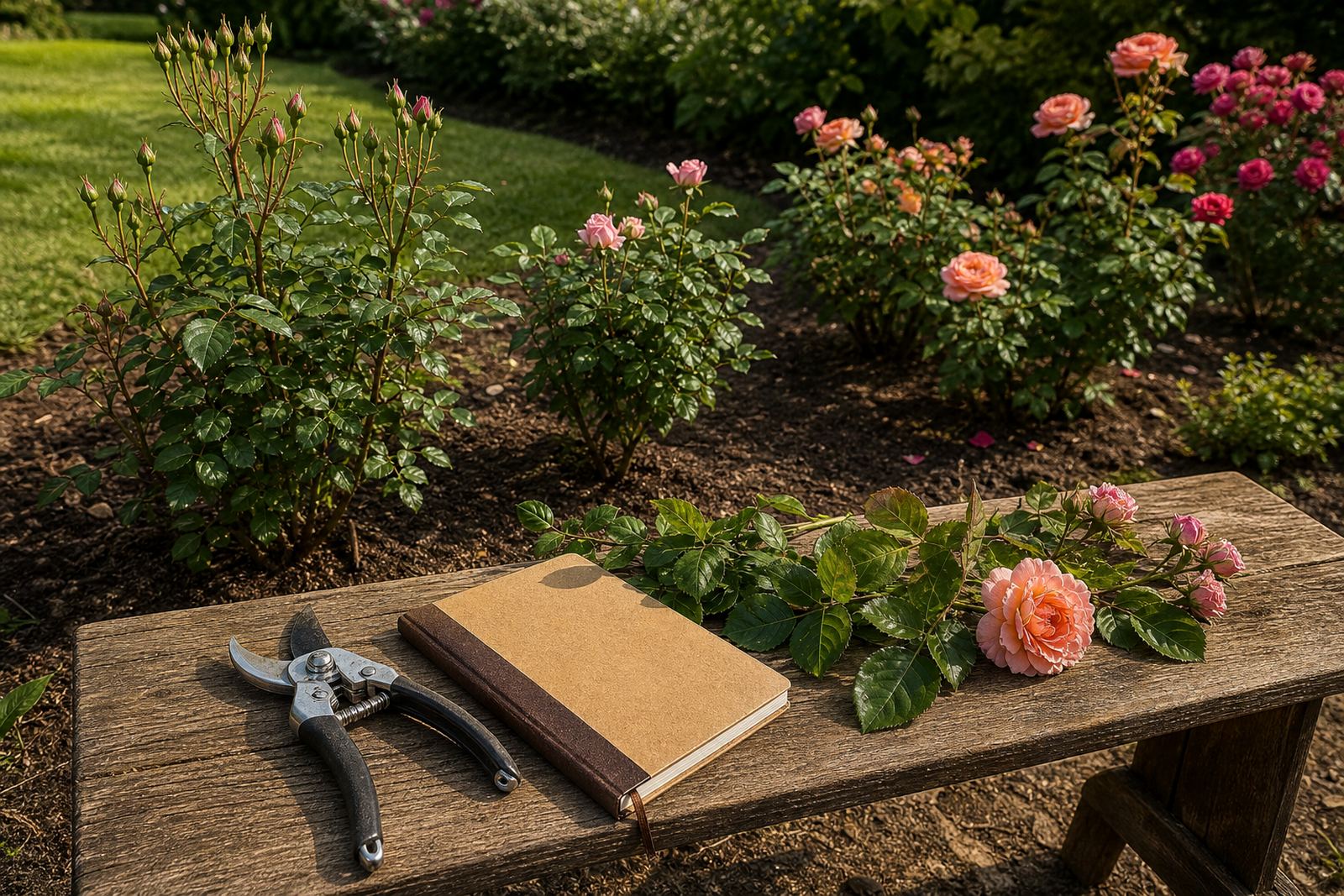
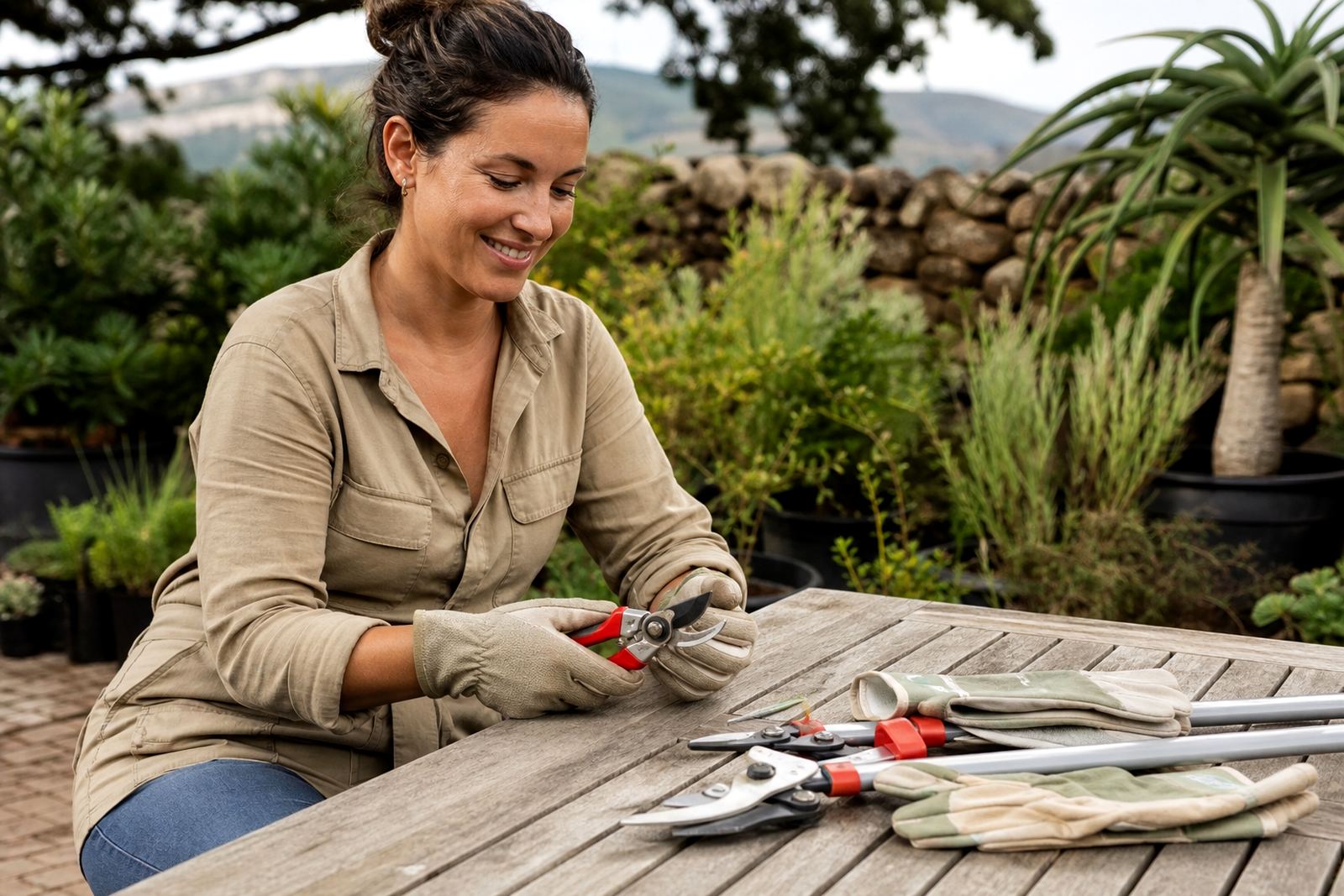
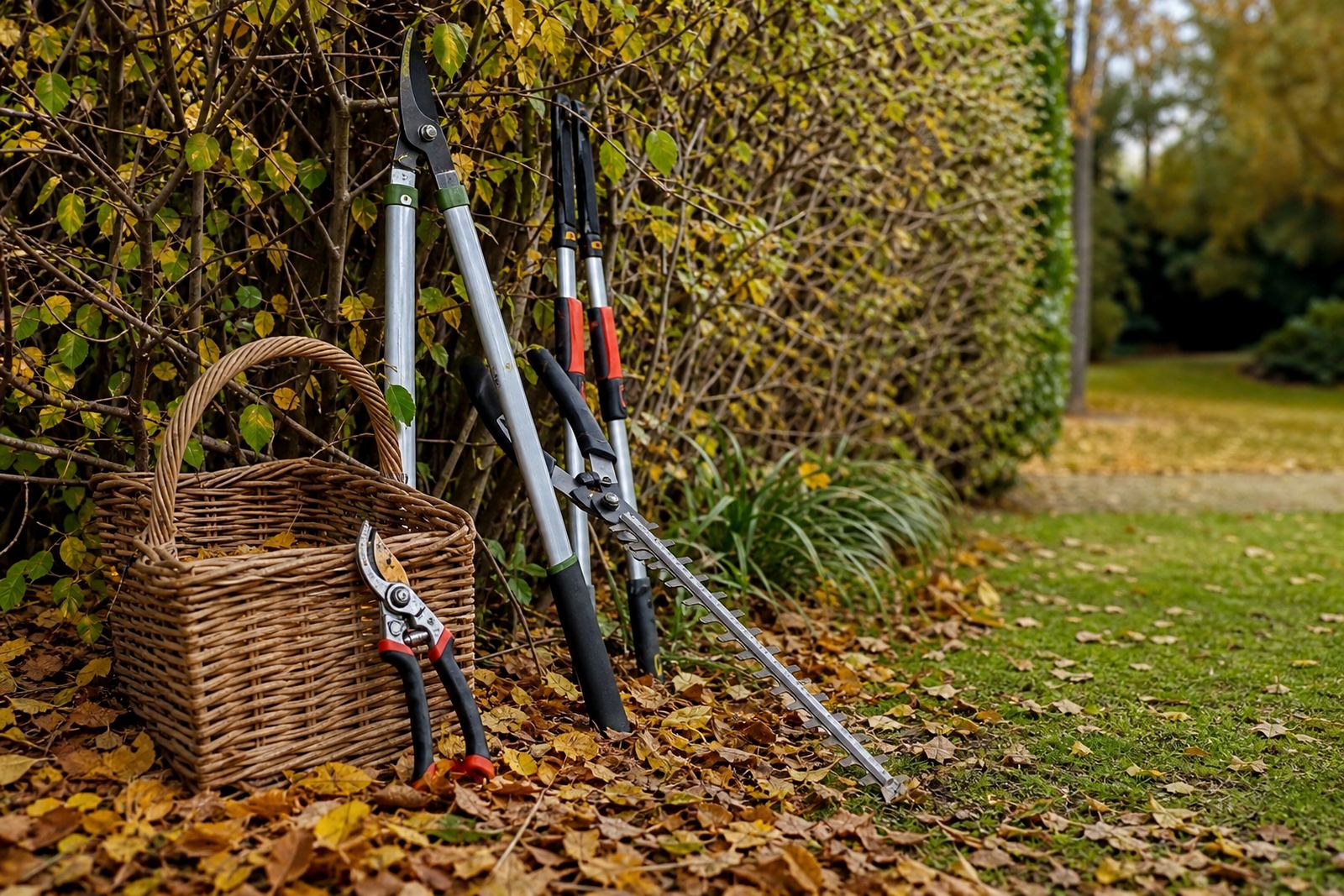
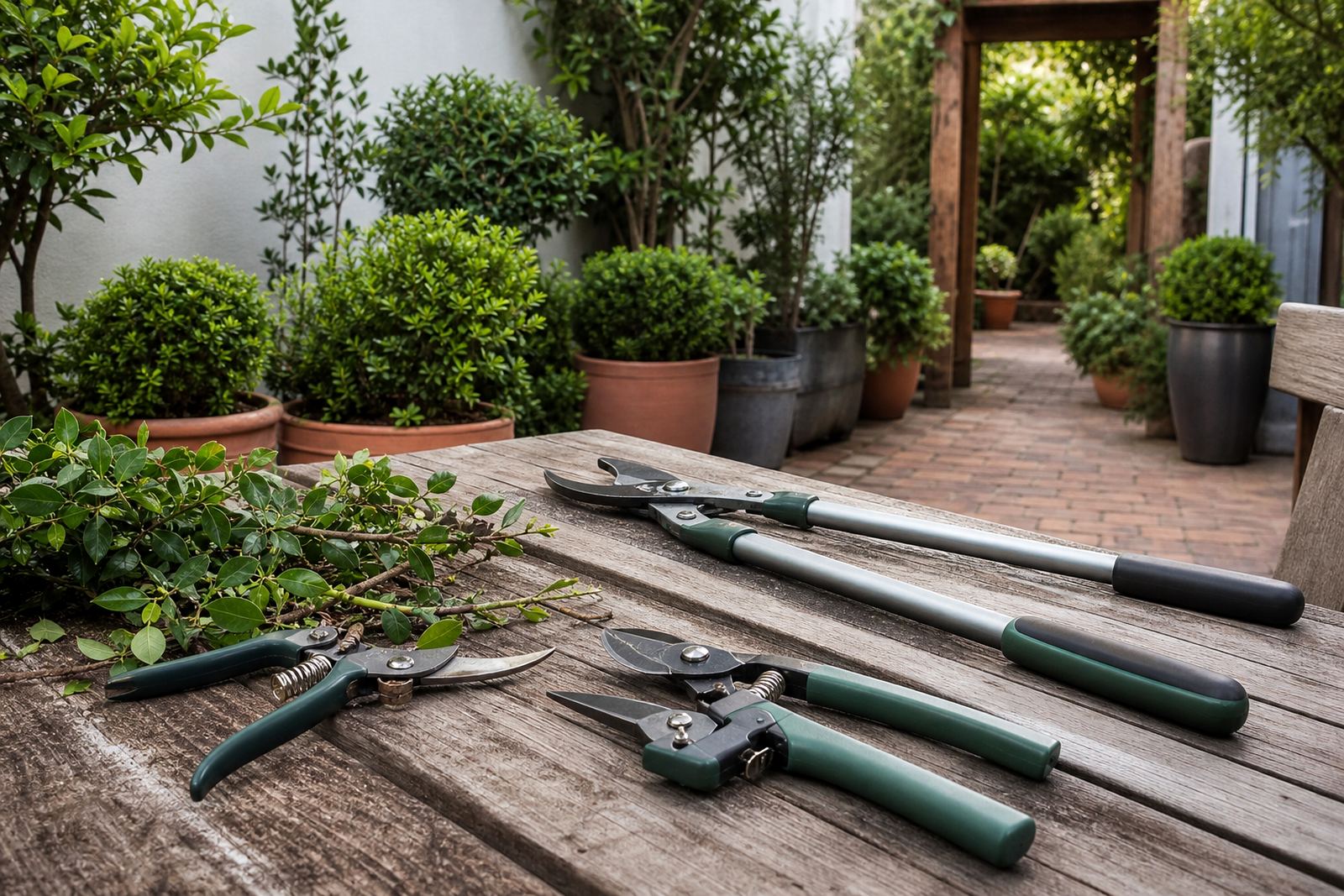
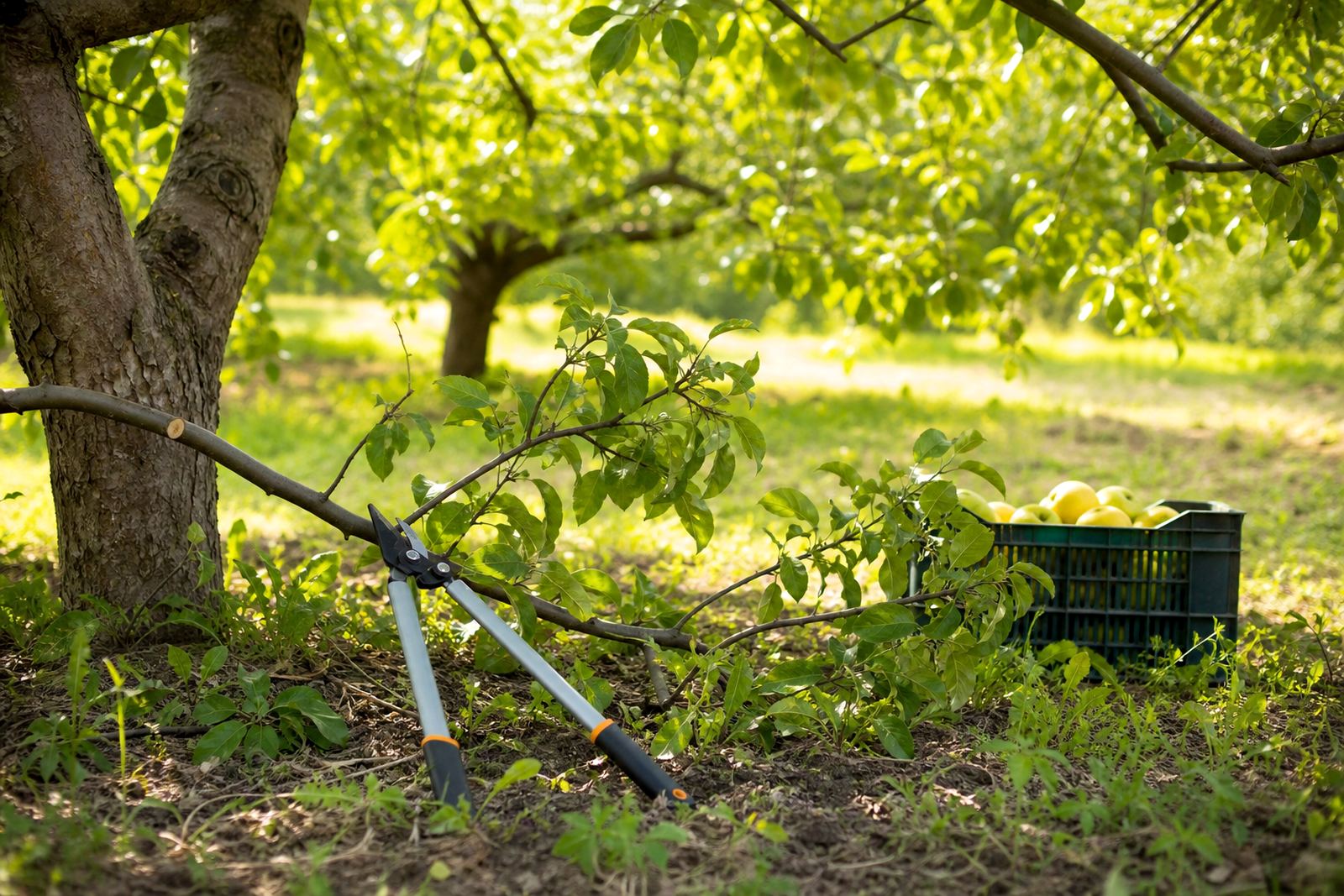
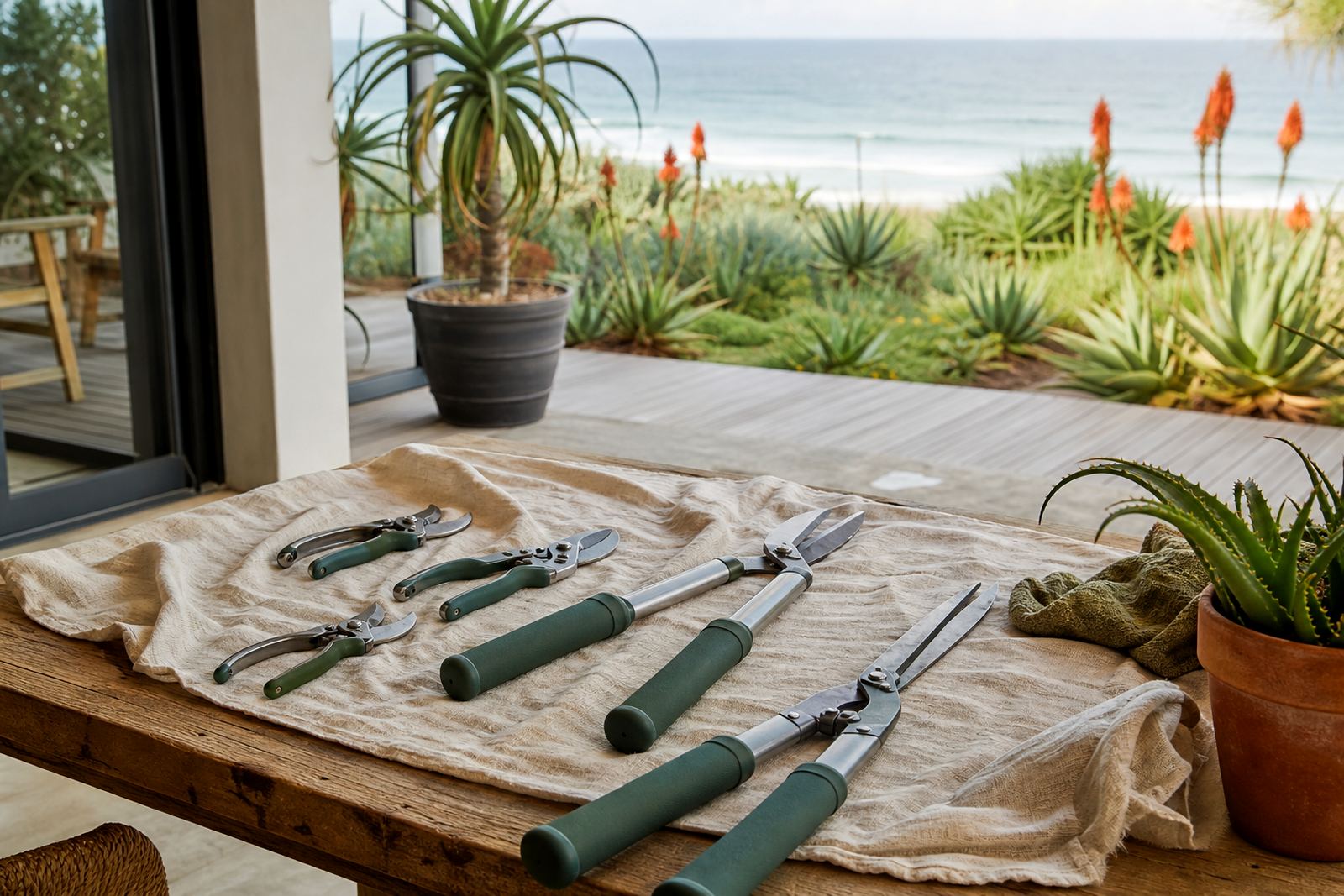
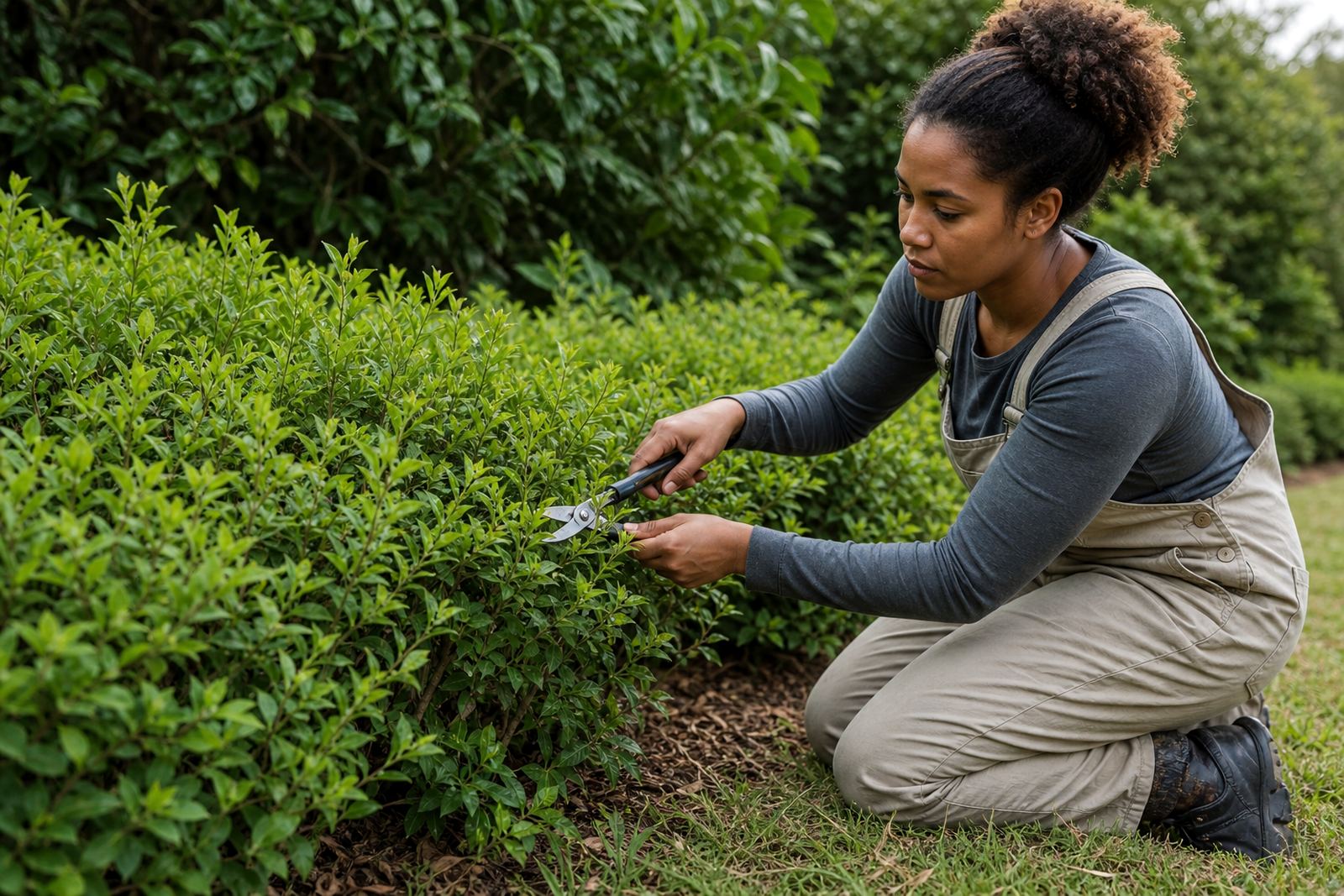
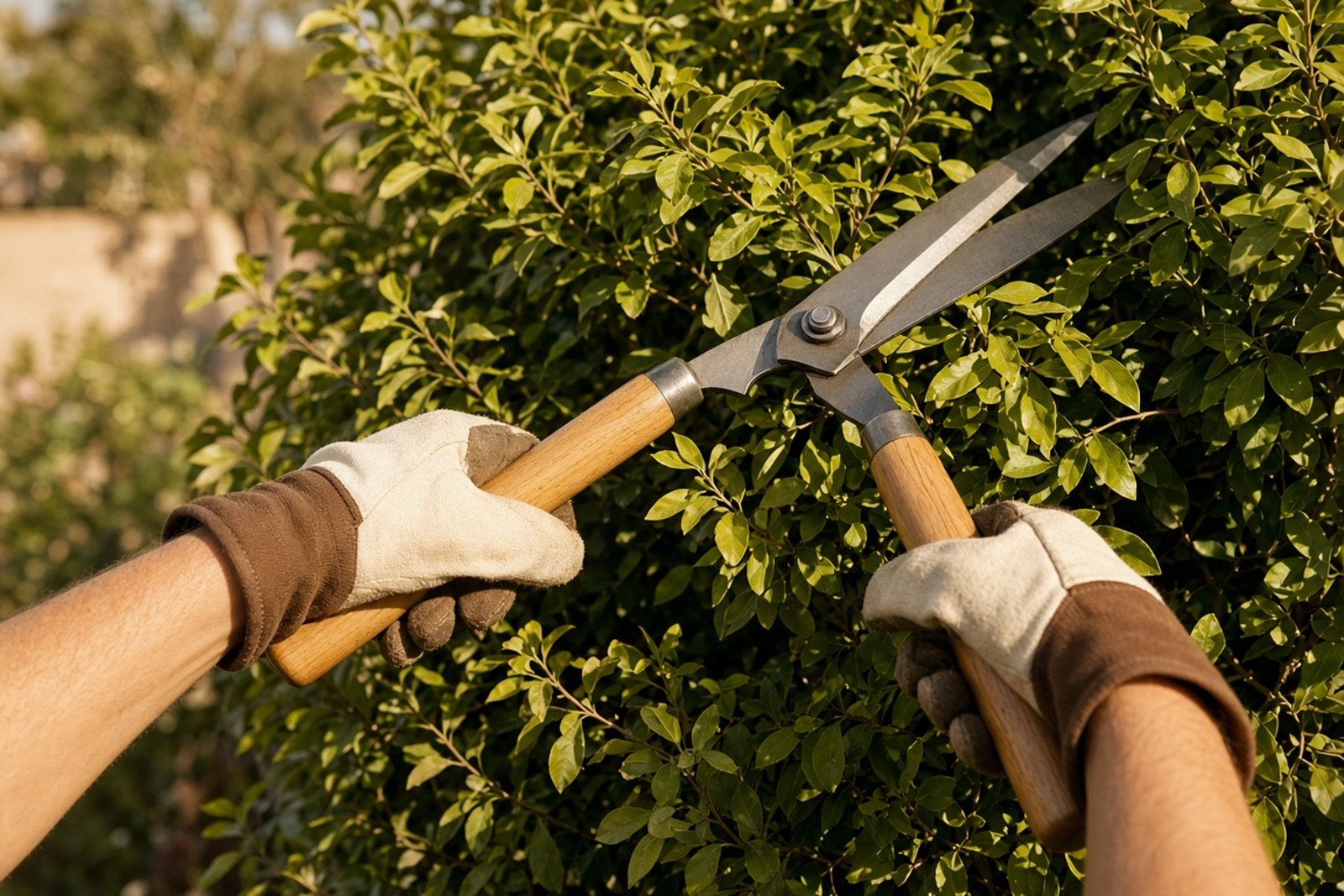
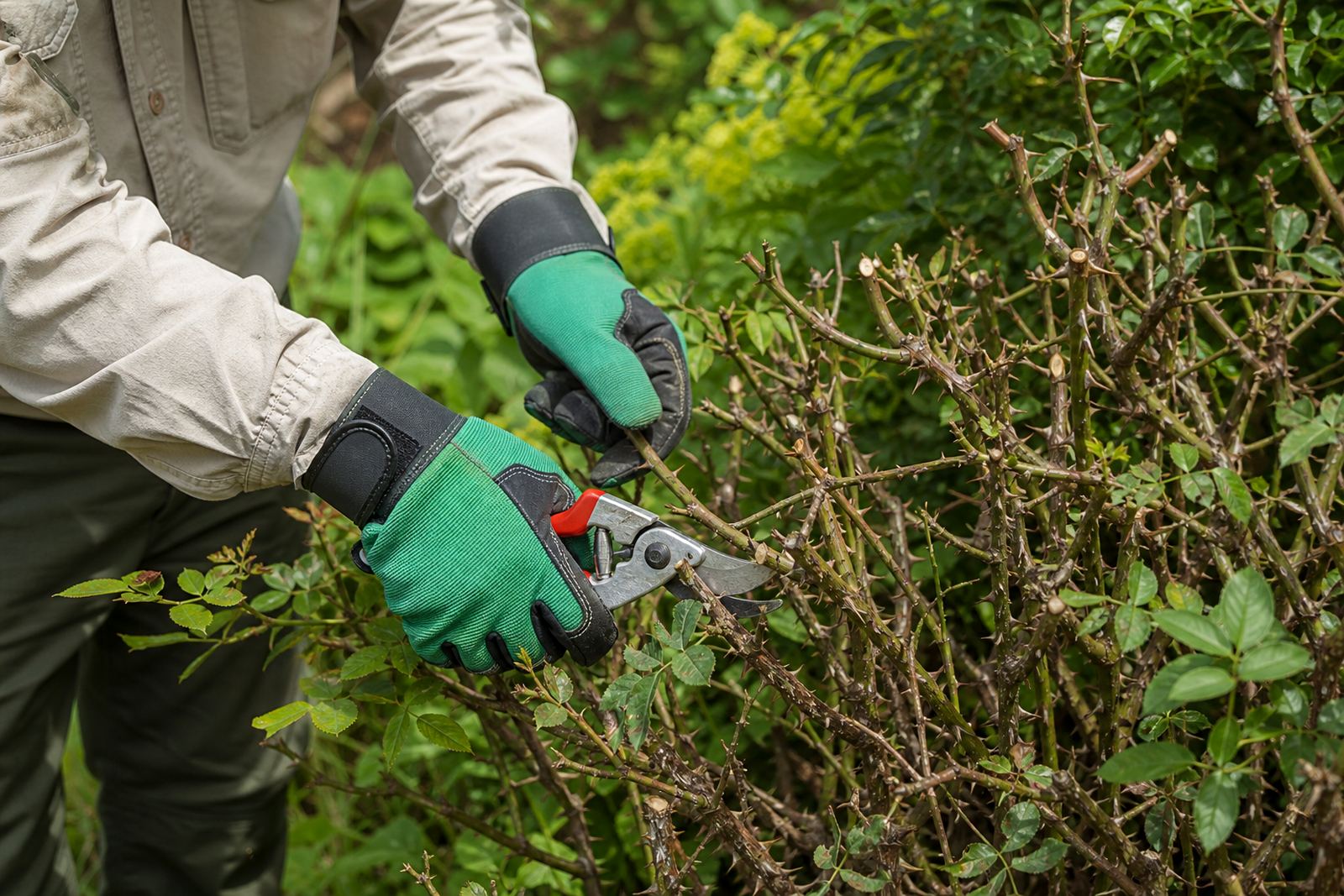
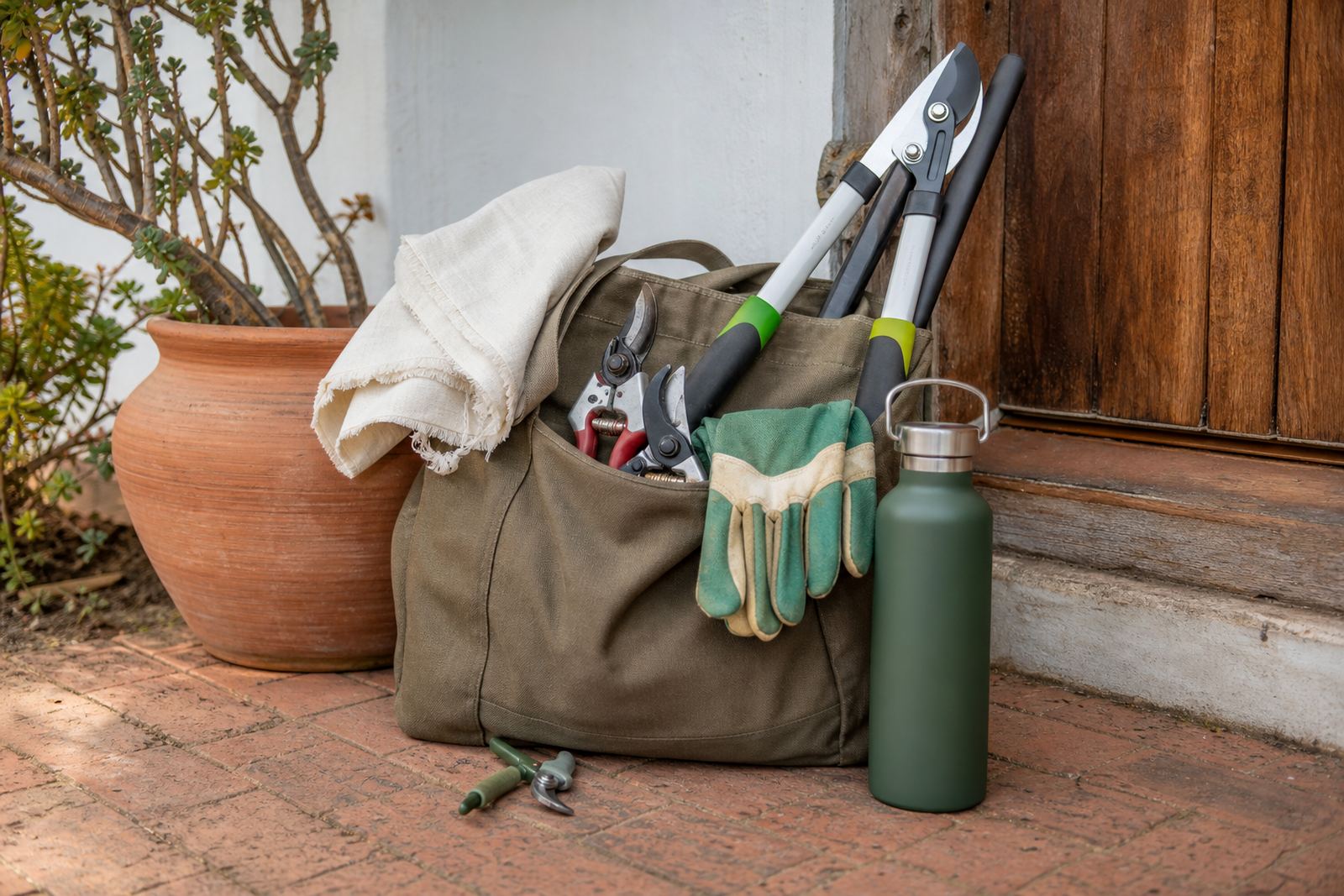
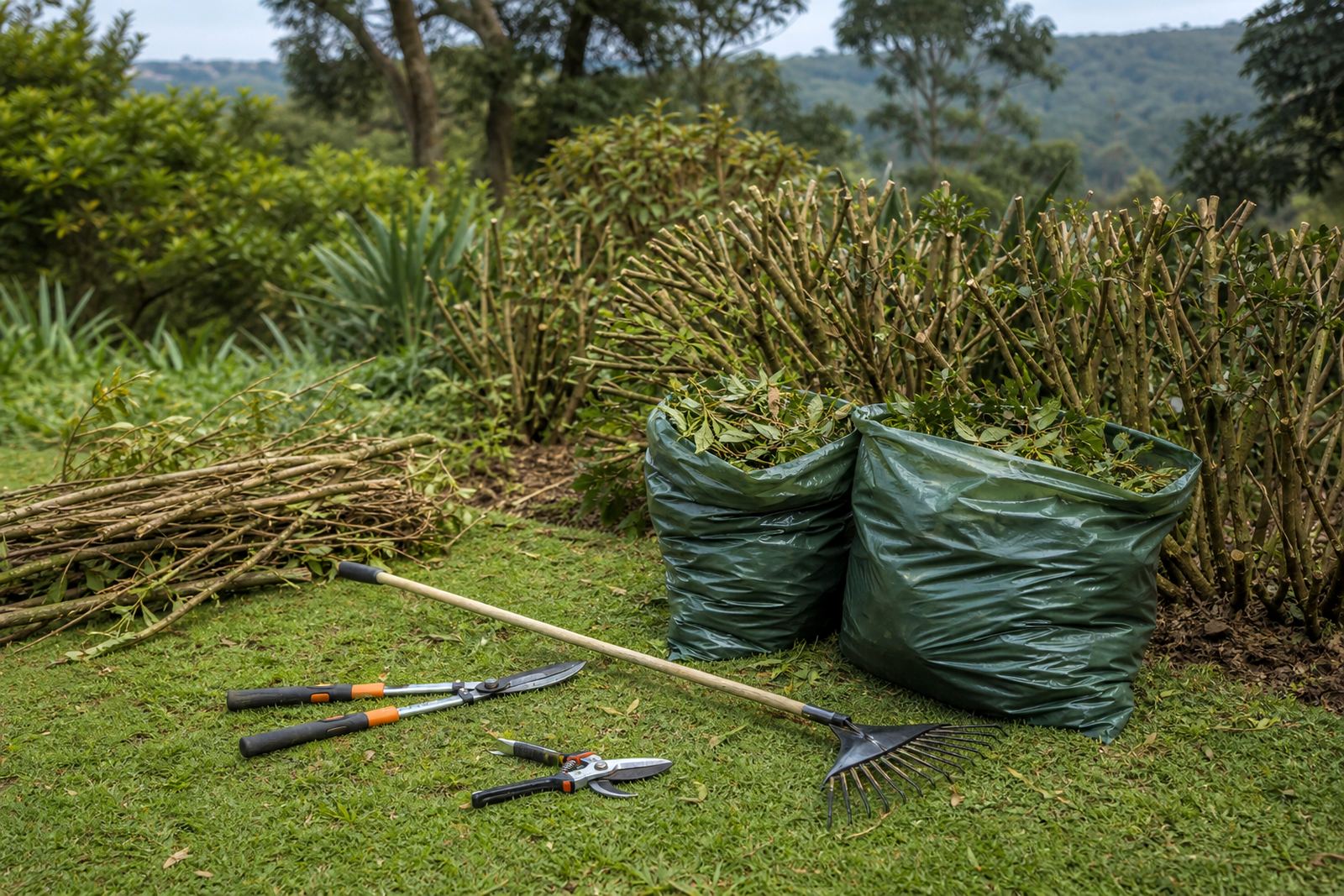
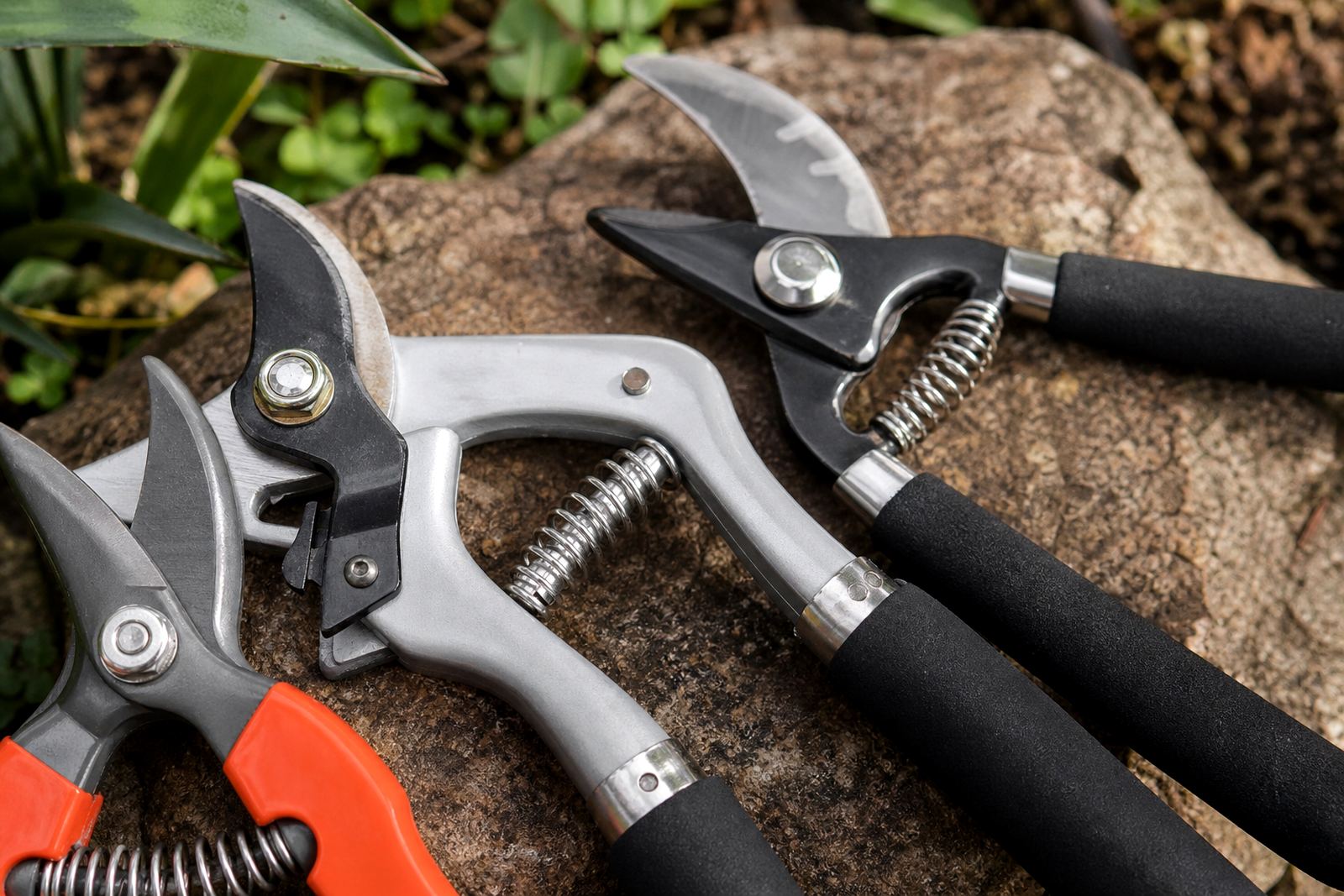
Good pruning starts with the right tool for the stem size. Hand shears suit finer growth, loppers handle thicker branches, and hedge tools are best for shaping long runs of foliage. When you match the tool to the job, you get a neater finish and put less strain on the joints and pivots.
- Use lighter tools for regular garden touch-ups.
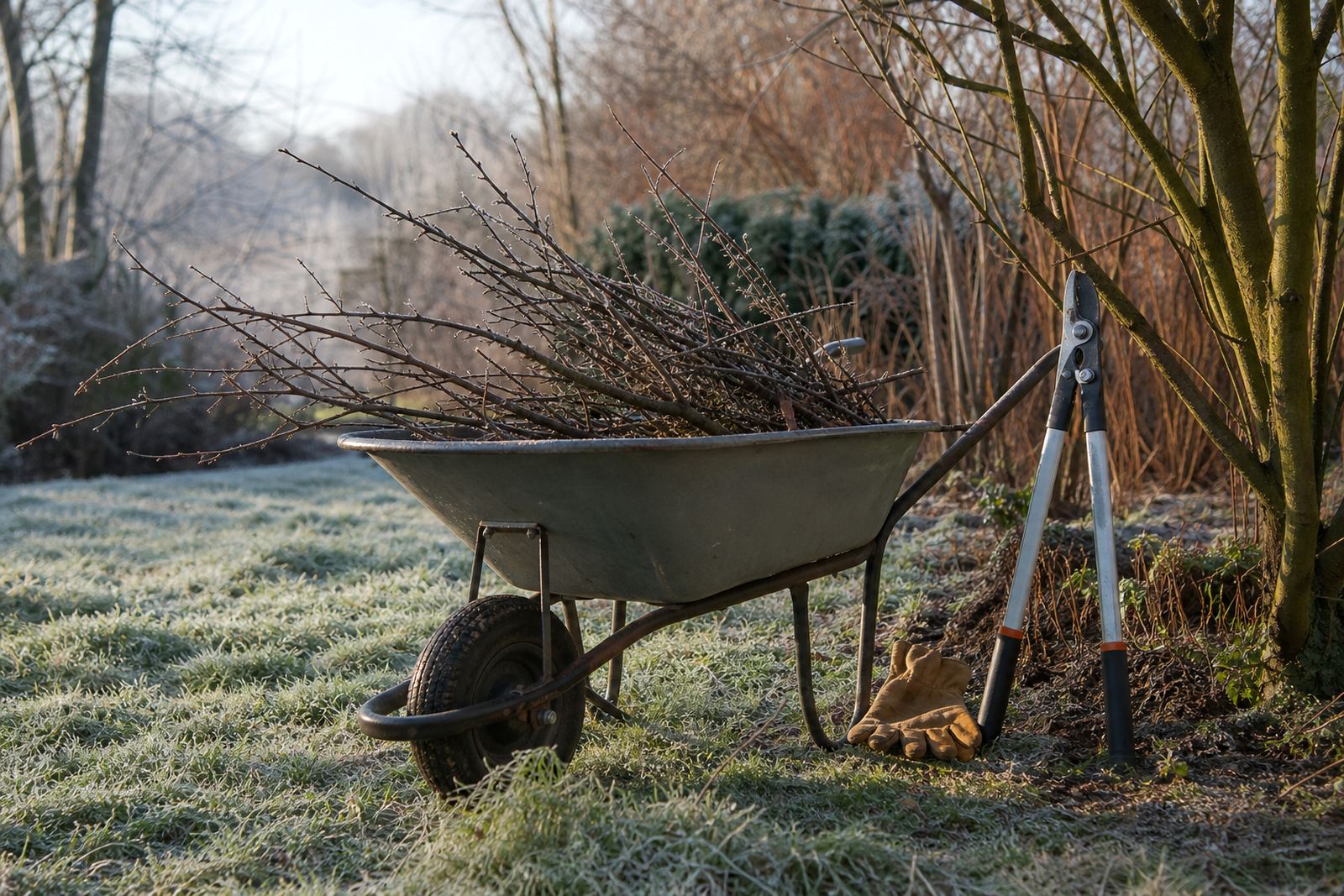
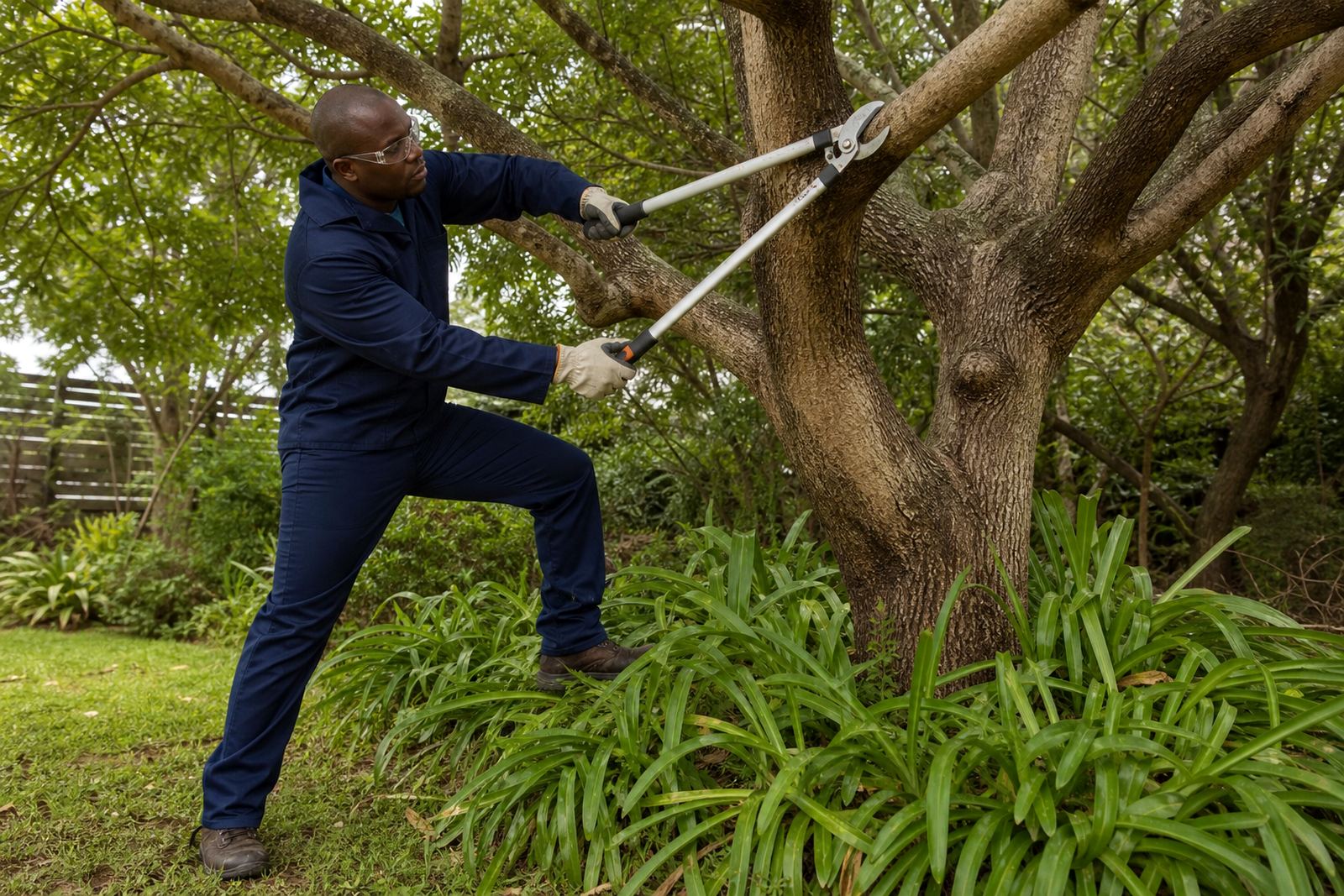
- Move up to loppers when branches become too thick for hand shears.
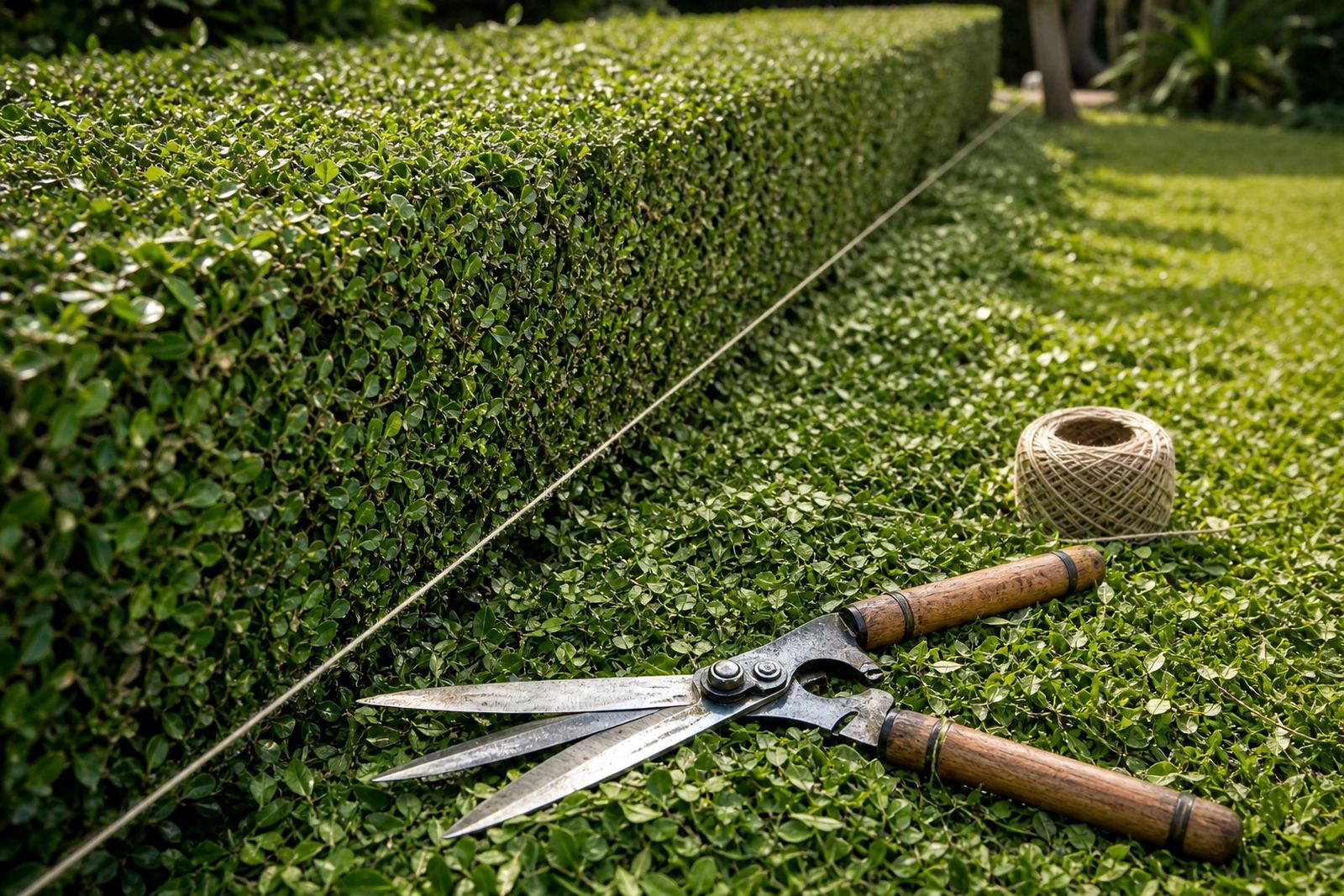
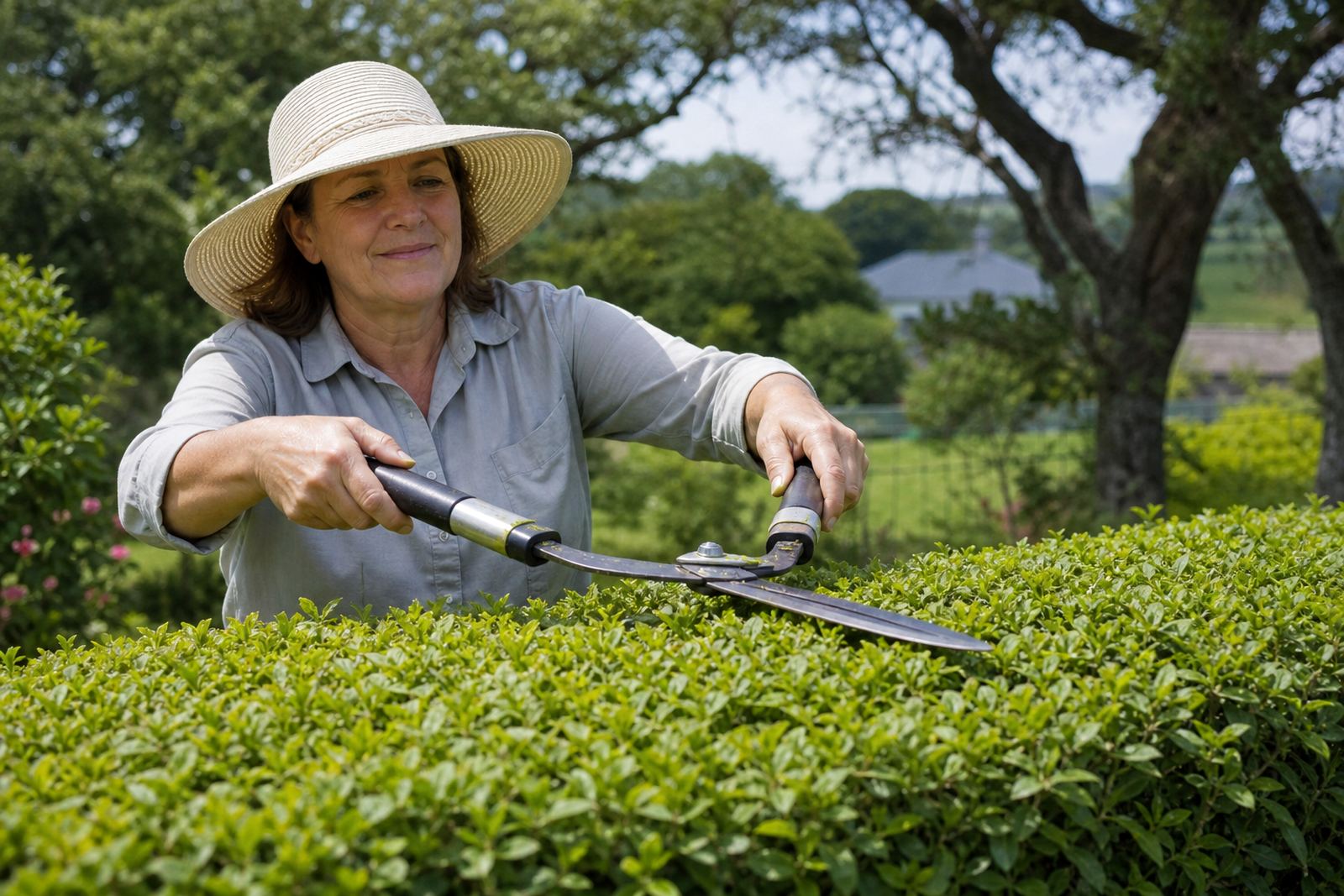
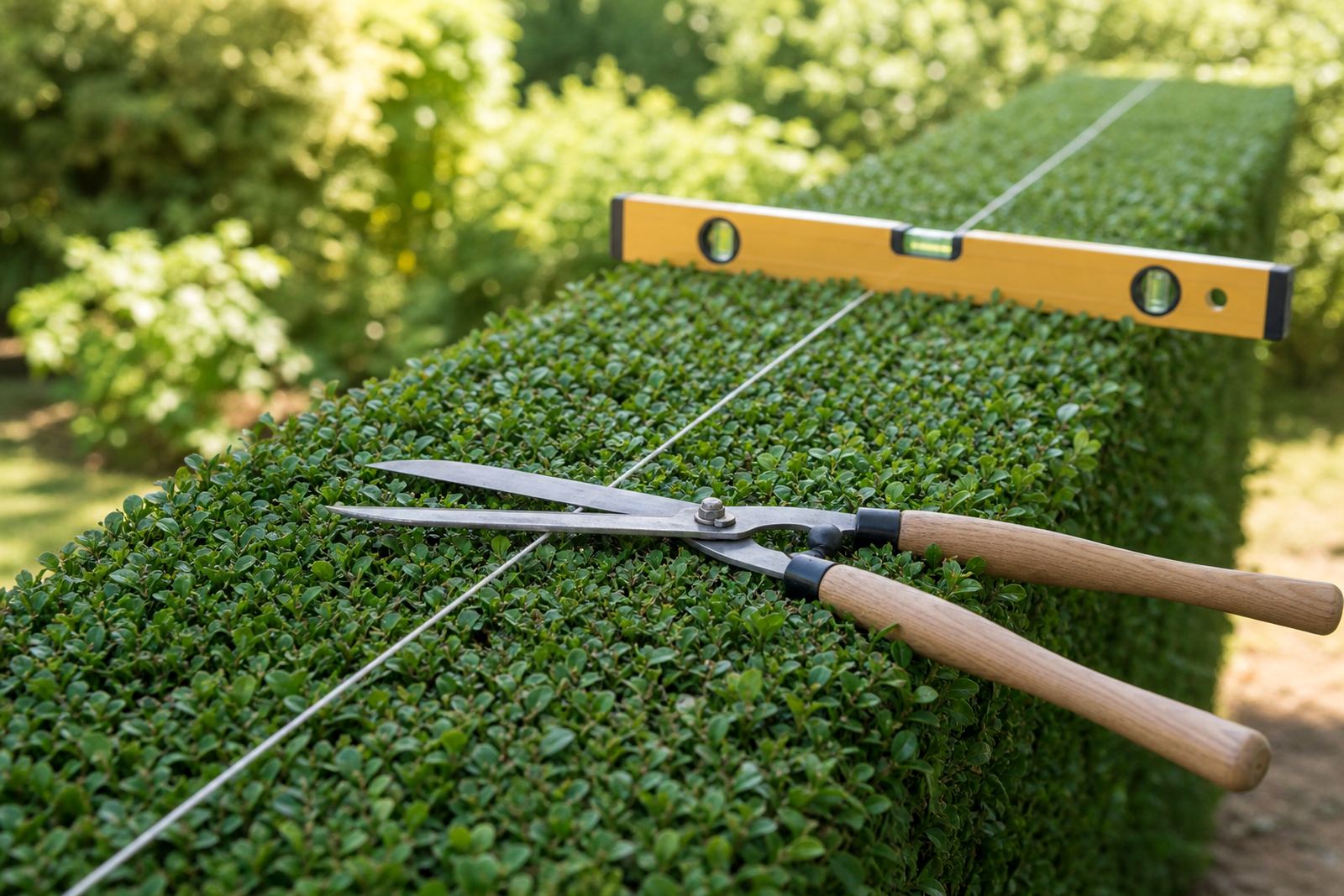
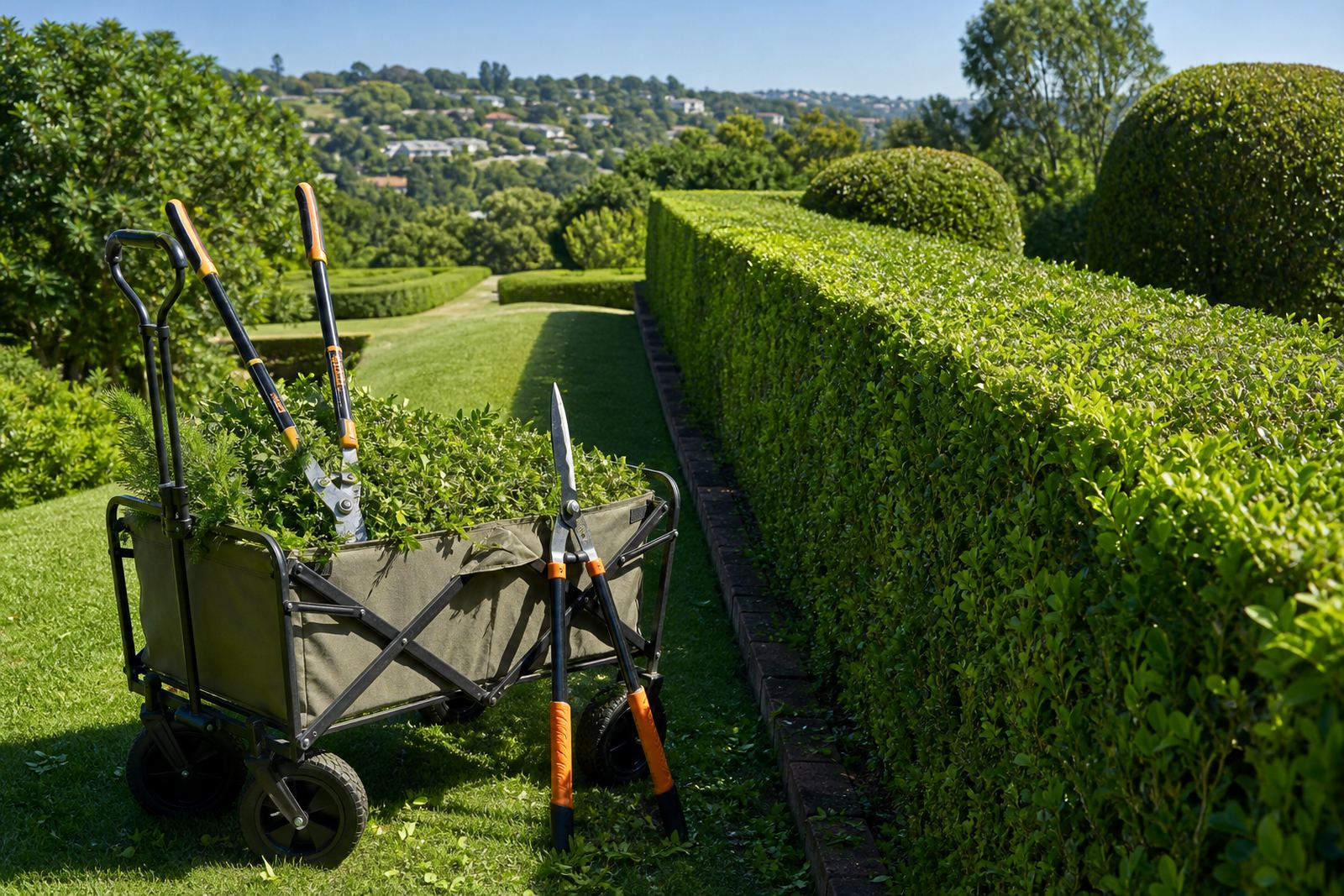
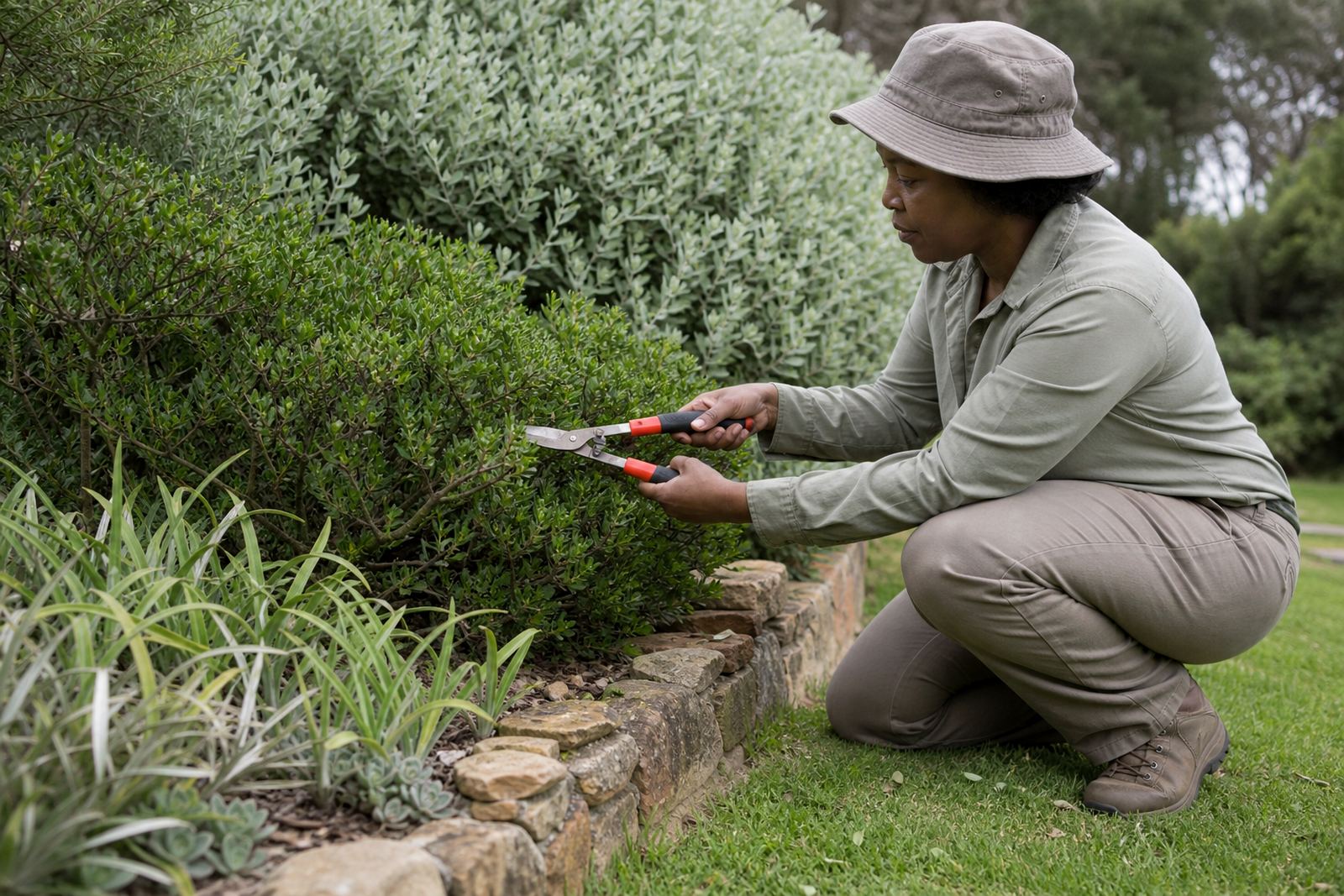
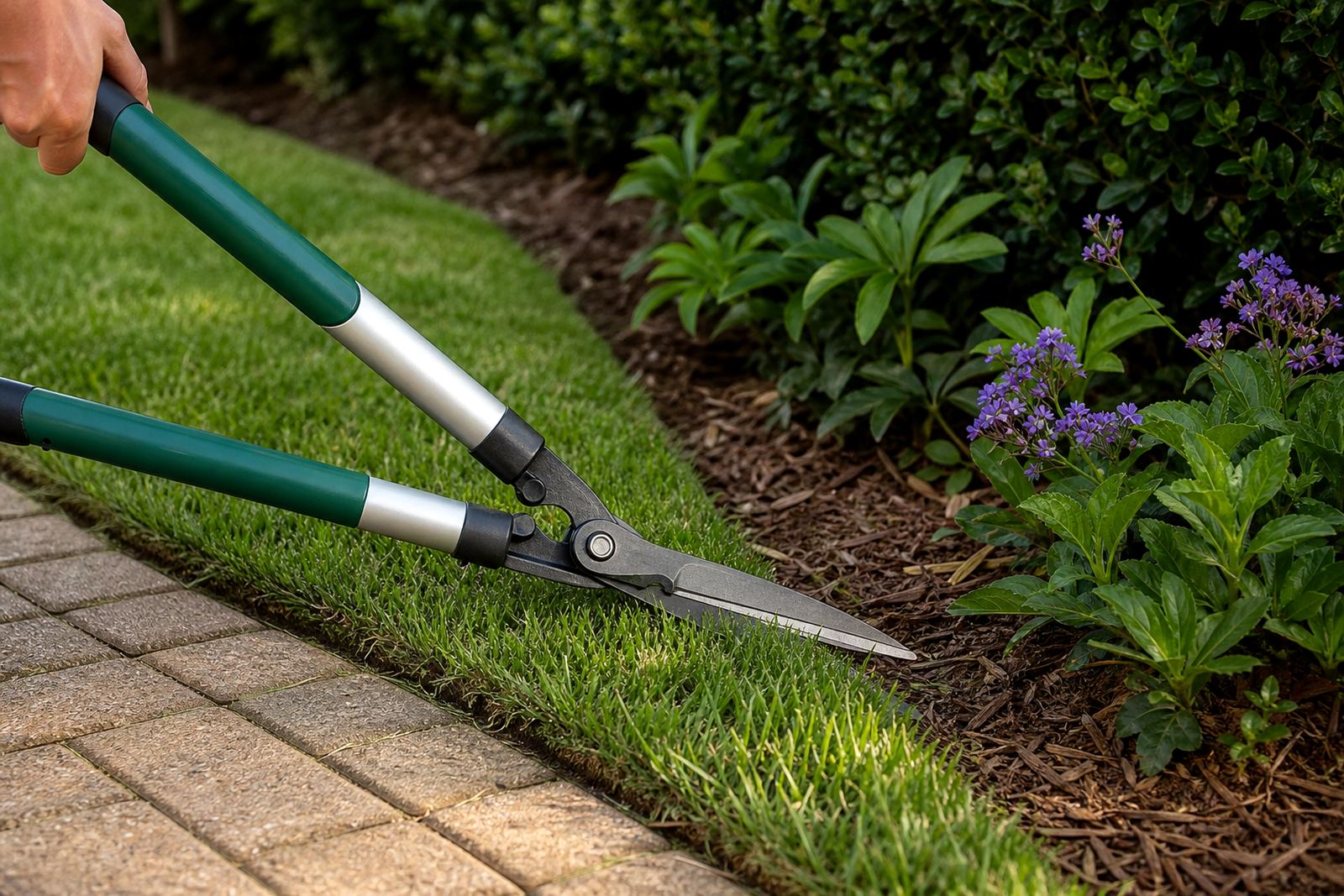
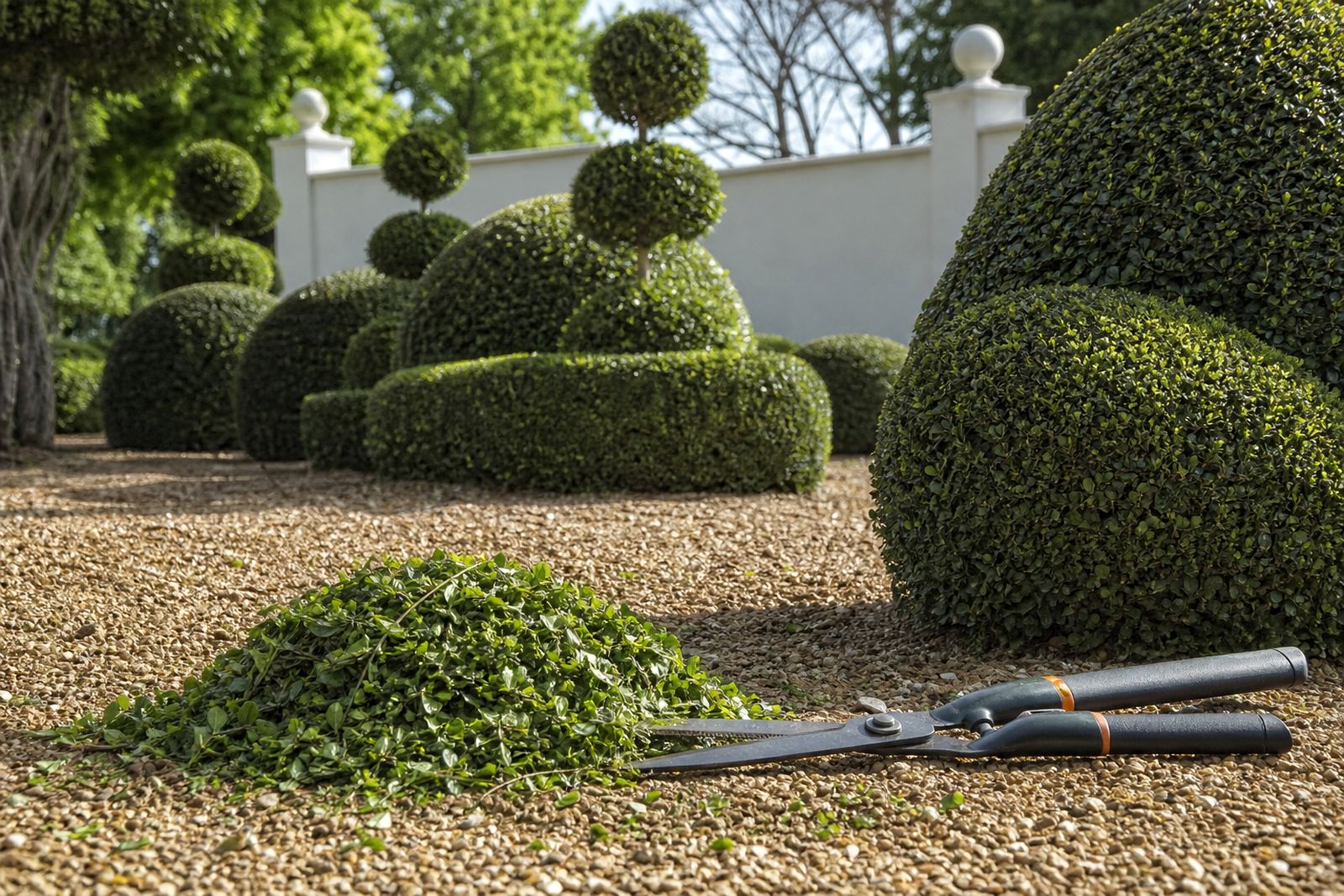
- Keep hedge tools for straight lines, formal hedges and repeated shaping.
Choosing the right tool for the job
Choosing between pruning shears, loppers and hedge tools depends on the plant, the size of the cut, and how much work you need to do in one session. A small suburban garden in Hilton may only need short pruning sessions, while a larger property in Pretoria or Cape Town may need more reach and more frequent trimming.
Comfort matters too. A good grip helps when hands get tired, especially during longer jobs or after a morning of rain. Balanced tools are easier to guide and help keep cuts controlled, which is important when you are working around delicate growth or formal topiary.
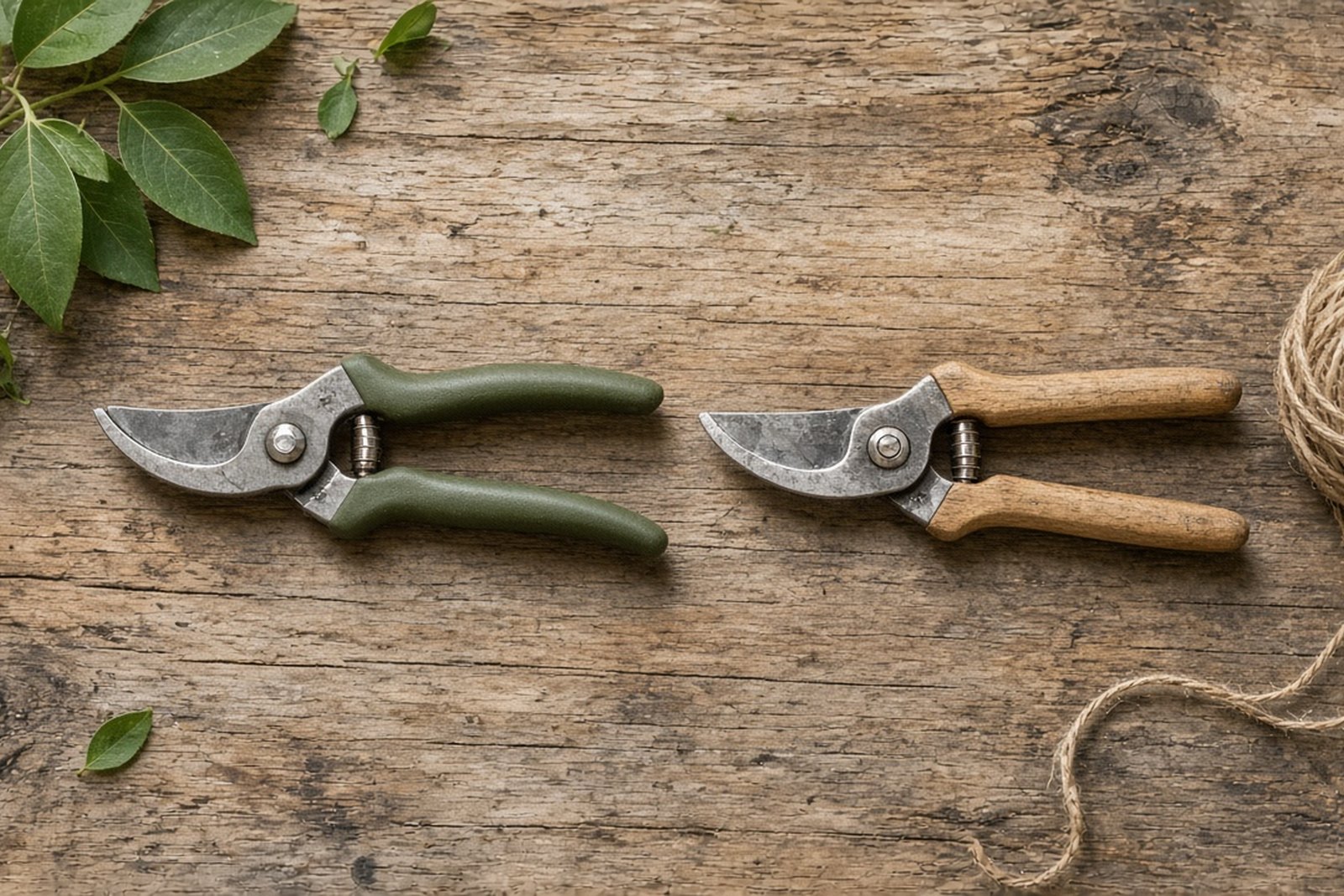
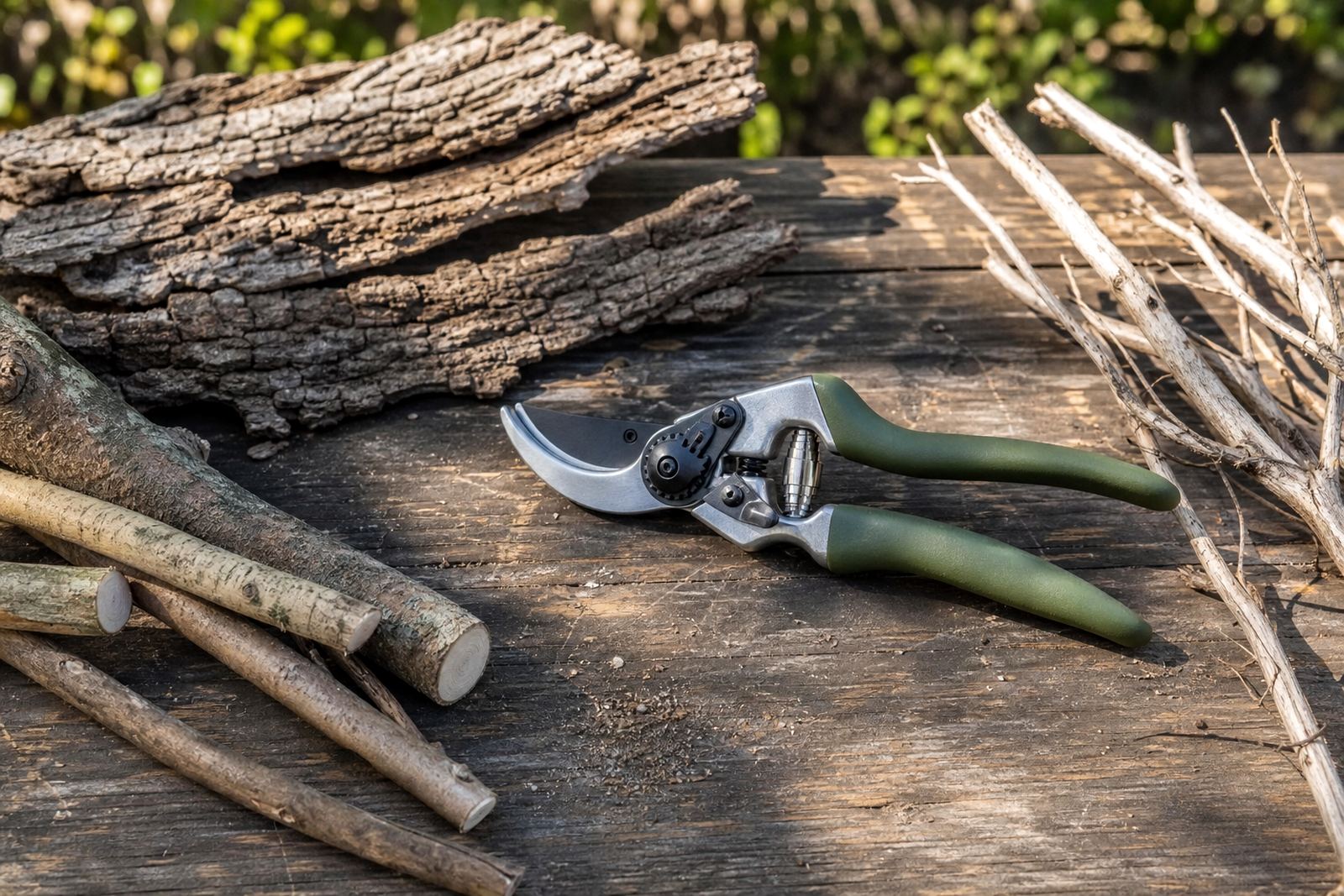
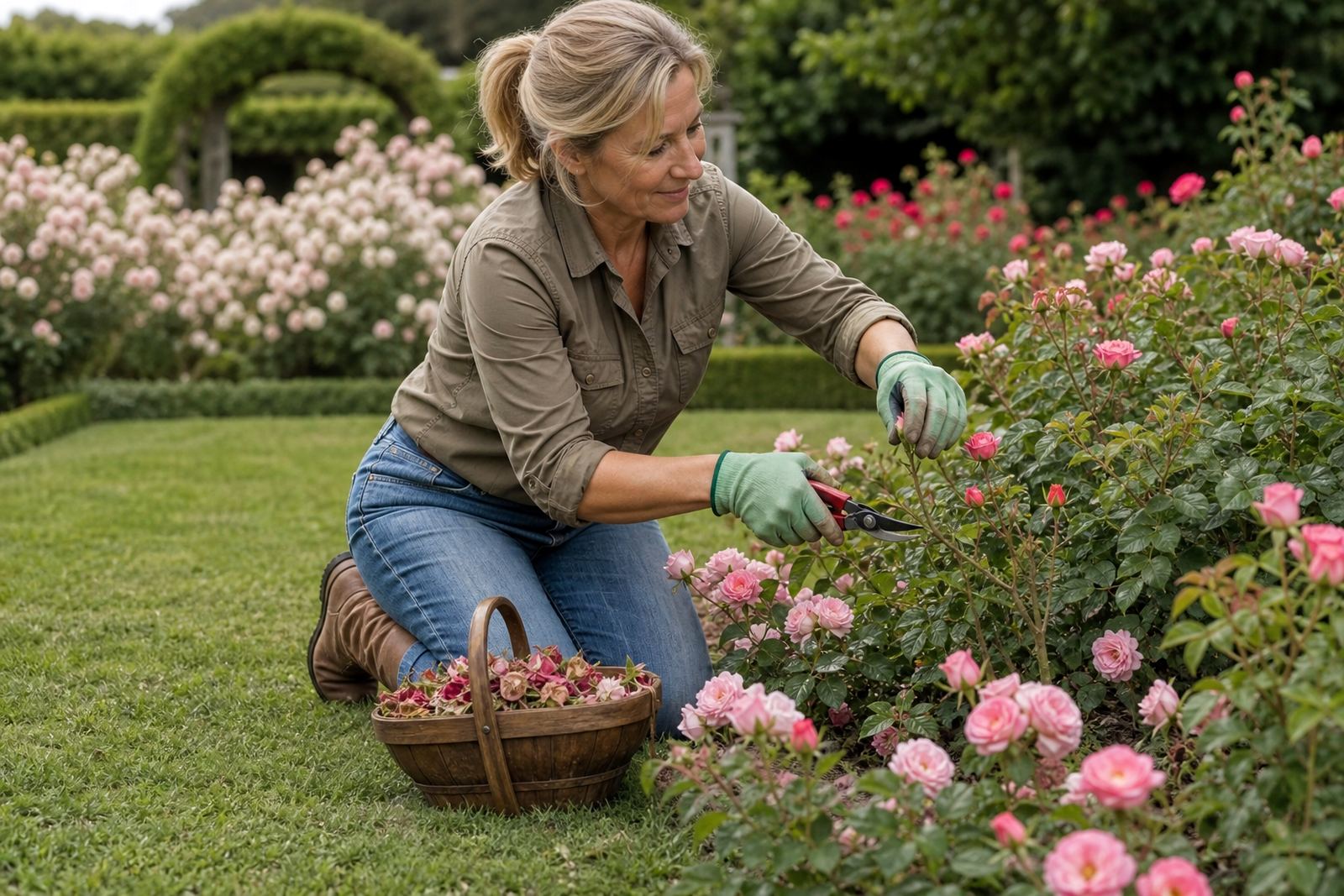
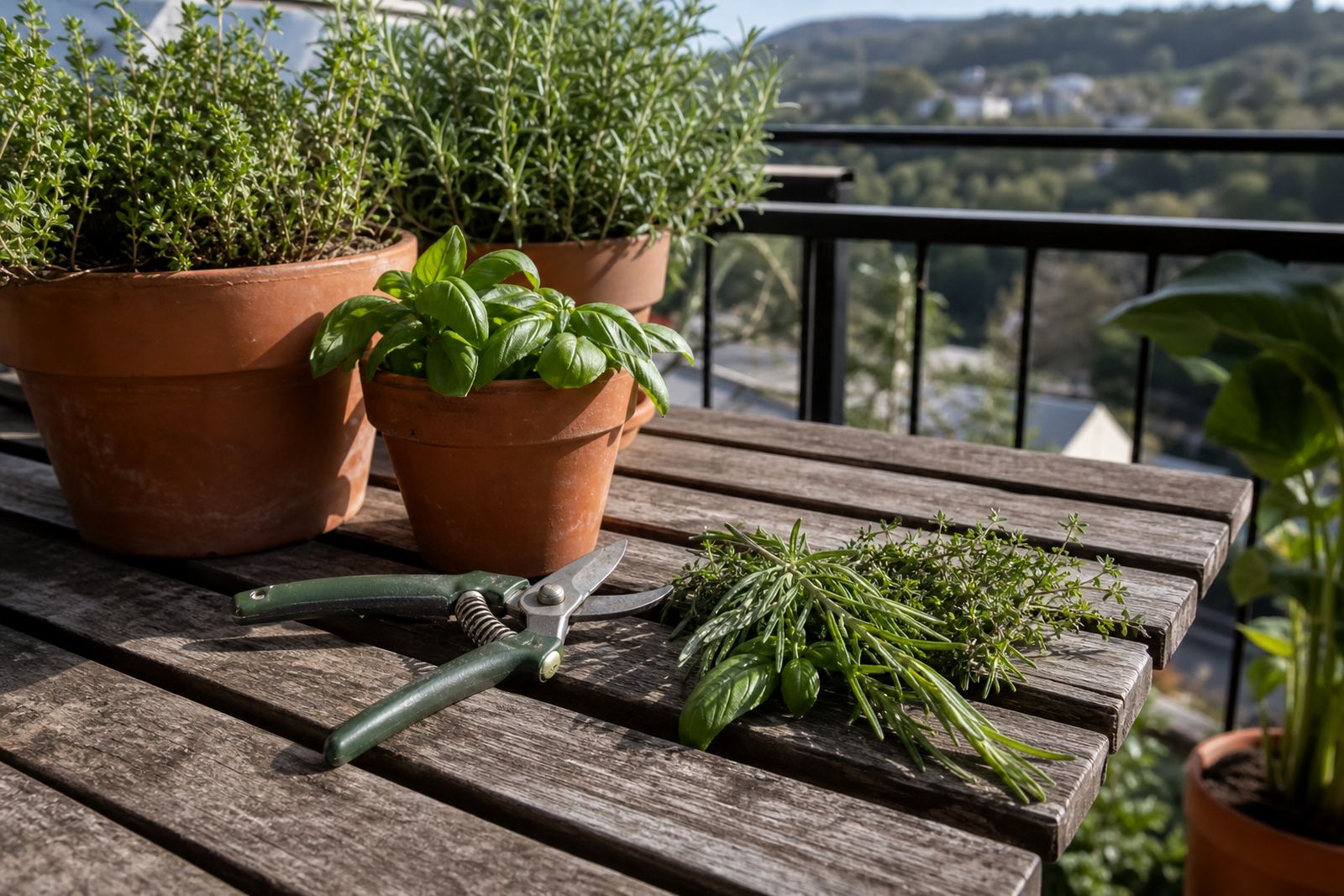
- Pruning shears suit flowers, soft stems and small branches.
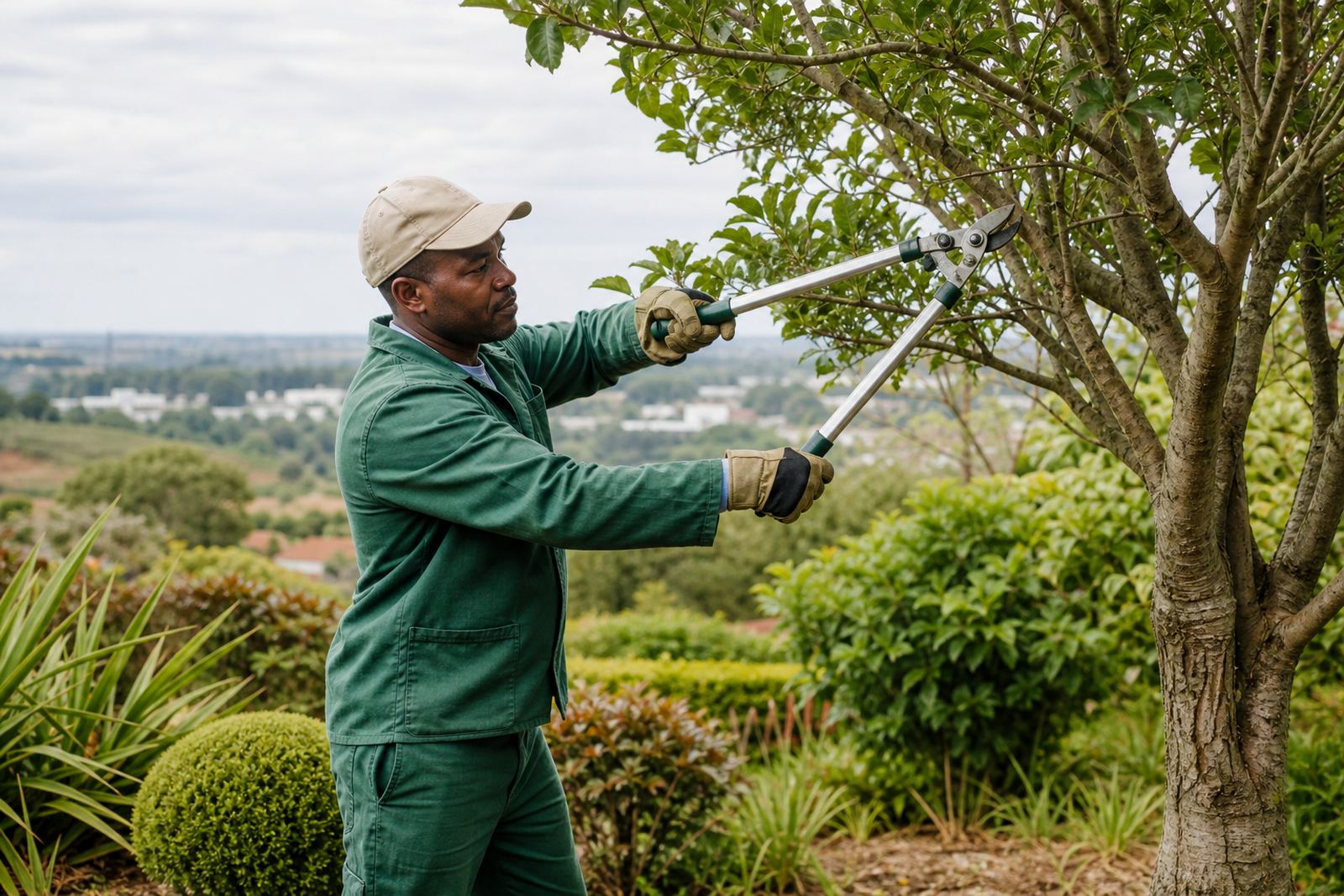
- Loppers give better leverage for thicker woody growth.
- Hedge tools help keep long edges level and tidy.
- Choose a handle shape that feels steady in the hand.
Seasonal care that keeps tools working properly
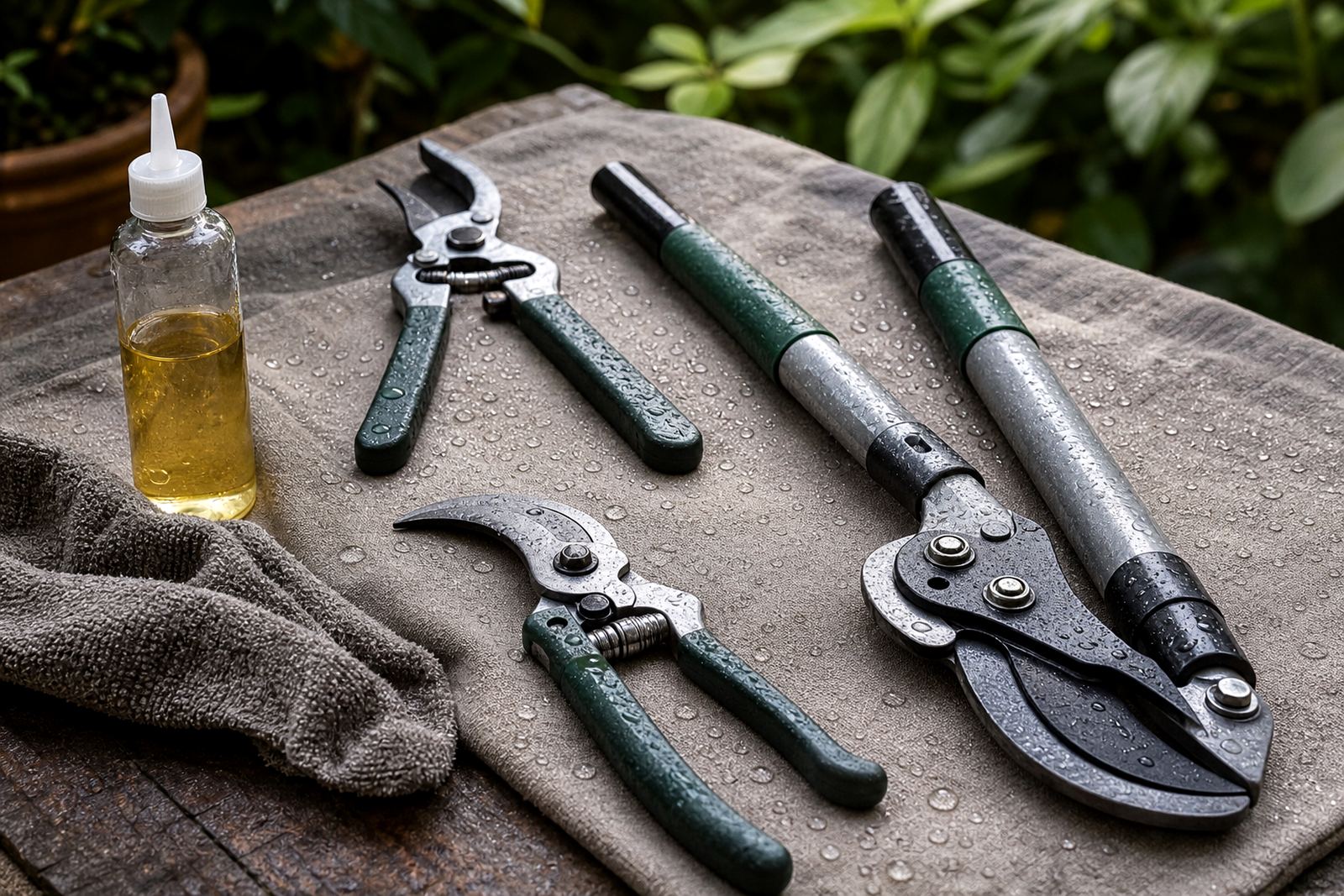
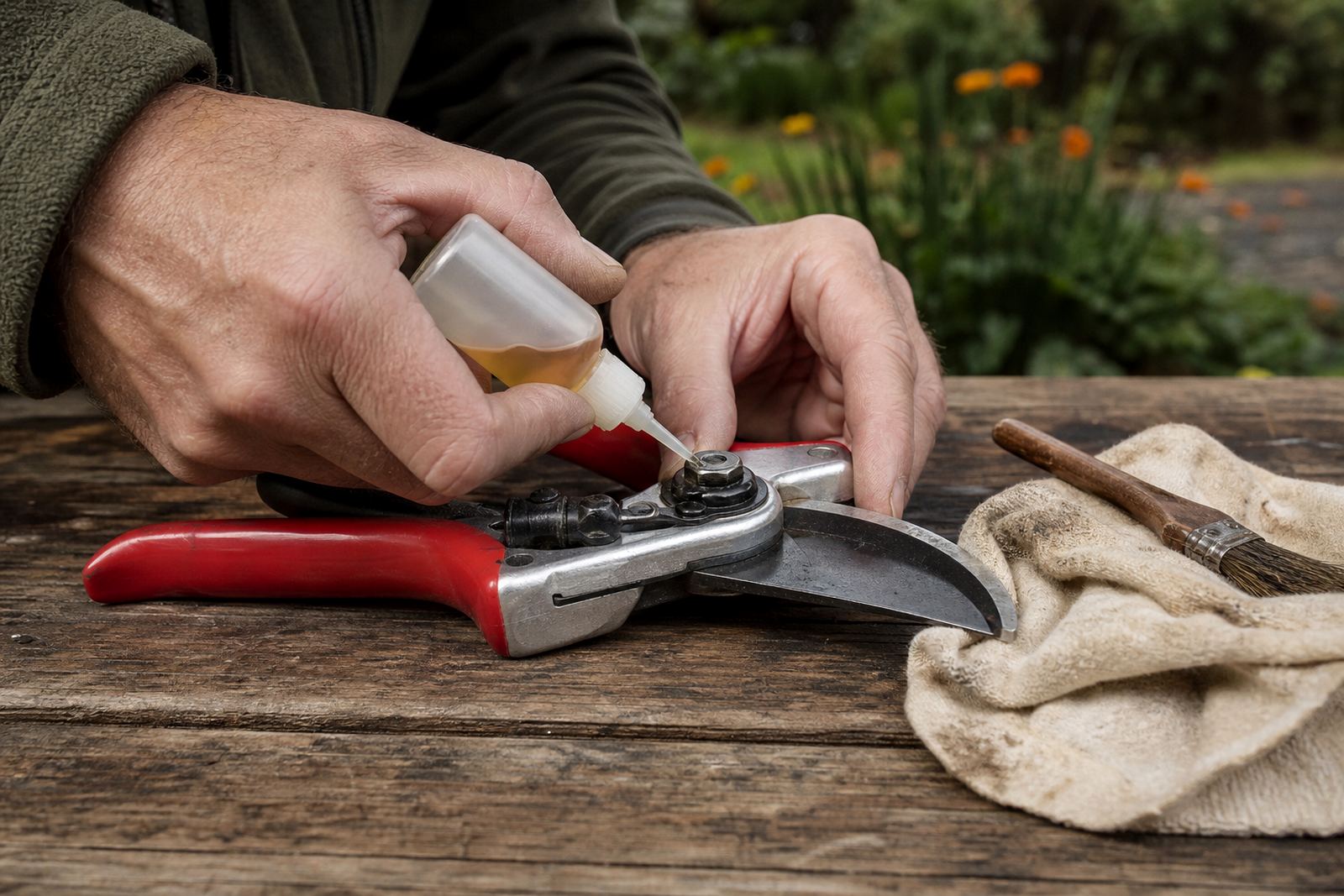
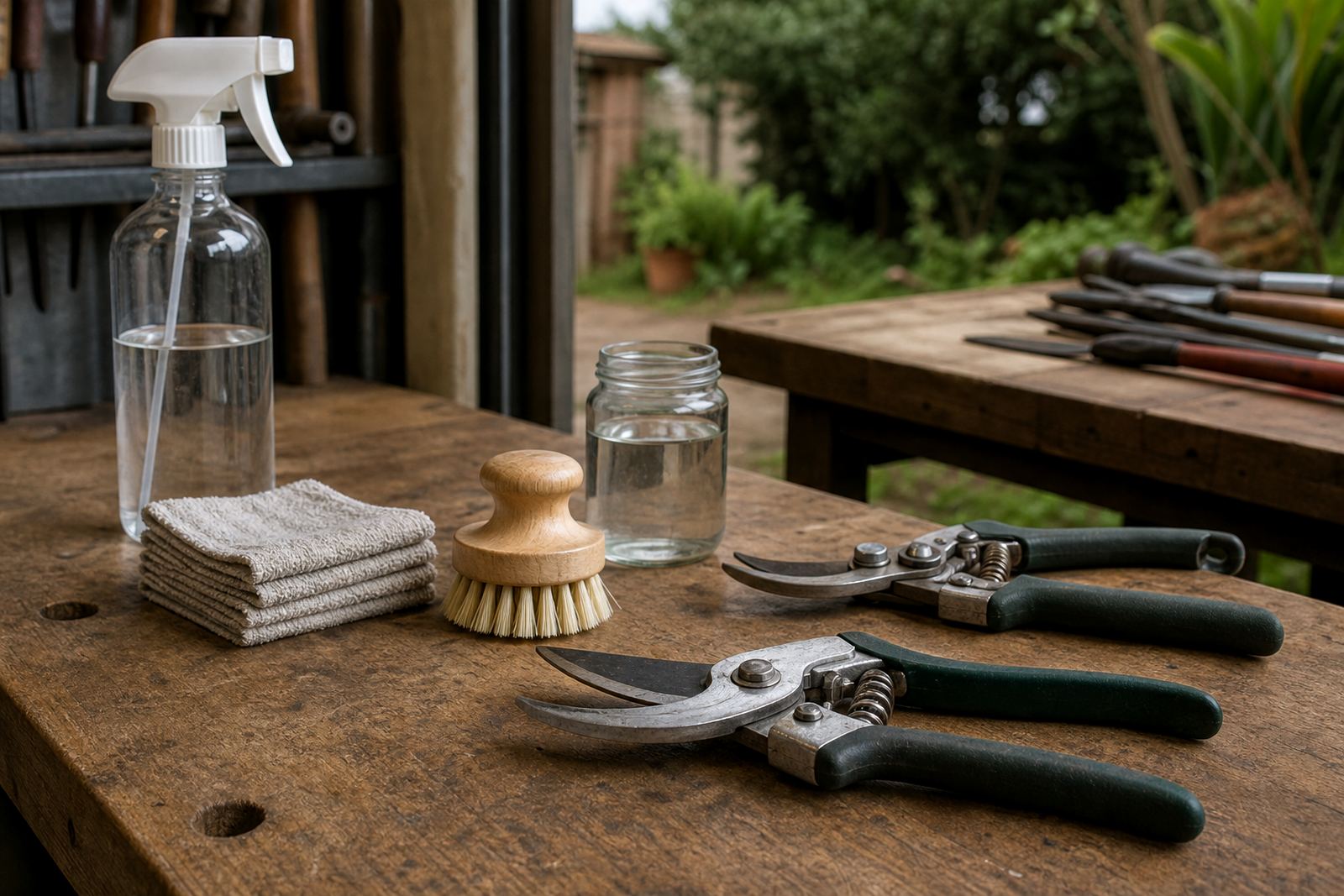
Tool care changes with the weather. Along the coast, humidity can lead to rust faster than many gardeners expect. Inland, dust and dry sap can build up on blades and pivots. Our journal articles look at how to clean, dry and store tools so they stay ready for the next round of pruning.
Simple habits can make a big difference. Wipe blades after use, check for loose fittings, and do not leave steel tools outside overnight. If load-shedding interrupts your routine and you pack away in a hurry, it is worth spending a few minutes later on a proper clean and dry down.
- Remove sap before it hardens.
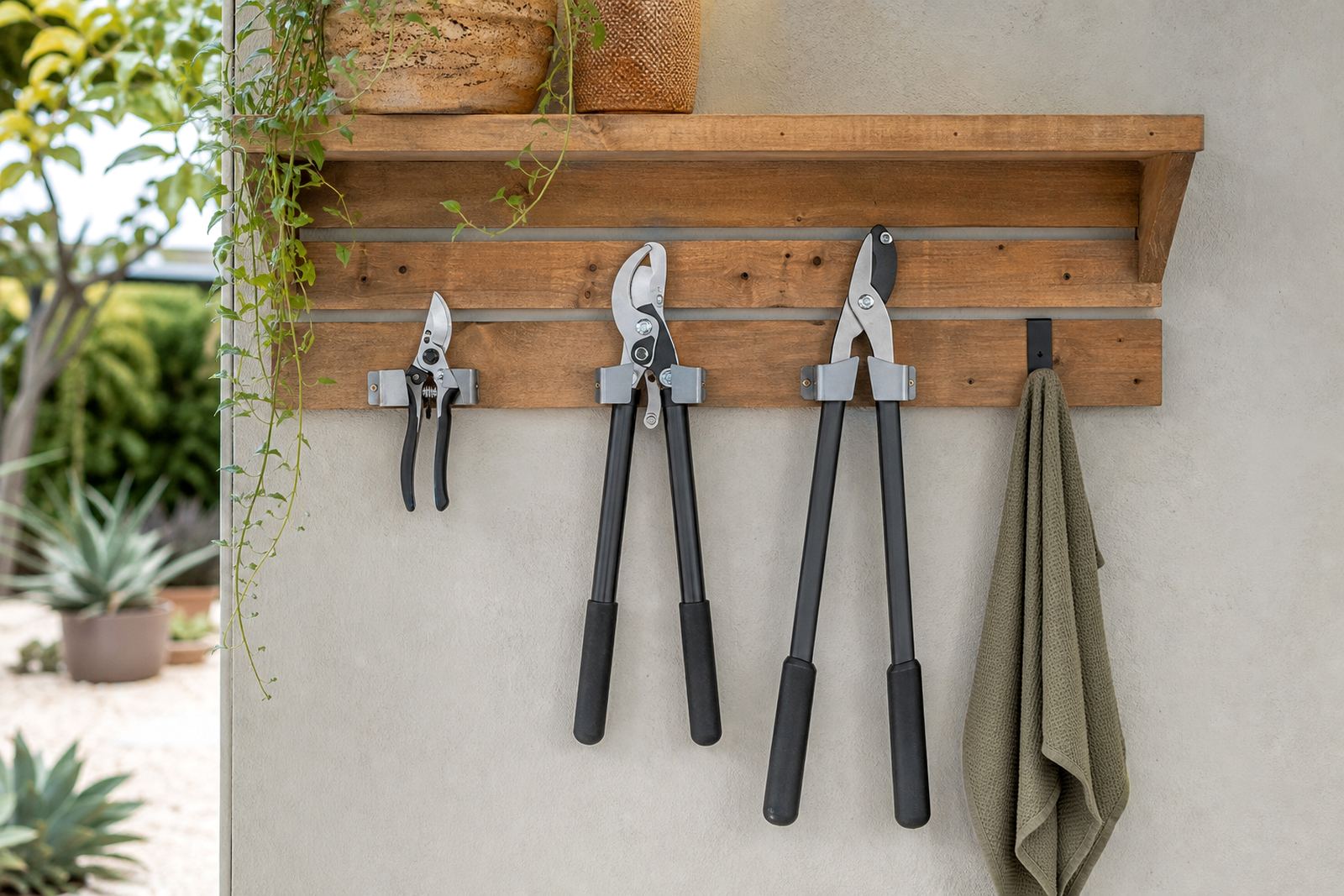
- Dry tools fully before storage.
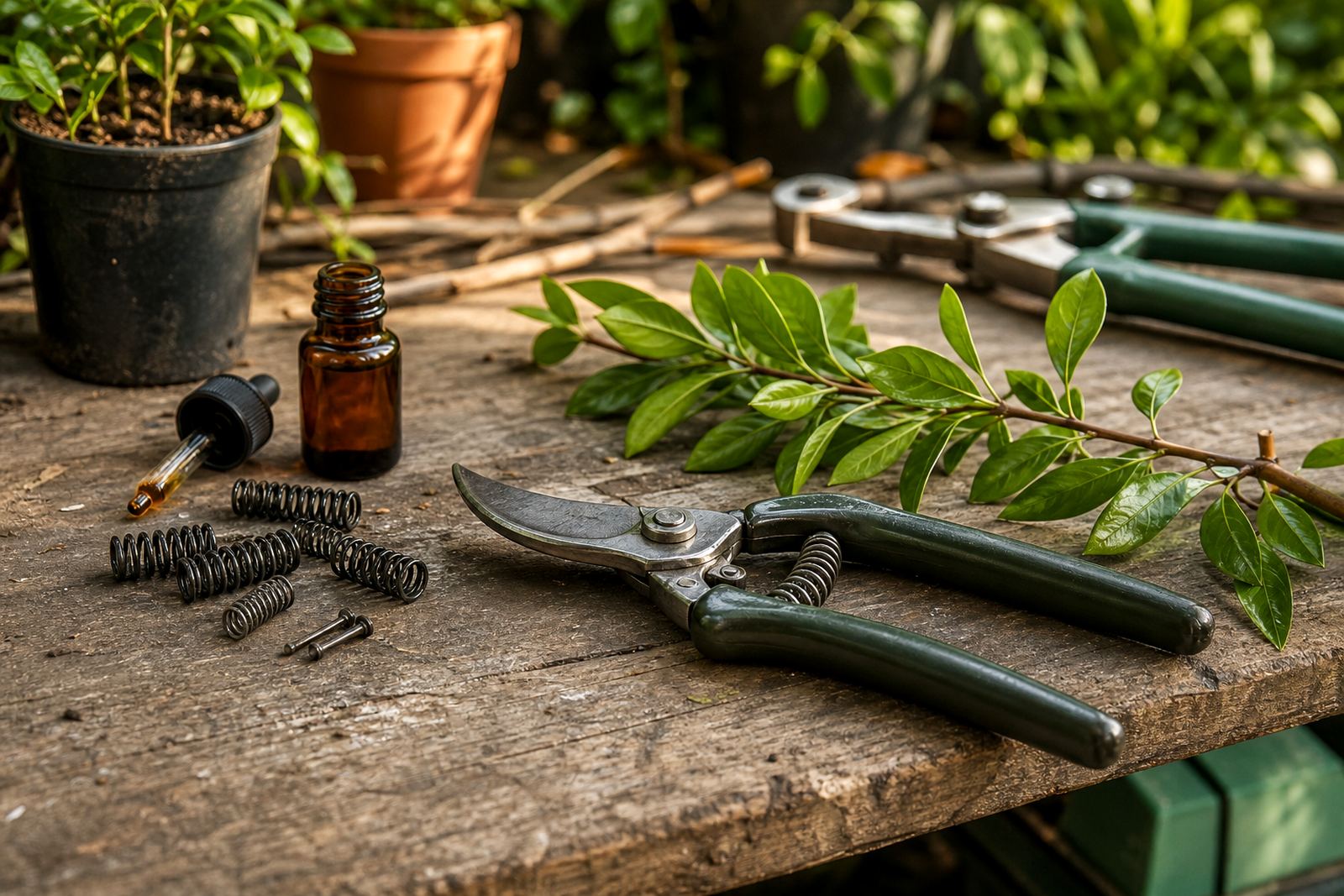
- Check springs and pivots for wear.
- Store tools where air can move around them.
Cutting habits that improve results
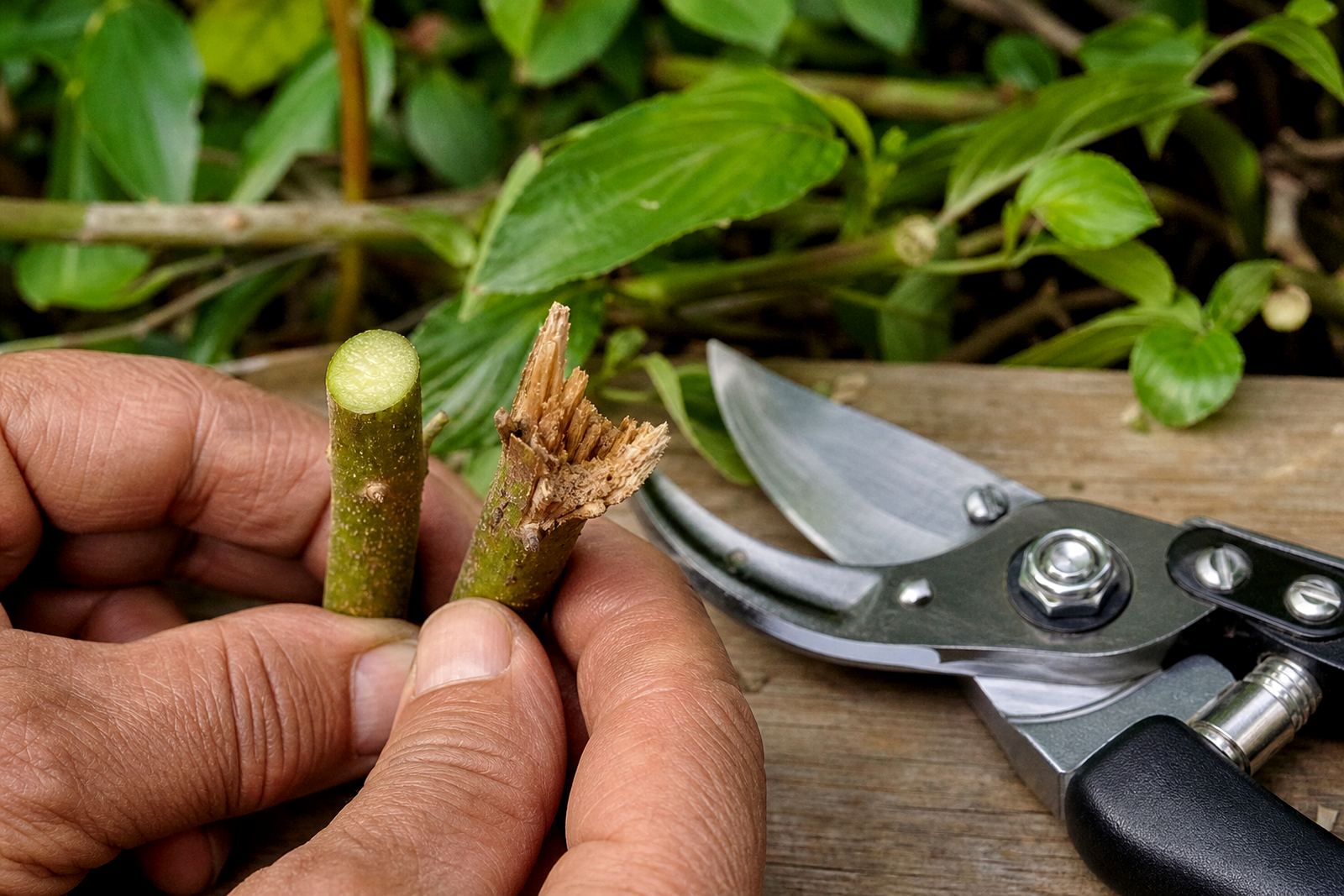
Many pruning problems come from how the cut is made, not only from the tool itself. Dull blades crush stems instead of cutting cleanly, and that can slow recovery. The journal explains better cutting habits for shaping shrubs, thinning growth, and trimming hedges without leaving rough edges.
For landscapers working on repeat rounds across a suburb, consistency matters. Keep cuts even, trim in small sections, and inspect the blade edge often. A clean cut also helps the garden look tidier for longer, which is useful when clients expect regular presentation between visits.
When servicing makes more sense than replacing
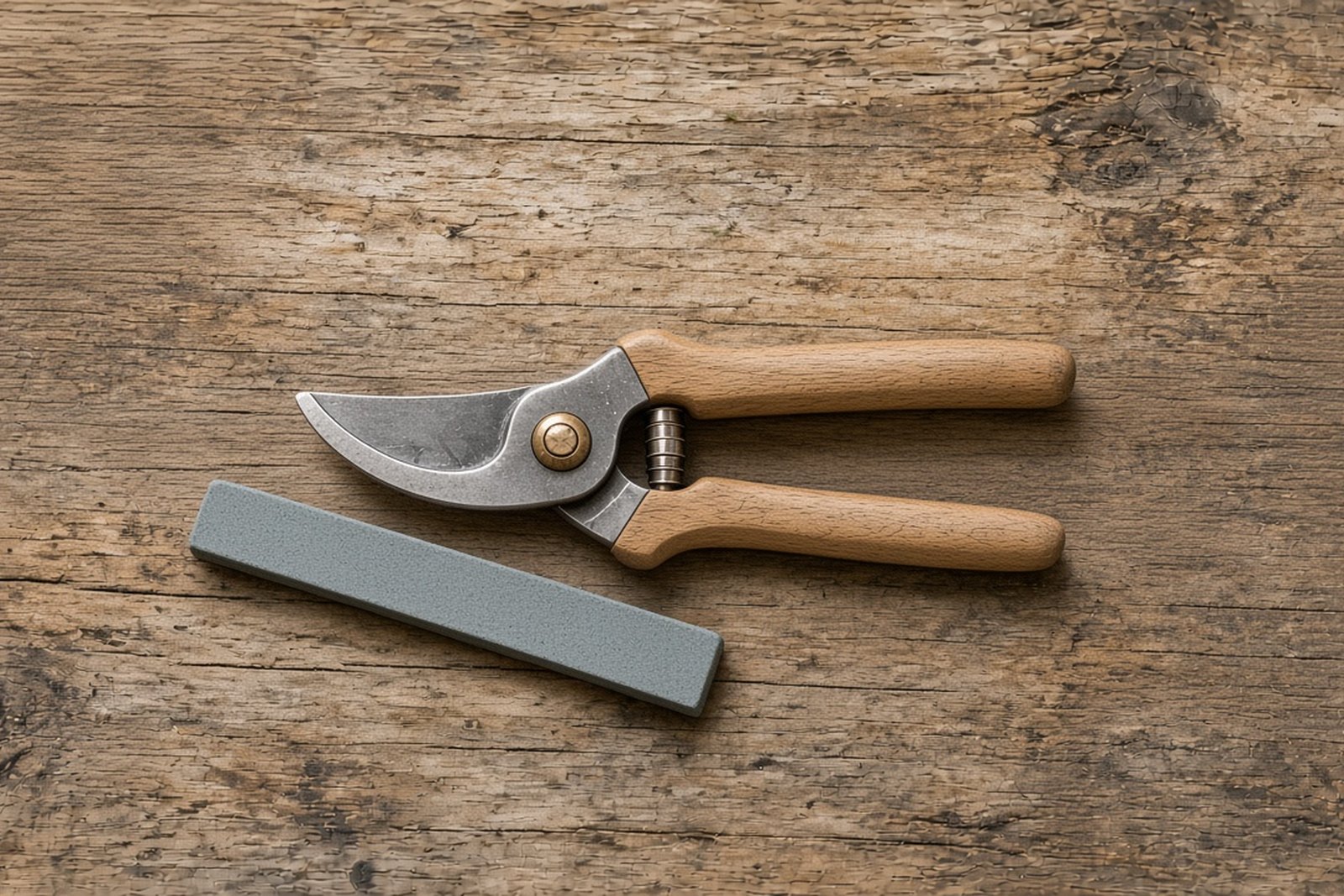
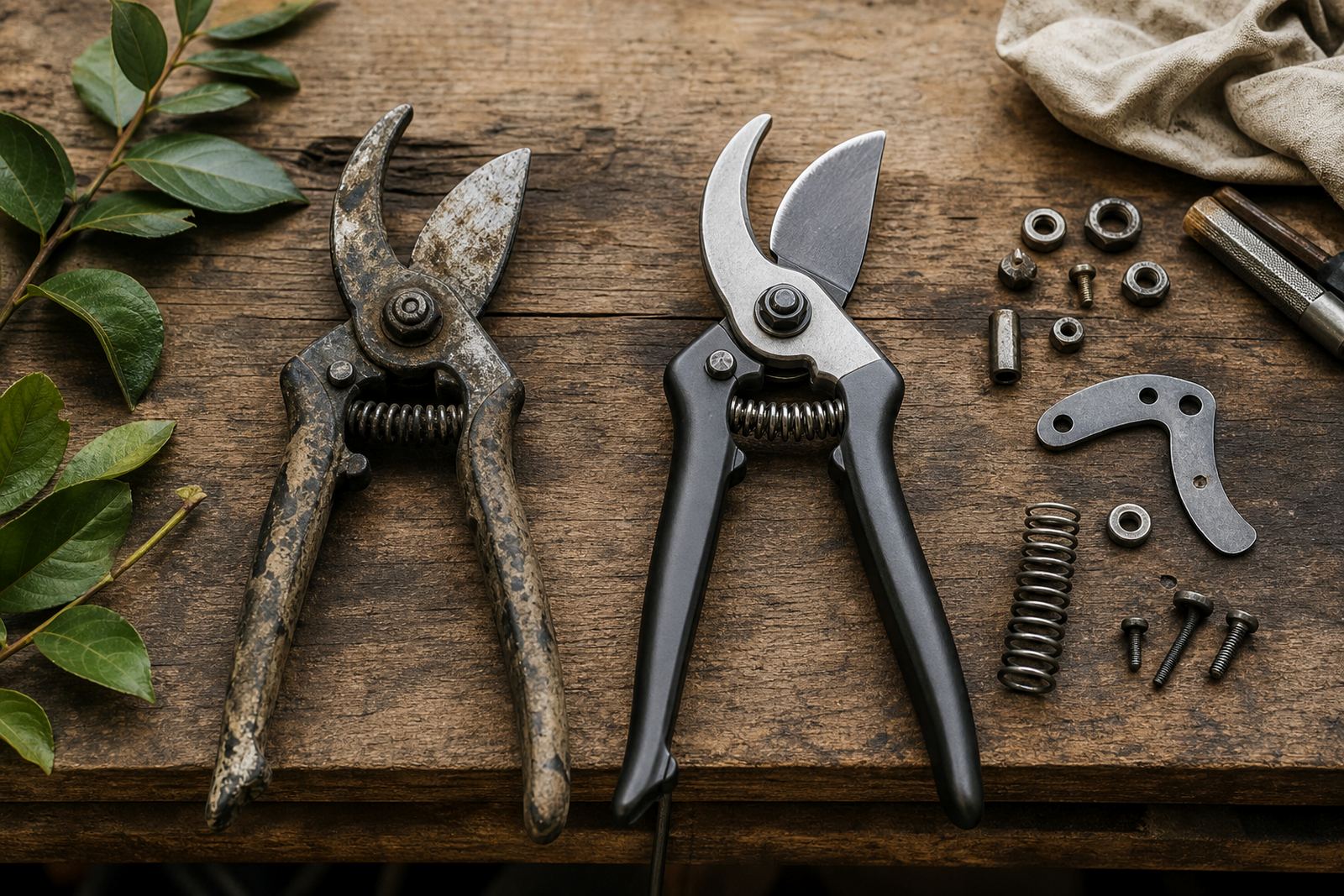
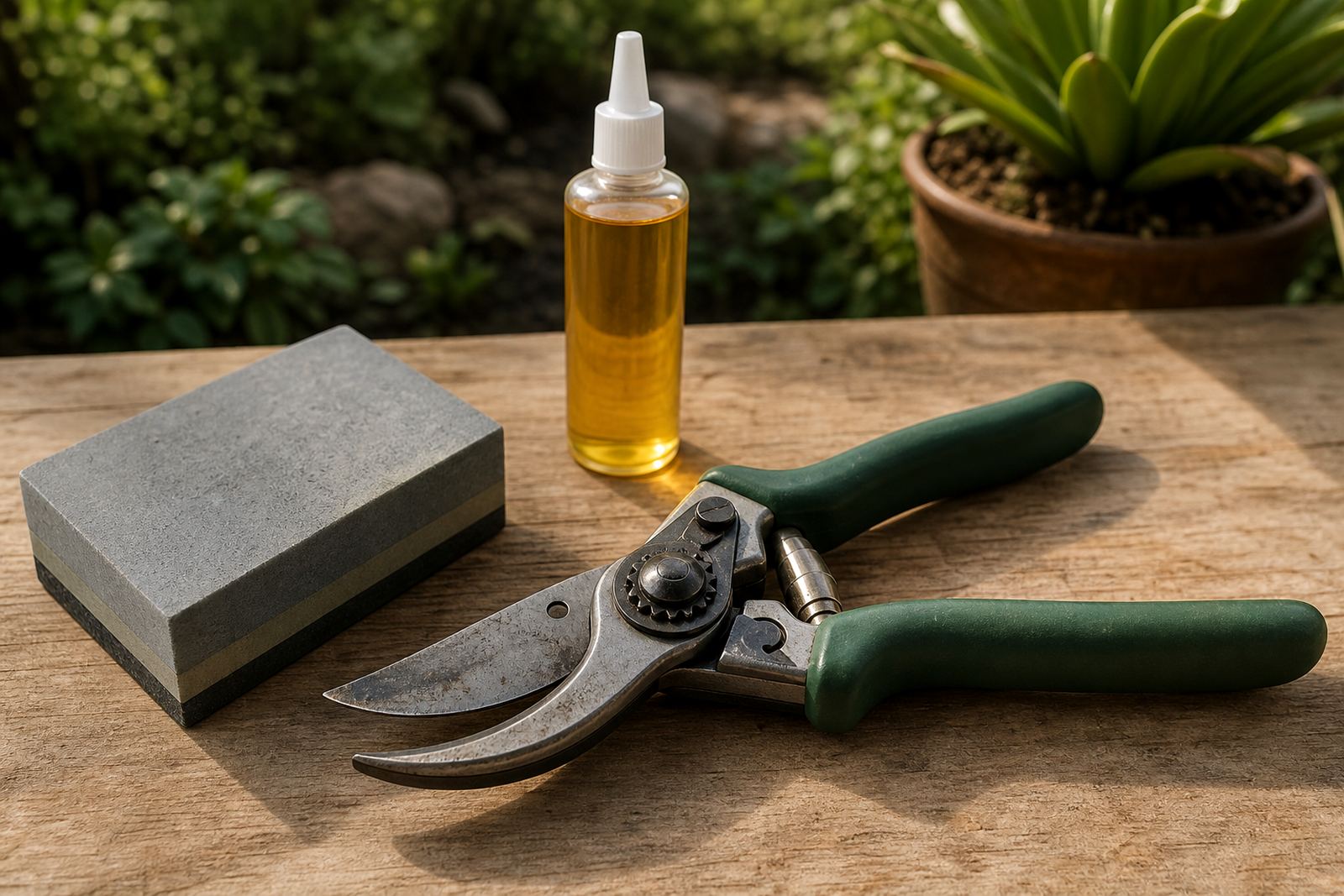
Good tools can last for years if they are sharpened and serviced at the right time. The Garden Journal covers signs that a tool needs attention, such as sticky action, loose pivots, worn grips, or blades that leave ragged ends. In many cases, a service is more practical than buying a new item straight away.
Our service articles also look at the jobs that keep tools working properly across a full season of use, from simple sharpening to part replacement and cleaning after heavy work. This helps home gardeners and landscape teams plan ahead instead of waiting until a tool fails in the middle of the job.
- Blade Sharpening
- Spring Replacement
- Grip Replacement
- Pivot Adjustment
- Rust Removal
- Deep Cleaning
Garden planning ideas for better pruning schedules
Pruning goes better when it is planned around the garden rather than done only when things look overgrown. The journal includes seasonal notes, hedge maintenance ideas, and planning tips for keeping busy periods manageable across different parts of South Africa. That is useful for property owners and crews working from Mkondeni to Durban, Johannesburg, Pretoria and Gqeberha.
Use the articles to work out what needs attention first, what can wait, and how often each area should be checked. A little planning saves time, reduces wear on the tools, and makes it easier to keep the whole garden looking cared for.