Start by Reading the Plant, Not Just the Calendar
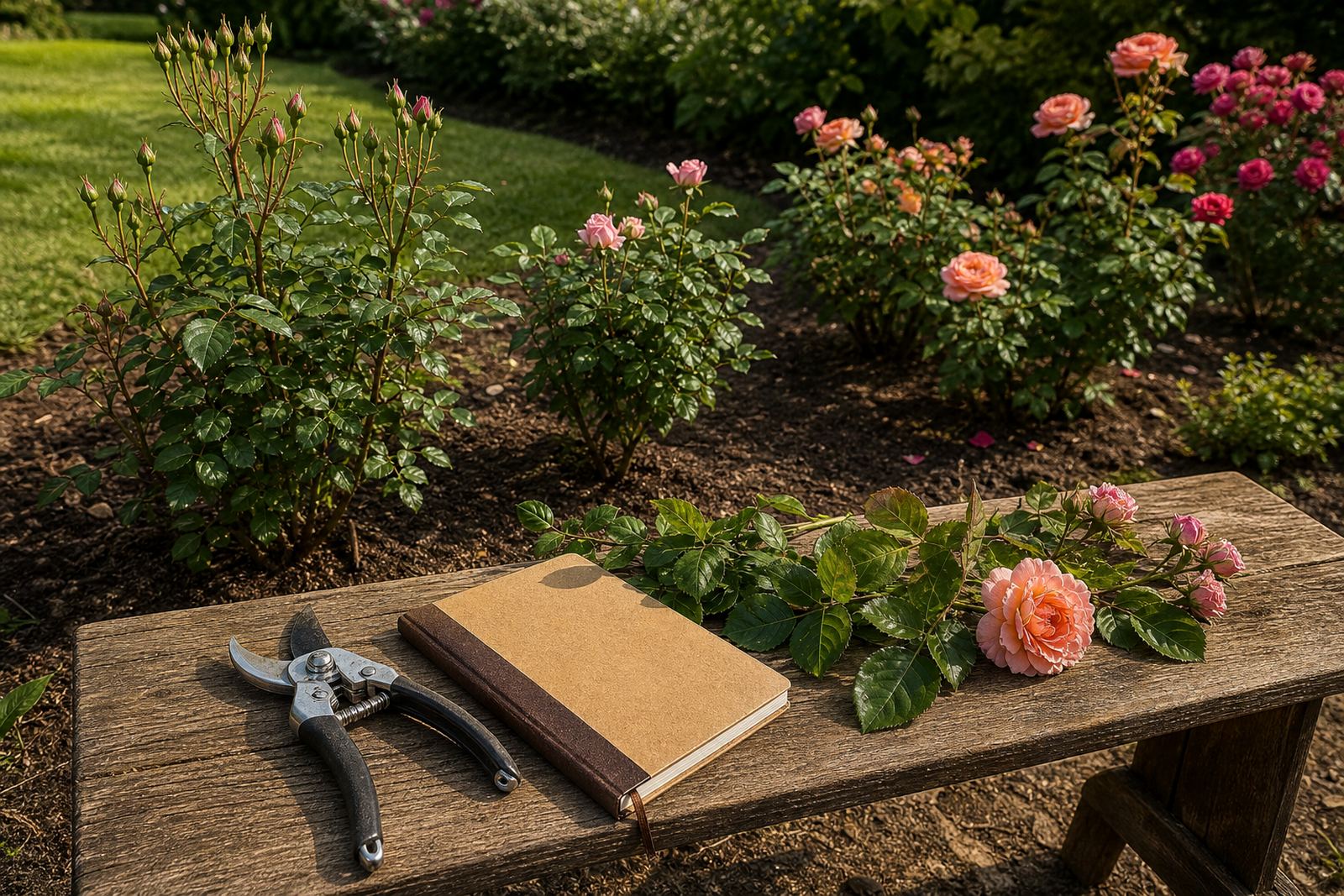
Before you make the first cut, look closely at the plant. Pruning is not only about shortening growth, it is about removing what is dead, crossed, crowded, or weak. Many beginners cut too much because the bush looks untidy, then wonder why it takes weeks to recover. A better approach is to step back, check the shape, and decide what the plant actually needs.
In KwaZulu-Natal, shrubs can put on fast growth after summer rain, while dry spells and load-shedding related water interruptions can leave them under stress. If a plant is already struggling, keep pruning light. On younger shrubs, remove only a small amount at a time so the plant can keep enough leaf area to feed itself.
Choose the Right Tool for the Size of the Cut
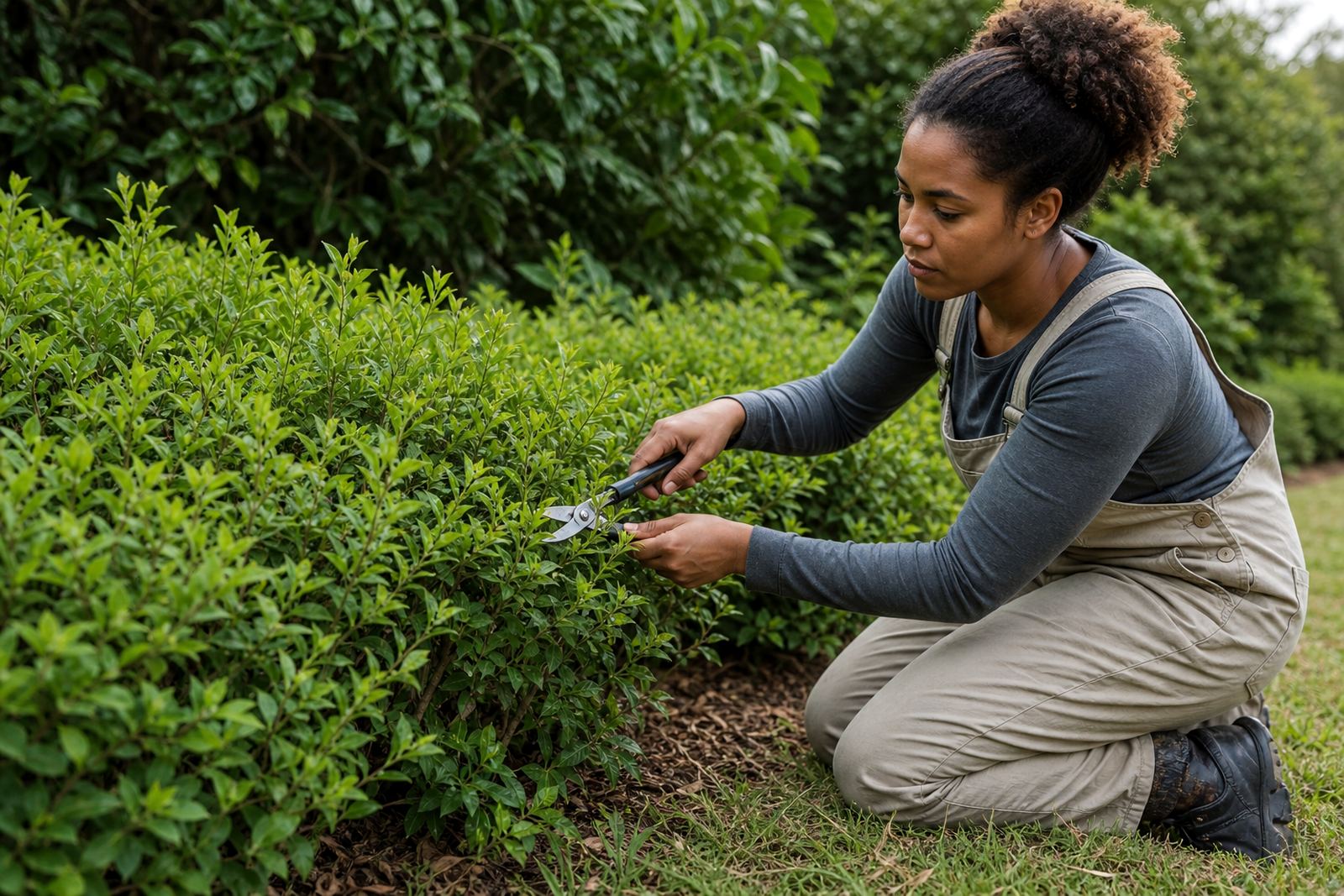
The tool should match the stem. Hand pruners suit thin stems and precision work, loppers are better for thicker branches, and hedge tools help when you are shaping a formal edge. If you try to force a thick stem with a small cutter, you will crush the wood instead of making a clean cut. That can leave the plant open to disease and slow healing.
- Use pruning shears for soft stems and small branches up to about 20 mm.
- Use loppers for thicker stems where you need extra leverage.
- Use hedge tools for repeated trimming on box hedges, privet or similar growth.
- Keep blades sharp and clean so each cut is smoother and easier.
For home gardeners in Hilton or Howick, a light set of tools is often enough for weekly touch ups. For landscapers working in Durban or Johannesburg, comfort matters more because the same action is repeated many times in one day.
Make Clean Cuts That Help the Plant Recover
The best cut is neat and controlled. Cut just above a bud or a side branch, at a slight angle, so water does not sit on the cut end. Do not leave long stubs, because they dry out and can die back. Do not cut too close either, because you may damage the bud that should carry new growth.
Here is a simple rule: if you are unsure, cut less. You can always remove a bit more later, but you cannot put a branch back once it is gone. That is why many experienced gardeners work slowly on the first round and then step back to check the shape. A small miss is easier to fix than a heavy-handed cut.
- Cut at the base of dead twigs first.
- Remove rubbing branches to stop damage from wind movement.
- Thin out overcrowded areas so light can reach inside the plant.
- Wipe sap and dirt from blades as you go, especially after diseased material.
Know When to Prune in South African Conditions
Timing depends on the plant and the local weather. In many parts of South Africa, the safest time for heavier pruning is after flowering or during a plant’s quieter growth period. In coastal areas like Gqeberha and Durban, humidity can encourage fungal issues, so open up dense growth a little more carefully and avoid leaving wet clippings sitting around the base of the plant.
In Pietermaritzburg, a common beginner mistake is pruning hard just before a hot, dry spell. The plant then has to cope with less leaf cover and more heat at the same time. If you are not sure, do a lighter tidy first and watch how the plant responds over a few weeks.
For flowering shrubs, learn whether the plant blooms on old wood or new wood. That sounds technical, but it simply means some shrubs set buds on last season’s growth, while others flower on fresh shoots. If you cut at the wrong time, you can remove the coming flowers. A local nursery or experienced gardener can help you identify the difference.
Keep Your Tools Comfortable and Ready to Use
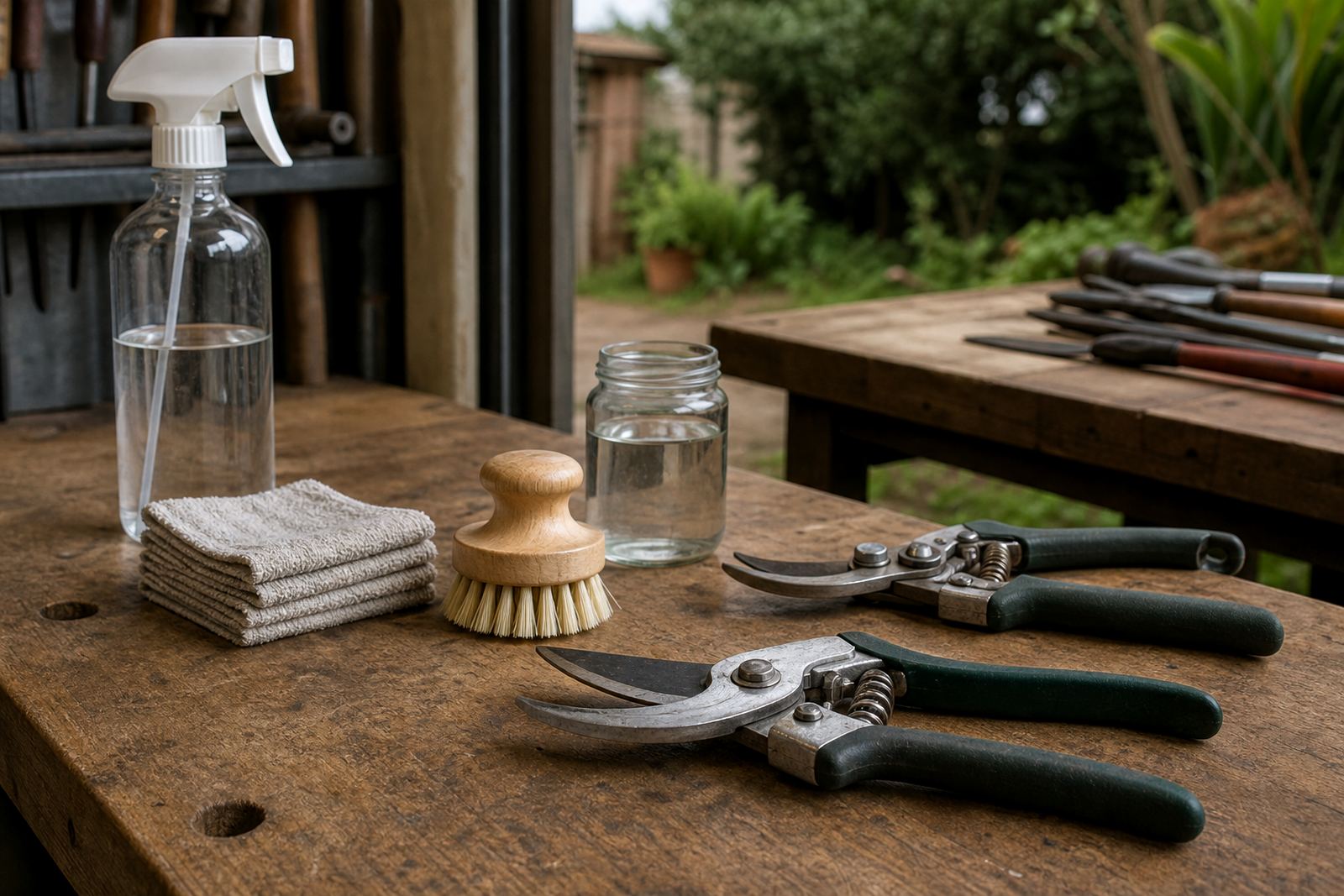
Beginners often focus on the plant and forget the tool. Comfortable grips, smooth pivots and a sharp blade make a big difference, especially if you are pruning for an hour or more. When handles pinch the hand or the blade sticks after each cut, your work becomes slower and less accurate. That is not only frustrating, it also makes uneven cutting more likely.
Basic care also matters after a wet day or a dusty job. Clean off sap, dry the metal, and store tools where air can move around them. Coastal humidity can bring rust faster than many people expect, and even inland tools can corrode if they are left damp in a shed. A quick rinse and dry now can save a tool later.
- Sharpen blades before they begin to crush stems.
- Check springs and pivots for wear.
- Replace worn grips if the handle slips in wet hands.
- Remove rust before it spreads to the cutting edge.
A Simple Beginner Routine for Safer, Better Results
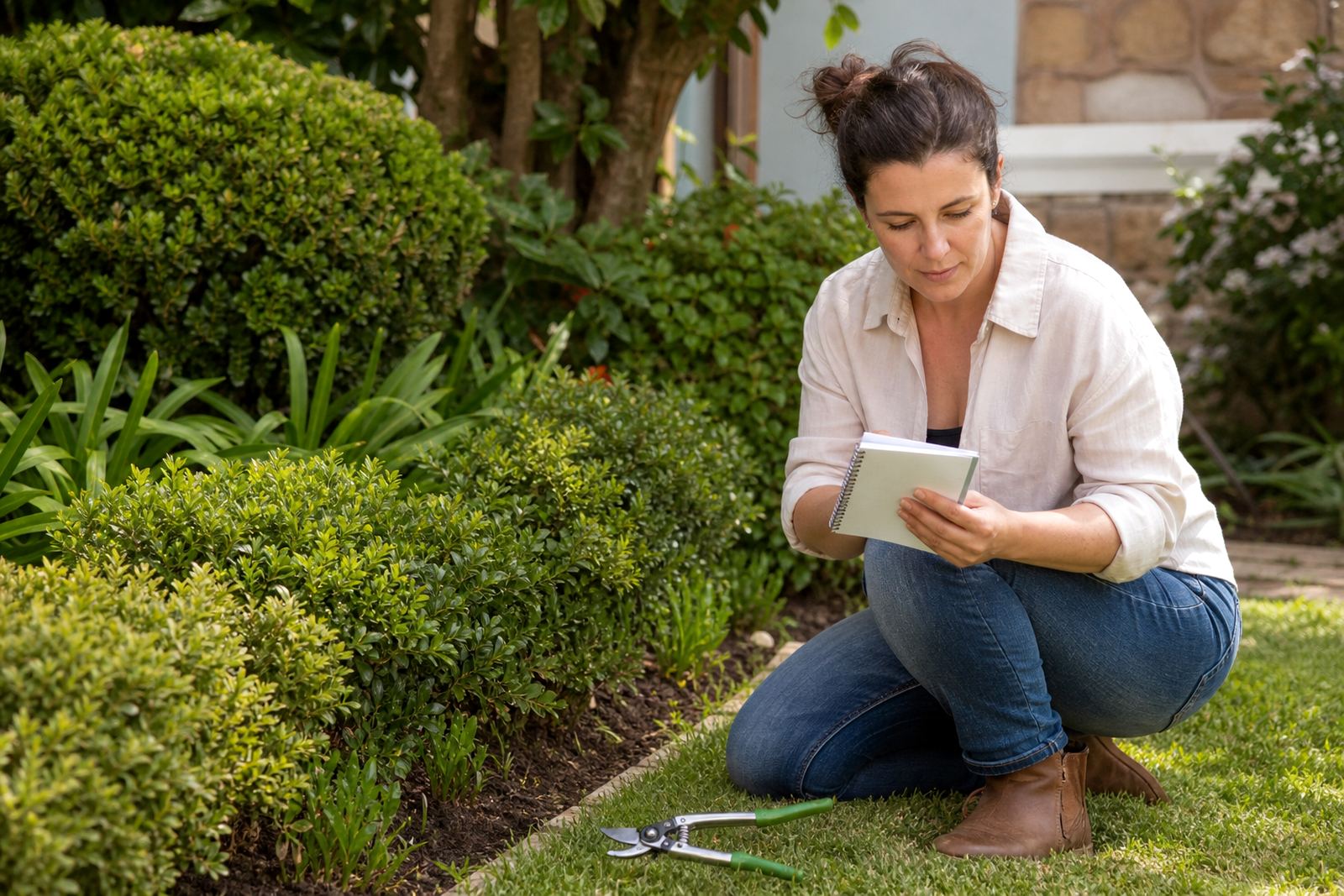
If you want an easy routine, use this order each time you prune: inspect, clean, cut, then step back and check again. It sounds slow at first, but it stops most beginner errors. Start with dead wood, then damaged stems, then thin out crowded sections, and only shape the outside once the inside has been opened up.
Keep the pile of cuttings separate from healthy material if you suspect disease. This is especially useful in shared gardens or body corporate spaces where one infected shrub can affect the next one along the boundary. If your property has a hedge near a municipal pavement, make sure trimmings do not block walkways or stormwater channels.
For beginners in suburbs around Durban, Pretoria or Cape Town, the best advice is simple: do a little often, not a lot once a year. Small regular cuts are easier on the plant and easier on your hands. With the right tools and a steady approach, pruning becomes much less intimidating, and the garden starts to respond in a cleaner, healthier way.