Why light pruning matters in the first years
When a shrub is still young, every cut sends a signal about where it should put its energy. A careful prune can encourage side shoots, keep the plant compact and stop it from becoming leggy with thin growth at the top and bare stems below.
For home gardens in Pietermaritzburg, Durban and other humid parts of KwaZulu-Natal, this early shaping also helps with airflow. Better airflow can reduce mildew and fungal problems after summer rain, especially on dense shrubs planted near walls or boundary fences. If the plant is left to grow wild from the start, you often spend more time correcting it later.
There is a difference between shaping and hacking. With young shrubs, the goal is not to force size down to nothing. It is to guide the plant so it grows evenly, with strong branch points and a clean outline that suits the space it has.
The right time to prune in South African gardens
Timing depends on the shrub type, but the safest rule is to prune after a growth flush has settled and before the plant puts all its energy into flowering or fruiting. In most South African gardens, late winter to early spring is a good window for many ornamentals, while some fast growers can take a light trim in summer if they start to sprawl.
In coastal areas like Durban and Gqeberha, pruning can be a bit more frequent because warmth and moisture push growth quickly. Inland around Johannesburg and Pretoria, shrubs often slow down in cold snaps, so it is better to wait until the risk of frost has passed. In Hilton and Howick, where mornings can be cooler, young plants may need a little more time before their first proper shaping.
- Check for fresh new shoots before you cut
- Avoid pruning during extreme heat or very dry windy days
- Leave frost-damaged growth until you can see what has recovered
- Trim after flowering if the shrub blooms on old wood
If you are not sure what kind of shrub you have, start small. It is easier to remove a little more later than to put lost growth back on.
How to make the first cuts without stressing the plant
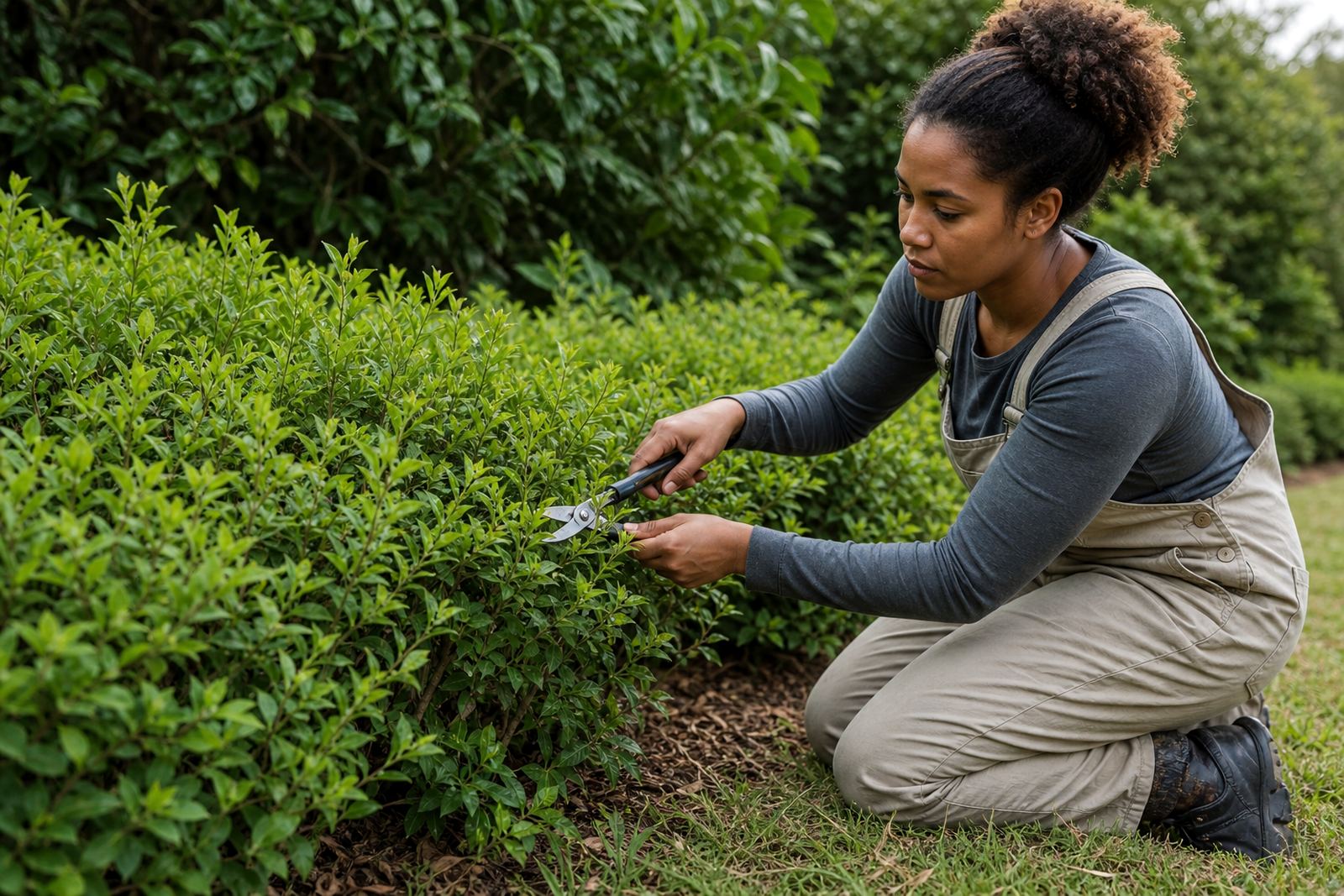
Start by removing damaged, crossing or weak stems. These are the branches most likely to rub, split or create a tangled centre. Then step back and look at the plant from all sides before you take off any more. Good pruning is as much about observation as it is about cutting.
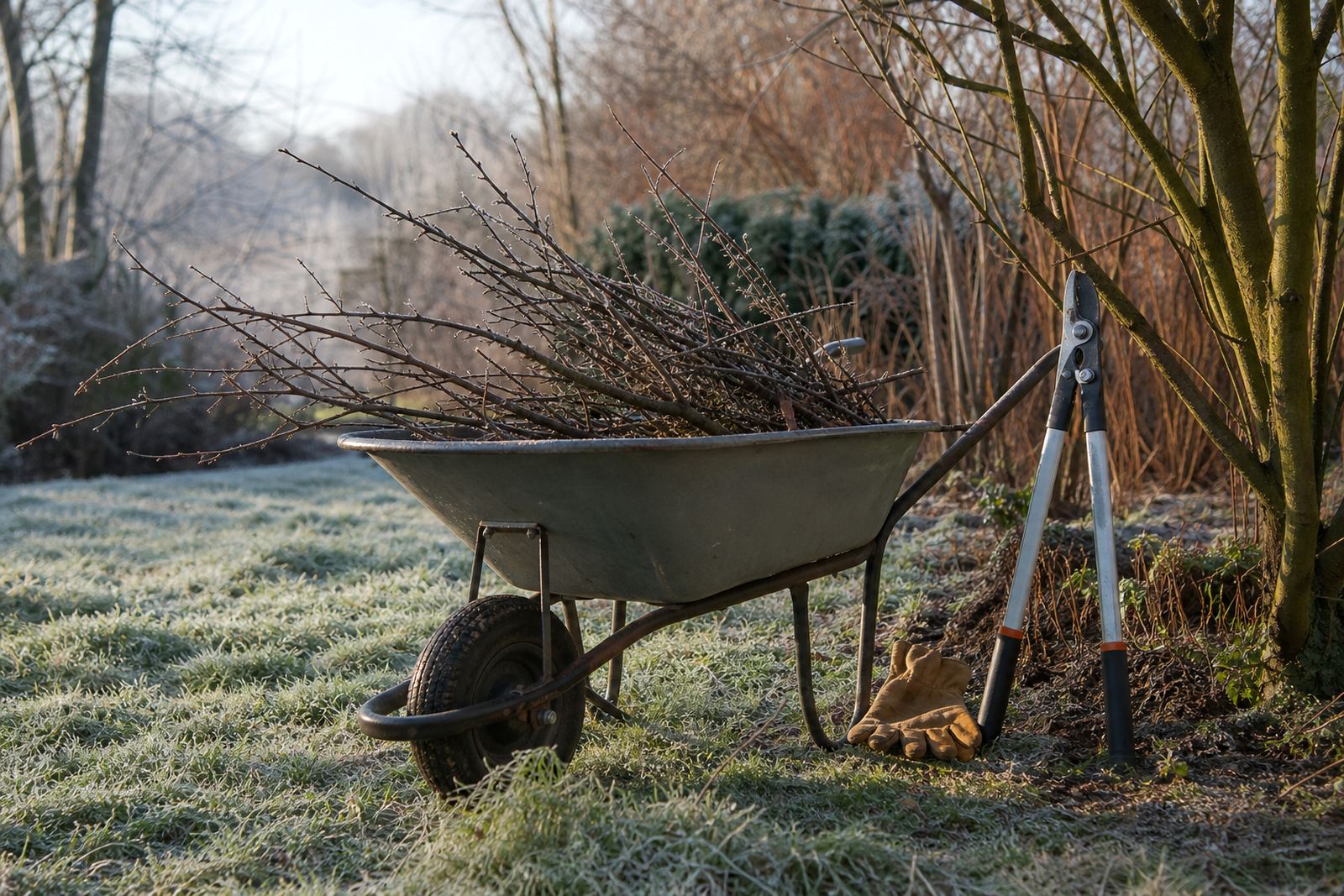
Use a clean, sharp cutting tool so the wound is neat and does not crush the stem. A smooth cut heals better than a ragged one. For soft young growth, pruning shears are usually enough. Slightly thicker stems may need loppers, but if a branch is too thick to cut cleanly with hand tools it may be better left for a later stage.
Keep the shape open at the top and slightly wider at the base. That gives lower growth a fair chance to catch light. When shrubs become narrow at the bottom and bulky at the top, they often thin out where you want fullness most.
- Cut just above a healthy outward facing bud
- Remove no more than a third of the plant at one time
- Work around the shrub, not only on the front side
- Make short test cuts if you are unsure of the final line
Common mistakes that weaken young shrubs
One of the biggest mistakes is overcutting. A young shrub needs leaves to feed itself, and if too much foliage is removed at once the plant can stall. Another common error is cutting all stems to the same height, which leaves the shrub looking flat and unnatural.
People also tend to ignore the natural habit of the plant. Some shrubs grow upright, others mound, and some spread wide. Forcing every shrub into the same shape usually means more maintenance later. In Pietermaritzburg gardens where summer rain pushes growth fast, this can mean repeated trimming just to keep a plant from collapsing into the path.
There is also the issue of dirty or blunt tools. A dull blade tears rather than cuts, and that can invite disease. If you work in a coastal area where rust appears quickly, it is worth cleaning and drying tools after each use. It sounds simple but it saves money and time over the season.
- Do not cut into old bare wood unless the species allows it
- Do not leave stubs that dry back and die
- Do not shear every shrub into a round shape by habit
- Do not prune wet plants straight after heavy rain if you can avoid it
A practical example from a Pietermaritzburg townhouse garden
In a townhouse complex in Mkondeni, a row of young shrubs had been planted along a narrow common path. They were growing fast because the soil held moisture, but they were beginning to lean into the walkway and block light from the lower branches. The owner wanted privacy without ending up with a hedge that looked clipped too hard.
The solution was simple. The tallest tips were shortened lightly, weak crossing stems were removed, and the centre of each plant was opened just enough to let light in. Over the next few months the shrubs pushed out side shoots instead of only growing upward. The result was a denser screen with less work than repeated hard trimming would have needed.
This is the kind of early intervention that pays off. A small correction now can keep a shrub useful for years, whether it is standing beside a driveway in Pietermaritzburg or forming a boundary in a suburban Cape Town garden.
Choosing the right tools and keeping them ready
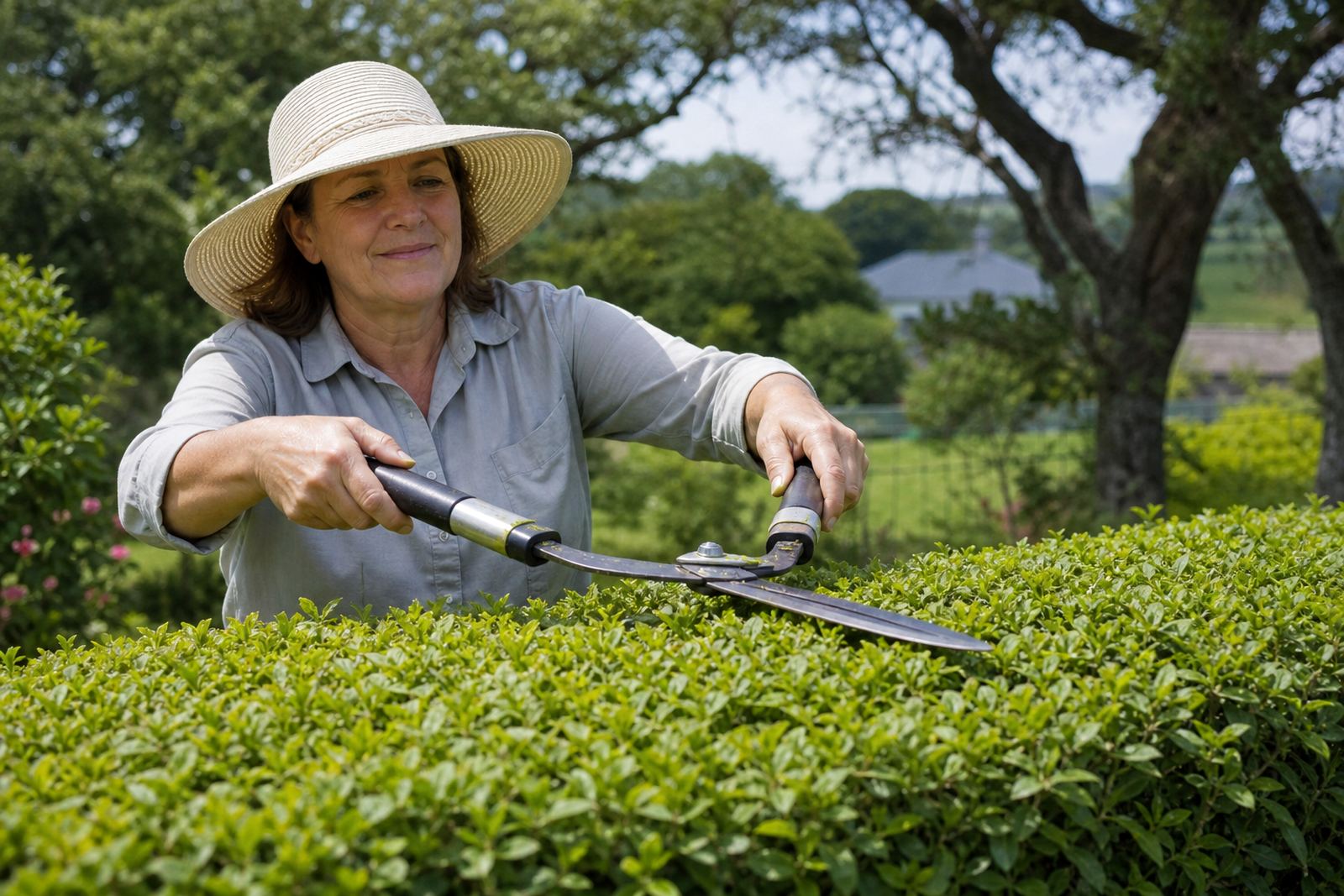
Good pruning depends on tools that feel comfortable in the hand and stay sharp. A light tool is easier to control for fine shaping, while a stronger blade helps on thicker growth. For landscapers and home gardeners alike, the aim is controlled cutting with less strain on the wrist and shoulder.
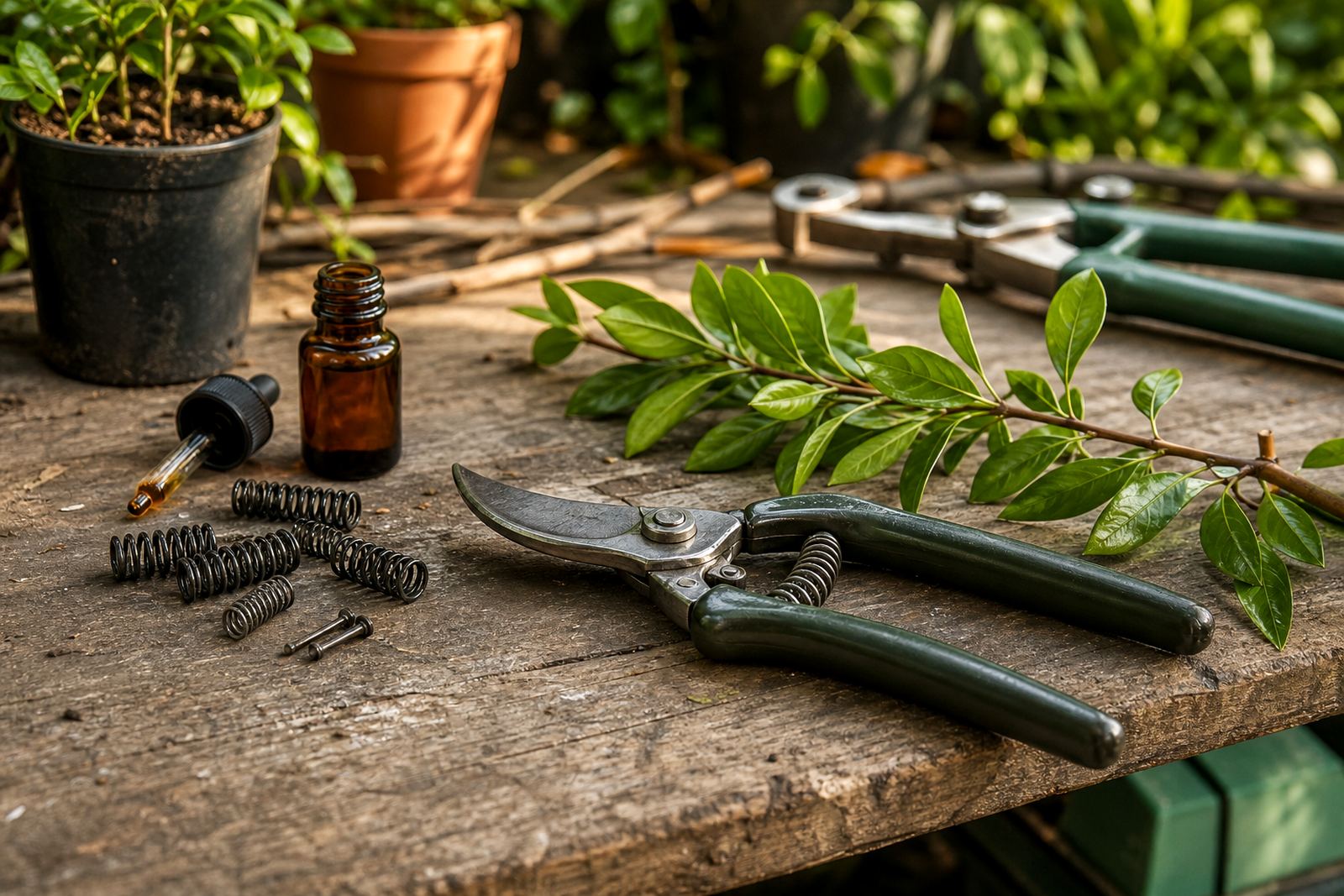
It also helps to keep your tools in working order. Clean blades, free-moving pivots and proper spring action make the job smoother, especially when you are pruning several shrubs in one session. In areas with high humidity or salt air, rust removal and regular servicing can extend tool life by a long way.
- Wipe blades after use to reduce sap build-up
- Check the pivot for looseness before starting
- Replace worn grips if the handle slips in wet conditions
- Sharpen blades before the cutting edge becomes blunt
For larger properties or teams caring for multiple gardens, a simple maintenance routine helps keep work consistent. Tools that are looked after tend to give cleaner cuts, which is better for the plant and easier on the person using them too.