Why spring is the right time to inspect every cutting tool
Spring is when shrubs start pushing soft new growth, hedges fill out quickly, and fruit trees need careful shaping. If your secateurs, loppers, or hedge shears are blunt or sticky, the job takes longer and the plant takes more strain. In KwaZulu-Natal, where humidity can rise fast after the first warm rains, tools left unchecked often pick up rust, stiff pivots, and dull edges during storage.
A full check at the start of the season is not complicated, but it does save time later. In a Pietermaritzburg garden, for example, a homeowner might need to trim back jasmine, shape a hedge line, and clear a few overgrown branches in one weekend. If the blades bite cleanly first time, there is less bruising on stems and far less hand fatigue by mid afternoon. That is especially helpful when you are working between loadshedding periods or trying to finish before the weather turns wet again.
Look over the whole tool, not only the cutting edge. A good spring check should cover the blades, the spring, the pivot, the grips and the lock if the tool has one. If anything feels loose, rough or out of line, fix it before the season gets busy.
What to look for on secateurs before the first heavy pruning
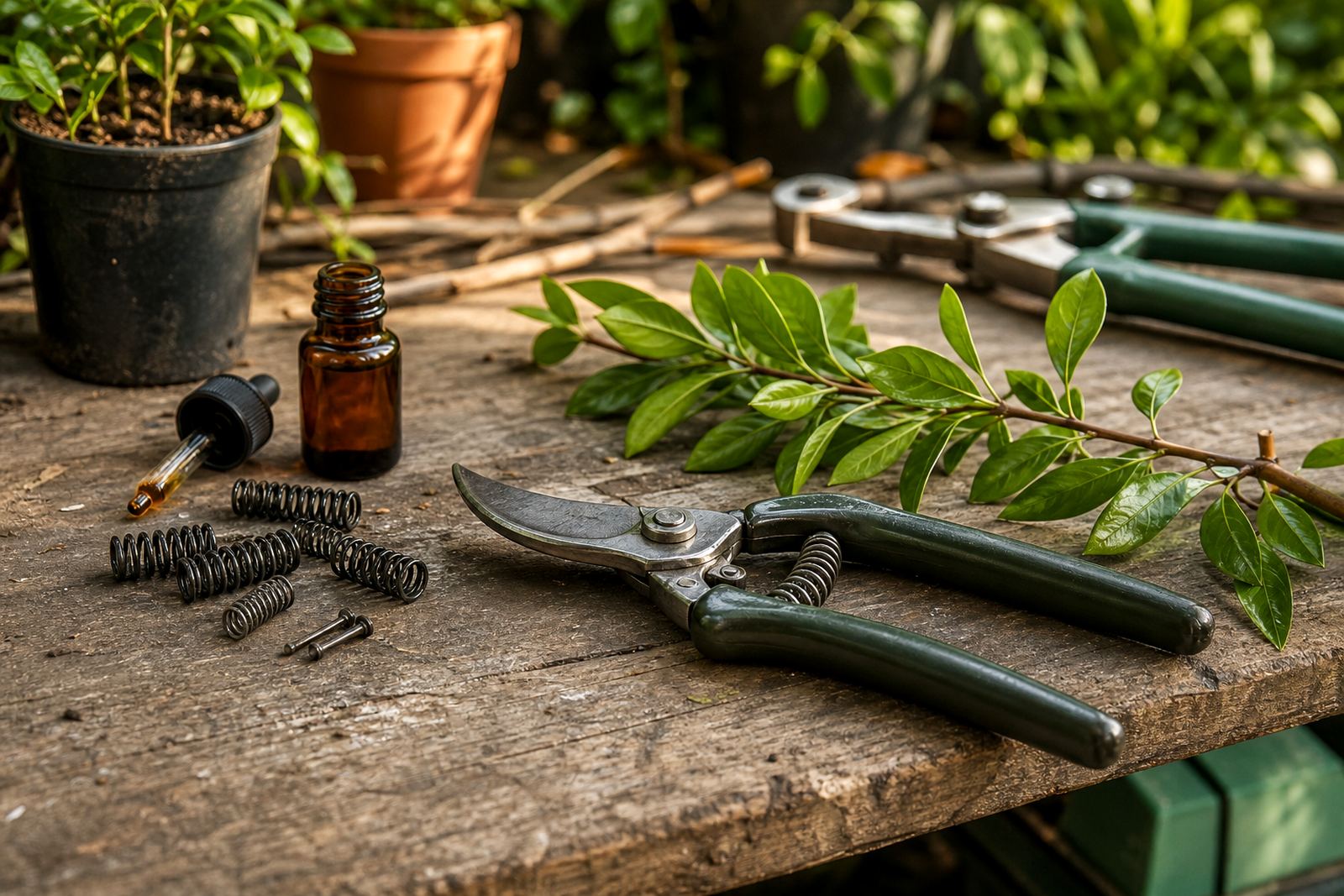
Secateurs get the most use on mixed garden jobs, so they usually show wear first. Open and close them a few times and listen for scraping or catching. If the action is stiff, the pivot may need cleaning or adjustment. If the blade closes with a gap, it may need alignment or a replacement spring. Even a small issue can make your hand work harder than it should.
- Check for nicks on the cutting edge.
- Test the spring for tension and smooth return.
- Inspect grips for cracks, split rubber, or slippery patches.
- Look for rust around the pivot and locking catch.
- Wipe away sap build-up from the blade and handle joints.
For gardeners in coastal areas like Durban and Gqeberha, sap and moisture can combine quickly and leave tools tacky after only a few uses. A quick clean between jobs helps, but if the blades are already pitted or the pivot feels rough, servicing is usually worth it. Small faults tend to get worse once pruning starts in earnest.
Lopper checks that make branch work easier and safer
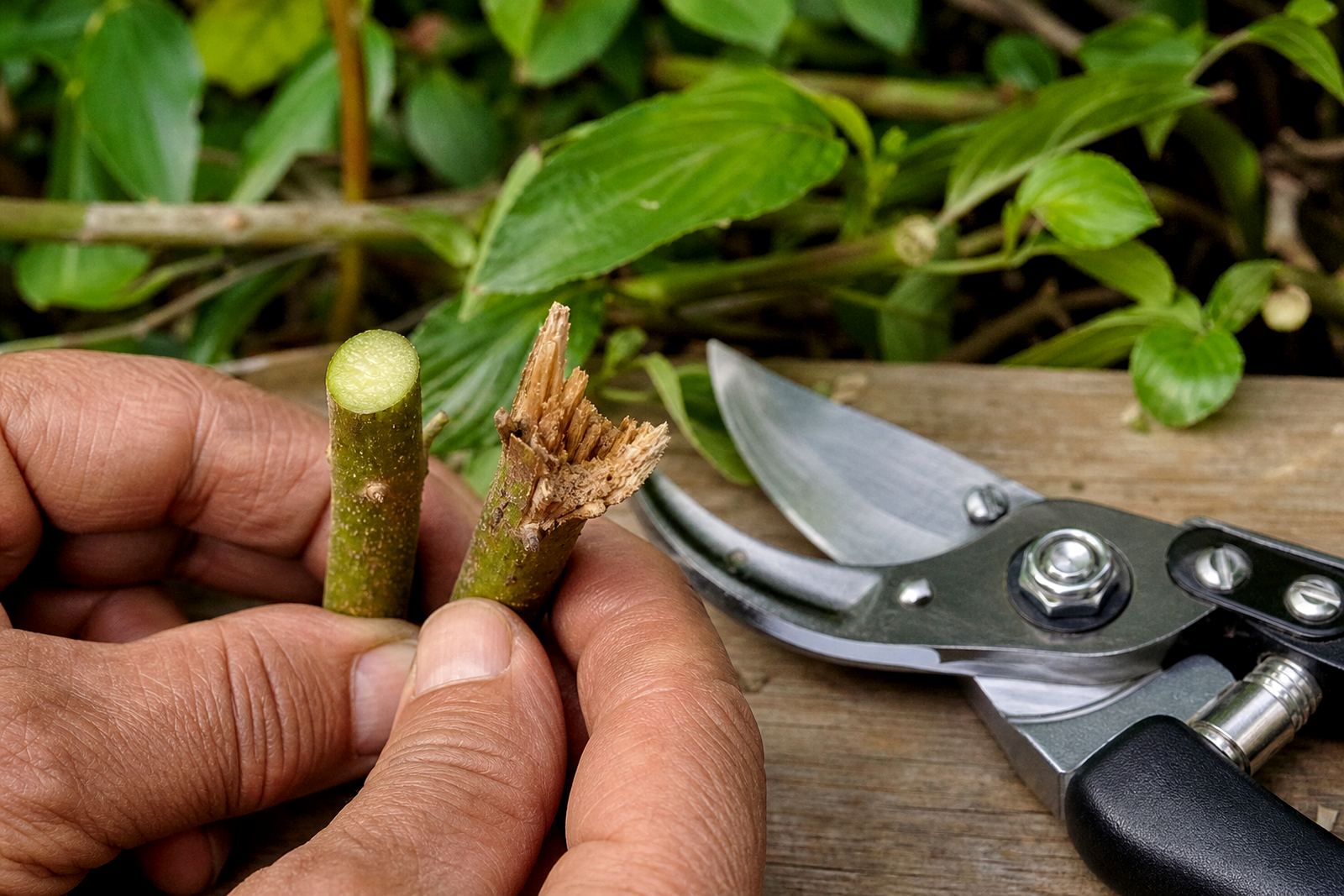
Loppers are made for thicker stems and young branches, so they need extra attention before any serious trimming. Check that both handles move evenly and that the cutting head closes properly along the full blade. If the cut is slow, crushed or uneven, the blade may be blunt or the pivot may be out of line. That can leave ragged cuts, which are harder for the plant to heal.
Also pay attention to the handles. A bent handle, worn grip, or loose fastener can make the tool twist in your hands when you are reaching overhead. That matters on bigger properties around Hilton or Howick where the work often includes boundary hedges, rose beds, and older shrubs with thicker wood. You want the tool to do the work, not your wrists.
Before you start, test the lopper on a few small, dry branches first. If the cut feels off, stop there and sort it out. It is better to spend ten minutes on servicing than an afternoon forcing a tool through material it should handle easily.
- Confirm the blade is square to the counter blade.
- Check the handles for play near the head.
- Remove sticky residue from the cutting face.
- Replace any worn spring or damaged grip.
- Lightly oil moving parts after cleaning.
Hedge tool care for neater lines and less strain
Hedge tools are often used for longer sessions, which means comfort matters just as much as sharpness. If the blades are dull, the cut looks ragged and you need more passes to finish the same section. That is tiring, especially when you are working along a driveway wall, school boundary, or a long garden edge in the heat.
Check the blade length for damage from contact with wire, stones or old fencing. Even a small notch can throw off the cut line. Also inspect the handles and fasteners on the body of the tool. When the weather warms up in spring, gardeners often forget how much time is spent holding the tool at shoulder height. A loose grip or stiff joint becomes a real problem after the first hour.
For landscapers handling several properties in one day, hedge tools should be inspected before the round starts. That keeps the cuts even across the job and helps avoid delay from breakdowns in the field. If one tool is showing more wear than the others, move it into servicing rather than waiting for it to fail mid job.
A simple cleaning routine after the first spring trim
Once the first round of pruning is done, clean the tools before you put them away. This is one of the easiest ways to extend tool life in South African conditions, especially where there is coastal moisture or soil that holds damp after rain. Start by removing all clippings and sap. Then wipe the blade, dry it fully, and check again for rust spots.
Spring is also a good time to deal with deeper issues that are easy to miss in a rush. Rust can sit under a grubby handle, a spring can weaken without warning, and a pivot can loosen gradually over time. In smaller home gardens, that means a tool that feels fine on the first shrub but starts to drag by the third. In larger landscaping work, it can slow a whole team down.
- Brush off dry debris before wiping the blade.
- Use a cloth to dry the tool fully after cleaning.
- Apply light oil to moving parts and store in a dry place.
- Hang tools off the ground where possible.
- Keep cutting edges covered if the tool has a guard or sheath.
When servicing makes more sense than buying new
Not every worn tool needs replacing. If the body is sound and the handle is still solid, servicing can restore a lot of useful life. That includes blade sharpening, spring replacement, grip replacement, pivot adjustment, rust removal, deep cleaning, parts fitting, and full inspections. For many gardeners, that is a practical way to keep good tools in use through the busiest months.
This is especially relevant for households and landscapers in places like Pretoria, Johannesburg and Cape Town, where tool use can vary from a small front garden to a full commercial property. A tool that has lasted several seasons may only need a proper reset to work well again. If the blade is badly damaged or the joints are badly worn, inspection will show that too before more time is wasted on it.
For fleet care, a planned servicing approach helps keep all tools in one working condition standard. That means fewer surprises, less last minute buying, and more reliable results when the grass has surged and the hedges are moving fast. It is a sensible way to keep spring work on track.
How to plan your spring check before the garden rush starts
Do the check before the first big weekend of growth, not after it. Put all pruning tools on a bench, test each one, and sort them into three groups: ready to use, needs servicing, and must be replaced. That simple step saves time later and keeps the work moving in order.
If you are a homeowner, set aside one morning and deal with the tools before the garden gets away from you. If you manage multiple sites, make the inspection part of the seasonal routine so nothing is missed. In Pietermaritzburg and surrounding areas, the shift into warmer weather can happen quickly, so waiting too long often means working with blunt or sticky tools when the new growth is already in full swing.
A proper spring tool check is not only about neat cuts. It protects your hands, reduces strain, and keeps your garden work practical. That is the real benefit, and it shows up every time the blade closes cleanly on the first try.