Trim for shape, not just for size
In summer, many gardens in Pietermaritzburg and along the coast put on soft, fast growth. That new growth looks good for a week or two, then hedges start to bulge over paths and shrubs hide windows. The best approach is light, regular trimming rather than one hard cut at the end of the season. Small cuts are easier on the plant and much neater for the gardener.
For most home gardens, aim to remove only what has grown too long or looks untidy. This keeps flowering shrubs healthier and helps formal hedges hold their line. If you cut too much at once, the plant may respond with weak, sappy growth that burns in the heat or dries out before the next watering cycle.
- Take off long tips first, then step back and check the shape.
- Keep hedge tops slightly narrower than the base so light reaches the lower growth.
- Do not trim right after a plant has been stressed by wind, heat or missed watering.
Choose the right tool for the thickness of the growth
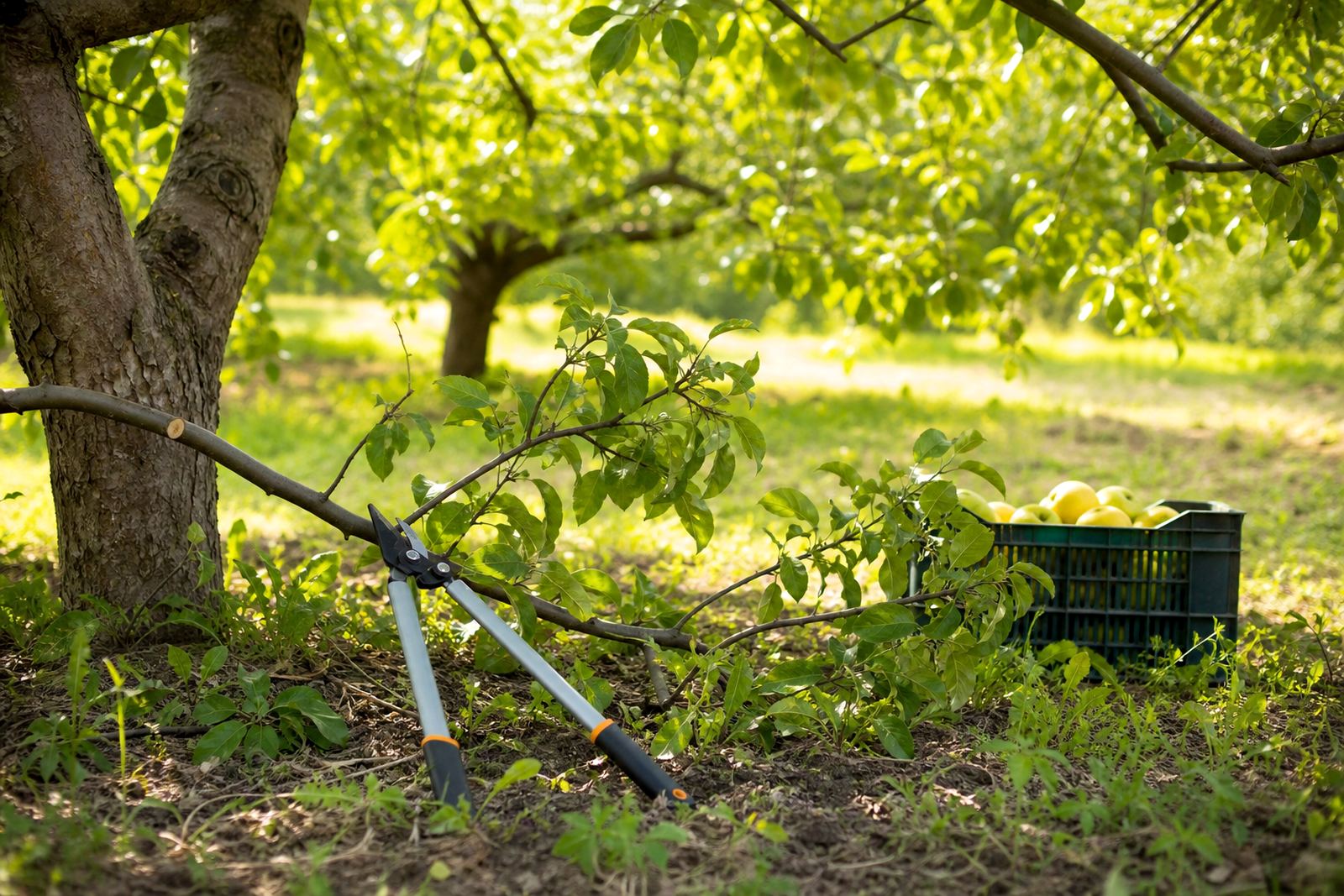
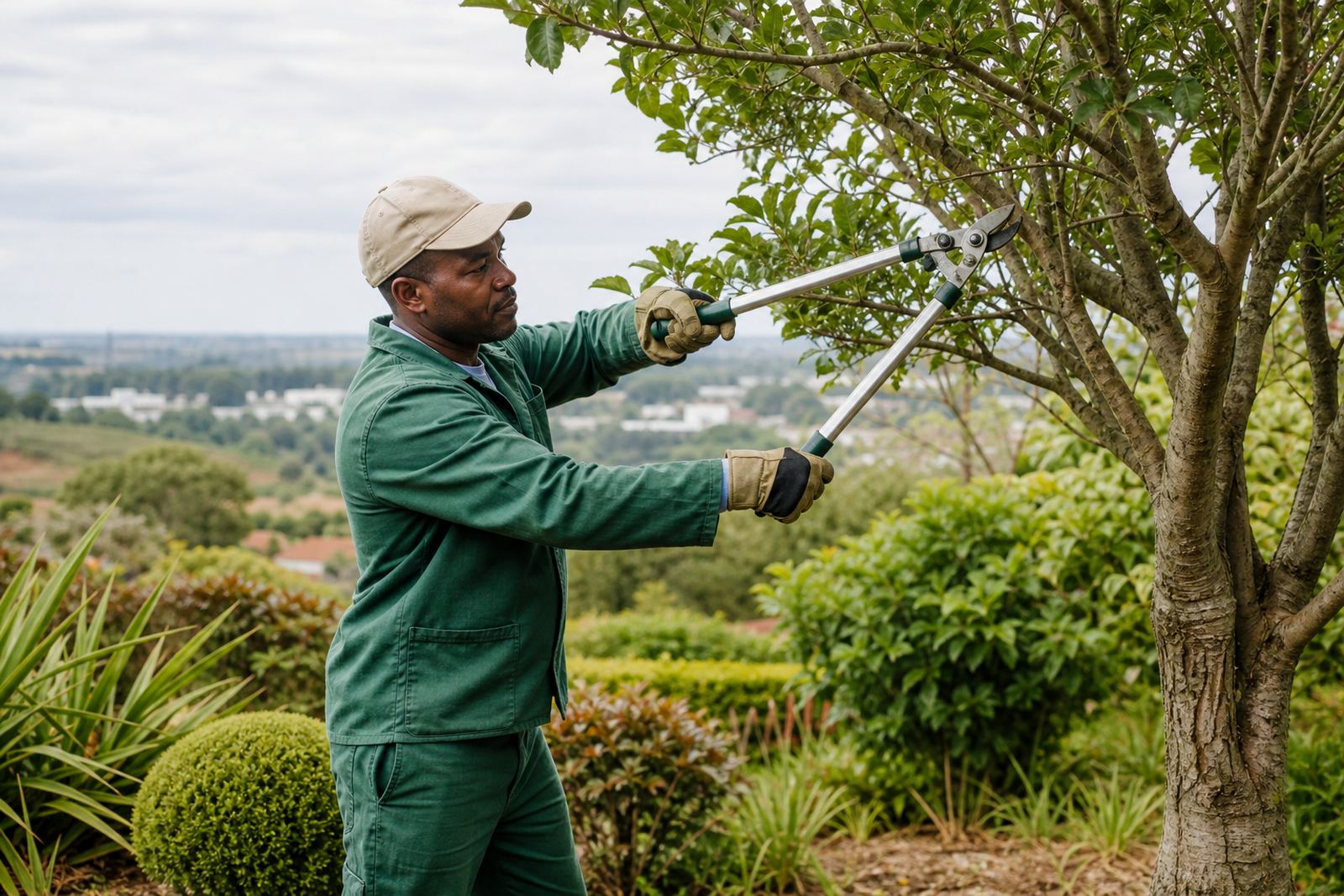
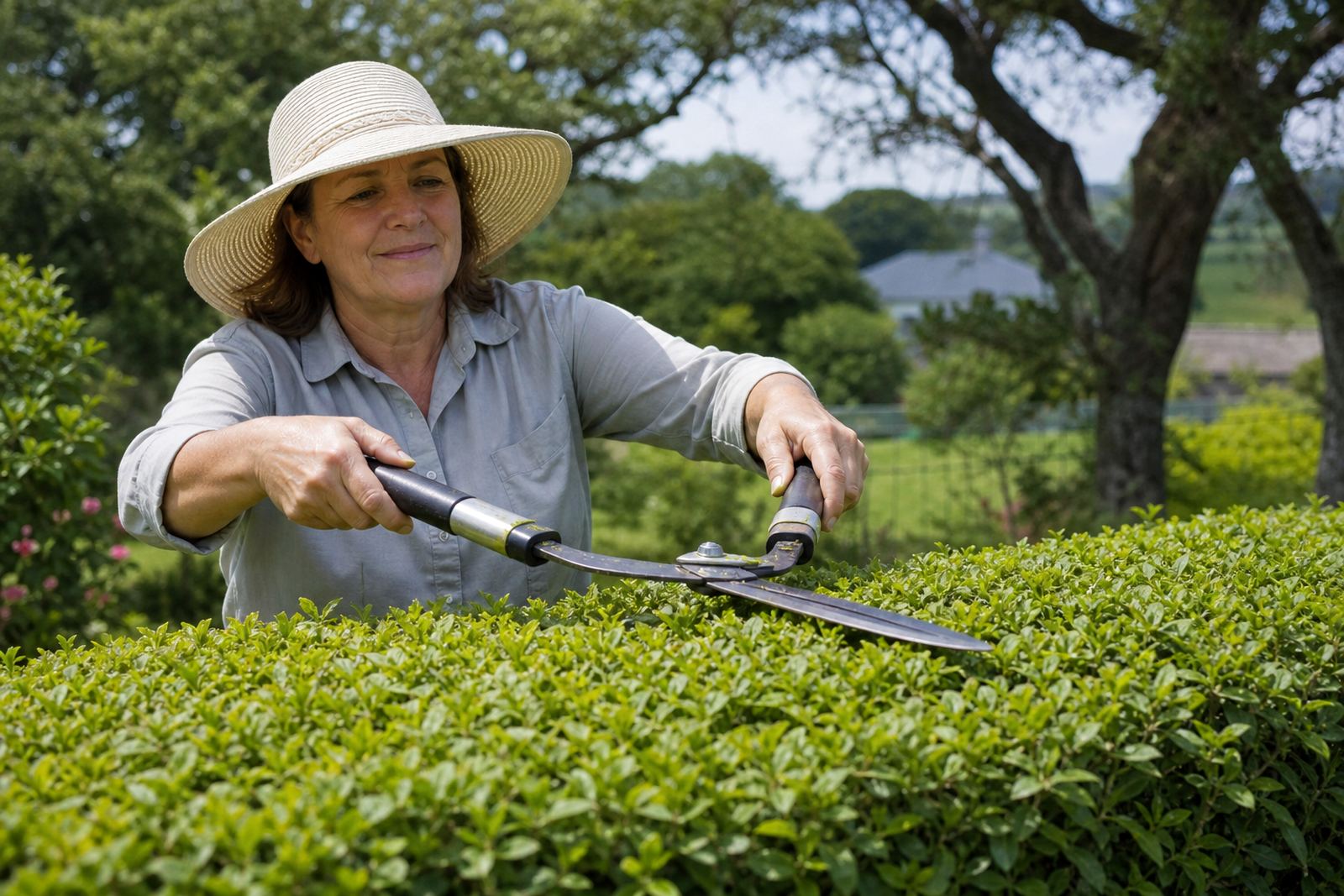
Not every summer cut should be done with the same tool. Thin soft stems need clean pruning shears. Older stems, small woody branches and overgrown shrubs are better handled with loppers. Hedge tools are best for repeated, even cuts across a line of growth. Using the wrong tool can crush stems instead of slicing them cleanly, and that slows recovery.
Clean cutting matters even more in humid places like Durban or Gqeberha, where moisture can sit on fresh wounds longer. A sharp blade makes less damage and leaves a smoother finish. If your tool drags or snags, it is time for sharpening or servicing. A small amount of care before the job saves time later and gives better results.
- Use pruning shears for soft stems up to finger thickness.
- Use loppers for thicker branches that need extra leverage.
- Use hedge tools for long straight runs on hedges and shaped borders.
Work in the cooler part of the day
Summer trimming is best done early morning or late afternoon. Midday heat puts more strain on both plant and gardener. Freshly cut leaves can wilt quickly, and your hands tire faster when the sun is heavy. In places like Johannesburg and Pretoria, where the air can turn dry and hot after lunch, timing makes a real difference.
Start with the parts of the garden that catch the strongest sun first, then move to areas with more shade. If you are working near lawns, beds or potted plants, water the soil beforehand so the roots are not already thirsty. A little moisture in the ground helps plants recover after trimming, but avoid soaking the leaves just before you cut. That can make the clippings stick and block your view of the shape.
- Trim before the hottest hours set in.
- Keep a bucket close for clippings so paths stay clear.
- Pause if the plant looks limp or the blades are getting sticky with sap.
Protect tender plants from stress after cutting
Summer pruning should leave plants neat, not stripped bare. Tender shrubs, young hedges and recently planted specimens can lose too much moisture if they are cut back too hard. Leave enough leaf cover to protect the stems from sunburn. On windy days, especially near the coast, a plant that has been overcut can dry out quickly even if the soil is still damp.
After trimming, check the base of the plant for fallen debris and remove it. This helps with airflow and reduces the chance of pests hiding in the clippings. If the plant is in a municipal verge or roadside strip, keep all cuttings inside the boundary and do not let them spill into drains or onto pavements. In many suburbs, that small bit of tidy-up avoids complaints and keeps the frontage looking cared for.
- Leave enough foliage to shade the stems.
- Remove clippings from the ground after every section.
- Check moisture levels two or three days after trimming.
Watch for uneven growth after rain and fertiliser
After good summer rain, some gardens shoot up unevenly. Lawns may surge, hedges push out long tips, and flowering shrubs can get lanky. Fertiliser can also encourage a burst of soft growth that needs shaping soon after. That is normal, but it should be managed steadily rather than left until the garden becomes untidy all at once.
Look for the branches that extend beyond the line first. Remove those before touching the inner structure. This keeps the plant balanced and avoids a flattened look. If you are dealing with a bigger property in Hilton, Howick or the outer parts of Pietermaritzburg, break the work into zones so each section gets the same attention. It is easier to spot trouble when you are not rushing from one edge to the next.
- Check for long shoots after rain or feeding.
- Trim only the ends that break the outline.
- Work section by section so the whole garden stays even.
Keep your tools ready for the next round
Summer trimming is easier when tools stay in good condition. Sticky sap, moisture and dust all affect how well blades cut. Wipe them down after use, then inspect the pivot, spring and grip. If a handle is loose or the blade is dull, fix it before the next job. A well-kept tool is safer in the hand and gives a cleaner finish on every cut.
For gardeners who trim often, regular servicing makes a noticeable difference. Sharpening, spring replacement, grip replacement and pivot adjustment all help tools work the way they should. In busy households and landscaping crews around South Africa, that also means less waste of time on site and fewer repeat cuts on the same branch.
- Clean blades after every session.
- Check for rust spots before storing the tool.
- Service tools before they start tearing rather than cutting.
For home gardeners and landscapers who prefer properly maintained tools, Cut Tools Garden supports customers across Pietermaritzburg, Durban, Johannesburg, Pretoria, Cape Town and Gqeberha with practical garden cutting equipment and aftercare support. The team in Mkondeni also handles inspections and servicing so tools stay ready through the busy summer months.