Start with what must be cut back, and what must be left alone
Colder months are useful for pruning because many plants slow down and sap flow is lower, but that does not mean every branch should come off. The goal is to remove dead, damaged, diseased or crossing growth first, then stop before you change the plant’s natural shape too much. Overcutting can stress evergreen shrubs, tender climbers and young trees, especially where frost, dry wind or coastal humidity already put them under pressure.
In Pietermaritzburg and nearby towns, winter days can still be warm enough for a quick tidy-up, then suddenly cool in the evening. That means plants recover best when cuts are clean and limited. If you are unsure, stand back and check the structure before every snip. A branch removed today should solve a problem, not create a bigger one next month.
Choose the right winter jobs for each plant type
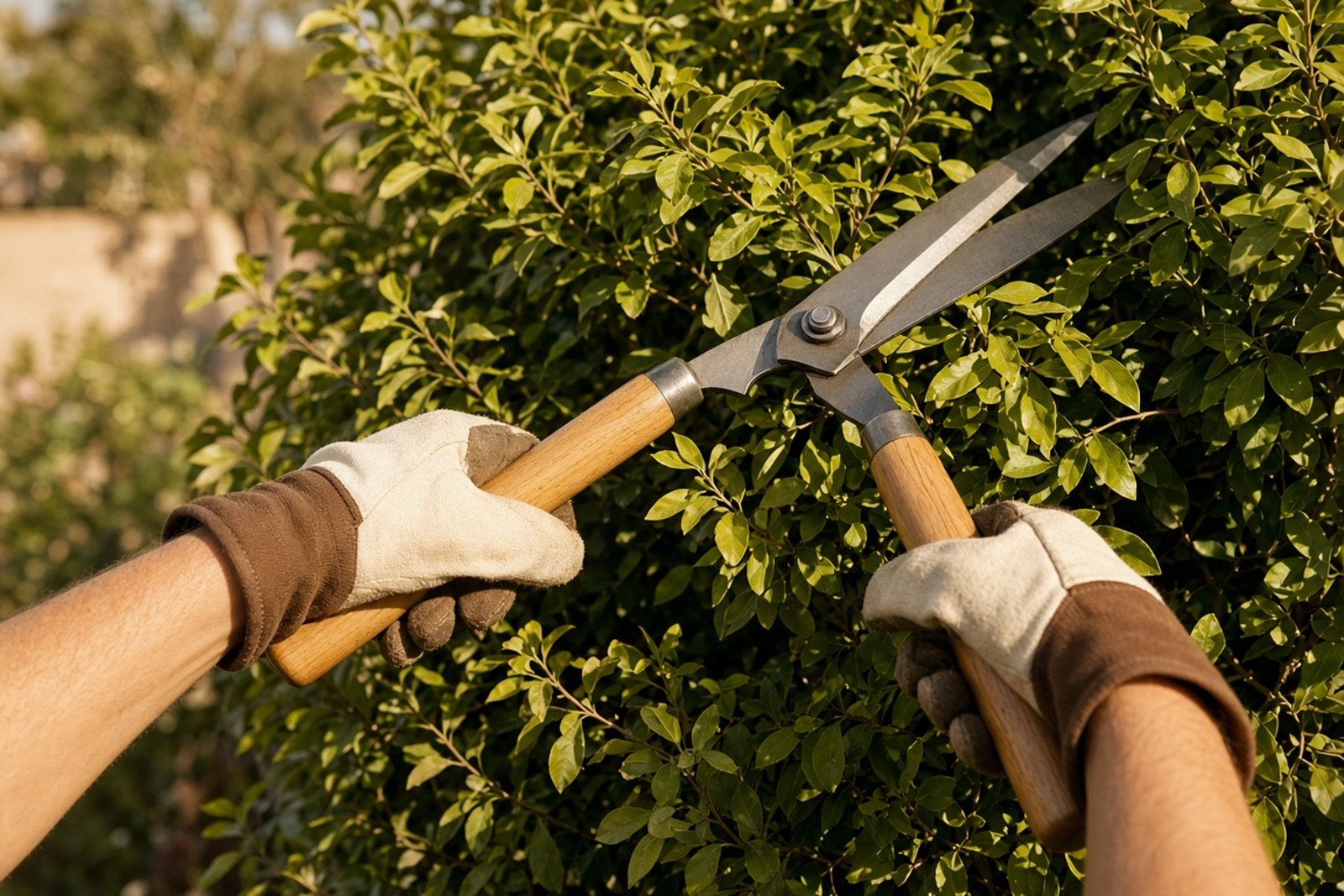
Different garden plants need different treatment. Fruit trees often benefit from shaping and thinning in winter, while many spring-flowering shrubs should be left until after they bloom. Hedges can usually handle a light trim, but only if you avoid cutting into bare old wood on species that do not reshoot well. Roses also respond well to winter maintenance, although the exact timing depends on your area’s cold spell and the plant’s vigour.
- Remove deadwood and weak shoots first.
- Thin crowded centres so air can move through the plant.
- Shorten long, whippy growth that has been damaged by wind.
- Keep flowering wood on plants that bloom early in spring.
- Leave any branch you are unsure about until flowering ends.
For landscapers in Durban or Gqeberha, winter pruning can also reduce wind damage on exposed sites. Near the coast, faster growth may tempt you to cut hard, but salt air and high moisture can make fresh cuts slow to seal so a lighter hand is safer.
Use sharp tools for cleaner cuts and less plant stress
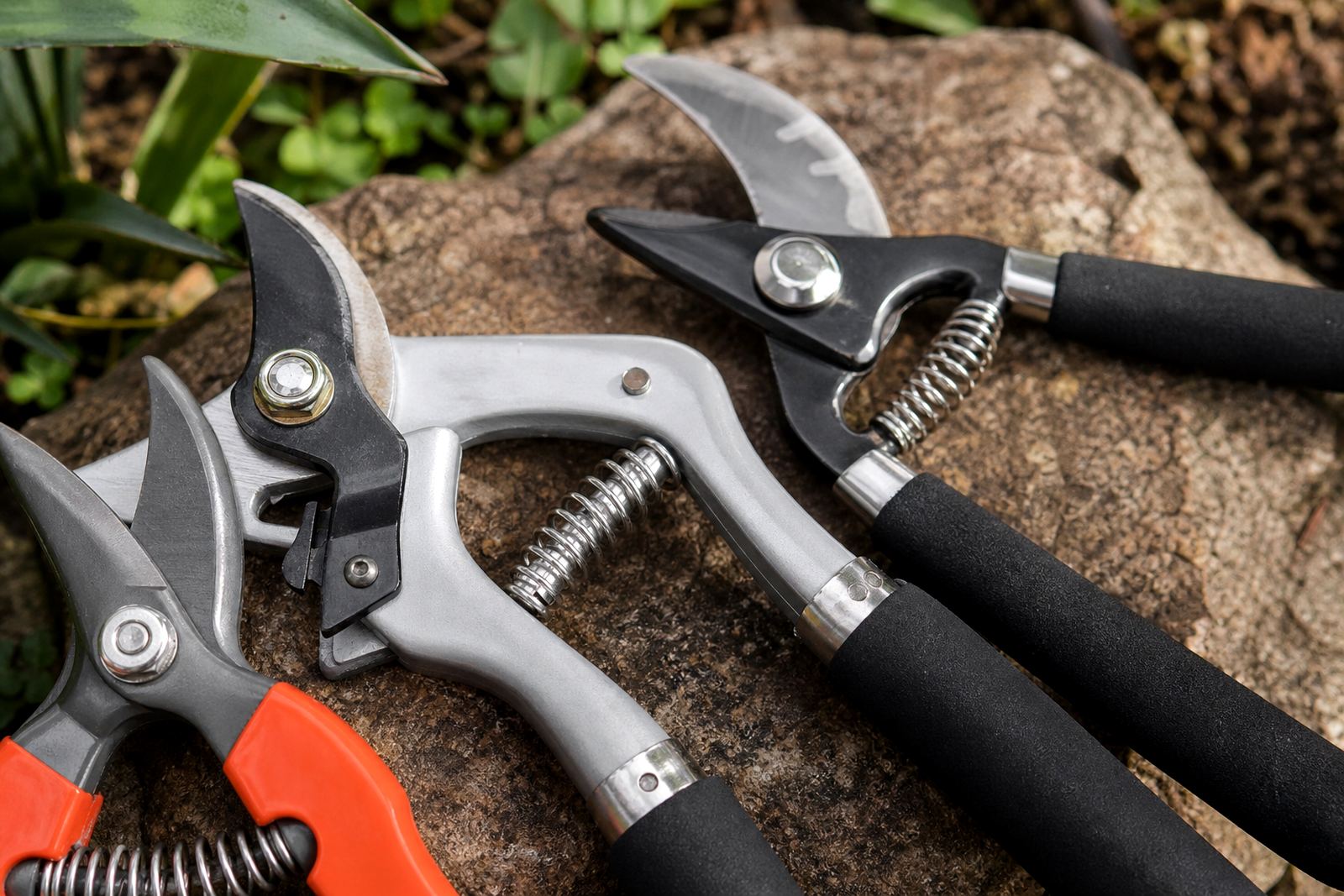
Blunt blades crush stems instead of slicing them, and that invites dieback. A clean cut heals faster and leaves less room for rot, especially on thicker lopper cuts or on woody hedge growth. Before you start, check that the handles feel secure, the pivot moves freely and the cutting edge is free of rust or sap build-up. If the tool feels stiff, fix that before working through a full row of shrubs.
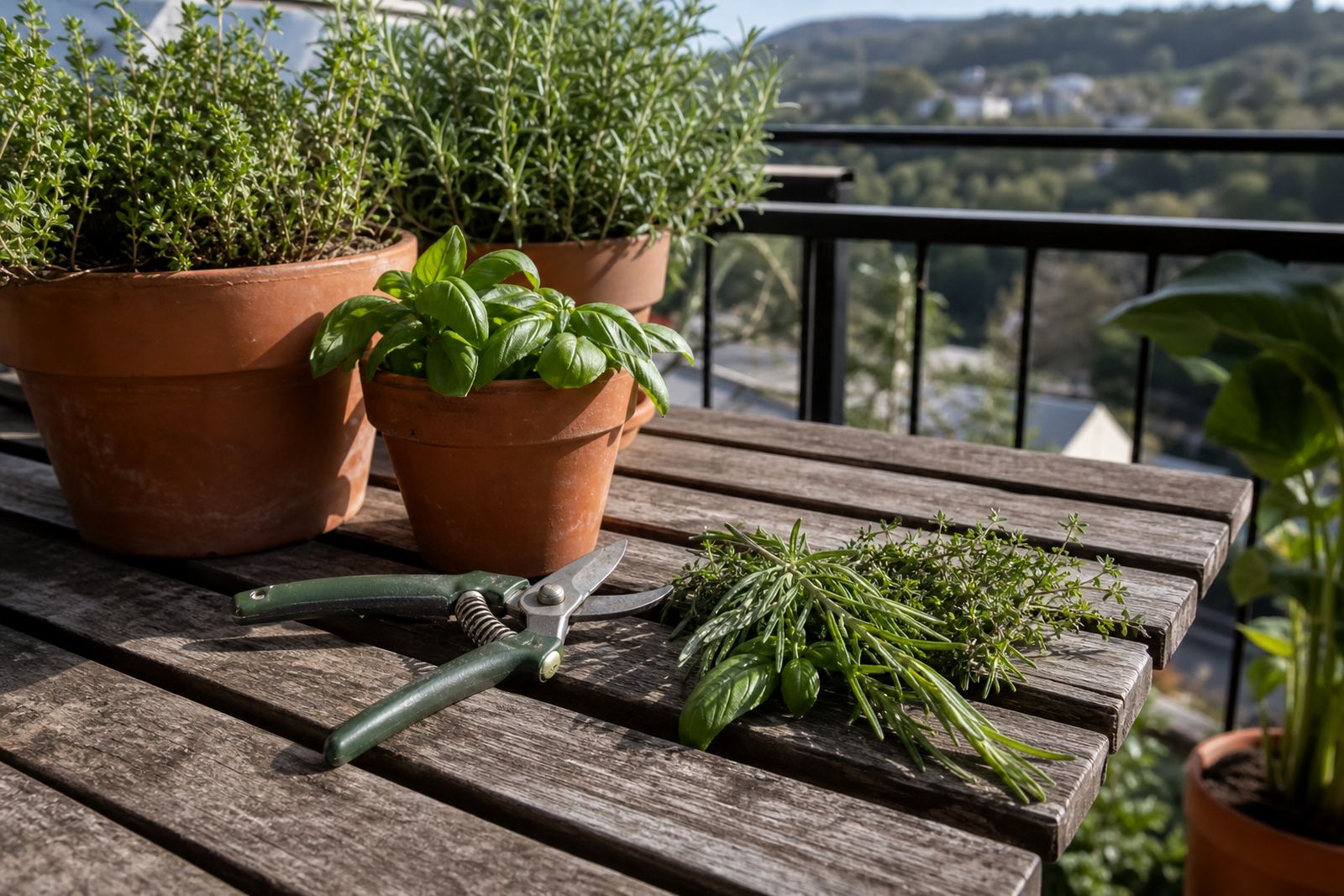
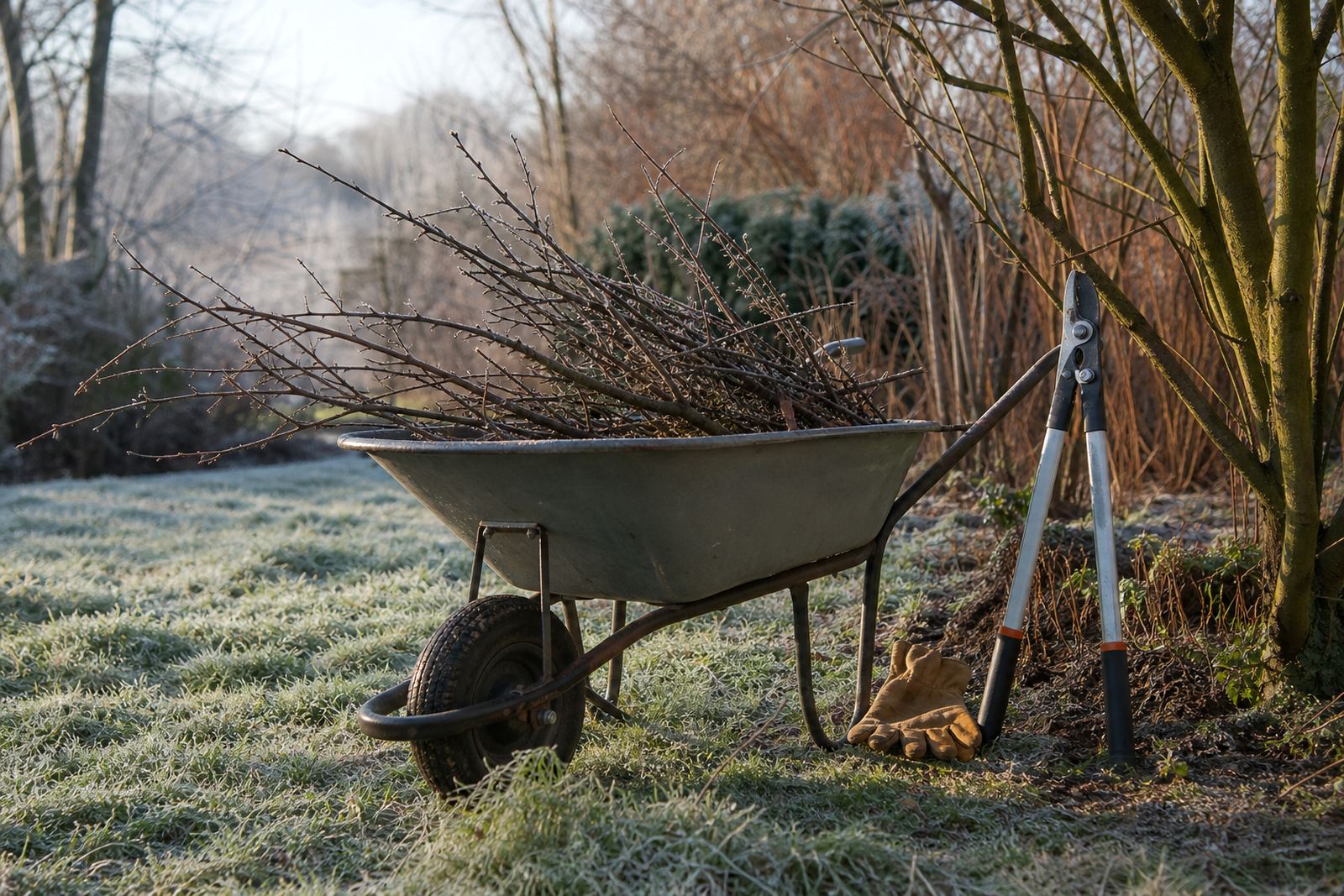
Good tool handling matters just as much as good timing. Match the tool to the stem size rather than forcing a secateur beyond its limit. For branches that are too thick for hand shears, use loppers with proper leverage so you do not twist the stem. In load-shedding areas where garden work gets done in short daylight windows, having tools ready before you go outside saves time and lowers the chance of rushed cuts.
- Wipe blades between plants if one shows signs of disease.
- Sharpen edges before the season starts, not after the job is half done.
- Check spring tension and replace worn grips if your hands slip.
- Remove sap and rust after use so the next cut stays clean.
A Pietermaritzburg winter example: backyard hedge and shrub care
A homeowner in Mkondeni with a mixed boundary hedge and a few flowering shrubs should take a measured approach in June or July. The hedge can be lightly shaped to keep pathways clear and reduce wind catch, while the shrubs should be inspected one by one. If a shrub has crossed branches rubbing in the middle, those can come out. If it is due to flower soon, only dead tips and weak growth should be removed.
This sort of winter plan works well across Pietermaritzburg because the city can swing between dry spells and sudden rain. A plant that is overcut in a dry week may struggle more when the next cold snap arrives. By keeping the cuts modest, you make the garden easier to manage through the rest of winter and into early spring.
Build a simple winter pruning checklist before you start
A checklist keeps the work practical and stops you from cutting too much because the plant looks untidy. Start by walking the garden with secateurs in hand and noting what is dead, damaged, crossing or too close to a wall, path or window. Then decide which plants are safe for winter shaping and which should wait.
- Inspect every plant from the base upward.
- Mark any dead or diseased sections for removal.
- Set aside thicker branches for loppers instead of forcing secateurs.
- Plan a second pass only if the first cuts still leave the plant balanced.
- Clear cuttings as you go so you can see the structure properly.
For bigger gardens around Howick, Hilton or the Durban suburbs, this step is useful when multiple beds need attention at once. It stops the job turning into a rush and helps you finish with cleaner edges, fewer mistakes and less strain on your hands.
Keep tools and hands ready for the next round
Winter pruning is easier when tools are looked after between jobs. Clean blades, remove rust early and check that pivots are not loosening. If a tool starts pinching or the handles feel uneven, it is time for servicing before the next round of work. A sharp, balanced tool reduces fatigue and gives a neater finish, which matters when you are pruning several properties or moving from one section of a garden to another.
That applies to home gardeners too. One afternoon of maintenance can save many frustrating cuts later, especially on tougher stems and older hedges. If you are pruning in a coastal area with humid air, be extra careful about drying and storing tools properly. A little care now keeps winter jobs moving and helps the garden recover well once the weather warms up.