Why comfort matters before the first cut
Garden tools are often judged by blade size or cutting power, but the way a tool feels in the hand is just as important. A secateur that bites into your palm, a lopper with poor balance, or a hedge tool that feels nose-heavy will slow you down and leave your wrists tired. In Pietermaritzburg, where many gardens mix soft summer growth with tougher winter pruning, comfort is not a luxury, it is part of getting the work done properly.
For home gardeners, better comfort means you can finish smaller jobs without taking breaks every few minutes. For landscapers, it helps teams keep a steady pace on larger properties from Durban to Pretoria. When a tool suits the job and the user, the cuts are cleaner and the risk of slipping is lower.
- Less hand strain during long pruning sessions
- Better control on fine cuts and shaping work
- Cleaner work with fewer missed cuts or crushed stems
Handle shape and grip feel in daily use
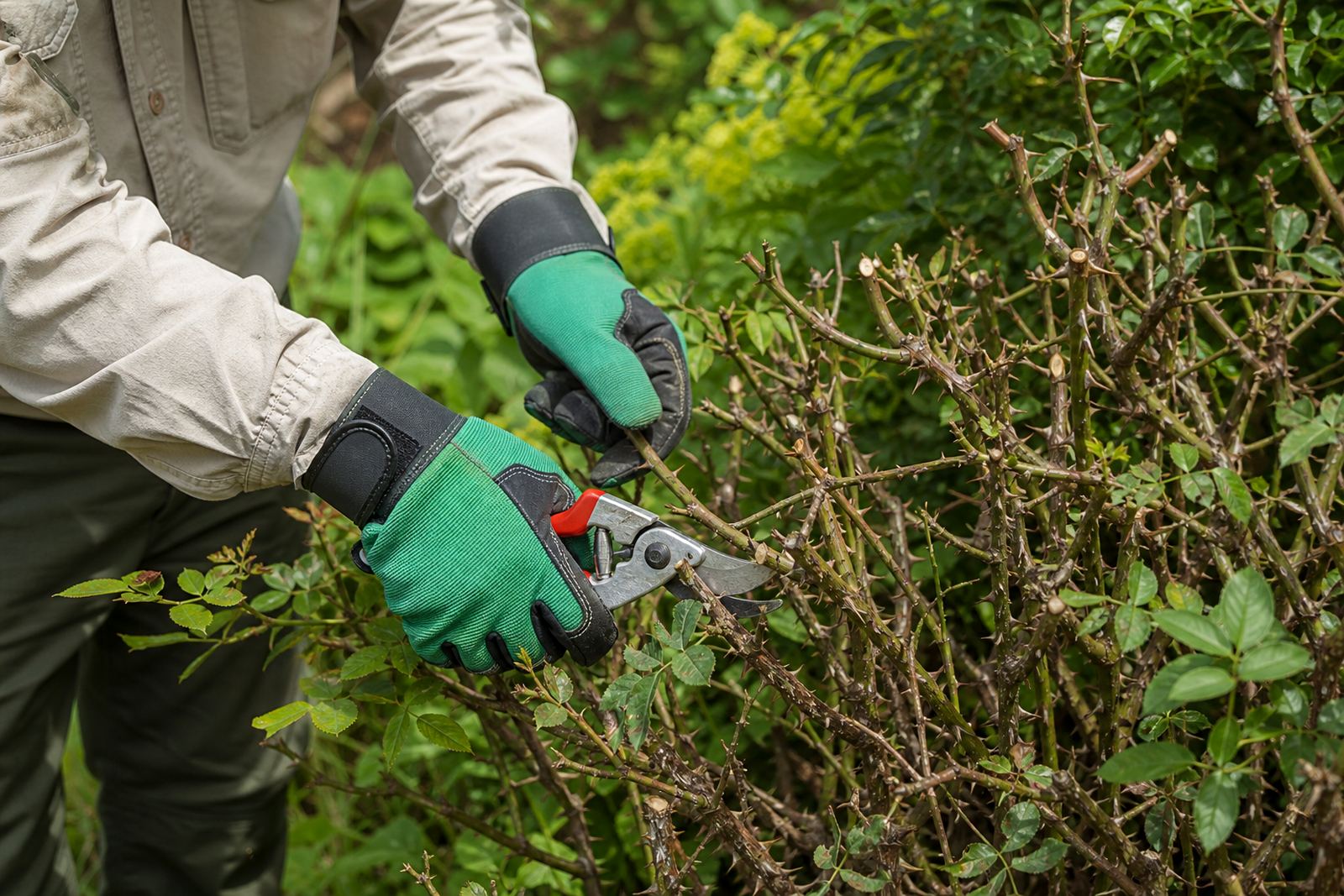
Handles do most of the work when it comes to comfort. A good grip should feel secure without needing a death grip, even when hands are damp from morning dew or sweat. In coastal areas like Durban and Gqeberha, moisture can make smooth handles feel slippery, so textured or shaped grips are useful. In the Midlands, where mornings can be cold and wet, comfort also depends on how the handle fills the hand when you are wearing thin gloves.
Look for handles that spread pressure across the palm instead of creating one hard point. Rounded edges help if you are using the tool often through the week. Soft grip coverings can be helpful, but they must also stand up to sun, dust and regular washing. If the grip gets sticky or cracks after a season, it becomes a problem rather than a feature.
- Textured grips help in hot or damp conditions
- Rounded handle edges reduce pressure points
- Grip size should suit the user, not just the tool rating
Weight balance and how it affects control
A tool does not only need to be light, it needs to feel balanced. A very light tool that is badly balanced can still feel awkward, while a slightly heavier tool with good weight distribution may feel easier to guide. This matters most with loppers and hedge tools, where the user is lifting, swinging and holding the tool out from the body.
Balanced tools help reduce shoulder fatigue and make repeated cuts smoother. That is useful on bigger properties in Johannesburg or Pretoria, where hedge lines can run long and pruning jobs often take most of the morning. For smaller urban gardens in Hilton or Howick, better balance helps with precise work around beds, pots and boundary plants. If the blade end feels too heavy, your wrist does extra work and your cuts tend to drift.
When testing a tool, hold it at working height for a few seconds. If the handle feels like it is pulling your arm forward, the balance may not suit you. The best tool is the one that lets you work naturally without thinking about every movement.
Spring action, pivot movement and cutting effort
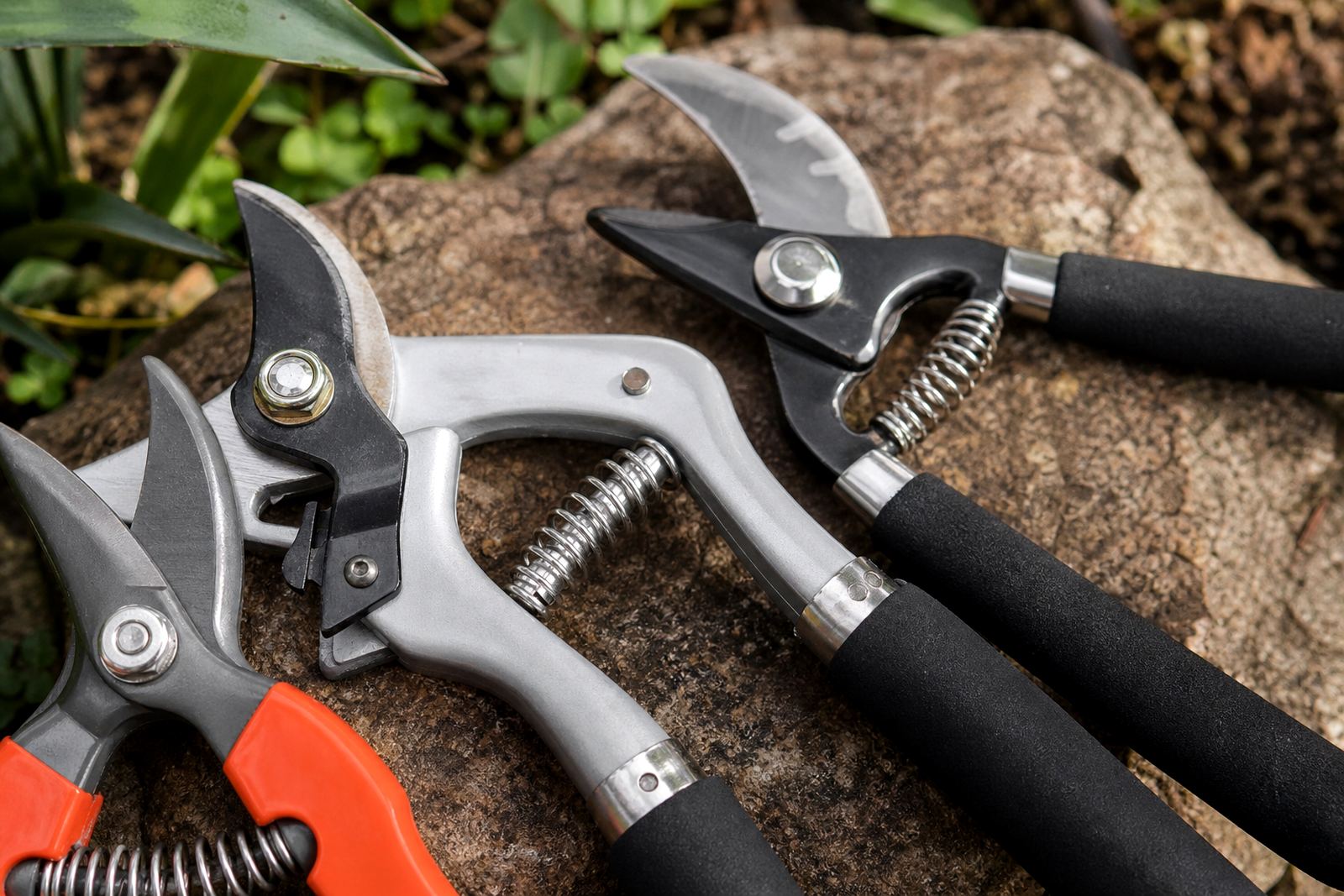
Good action makes a big difference to comfort. On secateurs and some pruning tools, a well-set spring helps the blades open again after each cut, which reduces hand fatigue. The same applies to loppers with smooth pivot movement, where the tool should open and close without sticking or grinding. If the pivot is loose, the blades can twist. If it is too tight, the cut feels stiff and tiring.
Tools used in South African gardens often pick up sap, dust and rust from regular outdoor use. That means the action can change over time. A tool that felt easy in spring may become heavy by mid-summer if the pivot is dirty or the spring weakens. Regular servicing keeps the action consistent and helps the tool last longer.
- Spring replacement can restore easy opening and closing
- Pivot adjustment improves smooth movement and cut control
- Deep cleaning removes sap, dirt and rust that affect action
Comfort for different hands and working styles
There is no single comfort feature that suits everyone. A landscaper trimming hedges for hours may want a larger grip and a tool with solid leverage. A home gardener doing quick rose pruning may prefer a lighter secateur with a smaller handle. The right fit depends on hand size, strength and the type of work being done.
In family gardens, tools are often shared, so comfort needs to be practical across more than one user. That is why adjustable features matter. A secure pivot, a grip that can be replaced, and a blade that stays sharp all help different people use the same tool with less strain. For older gardeners or anyone recovering from wrist trouble, this can make the difference between finishing the job and leaving it half done.
- Choose grip size to match the main user
- Replace worn grips before they become slippery
- Keep blades sharp so less force is needed per cut
Local conditions that change comfort on site
South African garden work puts tools through varied conditions. Along the coast, humidity can affect grip and encourage rust. Inland, dry dust and hard stems can make cutting feel heavier. In Pietermaritzburg and surrounding suburbs, tools may be used on everything from soft hedging to woody shrubs and winter clean-ups. That means comfort is not only about feel in the hand, but also how the tool performs after exposure to weather and regular use.
Municipal hedge rules, verge trimming and boundary maintenance also mean many people do jobs quickly before refuse collection days or after weekend growth. When the tool is comfortable, those tasks take less effort and the finish is neater. A clean blade, smooth pivot and sound grip matter just as much on a small townhouse garden as they do on a larger estate or commercial property.
For teams managing several sites, planned tool care is worth considering. Inspections, blade sharpening and servicing keep comfort features working properly, so the tool does not become harder to use month by month.
Simple checks before you buy or service a tool
If you are choosing new pruning gear or deciding whether to repair an older one, a few quick checks will tell you a lot about comfort. Hold the tool in the same position you would use on the job. Open and close it several times. Check whether the handles press into the palm, whether the tool feels nose-heavy and whether the cutting action needs extra effort. A tool can look fine on the shelf and still feel awkward after ten minutes of actual use.
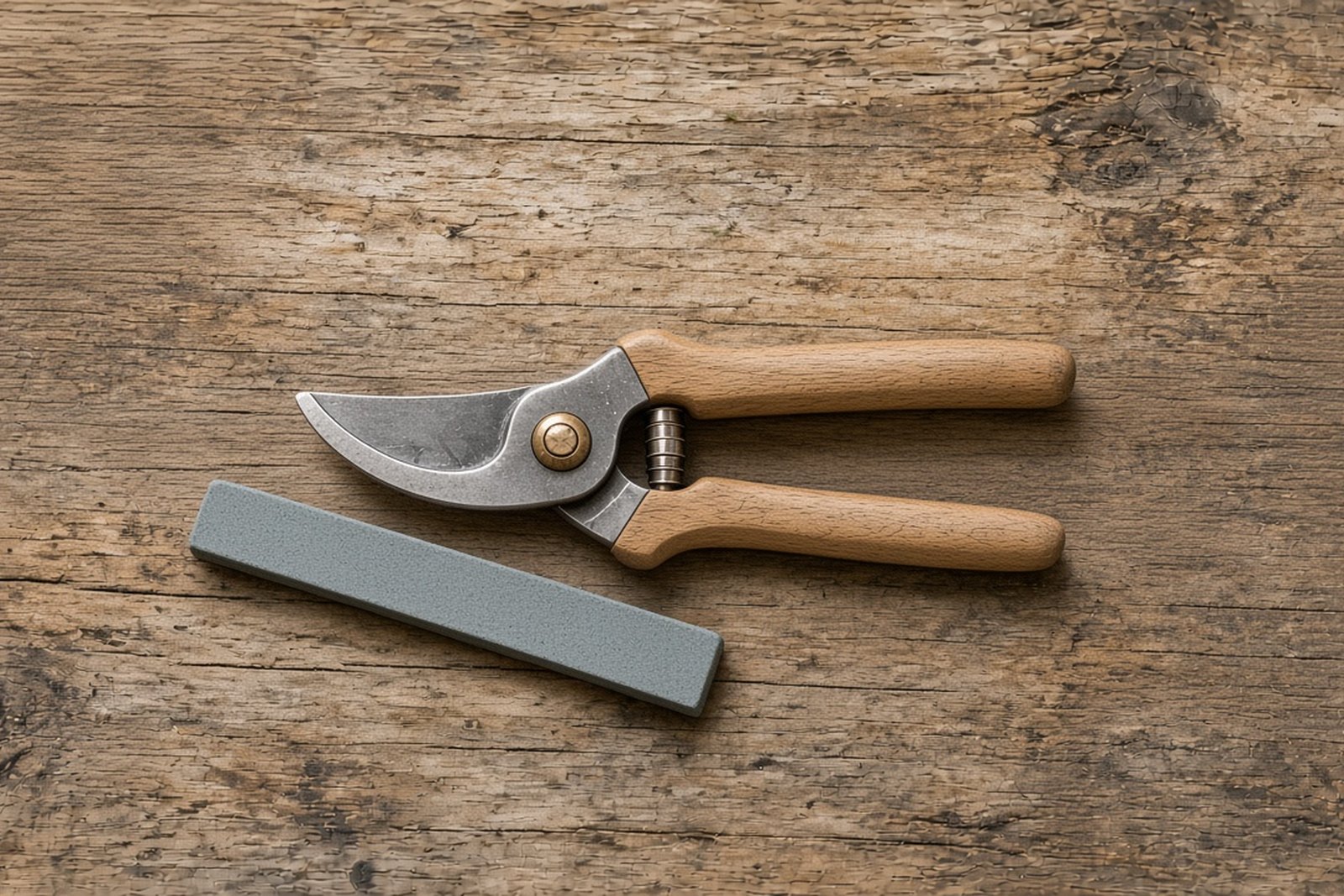
It also helps to think beyond the purchase. A comfortable tool stays comfortable only if it is maintained. That includes sharpening, rust removal, spring replacement, grip replacement and proper pivot adjustment. In many cases, a good servicing can bring an older tool back into regular use and save money compared with replacing it too soon.
- Test the tool in hand before deciding
- Check balance, grip pressure and opening action
- Plan for servicing so comfort does not fade with use