Why autumn tidy-up work matters in South African gardens
As growth slows, many gardens across Pietermaritzburg and the coast start to look uneven. Some shrubs keep pushing soft shoots, while others drop leaves and expose weak stems. That is the moment to step in with a proper tidy, not a hard chop.
In KwaZulu-Natal, autumn can still bring warm days and sudden rain, so plants do not always behave as if winter has arrived. A careful clean-up helps reduce disease, opens air flow around dense hedges and keeps paths, lawns and beds safer to walk through. It also stops small jobs turning into a messy backlog later.
For home gardeners and landscapers alike, the aim is simple: remove what is dead, damaged or crossing, then shape what needs structure. In suburbs from Hilton and Howick to Durban North and Pietermaritzburg CBD, that approach saves time and gives a neater finish without stressing the plant.
Start with a clear view of what should stay
Before you cut anything, walk the garden and look from a distance. Check where branches rub, where plants are blocking windows or driveways, and where old growth is trapping moisture. It is easier to spot the real problem when you step back a few metres.
Work from the outside in. Remove broken twigs, dead tips and stems that are clearly diseased. Then thin out crowded areas so light and air can move through the plant. If you are not sure, make a small cut first and wait rather than taking too much off in one go.
- Look for brown, brittle or split stems first
- Cut back growth that is crossing or rubbing
- Clear branches over paths, taps and gates
- Check for pest damage before you finish
- Leave healthy green growth if the plant still needs energy
Use the right tool for the right cut
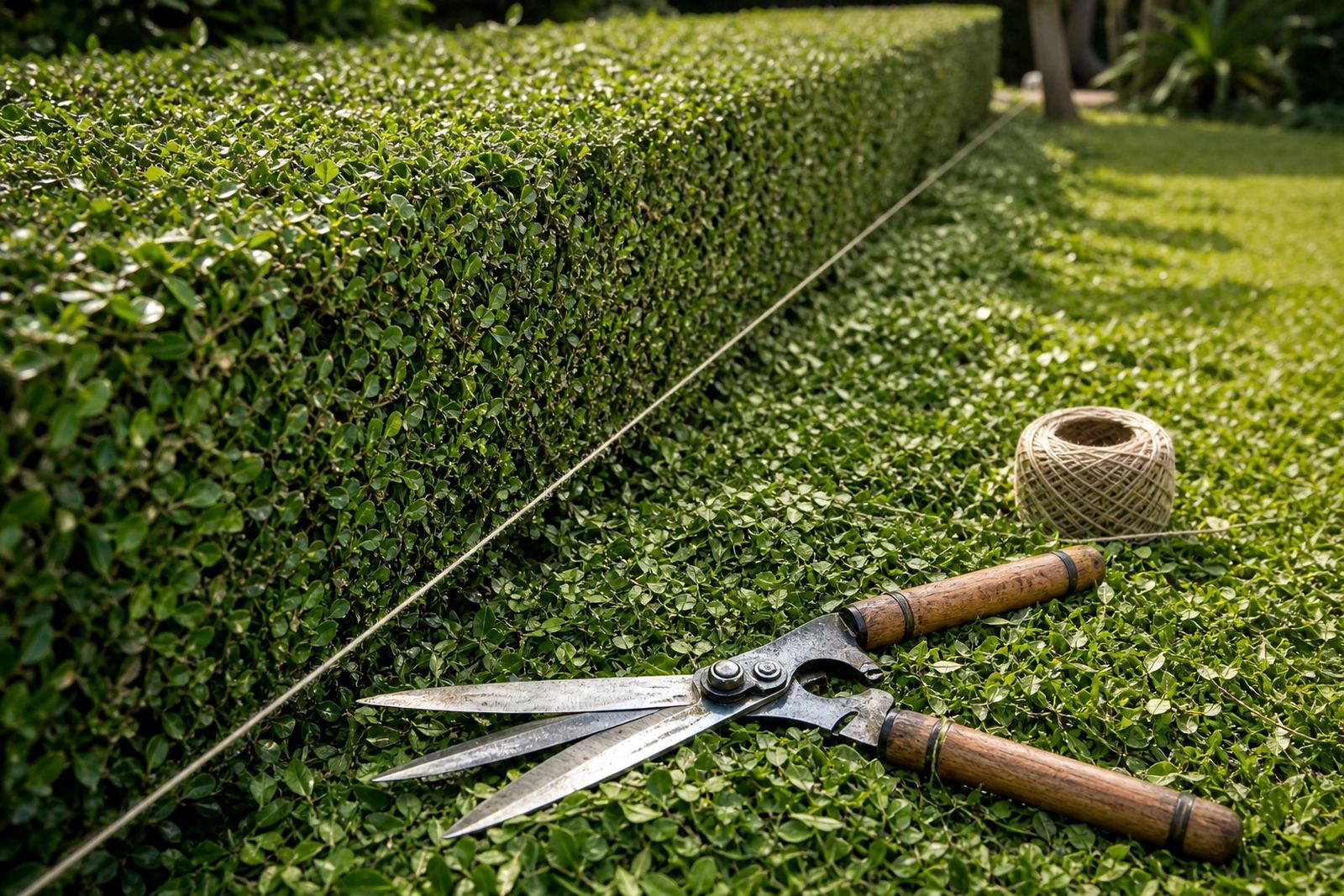
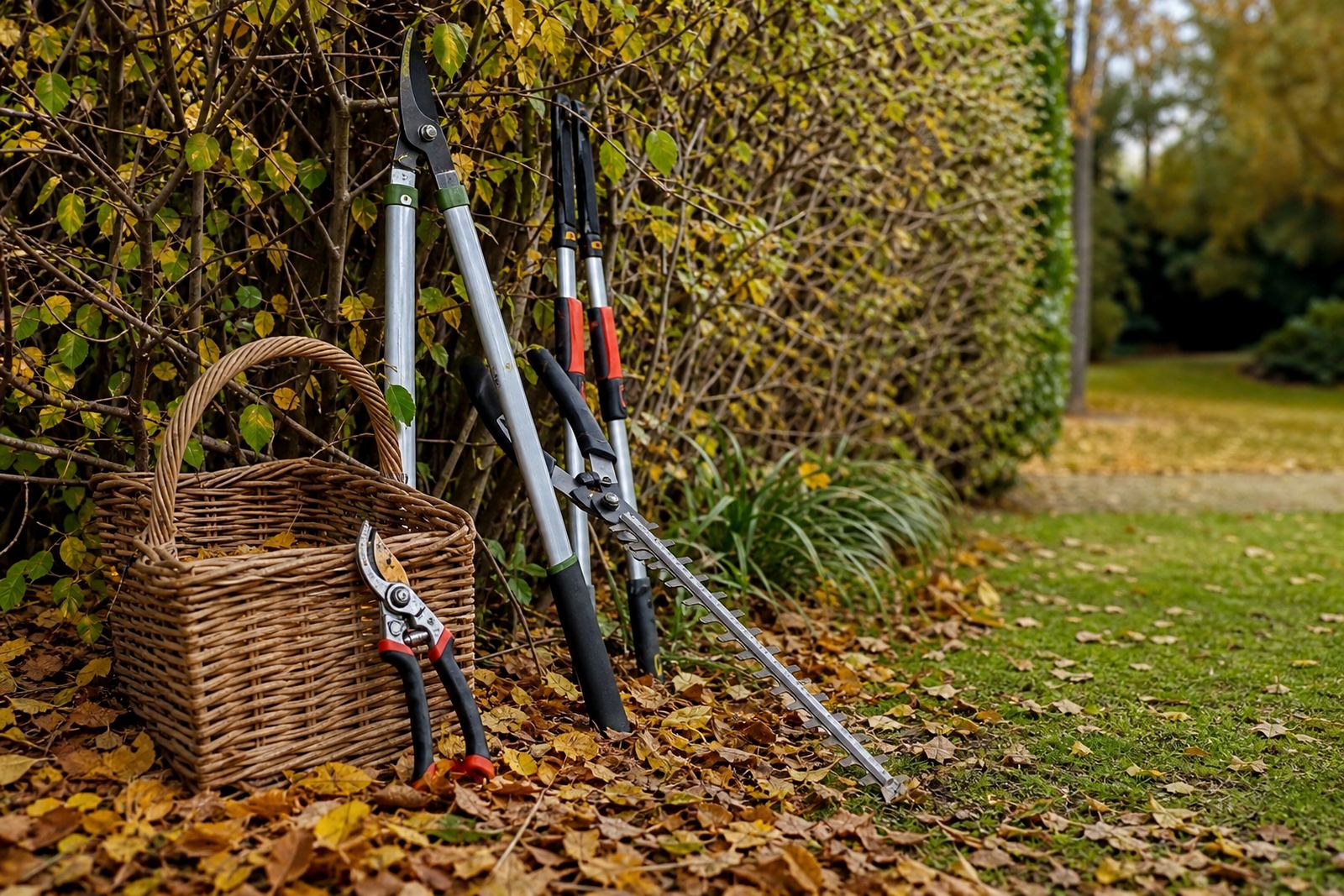
Good autumn results depend on clean cuts. A sharp secateur handles thinner stems neatly, while loppers are better for thicker branches that need more leverage. Hedge tools are best for shaping longer runs of soft growth and keeping edges even. When the tool fits the job, you use less force and the plant heals better.
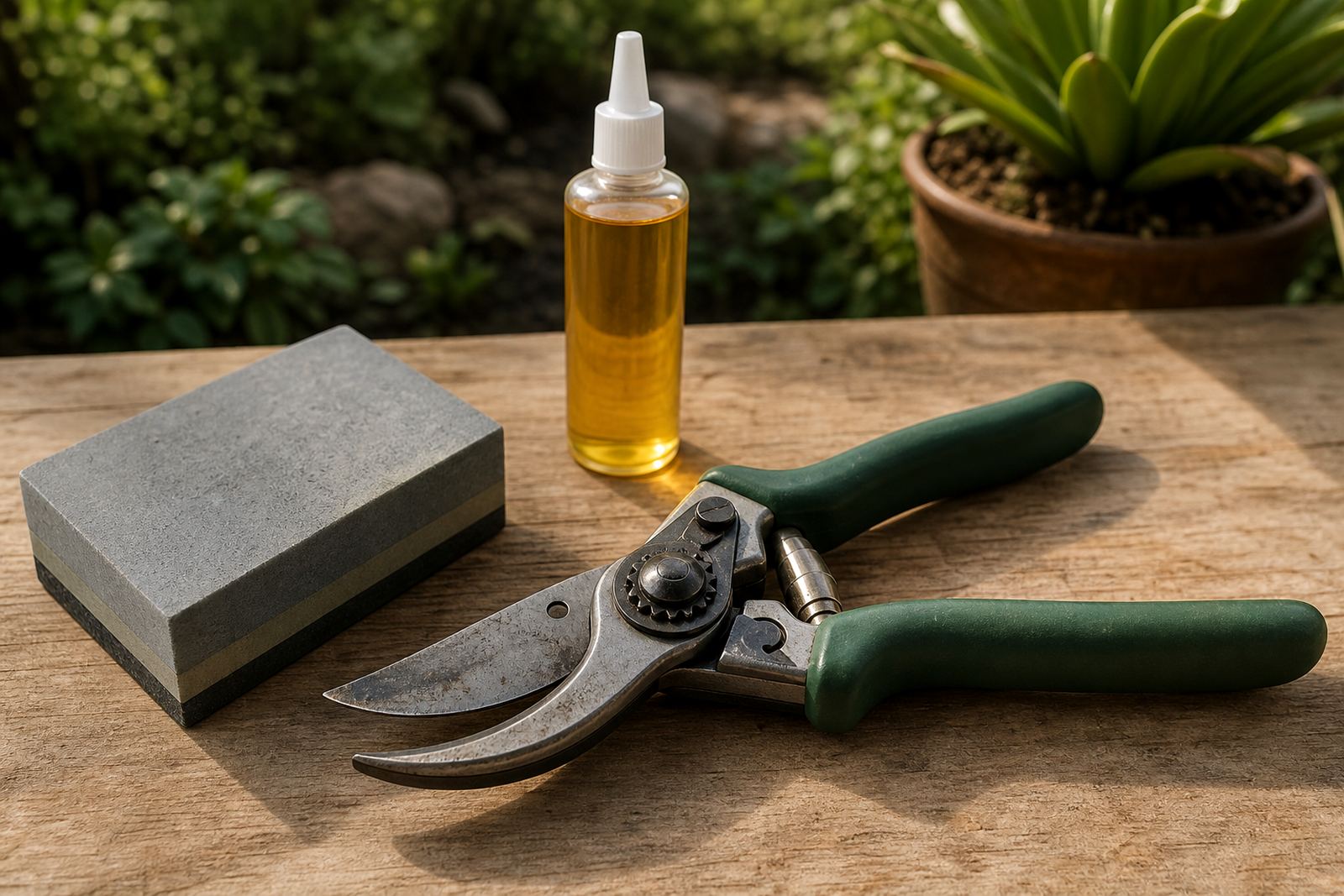
Blunt blades crush stems instead of cutting them. That can leave ragged edges, invite rot and make the job harder on your hands and wrists. If your secateurs are sticky or the pivot has gone tight, sort that out before you start a bigger round of pruning. In humid areas like Durban and along parts of the coast, rust can build quickly if tools are put away damp.
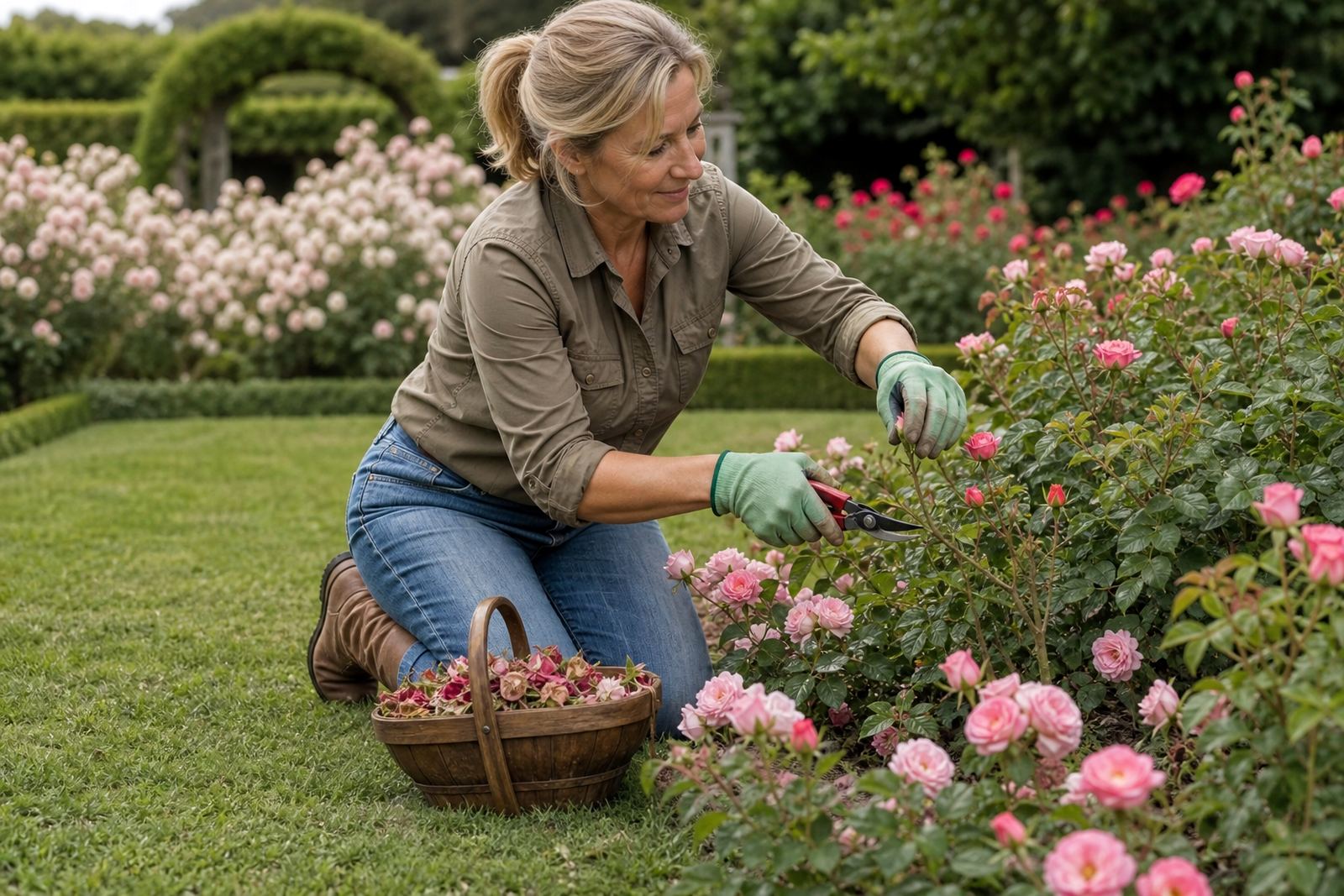
- Use secateurs for small stems and deadheading
- Use loppers for thicker branches and woody stems
- Use hedge tools for straight, repeated cuts on soft growth
- Wipe blades during the job to keep them cutting cleanly
- Keep a spare blade or serviced tool ready for longer clean-ups
A practical autumn routine for beds, hedges and borders
A sensible autumn tidy does not need to happen all at once. Break it into parts so you can finish each section properly. Start with beds near the house, then move to the fence lines, boundary hedges and fruiting shrubs. If load-shedding affects your schedule, use daylight hours well and keep a checklist so you do not repeat work.
Clear fallen leaves from damp corners, because they can mat down and hold moisture against stems. Lift heavy debris off the lawn so the grass does not yellow under it. In garden corners where water lingers, trim back growth to improve drying and reduce fungal problems. For larger properties in Gqeberha or Pretoria where wind can dry plants out quickly, balance the cut with a bit of shelter left in place.
- Remove leaf piles from drains, patios and paving joints
- Edge overgrown borders for a sharper finish
- Trim hedges lightly rather than shearing them flat all at once
- Check sprinkler heads and taps before the dry spell deepens
- Bag and remove diseased material, do not compost it casually
Tool care after the clean-up keeps the next job easier
Once the pruning is done, clean the tools before you hang them up. Sap, dust and damp grass shorten blade life and make the next cut rougher. A quick wipe, a proper dry and a light service after use can keep a tool working well through the season.
At the end of autumn, inspect handles, springs, pivots and grips. If a spring is weak or a grip has split, the tool becomes uncomfortable and less safe to use. A small repair now is usually cheaper than replacing the whole item later. That matters for landscapers running multiple properties and for home gardeners who want reliable gear for weekend work.
- Clean sap and dirt off blades straight after use
- Dry tools fully before storing them
- Check for rust and treat it early
- Test the pivot and spring action
- Replace worn grips before they cause blisters
When to call in servicing and how local support helps
Not every tool problem needs a new purchase. If blades are dull, pivots are loose or a lopper is sticking, servicing can restore useful life and improve cutting control. For teams working across Pietermaritzburg, Hilton, Howick and beyond, keeping a few tools in top condition helps the whole job run better.
Cut Tools Garden supports garden pruning shears, loppers and hedge tools with blade sharpening, secateur servicing, lopper servicing, hedge shear servicing, spring replacement, grip replacement, pivot adjustment, rust removal, deep cleaning, parts fitting and tool inspections. That kind of care is especially useful after a wet autumn, when blades and joints can start seizing up sooner than expected.
Based in Mkondeni, Pietermaritzburg and serving clients across Durban, Johannesburg, Pretoria, Cape Town and Gqeberha, the focus is on keeping tools comfortable to use and ready for the next round of garden work. If a hedge tool is dragging or a secateur is not closing cleanly, sort it before it becomes a bigger problem.
A Pietermaritzburg example that shows the value of timing
In a Pietermaritzburg garden with a mix of boundary hedge, rose beds and a few older shrubs, autumn is often the best time to reset the shape before winter growth slows right down. A tidy done in late April can take pressure off the plants and make the whole property look cared for without stripping it bare.
A local landscaper might start with the roadside hedge, then move to the back beds where leaves collect after windy afternoons. Light thinning, careful deadwood removal and a final clean along the edges can turn a tired space into something orderly and easy to maintain. It also means less work when spring growth returns, which is when many gardens suddenly need attention all at once.
That is the real value of an autumn tidy: not just a neater garden today, but less stress on the plant, less strain on the gardener and fewer surprises later in the season.