Why a sharp edge matters in the garden
A clean cut heals faster than a torn one. When a blade is blunt, it crushes stems instead of slicing through them, and that can leave roses, shrubs and hedge plants open to stress and disease. In warm, damp places like Pietermaritzburg and Durban, that matters even more because moisture can slow drying and make soft tissue more vulnerable.
Sharp tools also reduce strain on your hands, wrists and shoulders. A pruner that is properly honed needs less force, which is helpful for home gardeners doing weekend maintenance as well as landscapers cutting all day. On large jobs, that extra effort adds up quickly, especially when teams are working through a list of properties in one morning.
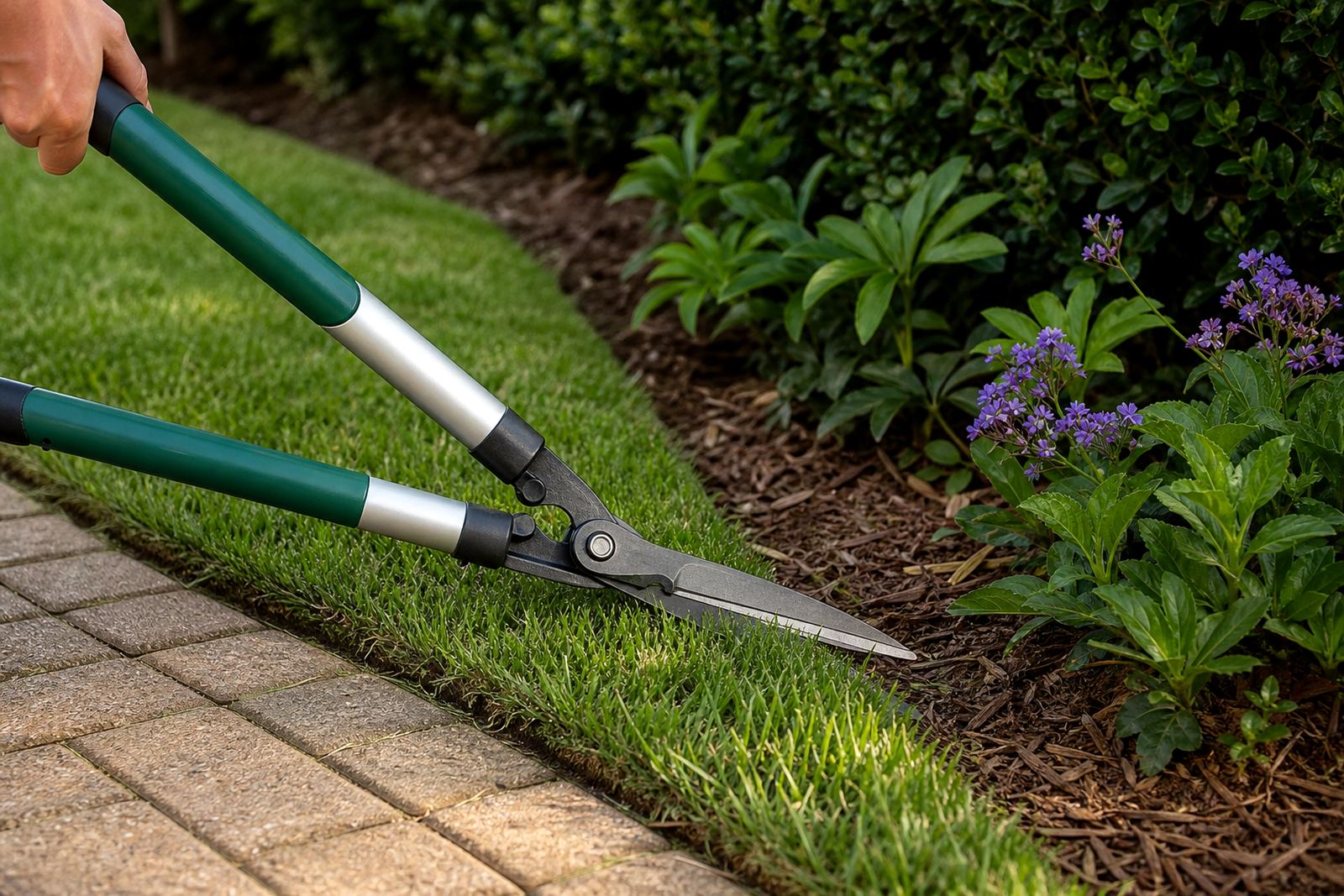
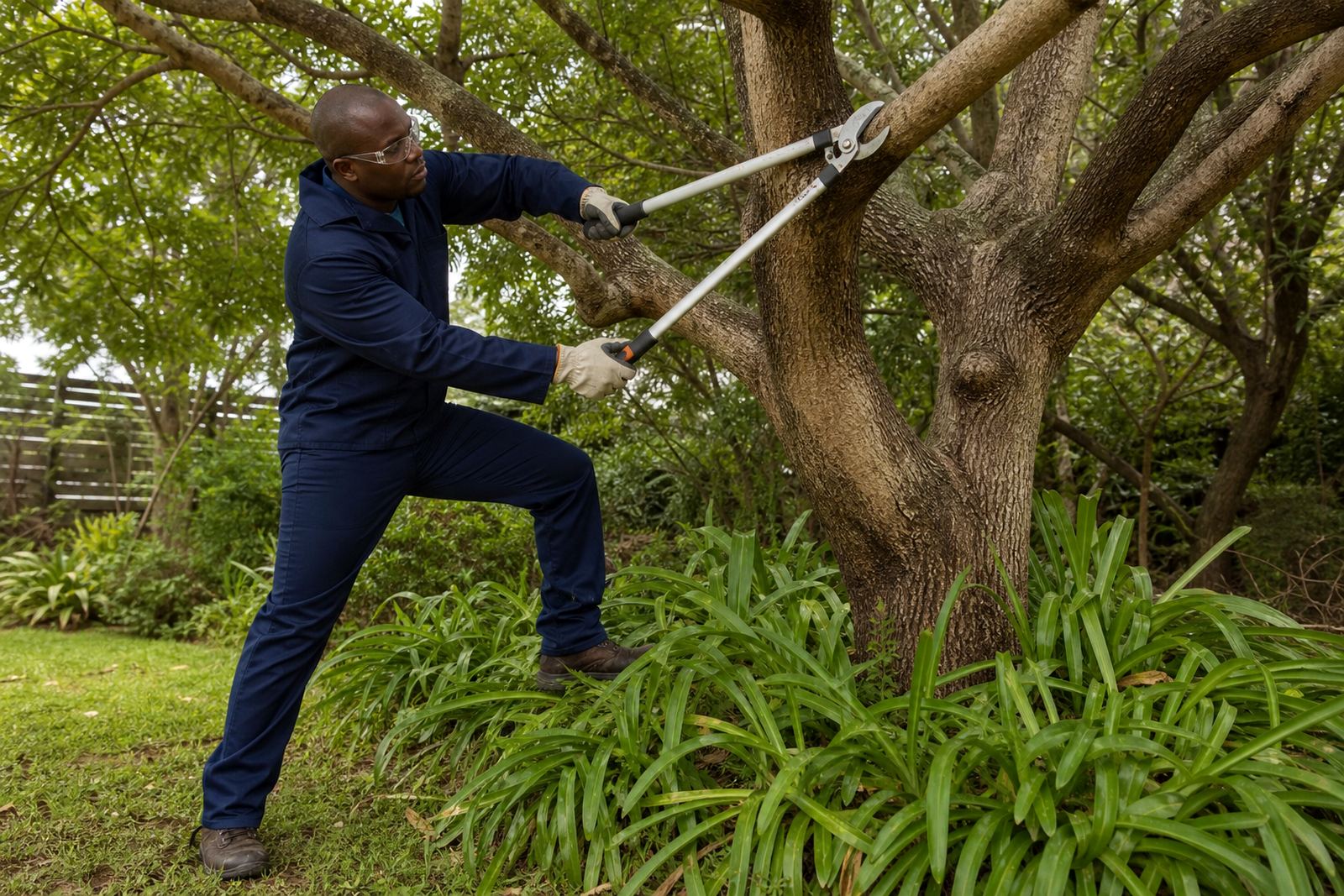
It is worth remembering that not every tool fails in the same way. Secateurs go blunt at the cutting edge, loppers lose bite on thicker branches, and hedge shears often become uneven from repeated use. The fix starts with knowing what the tool should be doing and spotting when it has begun to drag.
Signs your pruning tools need attention
You do not need workshop experience to tell when a tool is overdue for service. There are a few clear signs that show up during normal garden work, and they are usually easy to notice. If you start forcing cuts, squeezing harder than usual or making two cuts where one should be enough, the blade probably needs attention.
- Branches are crushed or split instead of cut cleanly
- The tool sticks halfway through a cut
- Fresh sap builds up faster than usual on the blade
- Hinges feel loose or the handles wobble
- You see shiny flat spots on the cutting edge
- Rust marks are starting around joints or springs
It is also common for the cutting action to feel uneven. One side may close faster than the other, or the blade may miss the counter blade on bypass tools. That does not only affect performance, it can also bend the cutting line and make the tool harder to control. If you are working on thorny hedges or fine stems, poor alignment becomes a real problem.
A simple sharpening routine that fits South African conditions
A good routine is not complicated. For most gardeners, the key is to clean after use, inspect weekly during heavy growing months, and sharpen before the edge becomes visibly damaged. In summer, when growth is fast in KwaZulu-Natal and many gardens need more frequent trimming, tools often need checking more often than in winter.
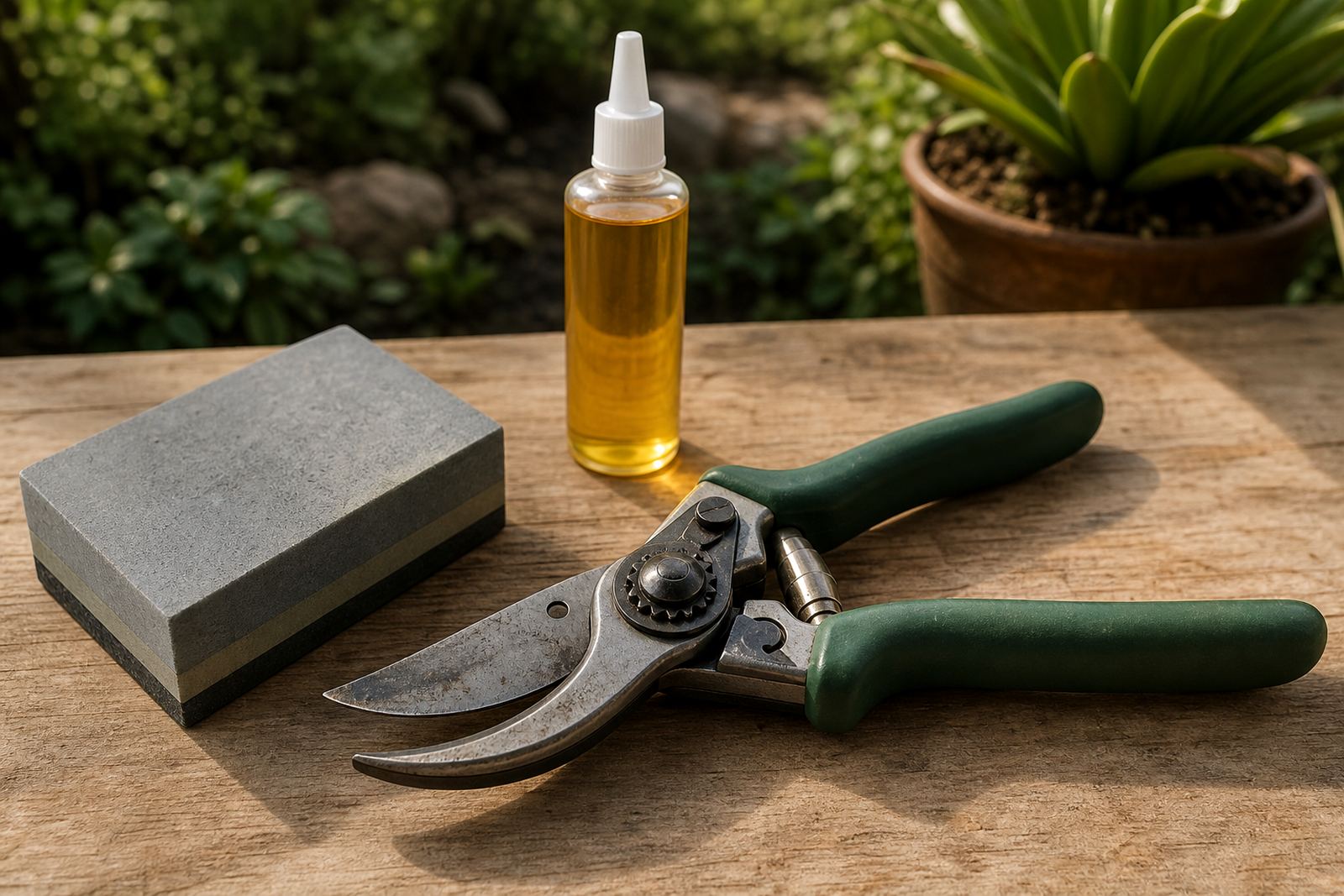
Start by wiping off sap and dirt after each session. Dry tools fully before storage, especially near the coast where humidity can leave a thin film of moisture on metal overnight. A small amount of oil on the hinge and blade face helps slow rust, but keep it light so dust does not stick to it.
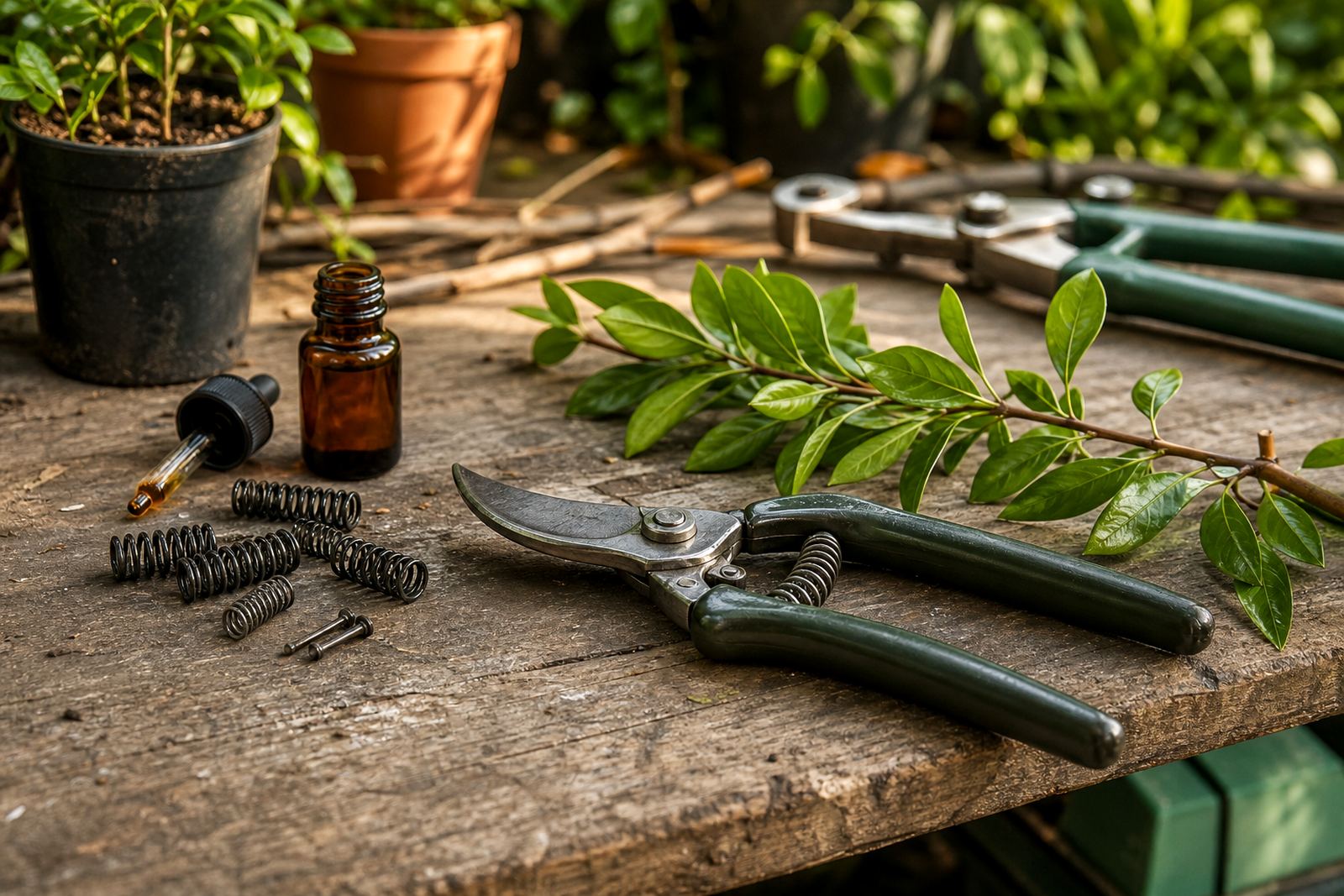
When sharpening, follow the existing angle of the blade. Do not grind away more metal than needed. A few careful passes are usually enough for normal maintenance, while heavily nicked edges may need a proper service. If the tool has a sprung action, check the spring at the same time because a sharp blade is only part of the job.
- Clean sap and soil after every use
- Sharpen lightly before the edge goes dull
- Dry tools completely before putting them away
- Oil pivots and moving parts sparingly
- Store tools off the floor in a dry shed or cupboard
What to do after coastal rain or inland dust
South African gardens are not the same from one province to the next. On the coast, tools can rust quickly if they are left in a damp garage after a rainy afternoon. In inland areas like Pretoria or Johannesburg, fine dust can collect in pivots and spring housings, which makes the action gritty and hard on the hand. Both conditions call for a bit of extra care.
After working in wet grass or sandy soil, rinse the blade carefully and dry it straight away. If the tool has a locking mechanism, open it fully so trapped water can escape. For hedge shears, pay attention to the pivot bolt and the inner faces of the blades because those spots often hold moisture longer than the rest.
Load-shedding can also affect how teams store and service tools. Without a powered storage area or light in the shed, it helps to keep a simple manual routine: clean, dry, oil and inspect before putting equipment away. That habit is easy to maintain even when the workday gets interrupted.
Matching the edge to the job
Not every cutting task needs the same finish. Fine pruning on shrubs and roses benefits from a crisp edge that slices cleanly through soft growth. Loppers need a tougher, well-aligned edge because they work on thicker branches and take more pressure. Hedge tools need consistent sharpness along the full blade length so the cut line stays even across the hedge face.
If one tool is used across too many jobs, wear happens faster. A pruner used on wire, hard dead wood or garden rubble will dull much quicker than one used only for live stems. The same goes for hedge shears that are pushed through thick woody growth. The right tool for the right cut lasts longer and gives neater results.
For landscapers managing multiple properties, a fleet care plan can help keep different tools in good order. It makes sense when several workers share equipment and one blunt blade can hold up a whole morning's work. In our experience, small fixes done early are far easier than waiting until the edge is badly damaged.
When servicing makes more sense than sharpening alone
Sharpening helps, but some tools need more than that. If a blade has chips, a bent arm, worn springs, loose pivots or rust that has gone deep into the metal, a proper service is the better option. That is also true when the handles have lost grip or the tool no longer closes cleanly.
At that point, a full inspection can include blade sharpening, secateur servicing, lopper servicing, hedge shear servicing, spring replacement, grip replacement, pivot adjustment, rust removal, deep cleaning, parts fitting and tool inspections. For garden crews, it can be worth checking all hand tools together before the main growing season begins rather than waiting for failure during a busy week.
In Pietermaritzburg and across nearby areas like Hilton and Howick, many gardeners prefer to sort out tool maintenance before the heavy summer trimming starts. That is practical, because once the grass grows fast and hedges need attention, there is less time to deal with tired equipment.
A local habit that saves time and money
Keeping tools sharp is one of those small habits that pays for itself. It reduces effort, improves the finish and helps avoid damage to plants. It also extends the working life of tools, which matters whether you are maintaining a family garden in Durban or managing a larger property in Cape Town or Gqeberha.
A good rule is to inspect tools at the end of the day, then give them a proper clean and touch-up before they go back in the shed. If you notice a tool fighting you more than usual, do not wait for the next job to remind you. A little care now is cheaper than replacing worn equipment later.
For many South African gardeners, that routine becomes second nature. Once it does, pruning feels lighter, cuts look cleaner and the whole job runs better.