
What edge shears do that a mower cannot
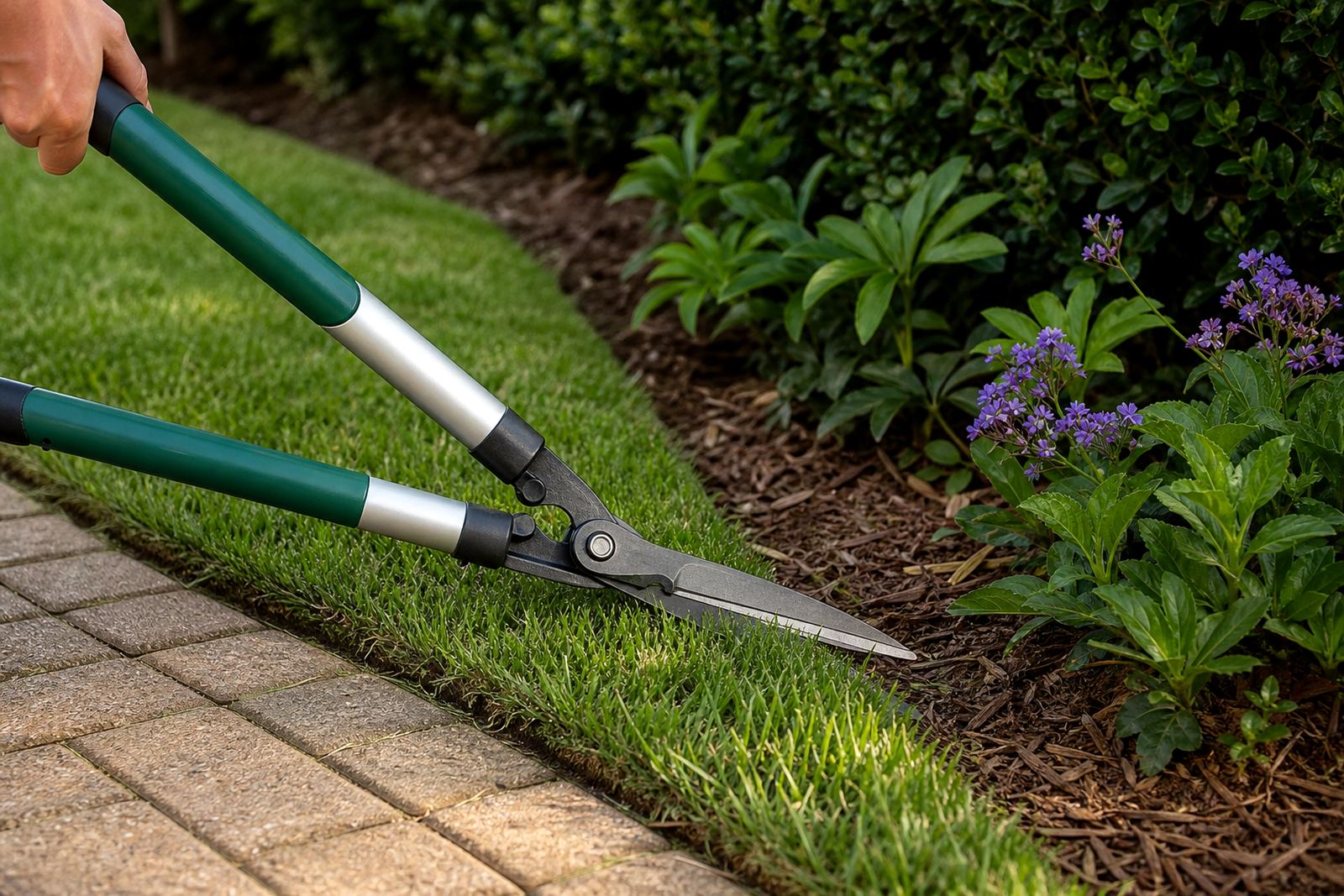
Most lawns in Pietermaritzburg and across KZN have awkward edges: against a wall, under a low hedge, beside a driveway, or around a tree pit where the mower deck simply will not fit. Grass edge shears solve that problem by letting you cut by hand right at the border. They are made for precision, not speed, so the finish is neater where the mower leaves straggly tufts.
For home gardeners, that means the lawn looks properly finished after mowing. For landscapers, it means you can tidy customer properties without dragging out a machine for a small job. On wet coastal weeks in Durban or after a summer shower in Howick, a hand tool also helps you work carefully around soft ground where a heavy machine can leave marks.
How to choose the right pair for your garden
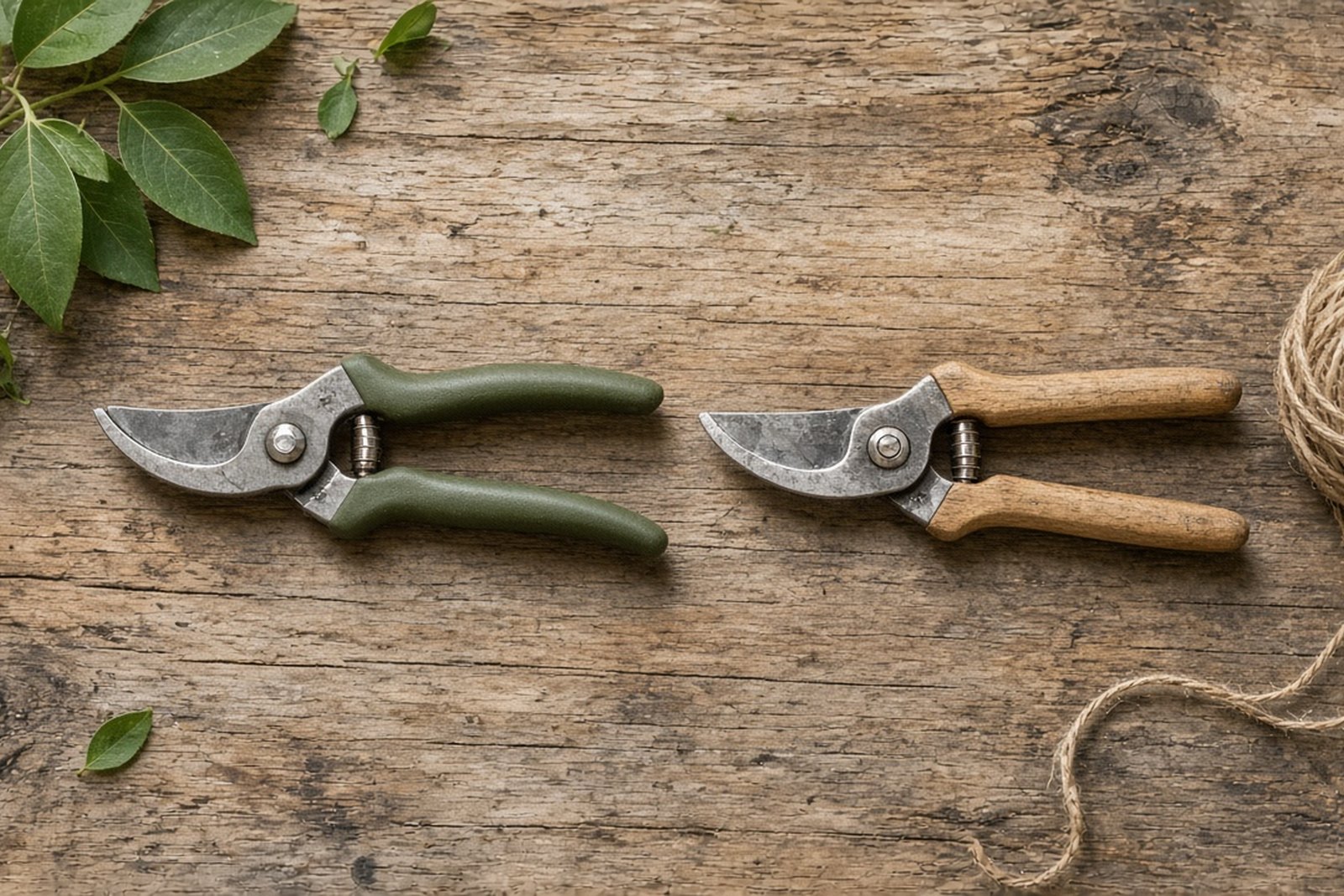
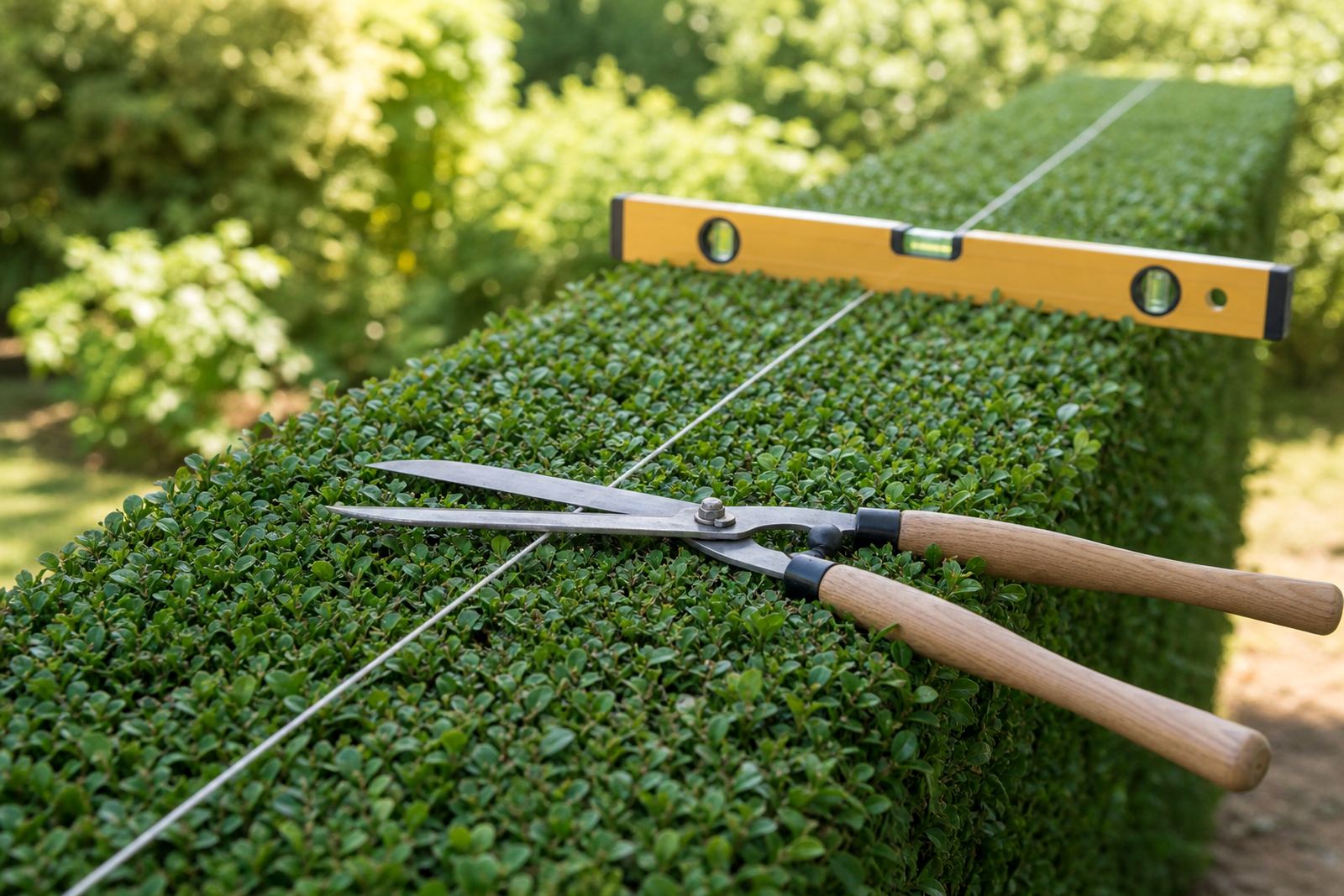
Edge shears come in different blade lengths, handle shapes and cutting angles. The right choice depends on how often you use them and how much bending you want to do. Shorter blades can feel lighter and easier for detailed work, while longer blades cover more ground along a border. Some gardeners prefer longer handles to reduce strain on the lower back and knees, especially on larger properties in Pretoria or on sloped lawns around Pietermaritzburg.
Look for clean closing action, firm pivots and grips that do not slip in damp weather. If you garden early in the morning or after load-shedding has interrupted a routine, you want a tool that is ready to grab and use without fuss. Comfort matters more than people expect, because edge trimming is often done at the end of a bigger job when hands are already tired.
- Choose blades that close cleanly without leaving frayed grass ends.
- Check handle grip comfort if you trim for more than 15 to 20 minutes at a time.
- Prefer a tool with solid pivot adjustment so the cut stays accurate.
- Keep the weight manageable if you work on larger edges or commercial sites.
Where edge shears make the biggest difference
Edge shears are not only for neat display lawns. They are useful anywhere a mower misses, including along boundary fences, paving joints, stepping stones, pool edges and garden bed borders. In Gqeberha, where wind and salt air can dry out lawns and leave ragged growth, regular edge trimming helps keep the line tidy and stops the grass from creeping into hard surfaces. In Johannesburg and Cape Town, many gardens have compact spaces and paved areas, so edge shears are often the quickest way to finish the job properly.
They are also helpful where the line between lawn and bed needs to stay clear for irrigation, fertiliser and mulch. If grass starts pushing into the beds, it takes longer to pull back later and can make maintenance untidy. A small, sharp cut every few weeks is easier than a big rescue after the border has spread.
- Use them after mowing so you can follow the clean line left by the mower.
- Trim around trees, paving and wall bases where blades cannot safely reach.
- Keep borders sharp before garden visits, open days or estate inspections.
- Use them for touch-ups between full lawn cuts, not only at month end.
Technique that gives a straight edge without damaging the lawn
The best results come from steady hands and short strokes. Do not try to force the blades through thick clumps in one go. Instead, open and close the shears in controlled cuts and follow the natural line of the border. If the lawn is overgrown, trim the top growth first then come back for the final edge. That keeps the cut cleaner and reduces the chance of ripping the turf.
For long borders, work in sections of about one to two metres at a time. This makes it easier to hold a straight line and avoid wandering. A small knee pad or garden mat can make a big difference on hard paving. If the soil is soft after rain, wait until it firms up a little or you may leave footprints and disturb the edge. That is especially useful in wetter parts of KwaZulu-Natal where the ground stays damp for longer.
Keeping blades sharp and the action smooth
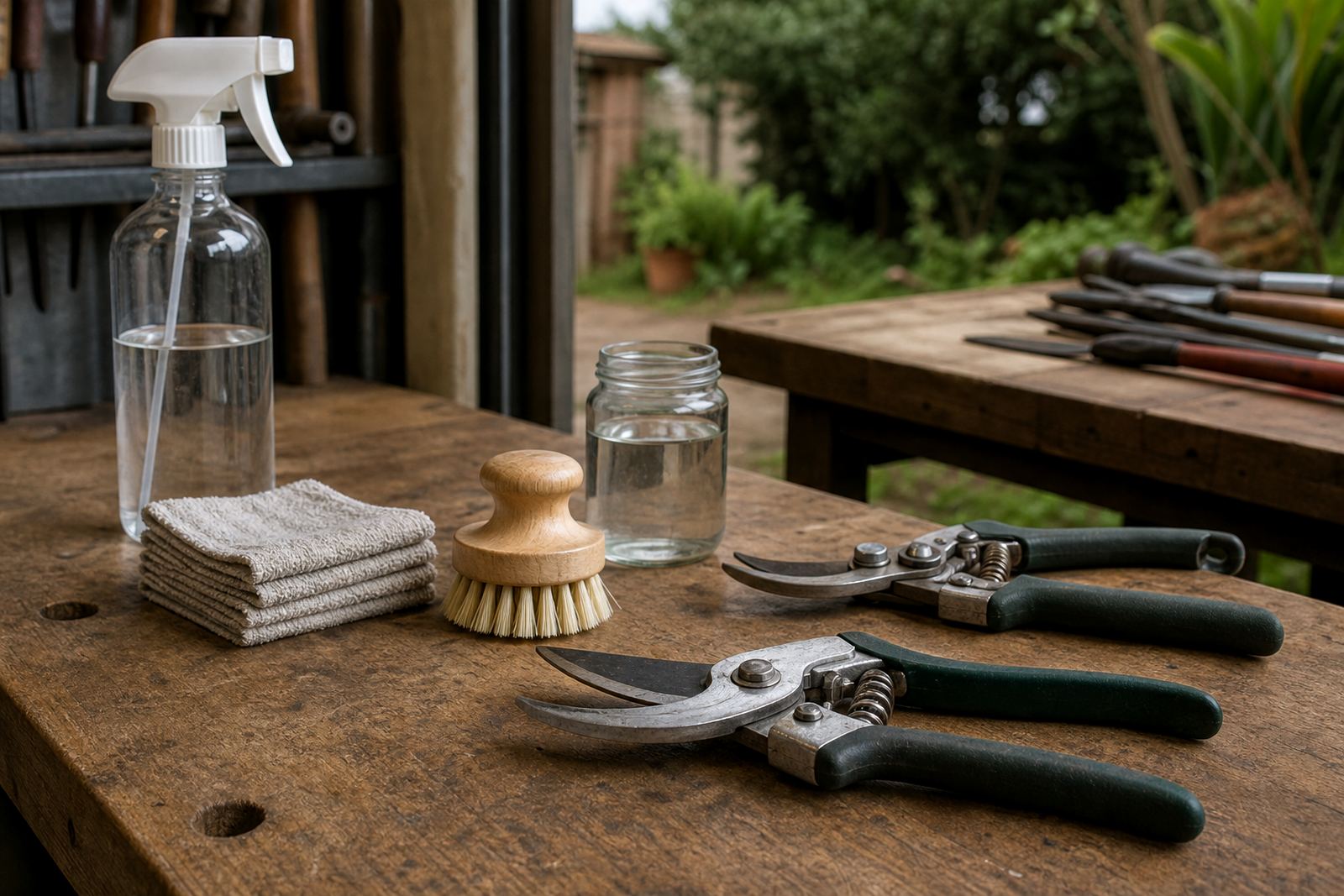
Edge shears perform best when the blades are clean, sharp and properly aligned. Grass sap, dust and damp clippings can build up around the pivot and make the cut sticky. A quick wipe after use helps, and a deeper clean from time to time stops rust from setting in, especially in coastal areas. If the cut starts to feel rough or the blades do not meet evenly, the tool needs attention rather than harder pressure from the user.
At Cut Tools Garden, practical tool care matters because a well-kept tool lasts longer and handles better. Blade sharpening, spring replacement, grip replacement, pivot adjustment and rust removal all help keep edge shears ready for regular garden work. For landscapers with multiple properties, a proper inspection routine can save time later and avoid the hassle of tool failure mid-job.
- Wipe blades dry after use, especially after cutting wet grass.
- Check the pivot for looseness every few weeks.
- Store tools under cover, away from damp concrete floors.
- Have worn springs or grips replaced before the tool becomes awkward to use.
A practical example from a Pietermaritzburg garden
Take a typical family home in Mkondeni with a lawn bordered by paving, a hibiscus hedge and a narrow strip along the driveway. The mower can handle the open centre, but it leaves a thin fringe at the edges and around the garden bed. With edge shears, the border can be tidied in a few minutes, and the whole garden looks neater without disturbing the plants or the soil line. That matters when the yard is used for entertaining or when the homeowner wants the property to look cared for between full maintenance visits.
For landscapers working across Durban, Pretoria or Cape Town, the same approach helps on small commercial sites, townhouse gardens and body corporate common areas. A sharp edge gives a better first impression than a lawn with frayed borders. It also makes the next mow easier because the mower has a clear line to follow.
If you need help choosing the right garden cutting tool, or you want servicing for blades, springs or pivots, use the enquiry form on the contact page. Cut Tools Garden supplies home gardeners and landscaping teams from Pietermaritzburg to stockist areas in Hilton, Howick, Durban, Johannesburg, Pretoria, Cape Town and Gqeberha.