

Choose the right pruning tool for the job
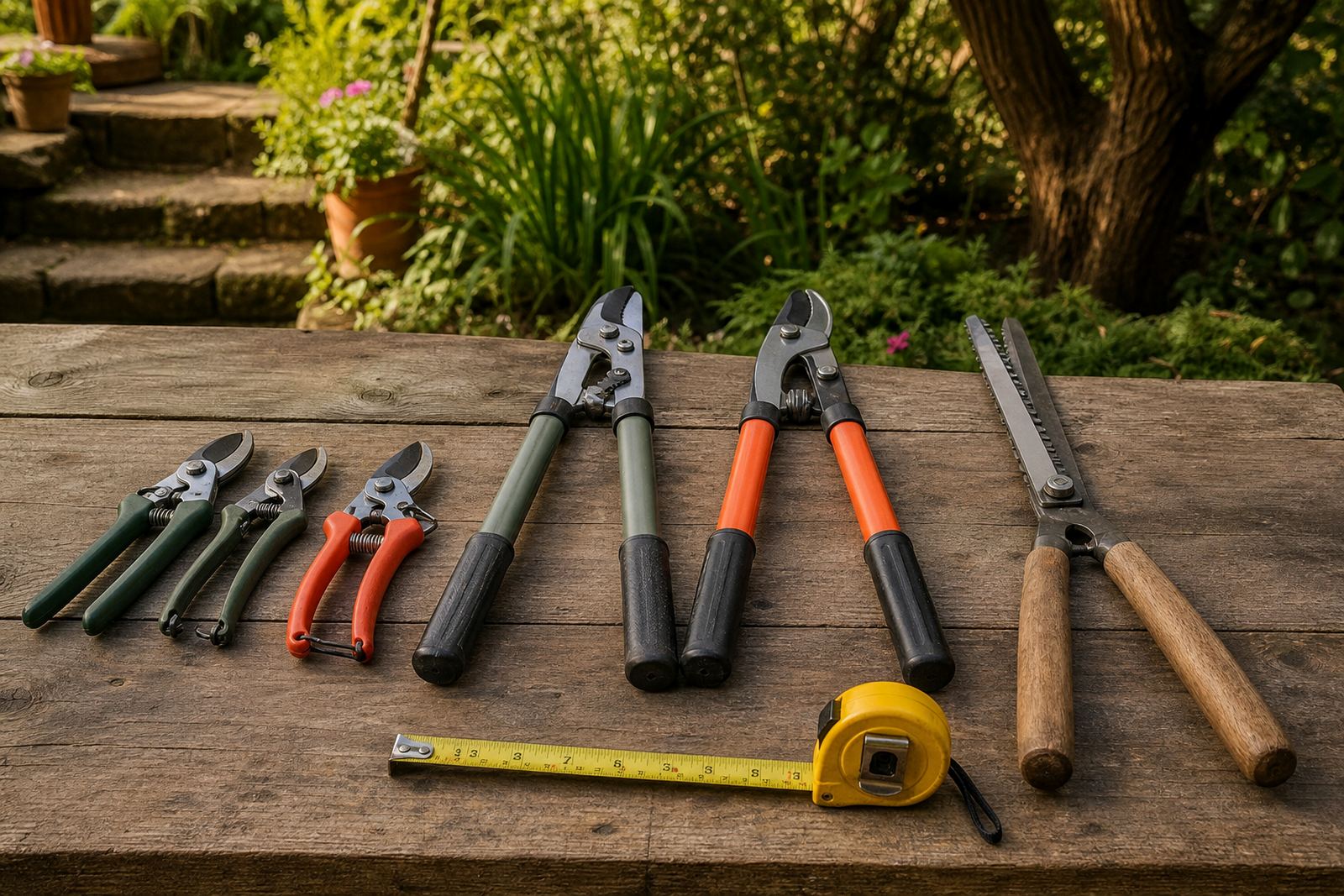
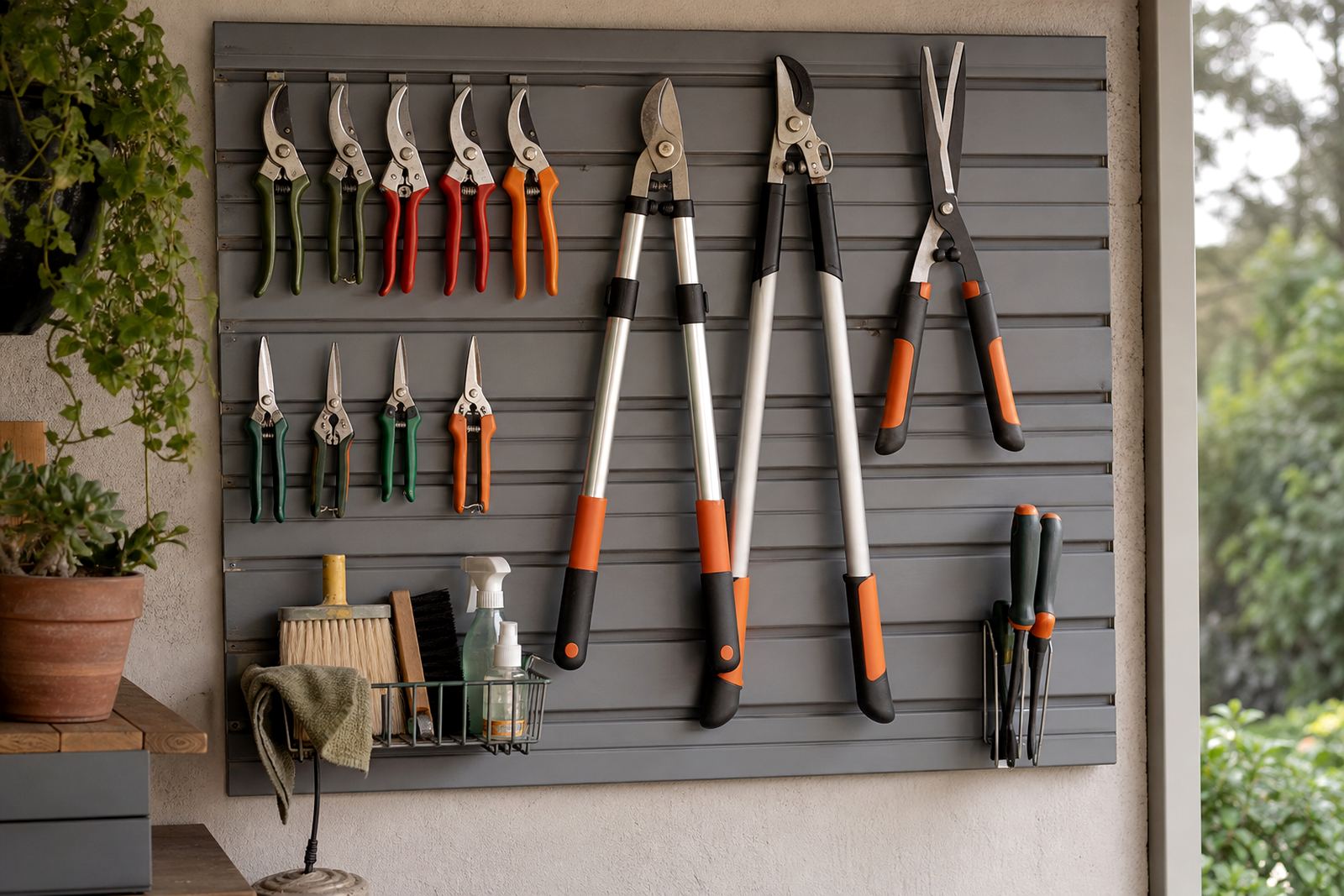
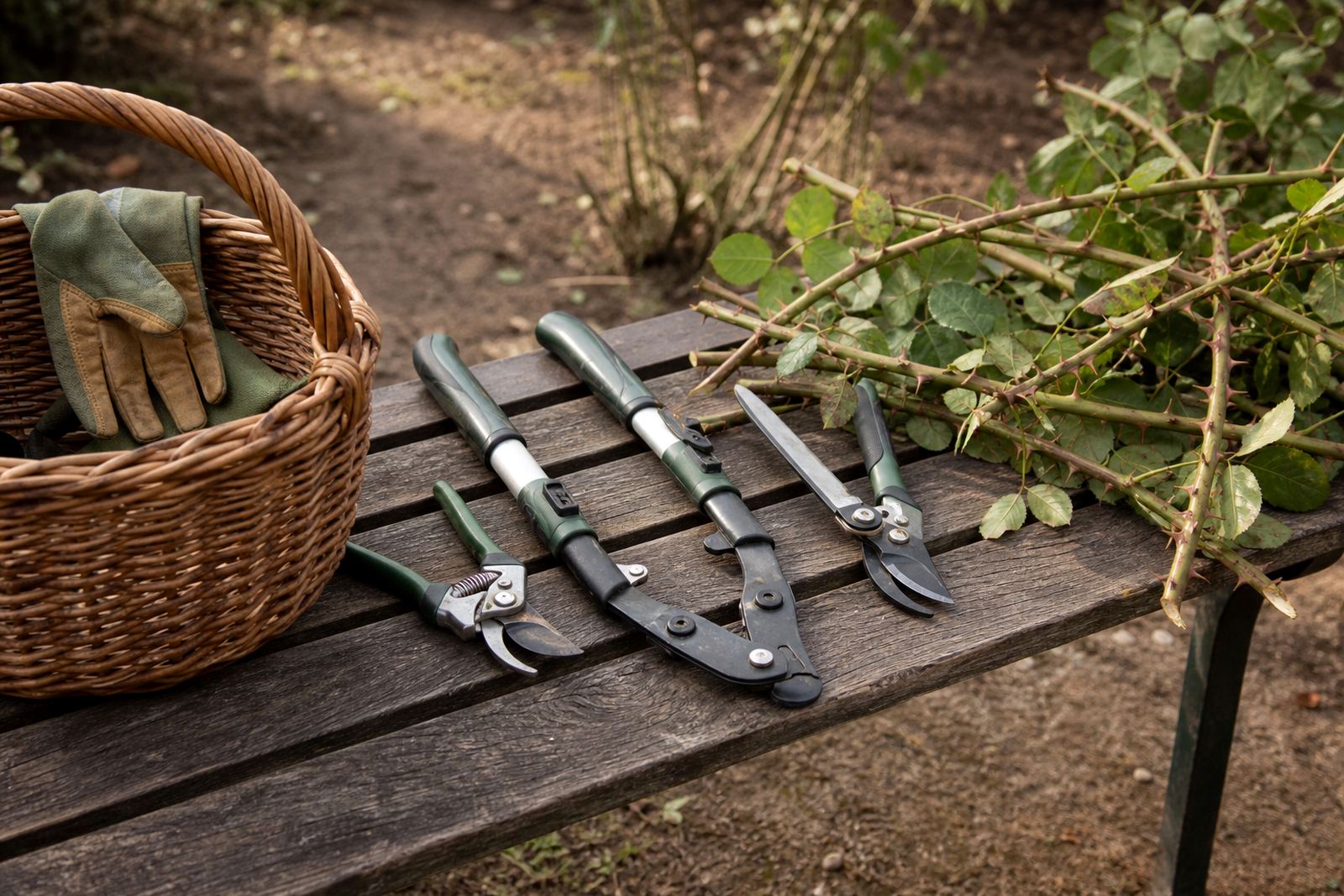
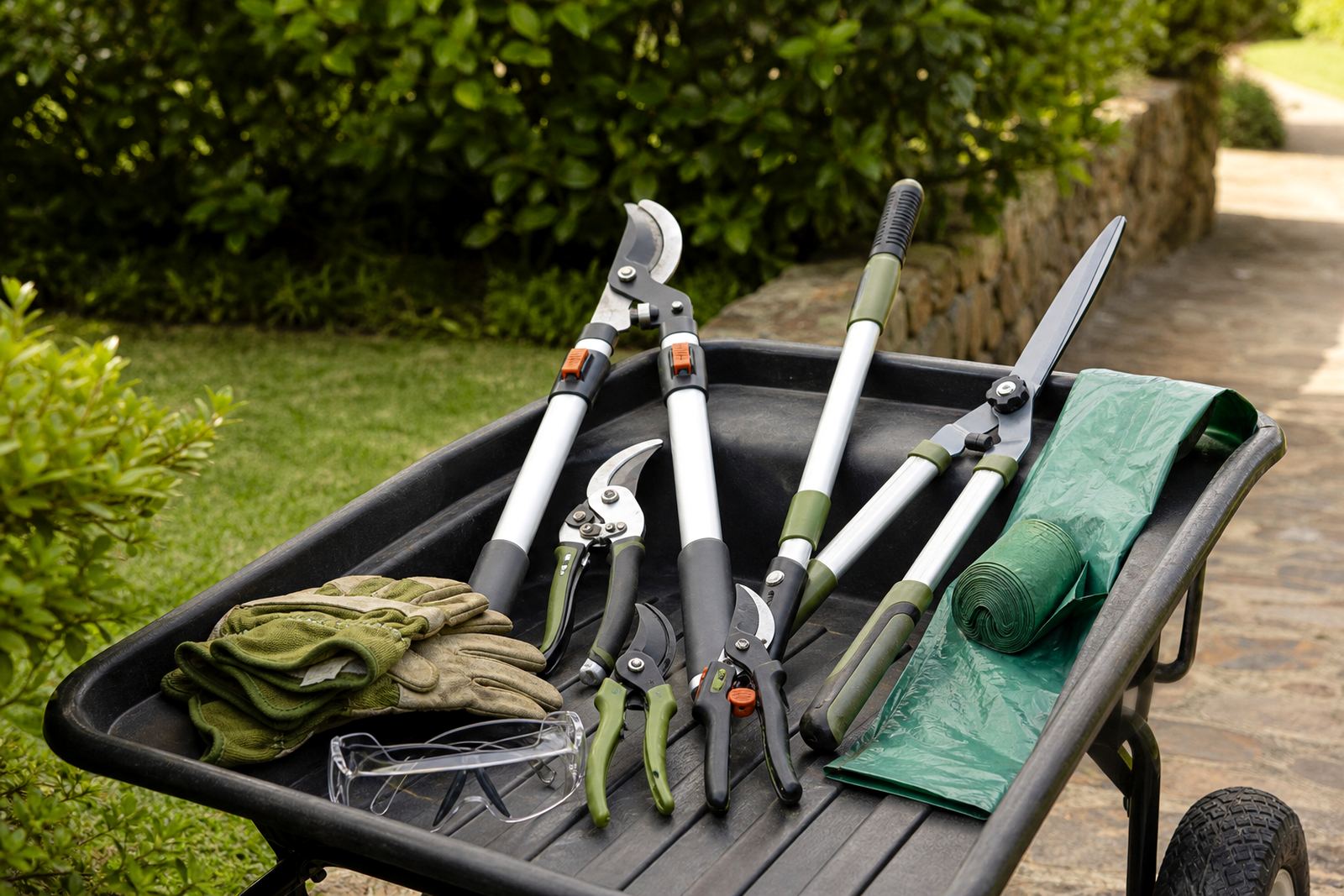
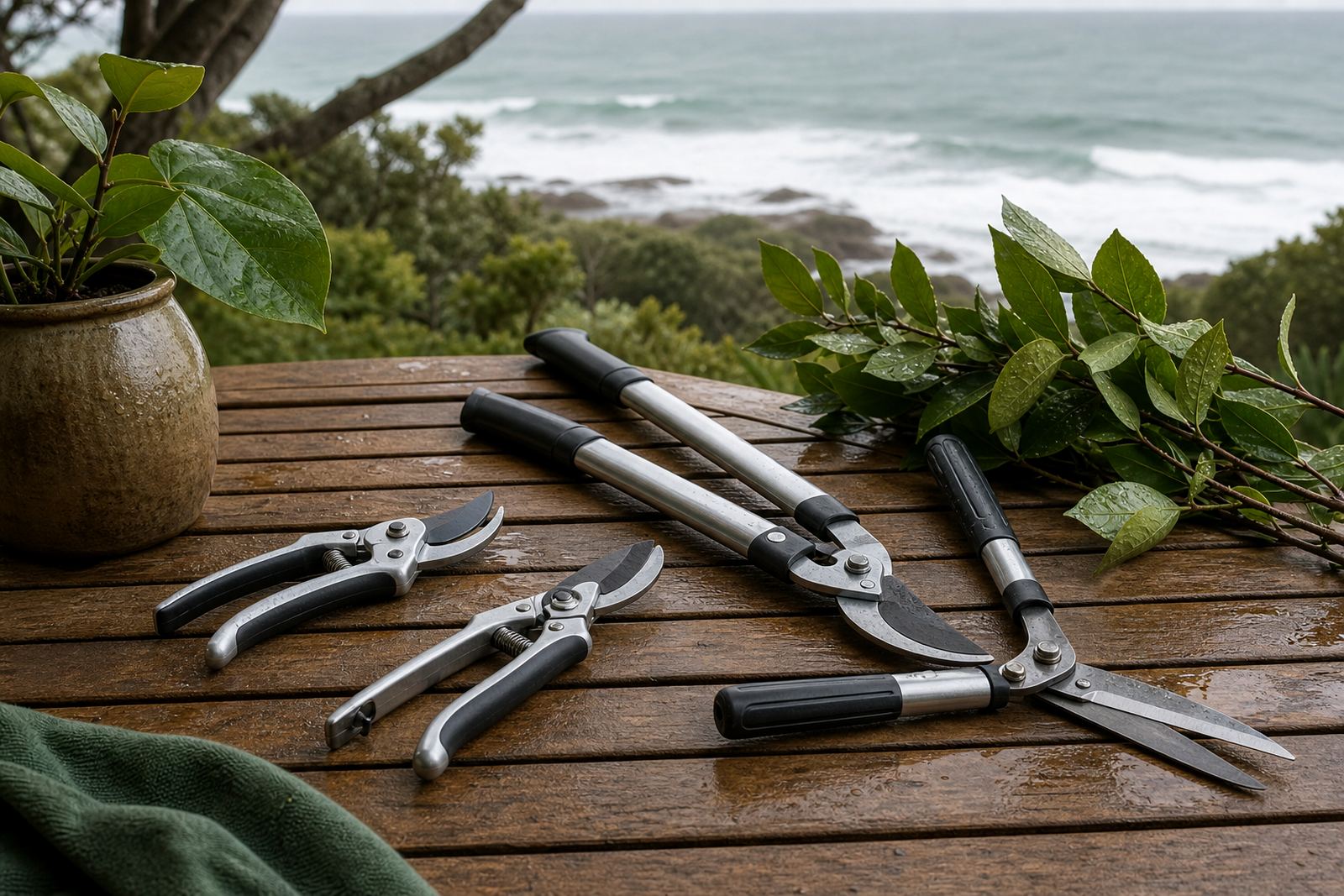
The right tool saves time and keeps cuts cleaner, which matters whether you are shaping shrubs in Pietermaritzburg or maintaining a larger site in Johannesburg. Pruning shears suit soft stems and small branches, loppers handle thicker woody growth, and hedge tools are made for straight, even trims on hedges and formal borders.
As a rule, use the lightest tool that can do the work safely. That reduces strain on the wrist and helps you work longer without tired hands. For home gardens, a basic set can cover most tasks. For landscapers, the better choice is usually a mix of cutting sizes so the crew can move from fine detail to heavier cuts without changing methods every few minutes.
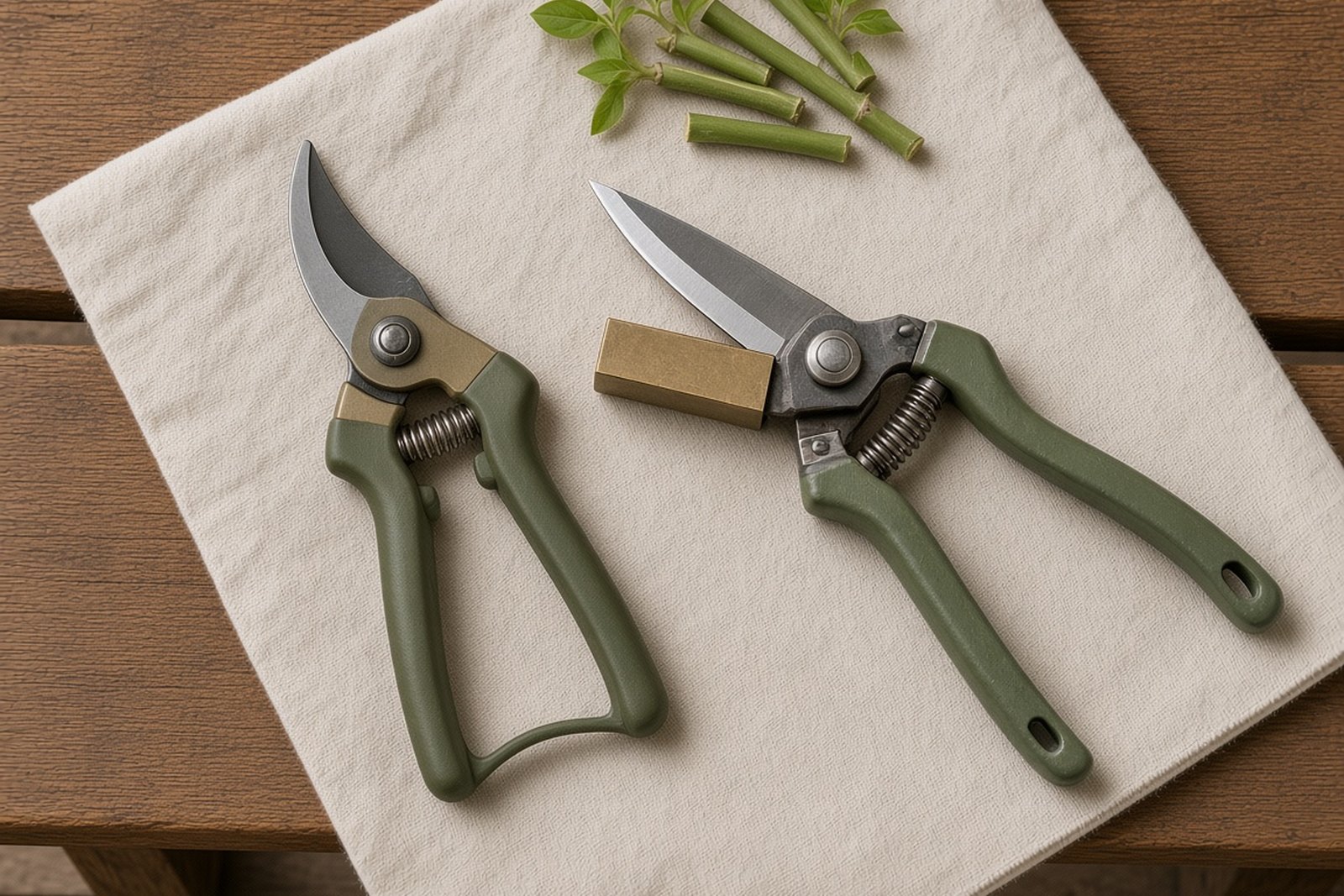
- Pruning shears for stems, flowers and light shaping
- Loppers for thicker branches and tighter access
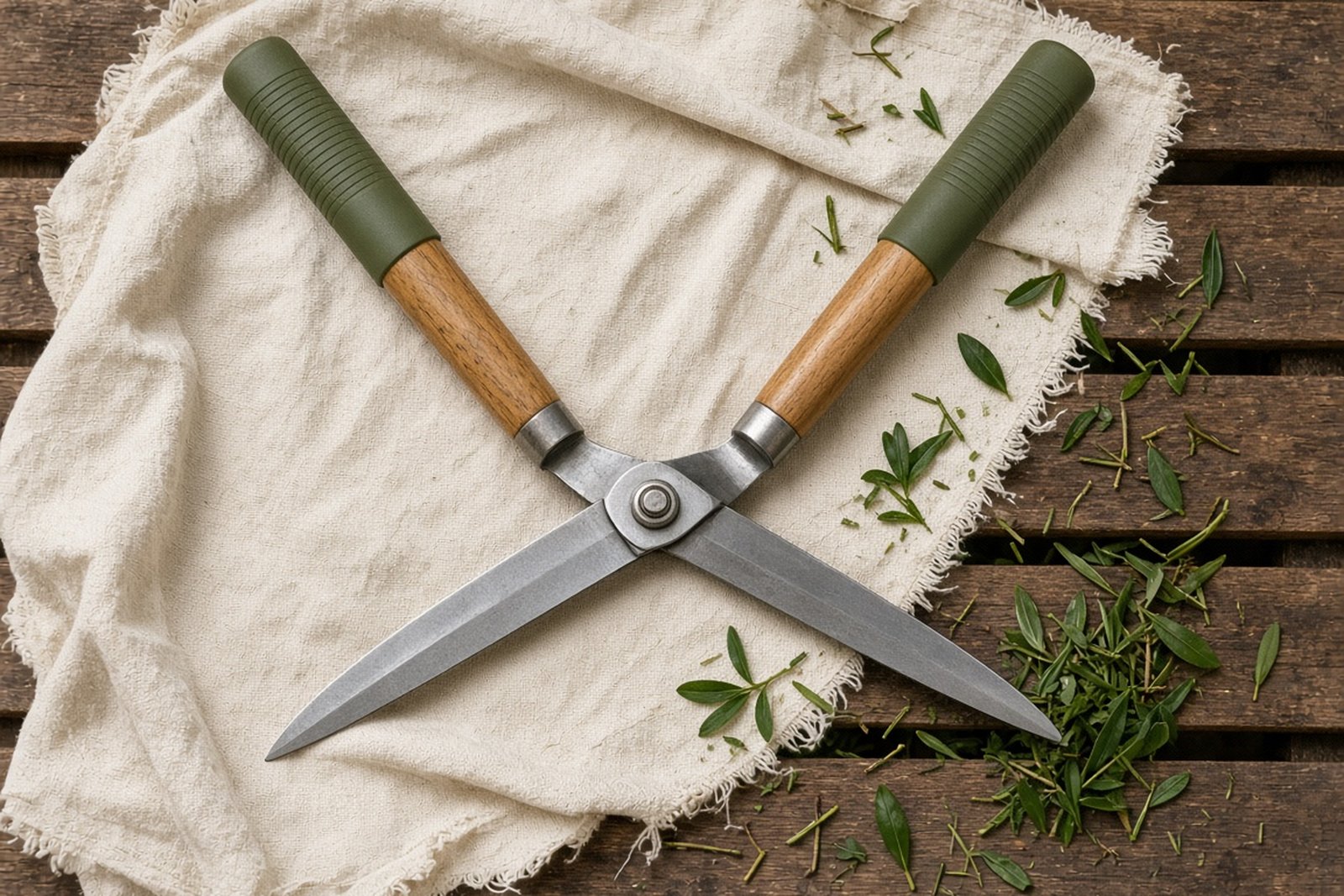
- Hedge tools for long, clean trimming runs
- Comfort grips for longer sessions and less hand fatigue
How to match blade length and cutting capacity
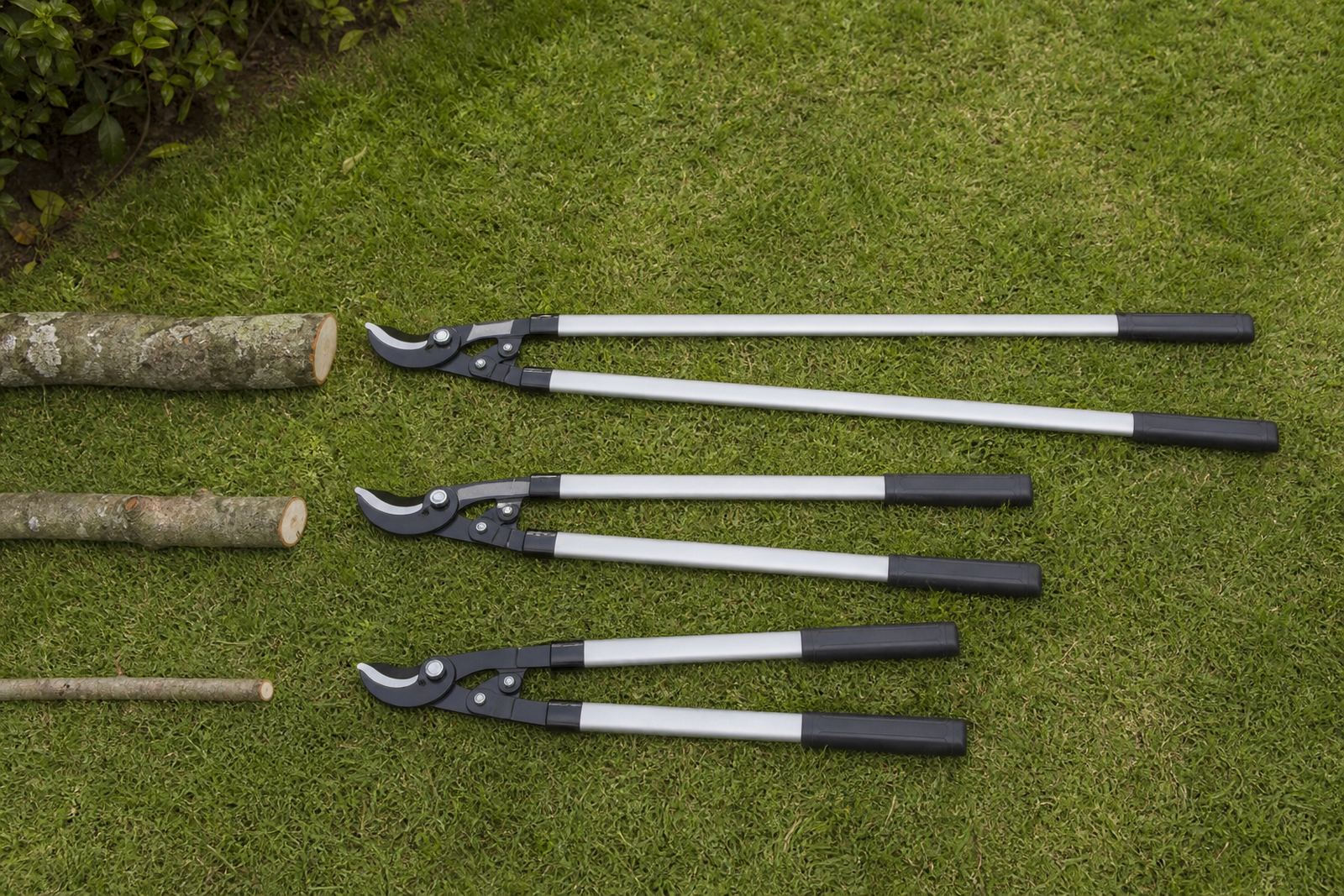
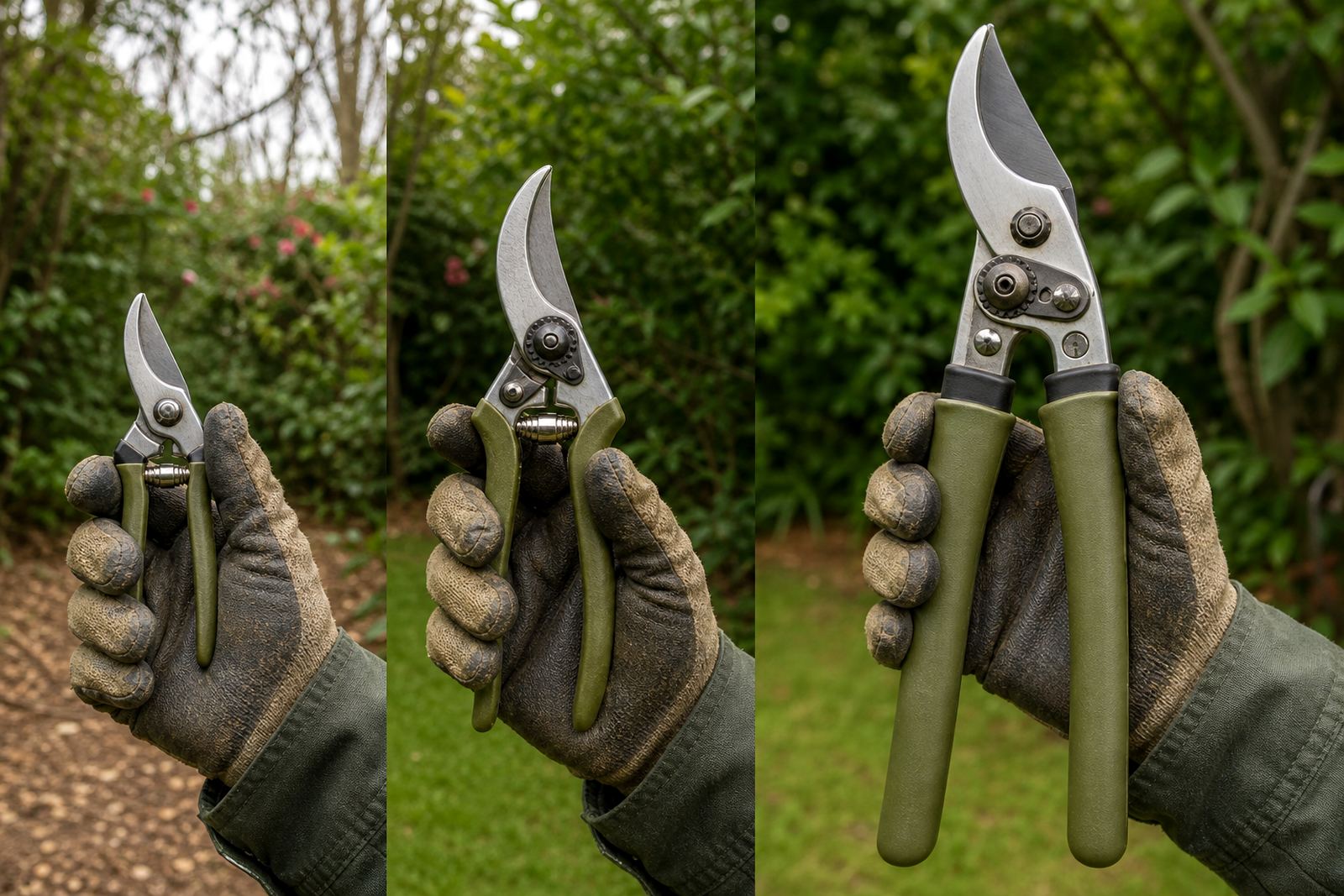
Blade length is not just about reach. It also affects control, cutting force and how neat the finish looks. Shorter tools are easier to guide around delicate plants, while longer blades help on hedges and wider shrubs. For loppers, the key number is the maximum branch diameter the tool can manage without crushing the wood.
In KwaZulu-Natal coastal areas, where humidity can speed up rust, buyers should also look at how easy the tool is to dry and oil after use. In dusty inland areas, like parts of Gauteng, a tool that opens smoothly and is easy to clean will hold its feel for longer. If you use tools around municipal verges or rental properties, choose a size that lets you work safely without overreaching into busy areas.
- Smaller shears for precise hand pruning
- Mid-size loppers for general garden maintenance
- Longer hedge tools for wide, straight cuts
- Check the stated cutting capacity before buying
Comfort features that make a real difference
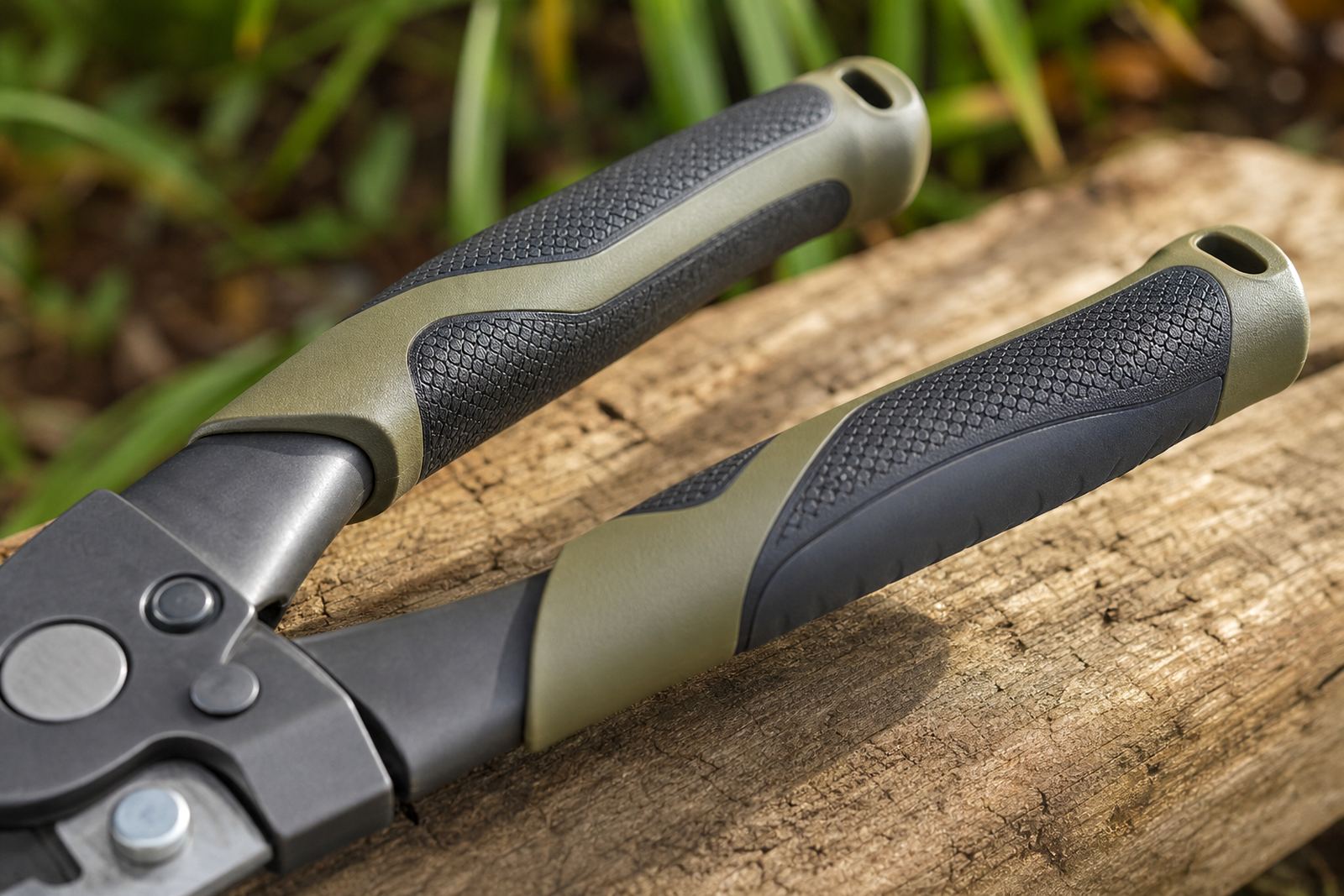
Comfort matters when pruning becomes a weekly task. Good grips reduce slip, especially when hands are sweaty on hot days or damp after morning watering. Balanced weight helps the tool feel steady, and a smooth pivot makes repeated cuts easier on the elbow and shoulder. For older users or teams that spend full days on site, these details are worth paying attention to.
Look at how the handle sits in the palm, how far the handles open, and whether the tool feels secure with gloves on. A tool that feels fine for two cuts can feel awkward after two hundred. That is where proper sizing and a sensible grip shape make all the differance.
- Non-slip grips for wet weather and coastal conditions
- Balanced weight for less strain during long sessions
- Smooth action for repeat cutting
- Handle shape that suits gloved or bare hands
Simple maintenance that keeps tools working well
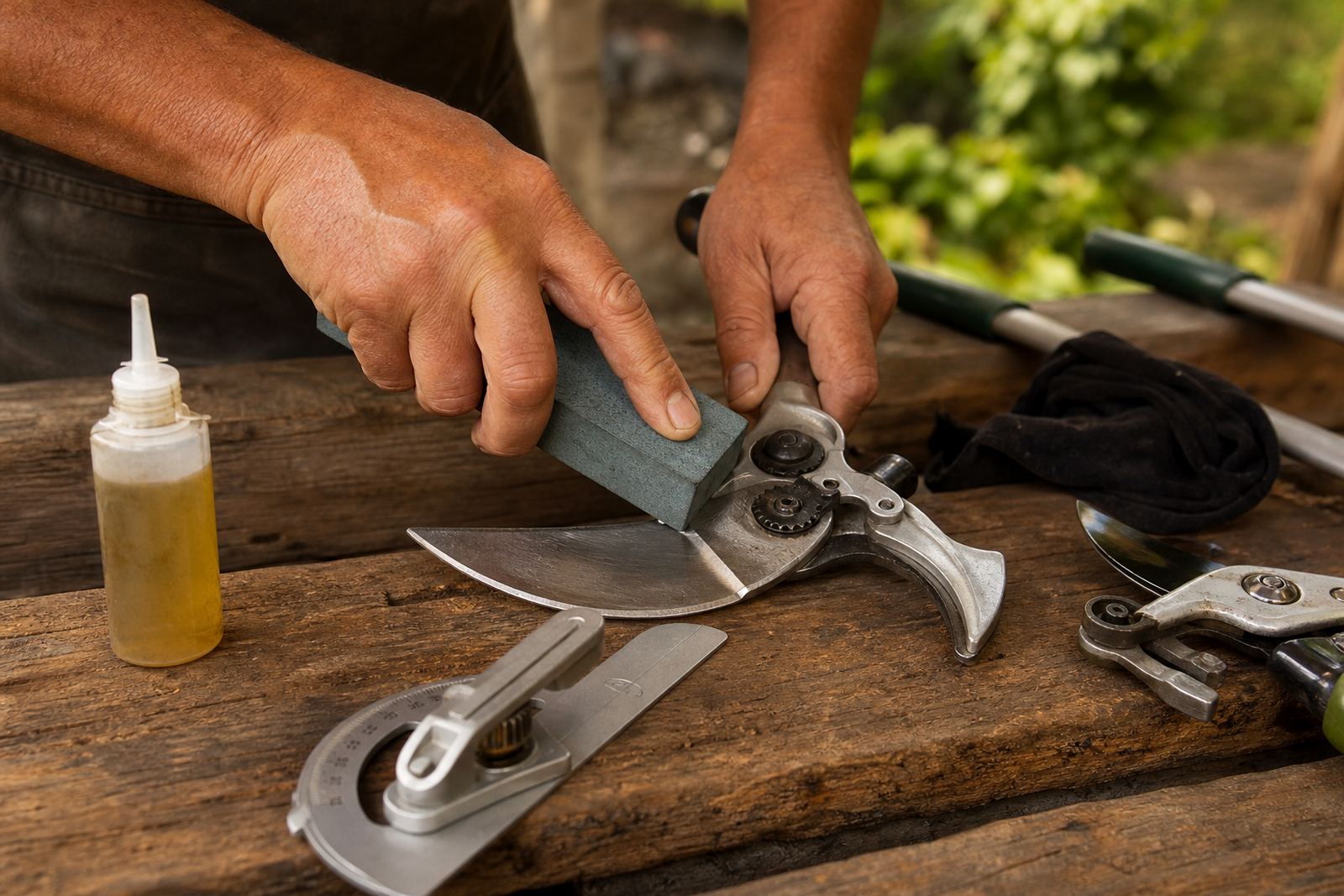
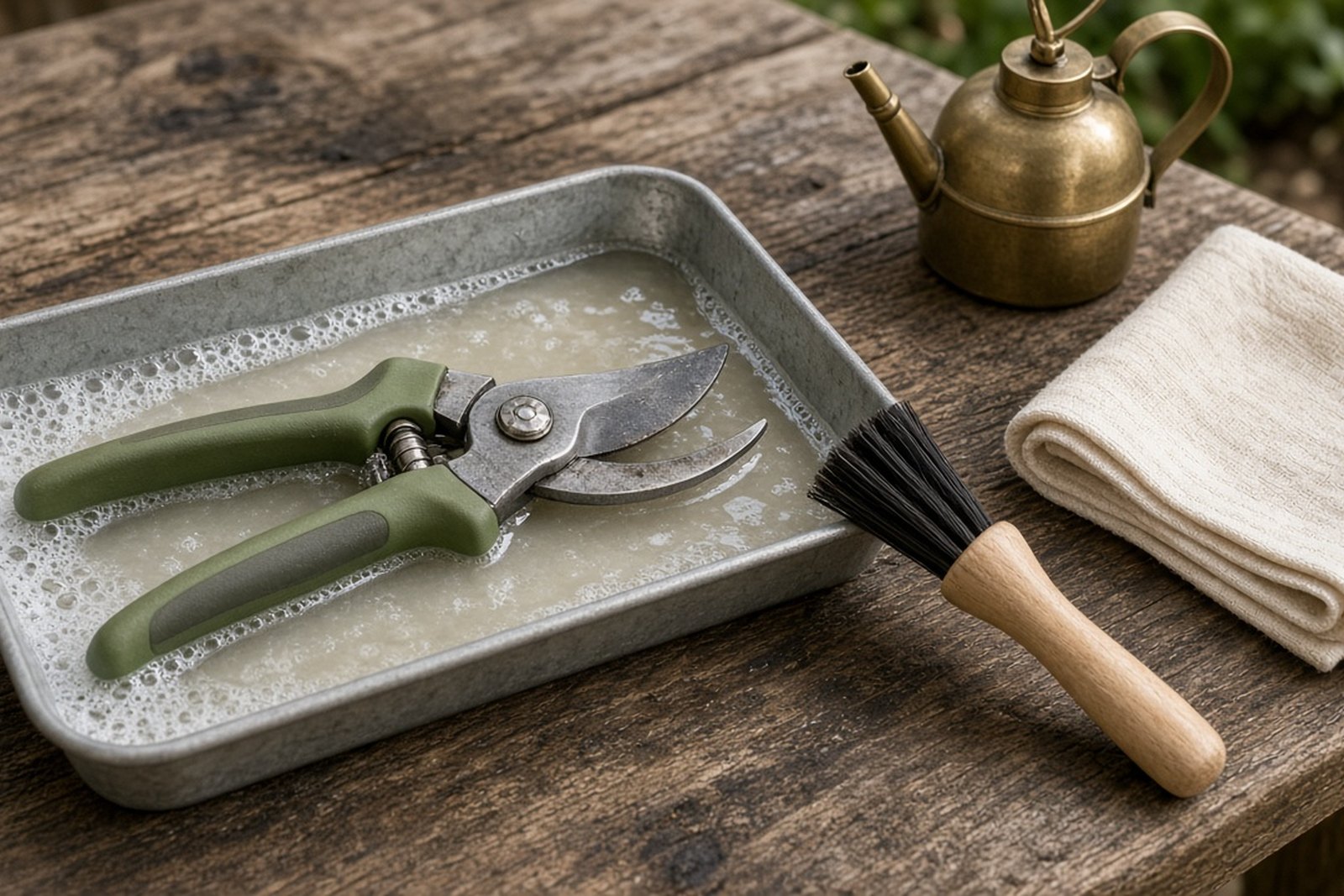
Pruning tools last longer when they are cleaned after use, dried properly and stored out of the rain. Sap, rust and soil build-up can make even a good tool feel stiff. A quick wipe, blade cleaning and light oiling after work will protect the cutting edge and keep the action smooth.
For regular users, servicing is not only about appearance. It helps with safety too, because a loose pivot, blunt edge or cracked grip can lead to poor cuts and hand fatigue. If a tool is used daily by a garden team, schedule checks before the season gets busy. That is especially useful before summer growth surges and after long wet spells in coastal towns.
- Clean blades after each use
- Dry tools before storage
- Check springs, pivots and grips regularly
- Sharpen when cuts start to tear instead of slice
When to sharpen, service or replace parts
A good cutting tool should feel firm, smooth and accurate. If it starts crushing stems, sticking at the pivot or leaving rough cuts, it may need sharpening or servicing. Springs can lose tension, grips can wear thin and pivots can loosen with time. These are small problems at first, but they quickly become a nuisance if ignored.
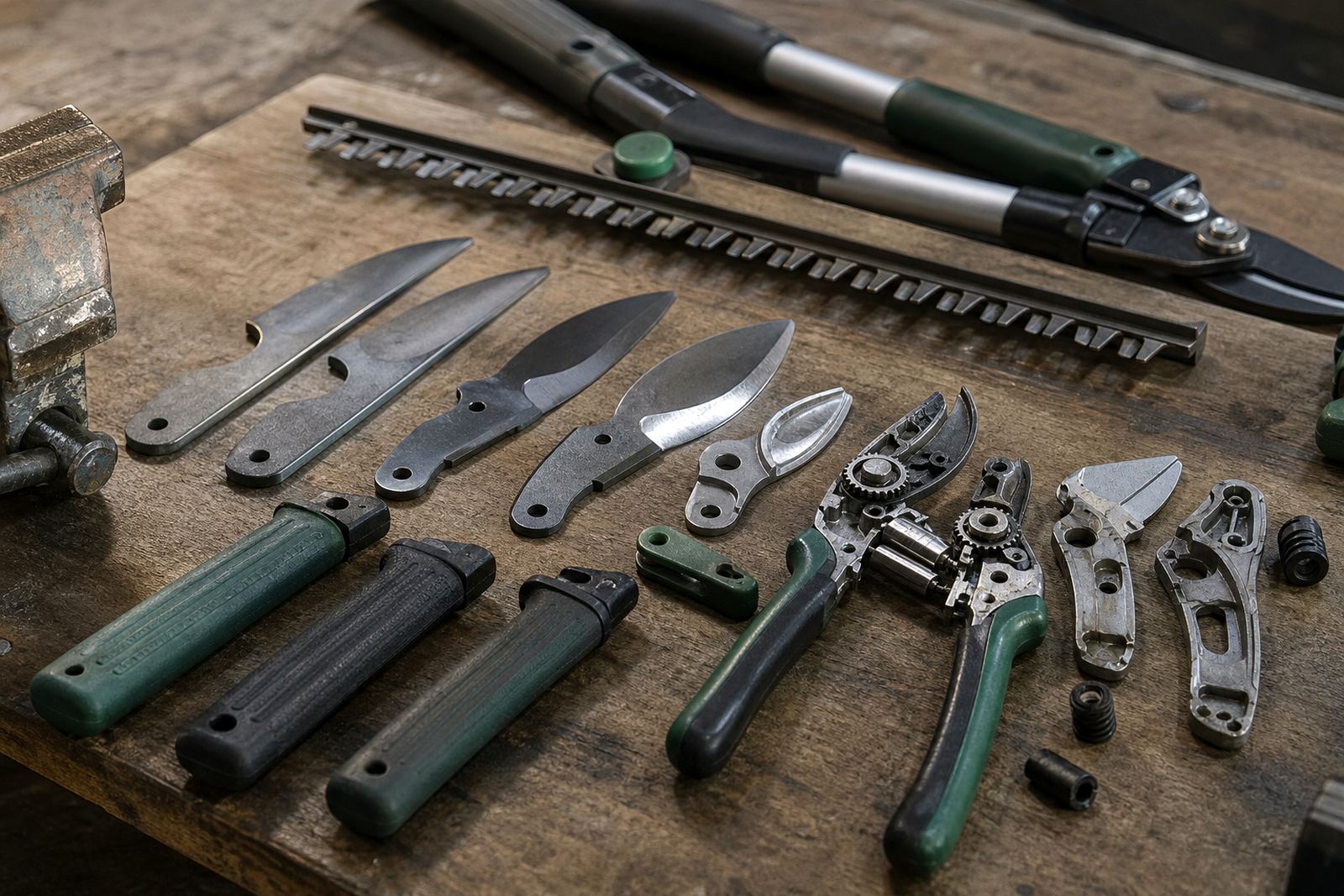
For landscapers and body corporates, it is often cheaper to keep tools in service than to replace them early. Parts fitting, spring replacement, grip replacement and pivot adjustment can bring a tool back into proper working condition. Deep cleaning and rust removal also help when tools have been stored through a wet season or left in a trailer between jobs.
- Blade sharpening for cleaner, easier cuts
- Pivot adjustment when the tool feels loose or tight
- Spring and grip replacement for comfort and control
- Deep cleaning after heavy use or storage
Using the guides for home gardens and larger crews
These guides are meant for different kinds of buyers, from homeowners in Durban to landscapers working across Pretoria, Cape Town and Gqeberha. A home gardener may only need one pruner and one lopper, while a maintenance team might need several tool types with a care plan to keep them ready for daily use. The right choice depends on plant type, property size and how often the tools are used.
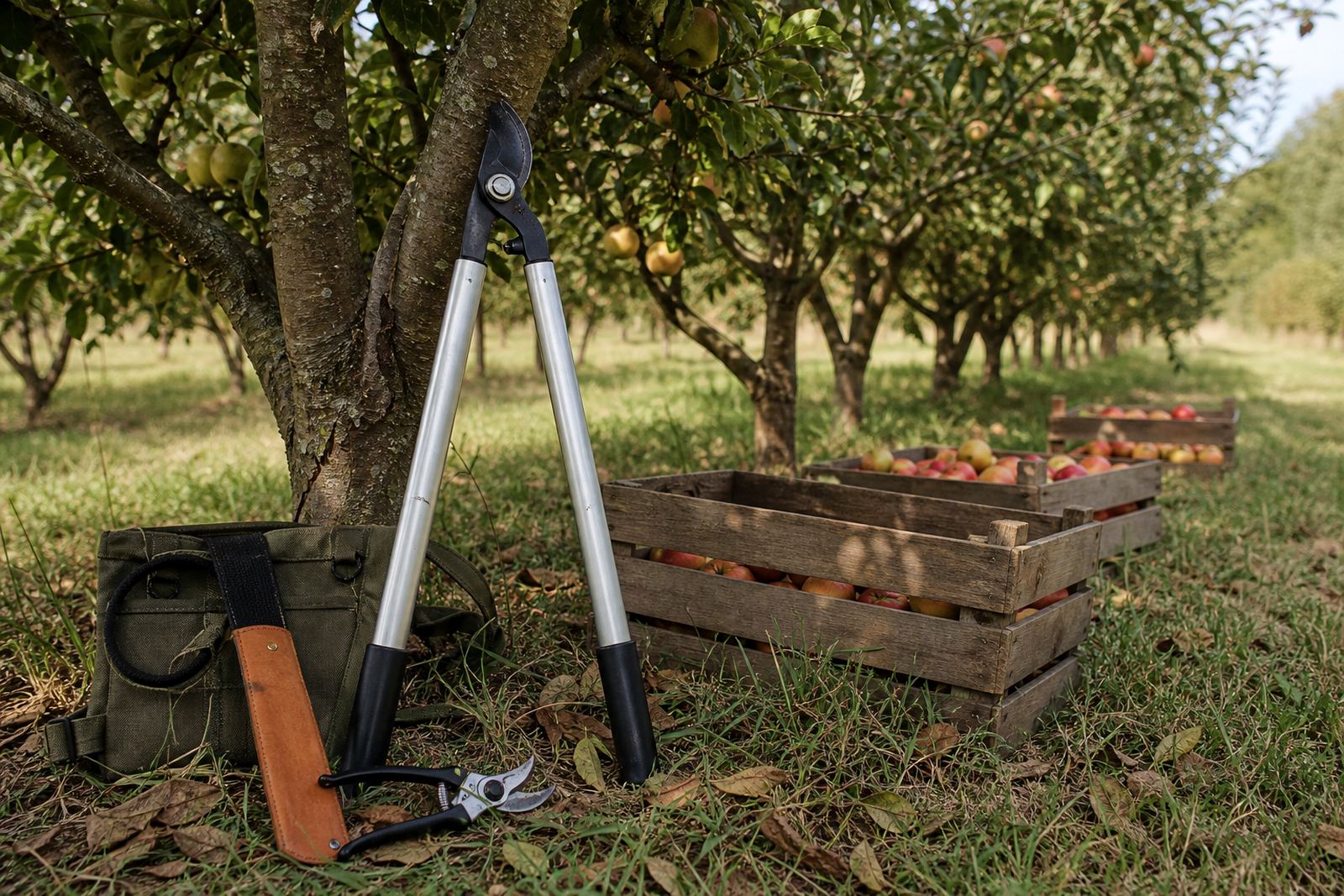
If you are comparing options, start with the task list for your garden rather than the name of the tool. Hedge shaping, rose pruning, fruit tree work and general clearing all ask for slightly different cutting habits. Once you match the task to the tool, the rest becomes simpler and the results are cleaner.
- Match the tool to the plant and branch size
- Think about how often the tool will be used
- Choose comfort features for frequent pruning
- Use servicing plans for crews and busy properties
Find the guide that fits your next cut
Use the pages in this hub to compare tool types, sizes and care needs before you buy. The listing cards below each guide will help you narrow the choice, while the advice here gives you a practical starting point for South African conditions. If you want fewer delays and cleaner cuts, it pays to choose carefully the first time.
Whether you are working in Mkondeni, Hilton, Howick or farther afield, the basics stay the same: choose the right cut, keep the tool clean and service it before it starts to struggle. That way your tools stay ready for the next round of pruning.