Start with the work you do most often
Before you choose a secateur, think about the kind of pruning you do week after week. Light deadheading on roses, trimming soft stems and cutting small herbs call for a different feel than shaping shrubs or tidying fruit trees in a larger yard.
If you spend most of your time in Pietermaritzburg, Durban or the coastal areas, you may also want a tool that handles damp growth and light rust better. For inland gardens in Johannesburg or Pretoria, dry weather and dusty storage can be the bigger problem, so blade care and a snug case matter just as much as size.
- Light garden clean-up: smaller hand pruner, easier to open and close repeatedly
- Mixed home use: medium size for comfort and control
- Regular pruning jobs: larger grip and stronger spring support
- Thick stems: check the cutting capacity before you buy
Measure your hand, not just the tool
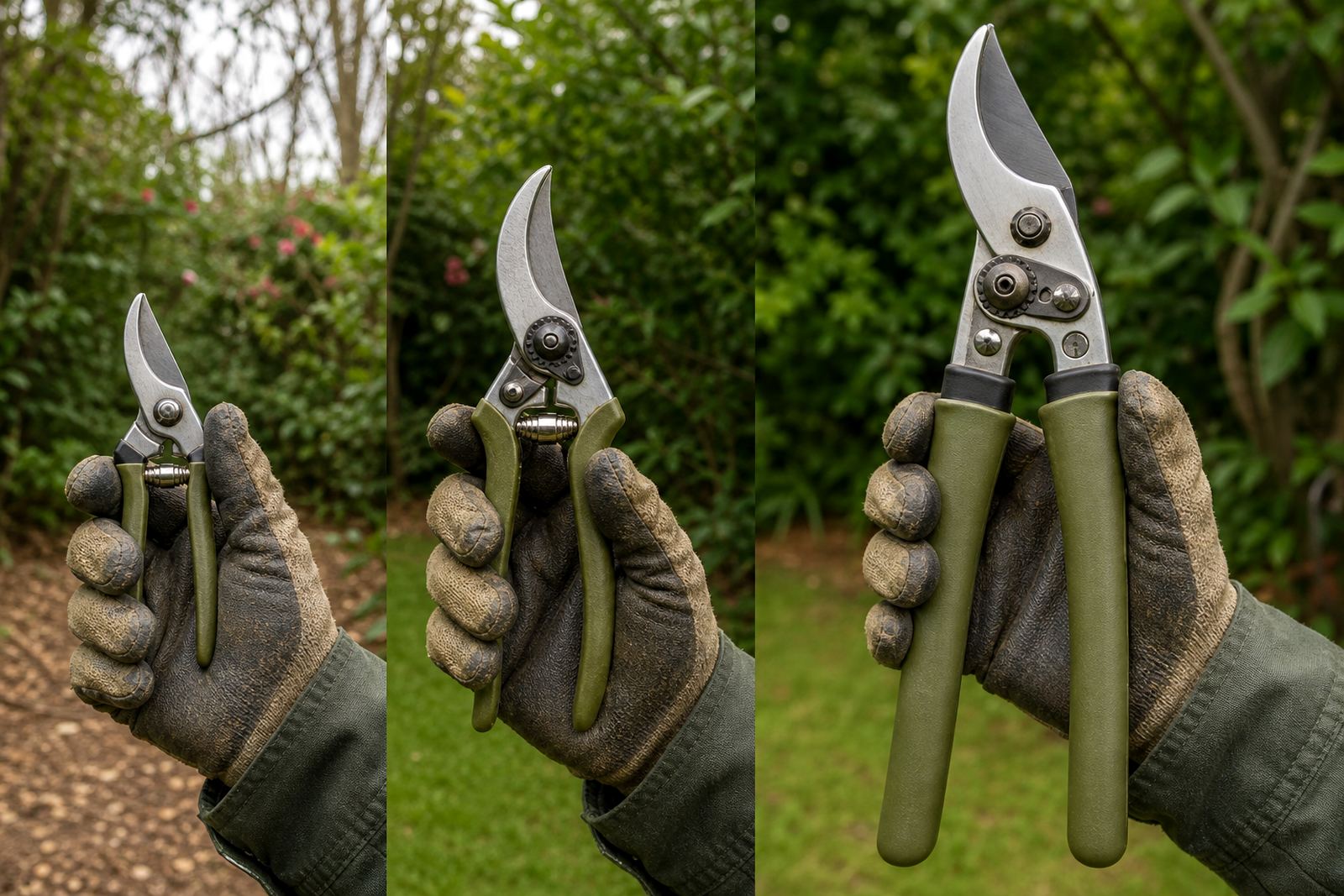
A secateur that looks neat on the shelf can still feel wrong in the hand. Hold the tool in your working hand and check whether your fingers wrap around the handles without stretching too far. Your thumb should rest naturally, and the handles should not bite into the palm when fully closed.
A good rule is simple: if you need to squeeze hard just to keep the tool steady, the size is off. This matters when you are pruning for an hour or more, because fatigue makes clean cuts harder and your grip starts to slip. That is when stems get crushed instead of cut.
- Too small: fingers overlap badly or cramp after a few cuts
- Too large: poor control and extra strain at the wrist
- Just right: firm hold, relaxed fingers and smooth opening action
- Test both hands if you swap between left and right use
Choose blade action for the stems you cut
Secateur size is only part of the choice. The blade action also changes how the tool feels in use. For fresh green stems and general garden pruning, bypass style cutting gives a cleaner finish. For tougher, drier material or small woody stems, a stronger build can help but you still need the right cutting width.
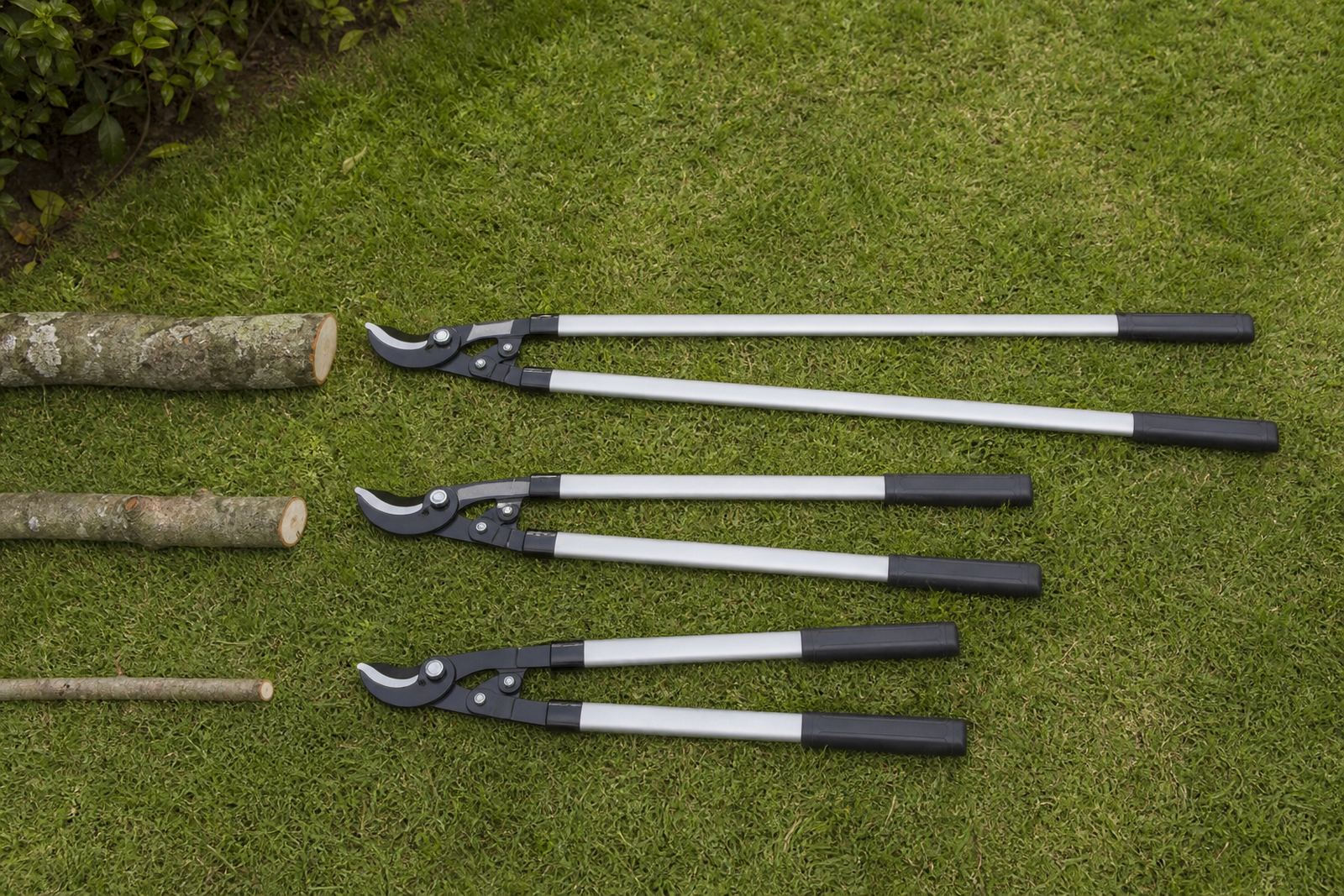
Do not judge by length alone. Some shorter pruners have better leverage than longer ones, while some larger handles feel awkward on fine work. If you cut many thin stems around bedding plants, a lighter tool can save time. If you handle older shrubs, choose a model that gives more force without forcing your hand open too wide.
Match the secateur to common South African garden jobs
Different gardens ask different things of a hand pruner. In wetter coastal areas, you may trim faster-growing hedges and soft stems more often. In drier parts of the country, you may prune less often but deal with harder growth after long dry spells. That changes the size and strength you should choose.
Use this quick check before buying or replacing a tool:
- Roses and flowering shrubs: comfortable medium size with a fine cutting tip
- Fruit trees and orchard work: stronger grip and better leverage for repeat cuts
- Container plants and small beds: lighter tool for quick, neat trimming
- Landscaping maintenance: durable handle feel for long sessions and mixed growth
If you are buying for a team, try to keep one standard size for routine work and a heavier option for thicker stems. That keeps training simple and reduces mix-ups on site.
Look for comfort features that matter in the field
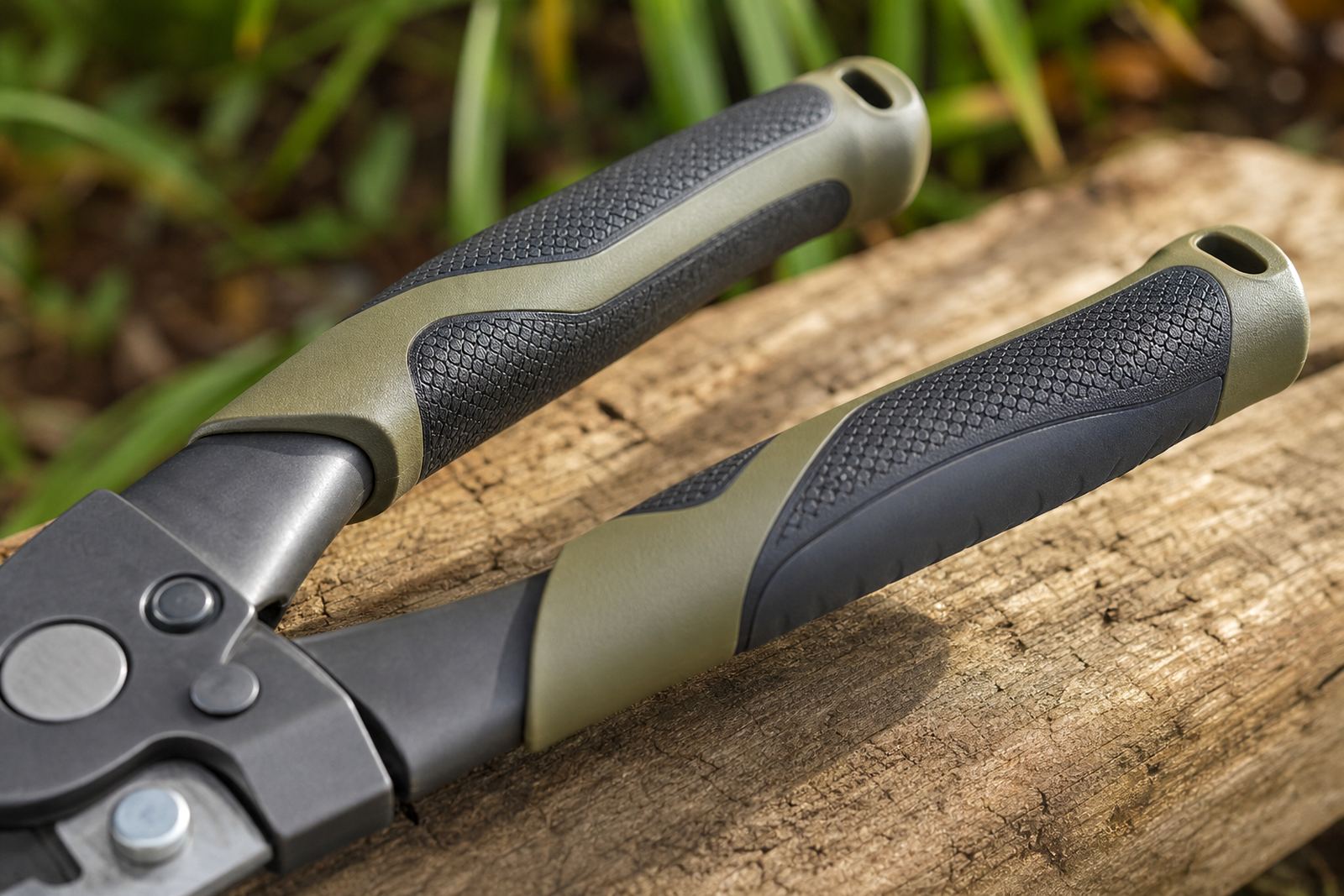
Comfort is not a luxury feature. It affects how long you can work and how accurate your cuts stay by the end of the day. Padded grips, smooth pivots and a spring that opens cleanly all help with control. For landscapers and home gardeners alike, a comfortable secateur is usually the one that gets used properly instead of left in the shed.
In humid coastal conditions, grip material should still feel secure when your hands are damp. In dusty inland storage, moving parts need regular cleaning so the action does not stiffen up. These small details make a real difference, especially when load-shedding interruptions mean tools are left idle for longer periods and not checked as often.
- Grip comfort: no sharp edges or pinching
- Pivot smoothness: blade opens and closes without sticking
- Spring tension: easy return without snapping hard against the hand
- Lock action: simple to use with one hand
Size checks before you place an order
If you cannot test the tool in person, use a short checklist before you choose. The best secateur size depends on hand span, task type and how much pressure you are comfortable using over a full morning of pruning. A little planning now saves a lot of discomfort later.
We often suggest checking more than one point before making a final choice. That helps when you are ordering for a household, a small nursery or a landscaping crew that will use the same tools on different jobs.
- Check your glove size or hand span against the grip width
- Confirm the cutting capacity for the stems you trim most often
- Think about left-hand or right-hand use if needed
- Consider servicing support for blades, springs and pivots
- Keep rust removal and cleaning in mind if tools will be stored near the coast
If you are unsure, choose comfort first. A secateur that feels right in the hand will usually give better results than one that only looks strong on paper.
Keep the right size feeling right
Even the best sized secateur can feel wrong if the blade is dull, the pivot is tight or the spring is worn. Regular sharpening, cleaning and servicing help the tool keep its original feel. That is important for home gardens and for landscaping teams that work through the week with little spare time.
Our Pietermaritzburg base in Mkondeni supports garden tool care across South Africa, including Durban, Johannesburg, Pretoria, Cape Town and Gqeberha. For worn grips, blade issues, spring replacement and general inspections, proper maintenance can extend the life of a good tool and keep it cutting cleanly.
When the secateur fits well and is kept in good shape, pruning becomes less tiring and more accurate. That is what most gardeners want in the end, not a fancy tool, just one that feels right and does the job.