Start with the branch size, not the catalogue photo
The first question is simple: what are you cutting most often? Light shaping on young shrubs calls for a different lopper than clearing thicker growth around boundary lines, fruit trees or overgrown hedges. A good rule is to match the tool to the thickest branch you expect to cut regularly, then leave a little room above that for comfort and cleaner cuts.
For most garden work, bypass loppers are the best fit because they give a neater cut on living stems. Anvil styles are better for dead wood and dry material. If you are working in Pietermaritzburg, Durban or along the coast where humidity can make growth dense and sappy, a cleaner cutting action helps reduce crushing and keeps the plant healthier.
Handle length changes the leverage you feel
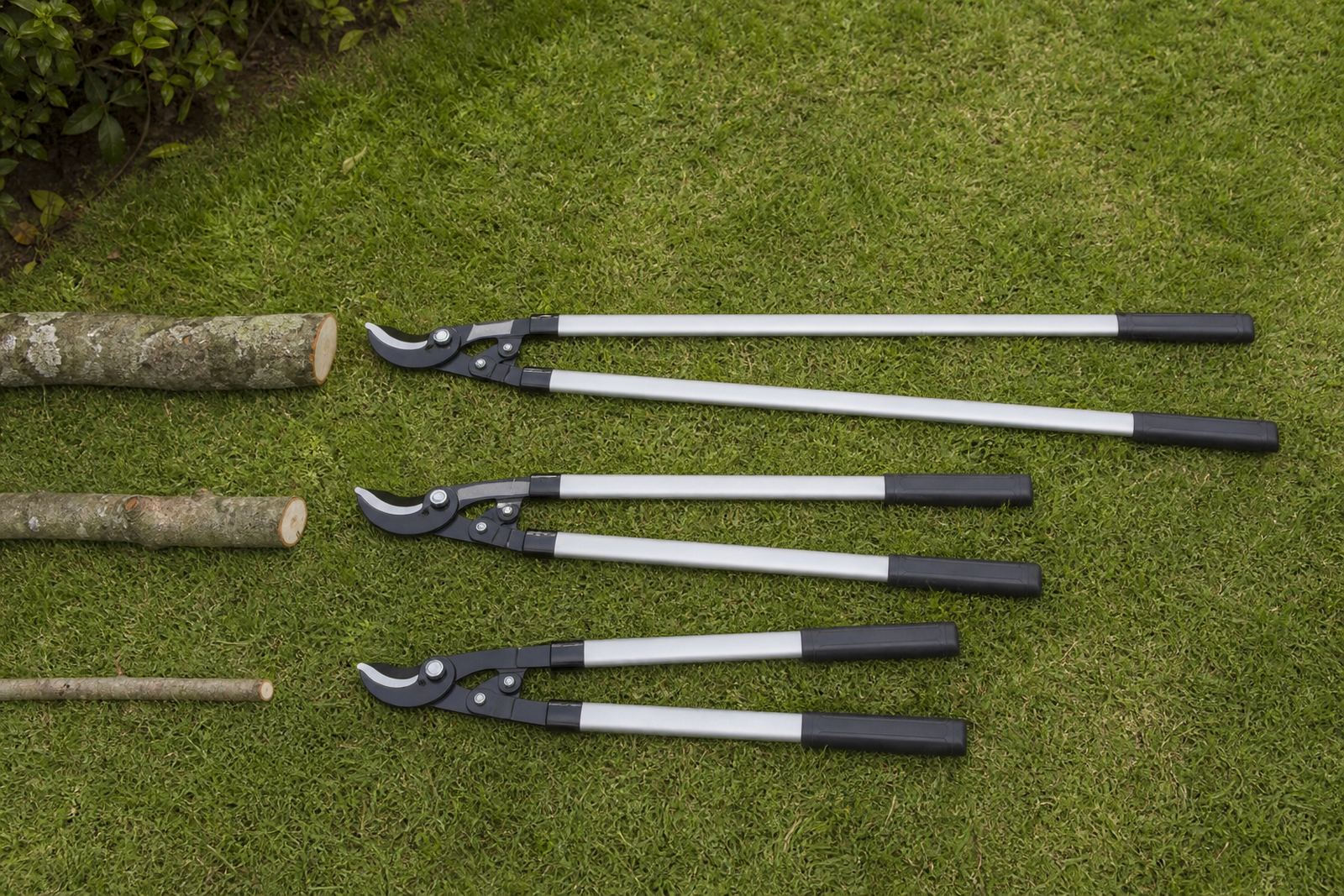
Handle length is one of the biggest factors in how a lopper performs. Shorter handles are easier to control in tight spaces, while longer handles give more leverage and let you reach deeper into shrubs without climbing around the plant. That extra length can make the cut feel much lighter, but it also means more weight and a bigger swing arc.
If you are pruning low hedges, rose bushes or compact shrubs, a shorter pair can be handier. For larger gardens, bigger boundary planting or work where you need to reach over beds, longer handles are often worth it. In hotter months and during load-shedding when gardens may be tackled in shorter windows, comfort matters because tired arms lead to poor cuts and slower progress.
- Short handles: easier handling, less reach
- Medium handles: balanced for most home gardens
- Long handles: better leverage, more reach, more weight
Choose the blade style for the type of growth
Not all blades cut the same way. A bypass cutting head works like scissors and is usually best for live wood, green stems and hedging touch-ups. It gives a cleaner finish and is kinder to the plant. Anvil blades press the stem against a flat base, which suits dry or dead branches but can bruise softer growth if used on the wrong material.
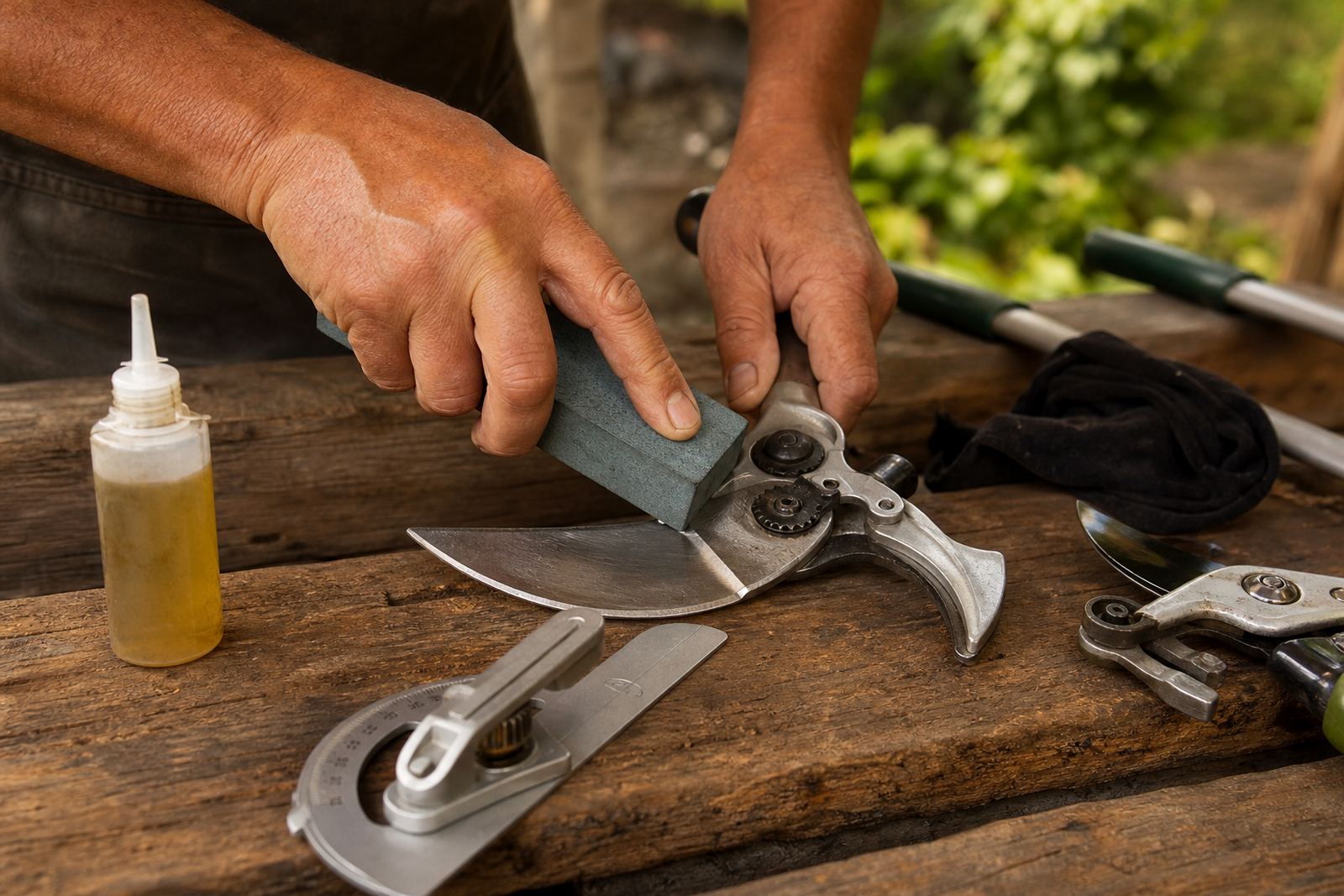
Blade thickness and sharpness also matter. A sharp, well aligned blade reduces hand fatigue and helps you finish the job with less pressure. If your tool starts requiring force, the cut is no longer clean and the branch may split. That is when servicing, blade sharpening or pivot adjustment becomes part of normal care rather than an afterthought.
- Bypass: best for live branches and general pruning
- Anvil: best for dry wood and dead stems
- Fine blade alignment: important for clean cuts
Match weight and grip to the person using it
A lopper can look perfect on paper, but if it feels awkward in the hand it will stay in the shed. Weight, grip shape and opening width all affect how long you can work before your wrists and shoulders complain. If you are pruning for a few minutes at home, that may not matter much. If you are managing several properties in Durban, Johannesburg or Pretoria, it matters a lot.
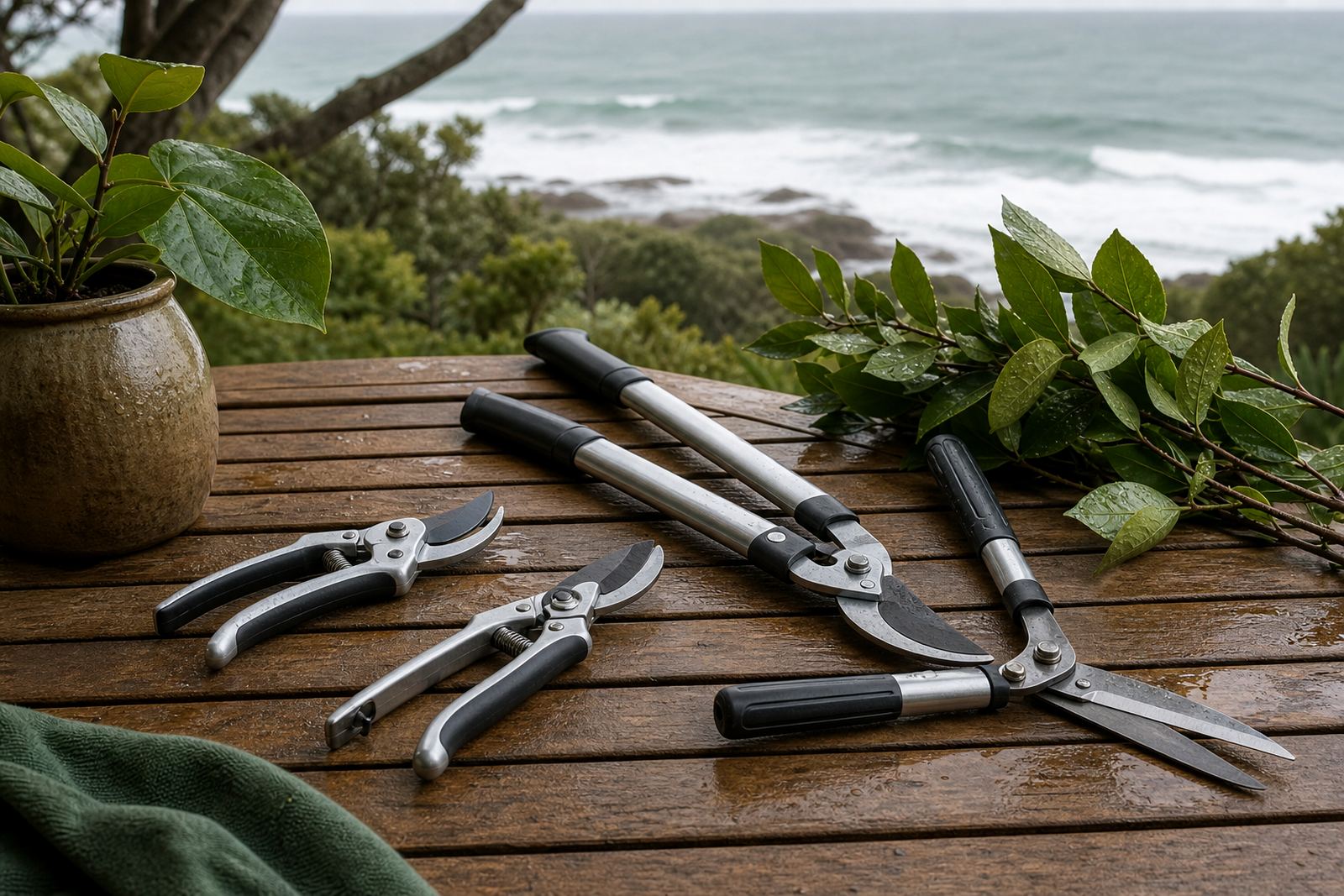
Look for handles that sit comfortably in the palm and a grip that does not twist when wet. In coastal areas like Gqeberha and Durban, humidity and moisture can make tools slippery, so a firm, comfortable handle is worth prioritising. For older users or anyone with smaller hands, a lighter tool can be easier to control than a long heavy one, even if the longer tool has more leverage.
- Test the opening width before buying
- Check if the grip feels secure with one hand
- Consider who will use the tool most often
Use the right size for the job on site
On a job site, size choice is practical. A landscaper trimming a row of hedges in Hilton may want a longer tool for reach. A home gardener in Howick might prefer something shorter for rose beds and fruit tree suckers. The best lopper is the one that helps you work safely, with less stretching, less ladder use and fewer repeated cuts on the same branch.
Before you start, check the work area for overhead wires, uneven ground, loose paving and hidden irrigation lines. South African gardens often have a mix of lawn, paving and boundary walls, so a tool that feels balanced can prevent knocks to nearby plants and structures. If the branch is too high or too thick, do not force the cut. Step back and choose a better angle or a different tool.
- Choose reach that keeps you balanced on the ground
- Avoid overextending for high branches
- Keep clear of wires, walls and glass close to the plant
Care, servicing and when to replace parts
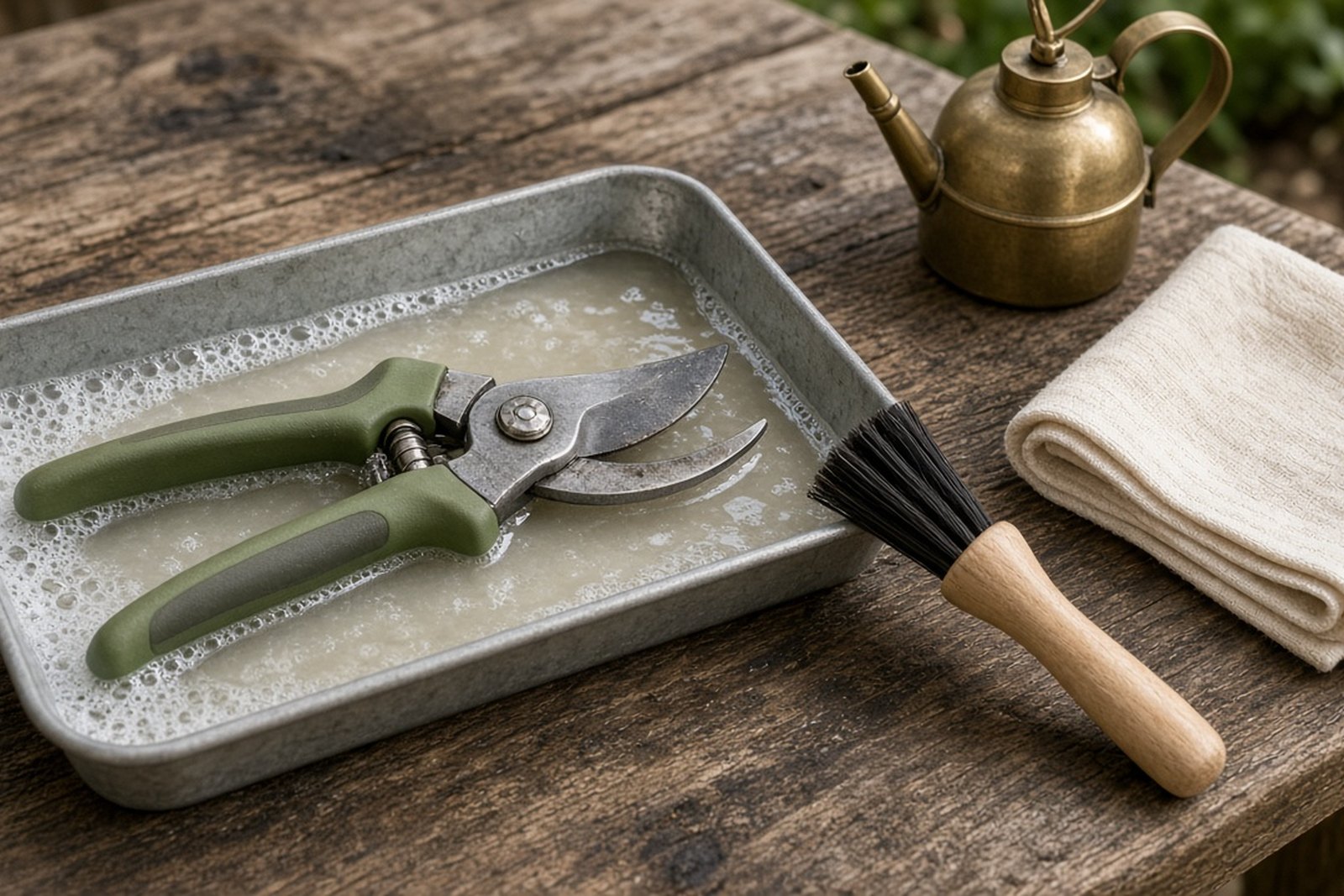
A good lopper can last well if it is cleaned, sharpened and adjusted regularly. After use, wipe off sap and dirt so the pivot does not seize. In humid towns and garden centres near the coast, rust can start quickly if the tool is stored damp. Keep blades dry, oil the pivot lightly and check the cutting edge before the next round of pruning.
If the handles feel loose, the spring is weak or the blade no longer closes cleanly, a service can often bring the tool back into line. Common jobs include spring replacement, grip replacement, pivot adjustment, rust removal, deep cleaning and parts fitting. For landscapers with multiple tools on the go, a fleet care plan can keep servicing organised and reduce downtime.
- Clean sap and soil after every use
- Dry thoroughly before storage
- Book servicing when cutting feels hard or uneven