Why coastal gardens wear tools out faster
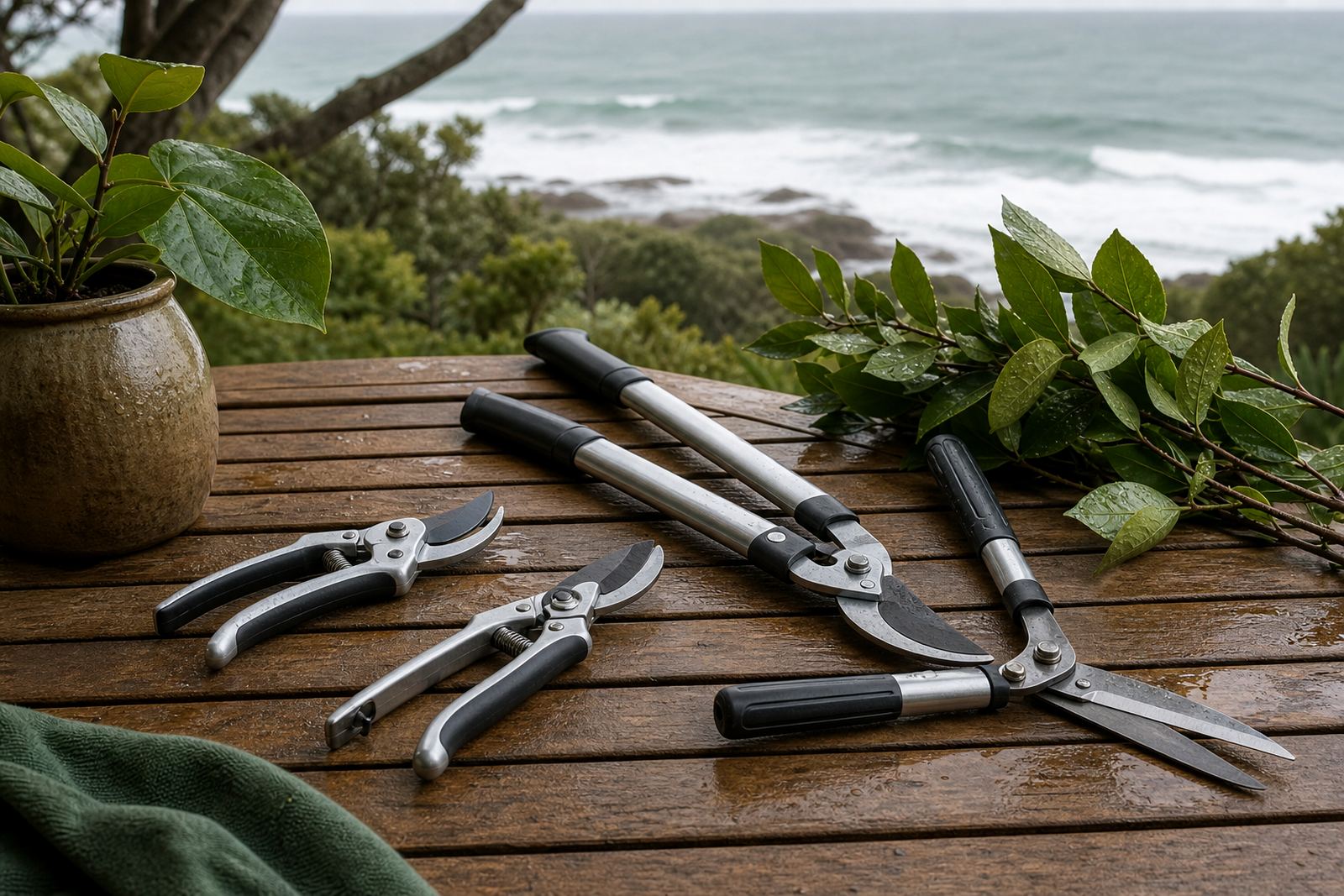
If you garden near Durban, Gqeberha or any salty coastline, tools pick up moisture quicker and rust starts sooner. Coastal air, frequent watering and wet grass after morning mist all increase the chance of sticky pivots, dull edges and tired grips.
That matters for home gardeners and landscapers alike. A clean cut is easier on plants and reduces the strain on hands, but only if the tool keeps its edge and moves freely even after a few weeks in damp conditions.
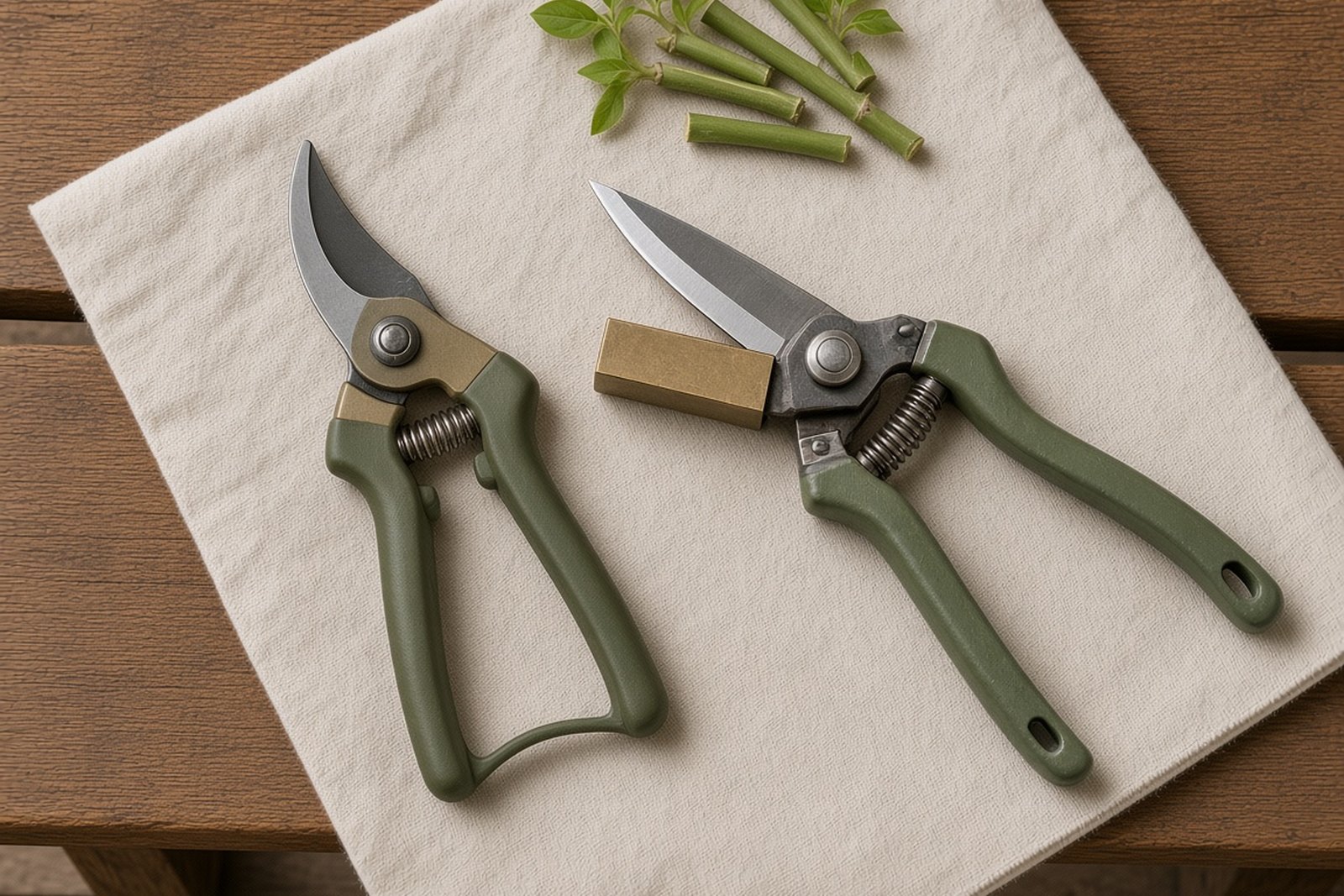
What to check before you buy pruning shears
Start with the blade. Look for clean steel, a smooth cutting action and a finish that resists surface rust. For rose bushes, herbs and small branches, the right secateur should open comfortably in the hand and close without wobble.
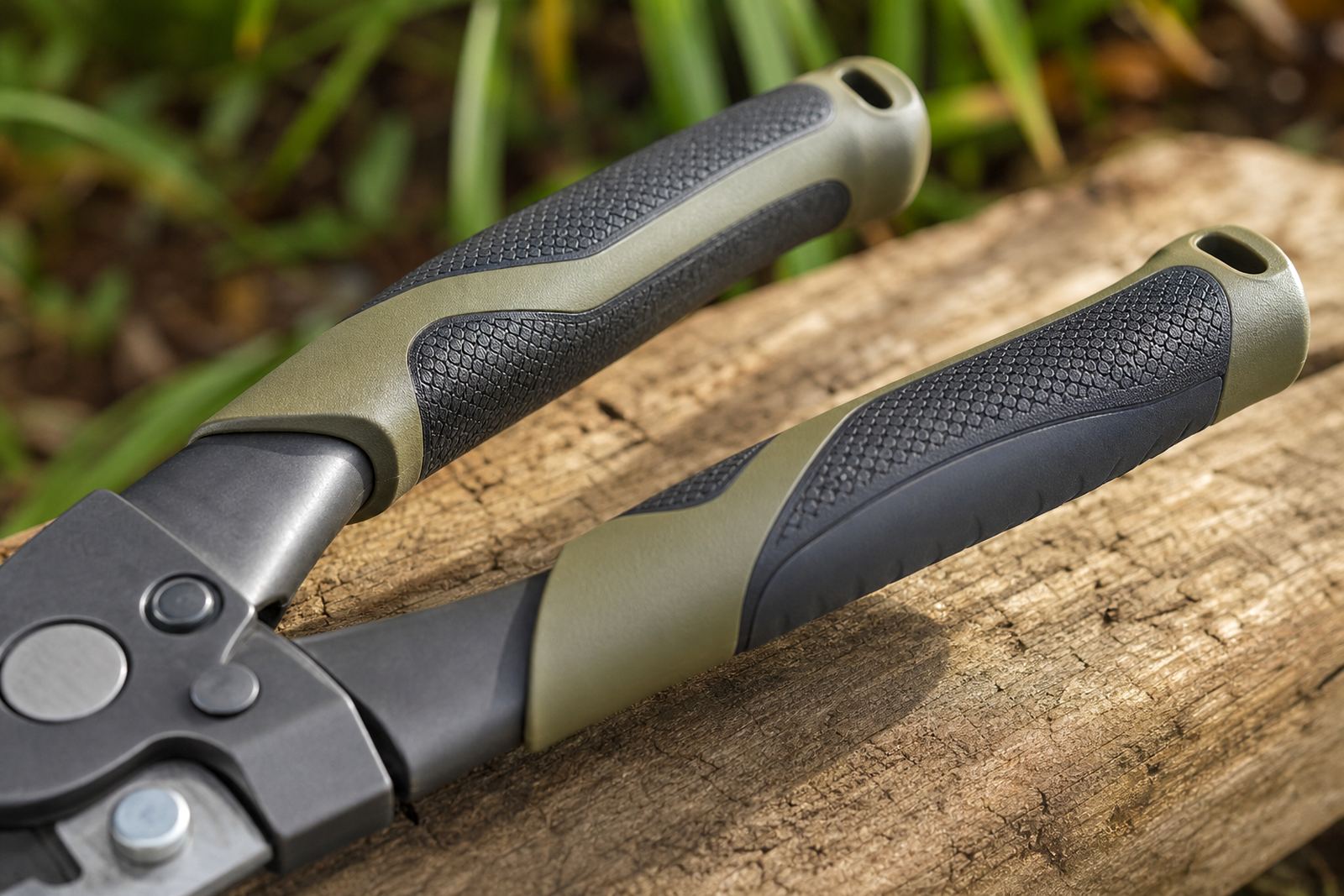
Check the handle shape as well. In humid weather your grip can slip, so a textured handle or a well-shaped rubber grip helps a lot. If you spend long hours in gardens around Pietermaritzburg or Howick, comfort is not a luxury, it is part of the job.
- Blade closes cleanly without catching
- Pivot feels tight, not loose or gritty
- Grip suits your hand size
- Lock is easy to use with one hand
- Parts can be serviced or replaced later
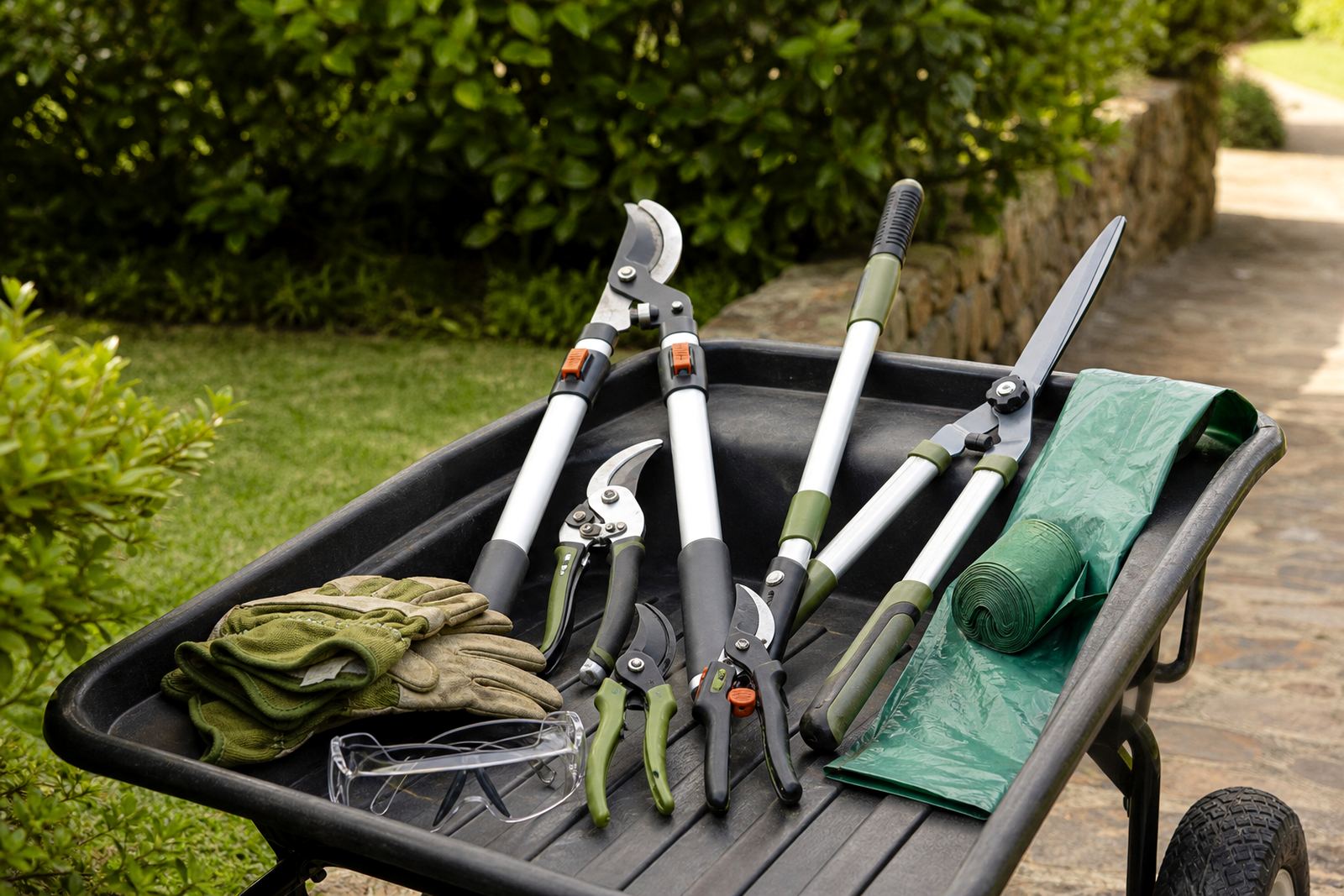
Loppers that cope with wet branches and heavy use
Loppers do the hard work on thicker stems, shrubs and young tree growth. In coastal gardens you want a model with a strong cutting head, a solid pivot and handles that do not flex too much under pressure. Weak handles make the job harder and can lead to ragged cuts.
Choose the blade style for the kind of work you do most. Anvil types suit dry, dead wood, while bypass styles are better for living branches and cleaner cuts. For gardeners managing estates or body corporate grounds in Pretoria or Johannesburg, that choice can save time on each visit.
- Handle length matches the reach you need
- Cutting head suits live or dead wood
- Handles stay firm when fully opened
- Pivot can be adjusted during servicing
- Tool feels balanced, not nose-heavy
Hedge tools for neat lines in salty air
Hedge shears and similar hedge tools need sharp blades and comfortable handles because the work is repetitive. Around coastal suburbs, trimmed hedges often face wind, sun and salt at the same time. A tool that starts to drag after a few cuts will slow the whole job down.
Look for straight blades with good alignment and grips that stay secure even when your hands are damp. If you cut box hedges, duranta or formal boundary hedges, a clean blade edge gives a tidier finish and less tearing on the plant. That is especially useful where municipal verges or boundary lines need to look neat on schedule.
A simple care routine after each job
Good tools last longer when you clean them properly. After each use, wipe off sap, soil and moisture. In humid towns like Durban or Gqeberha, leaving a tool wet in the van or shed is often what starts the rust.
Use this quick routine:
- Wipe blades dry before storage
- Remove sap with a suitable cleaner
- Check the pivot for grit or stiffness
- Oil moving parts lightly
- Store tools off the floor in a dry place
If a tool has already started to roughen, do not wait for the next cut to fail. Early maintenance is cheaper than replacing blades and grips too soon.
When to service instead of replacing
Many pruning shears, loppers and hedge tools can keep going with servicing. If the blade is still straight, the frame is sound and the handle is intact, a proper service can bring it back into daily use. That may include blade sharpening, spring replacement, grip replacement, pivot adjustment, rust removal and deep cleaning.
For landscapers with a small fleet of tools, regular inspections help plan downtime around busy weeks and load-shedding. It is easier to keep spare tools ready than to lose a crew member for half a day because one cutter has seized up. If you work from Pietermaritzburg across KwaZulu-Natal or further afield, a servicing plan keeps equipment predictable.
- Replace if the frame is bent or cracked
- Service if the blade is dull but sound
- Fit new springs when closing action weakens
- Clean out rust before it reaches the joint
- Book inspections before peak season