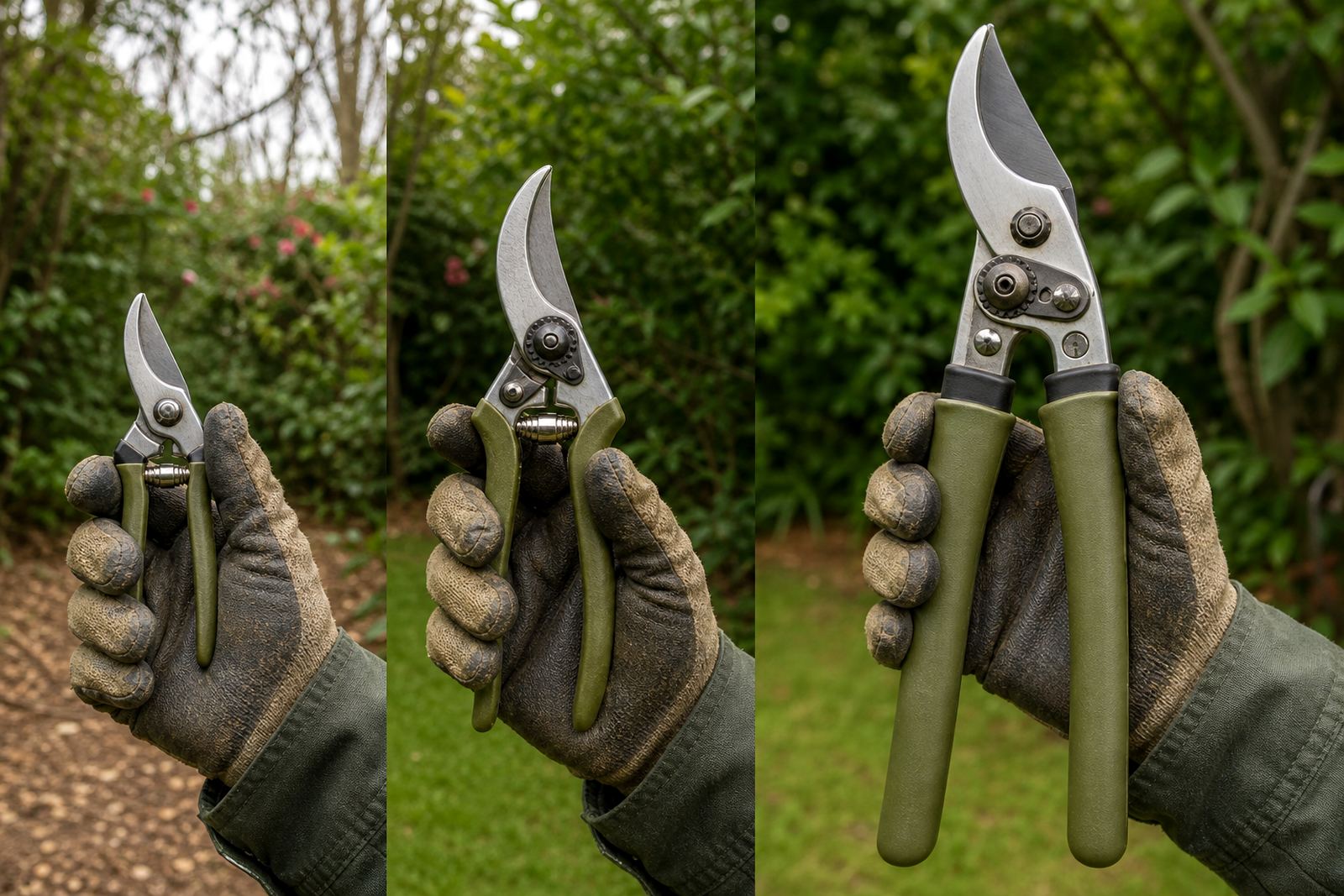
Start with the cut, not the tool type
When gardeners ask which is better, bypass or anvil, the better question is what are you cutting. Live stems, green shoots and soft growth need a clean slice that closes neatly. Dry, dead or hardened wood can handle a more compressive cut without the same concern for tissue damage.
In Pietermaritzburg, Durban and other humid coastal areas, soft growth can be dense and fast moving after summer rain. Inland in Johannesburg or Pretoria, many shrubs dry out faster and older stems can become woody. That is why one tool does not suit every job. A good set of secateurs, loppers and hedge tools should match the material in front of you.
As a simple rule, use bypass for living growth and anvil for tougher dead material. If you are unsure, check whether the stem is green and flexible or dry and brittle. That quick test saves time and helps keep plants healthier.
How bypass blades work on live growth
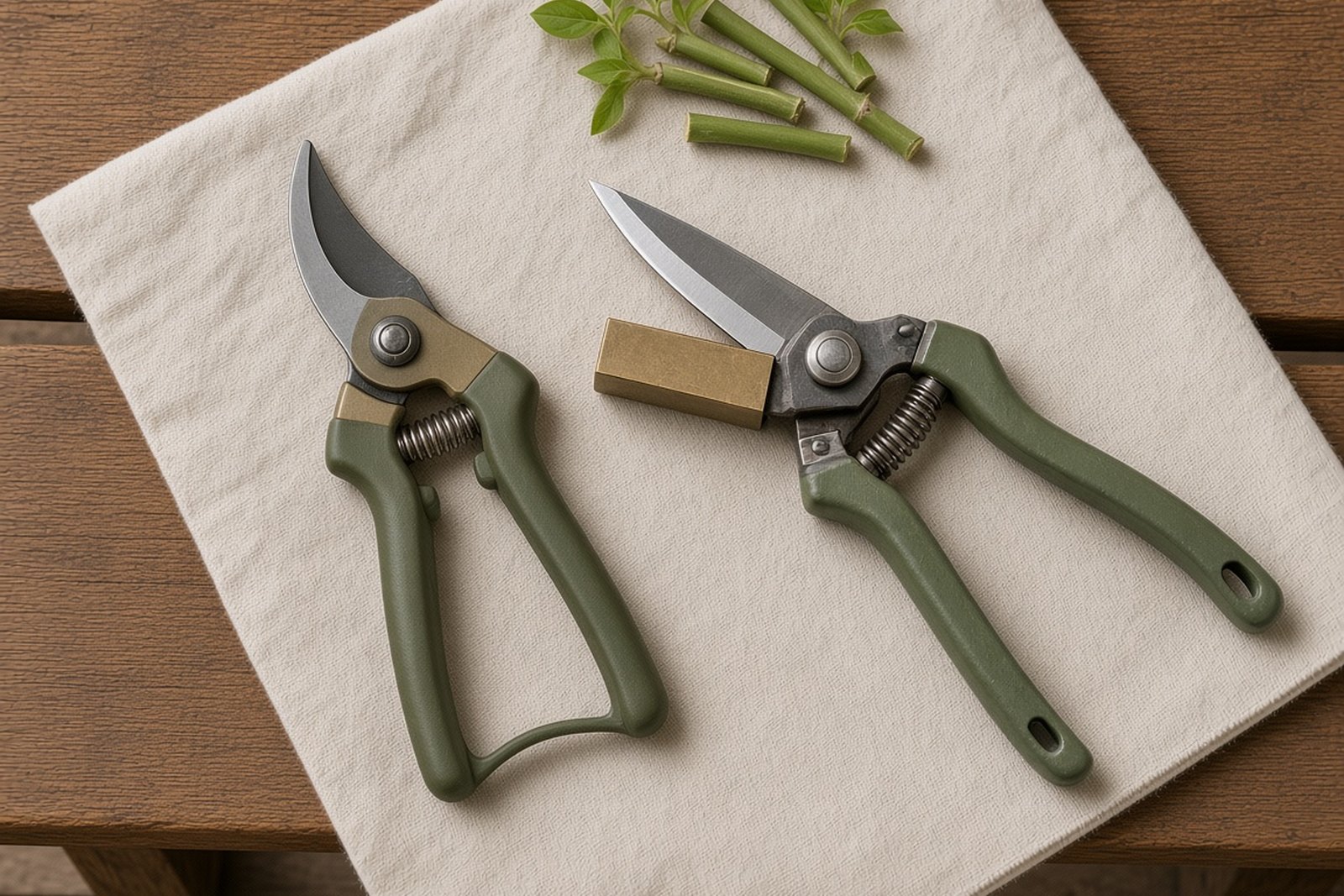
Bypass tools work like scissors. Two blades pass each other and produce a neat cut, which is ideal for stems that are still active. This style is preferred for roses, herbaceous plants, tender shrubs and green hedge trimming because it reduces crushing at the cut point.
For home gardeners, bypass secateurs are often the first tool to reach for. They suit light pruning, shaping and routine maintenance. Landscapers also prefer them for detailed work where appearance matters, especially on ornamental beds and smaller hedge sections.
Use bypass tools when you need:
- Clean cuts on live stems and soft shoots
- Less bruising near the cut
- Better finish on decorative plants
- More precise hand pruning around flower beds
If the blade feels sticky or needs extra force, the tool may be blunt or the stem may be too thick for hand secateurs. That is a sign to move up to loppers or hedge tools instead of forcing the cut.
Where anvil tools earn their keep
Anvil tools work by pressing a blade down onto a flat surface. This action is well suited to dry wood, dead twigs and harder, brittle material. The design makes it easier to cut thicker or tougher stems with less hand strain, especially on jobs where finish is less important than getting through the material cleanly.
In gardens with a lot of seasonal dieback, anvil secateurs or anvil loppers can be useful for clearing deadwood, cutting back dormant stems and handling rough cleanup after wind damage. They are also handy where the plant material is already dry and fibrous, such as old canes or spent branches. The cut may be less neat than bypass, but on dead wood that is usually acceptable.
Choose anvil tools for:
- Dead or dry stems
- Thicker woody sections
- Cleanup after storms or drought
- Jobs where cutting power matters more than a cosmetic finish
If you use anvil blades on soft live growth, the stem may be crushed rather than sliced. That can slow recovery and leave the plant more open to stress, especially in hot weather or where watering is uneven.
A simple choice guide for gardeners and crews
If your pruning trolley only carries one cutting style, start with bypass for general garden maintenance. It covers the widest range of live growth and gives the best result on most ornamental work. Then add anvil tools for deadwood, cleanup and thicker dry material.
A practical check before you cut:
- Green and soft? Use bypass.
- Dry and brittle? Use anvil.
- Thicker than your hand tool can handle? Move to loppers.
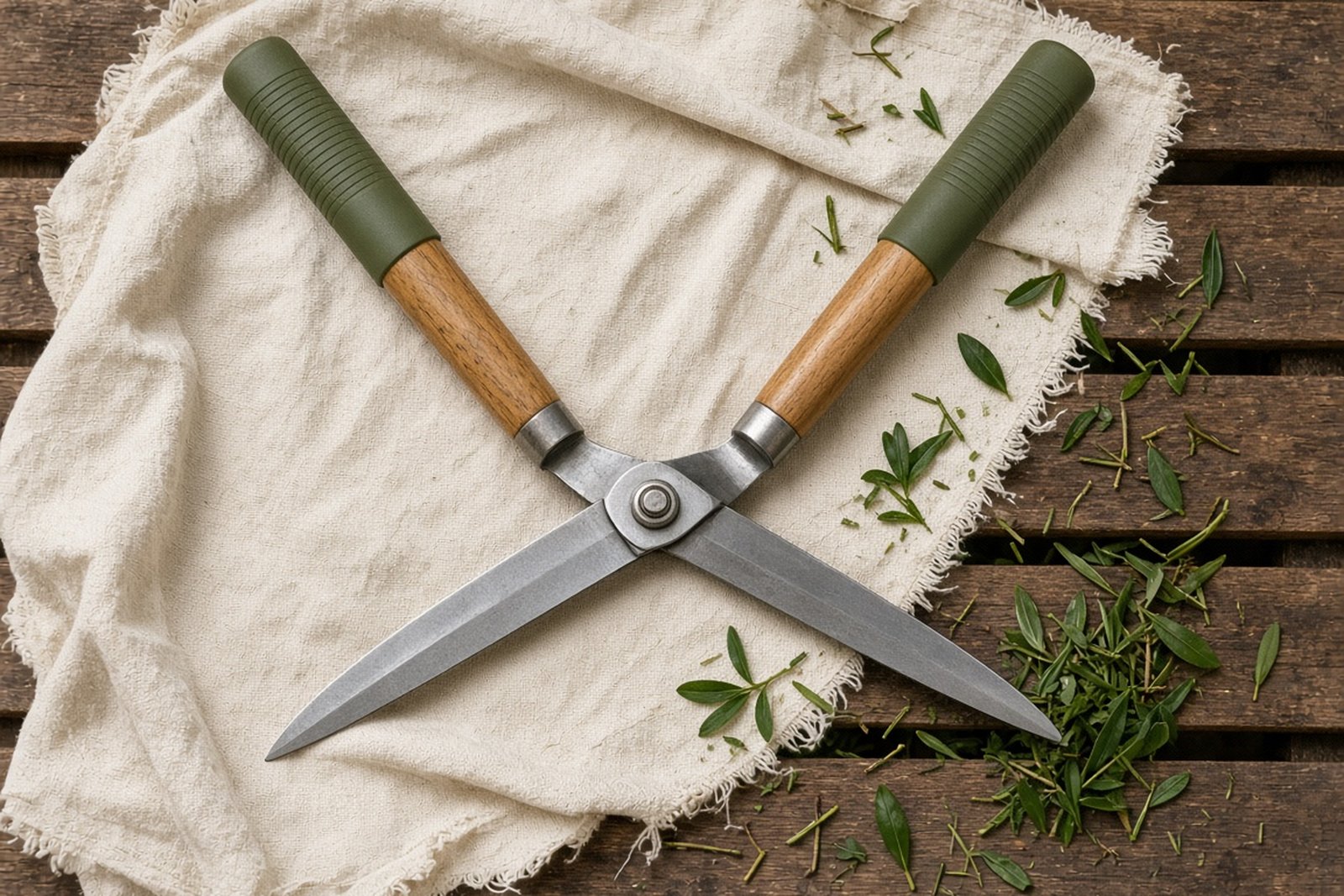
- Fine hedge work? Use hedge shears or hedge tools made for that task.
- Not sure? Test a small section first and inspect the cut surface.
For landscapers working in estate gardens, schools or municipal spaces, this approach keeps the work moving and reduces tool wear. It also helps when crews are moving between different suburbs and planting types in the same day. A good habit is to keep one bypass tool for clean growth and one anvil tool for rougher material.
How to inspect the cut before you move on
The cut itself tells you whether the tool was suitable. A good bypass cut on live growth should look smooth and even, with minimal squashing. An acceptable anvil cut on dead wood may look less refined, but it should still sever the stem cleanly without tearing it apart.
Check the result immediately after the cut. If the bark is split, the stem is flattened or the blade has chewed the surface, the tool is either blunt or the wrong type for the job. On delicate shrubs this matters more than on dead pruning waste. In coastal areas where moisture lingers, torn tissue can stay wet longer and attract problems around the cut.
Look for these signs:
- Clean edge with no long fibres hanging off
- No crushed section around the wound
- No excessive force needed from the hand
- Blade returning smoothly after each cut
- Spring and pivot working without stiffness
If the tool hesitates, it may need servicing, sharpening or a spring replacement. Regular care matters, especially on job sites where tools are used daily and stored in vans between calls.
Care checklist for better cutting results
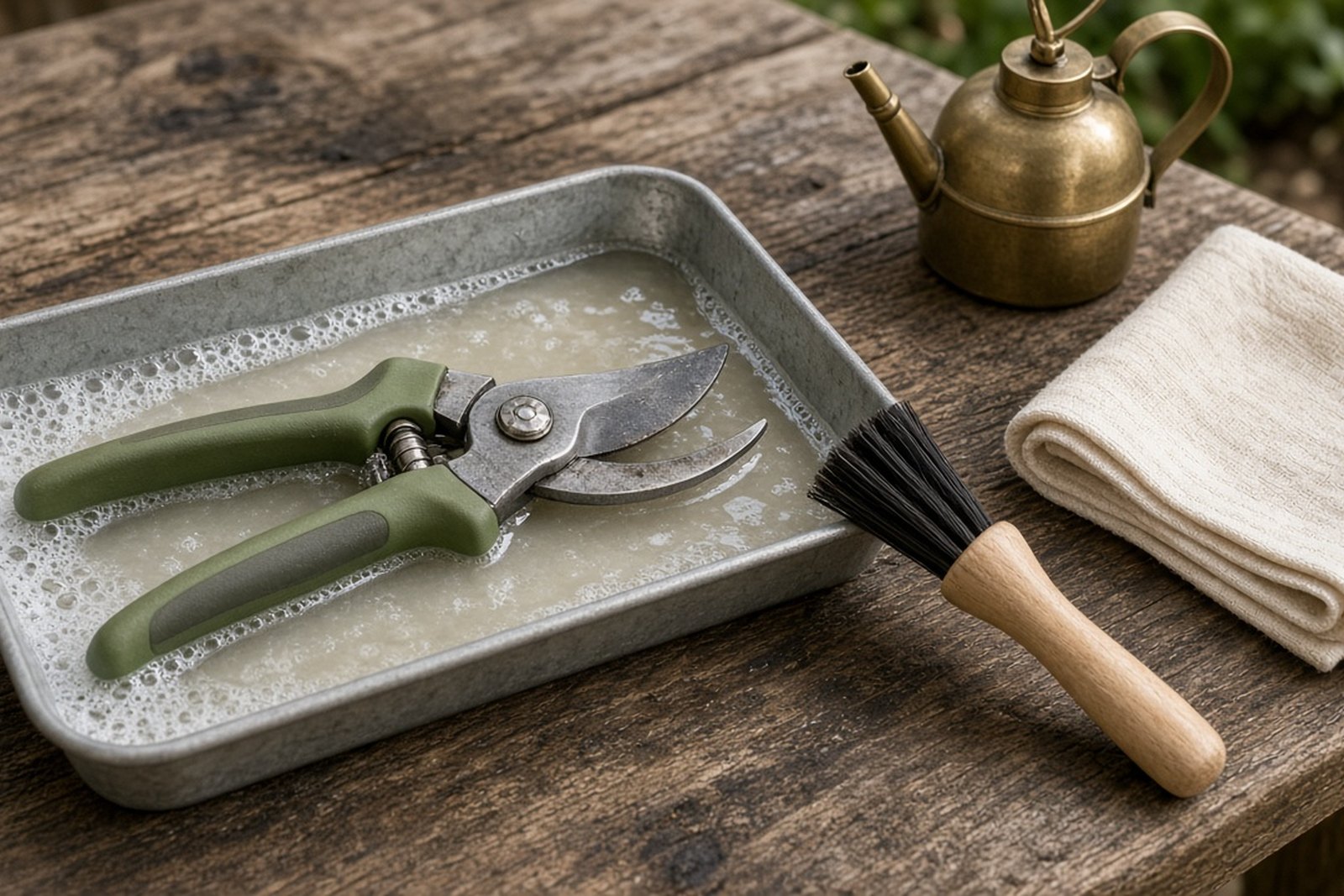
Good cutting style only works when the tool is kept in shape. A blunt blade makes bypass cuts messy and can turn an anvil tool into a struggle. Dust, sap and rust also build up faster in coastal humidity and in rainy seasons around KwaZulu-Natal.
Use this maintenance checklist:
- Wipe blades after each use to remove sap and grit
- Sharpen cutting edges before they start crushing stems
- Check the pivot for tightness and free movement
- Replace worn grips if the handles slip in wet hands
- Clear rust early before it pits the blade
- Inspect springs and fittings for wear
For larger crews, a fleet care plan can keep pruning equipment moving through the season with less downtime. That is useful for garden services handling multiple sites across Pietermaritzburg, Durban, Johannesburg and the other major centres. A tool that opens properly and closes straight will always cut better than one that is left rough after a busy week.
When to choose servicing over replacement
Not every tool needs to be replaced as soon as it starts struggling. Many secateurs, loppers and hedge tools can be brought back with blade sharpening, pivot adjustment, deep cleaning or parts fitting. If the frame is still sound and the cutting action is the issue, servicing is usually the better option.
Replacement makes more sense when the blade is badly worn, the body is bent or the tool no longer holds alignment after adjustment. For working gardeners, the goal is simple: a tool that cuts true, feels comfortable in the hand and suits the task. Whether you are maintaining a backyard hedge in Howick or clearing dry branches on a bigger property in Cape Town, matching bypass or anvil to the job saves effort and gives better results.
For any pruning job, start with the stem, choose the right cutting style and keep the tool in good order. That is how you get cleaner work and less strain on the hands.