Start with the shape you want to achieve
Before you buy hedge shears, look at the job in front of you. A formal box hedge around a Pietermaritzburg home needs a different approach from an overgrown boundary hedge in Durban or a clipped topiary feature in a Johannesburg courtyard. The tighter the finish you want, the more important blade quality, balance and handle comfort become.
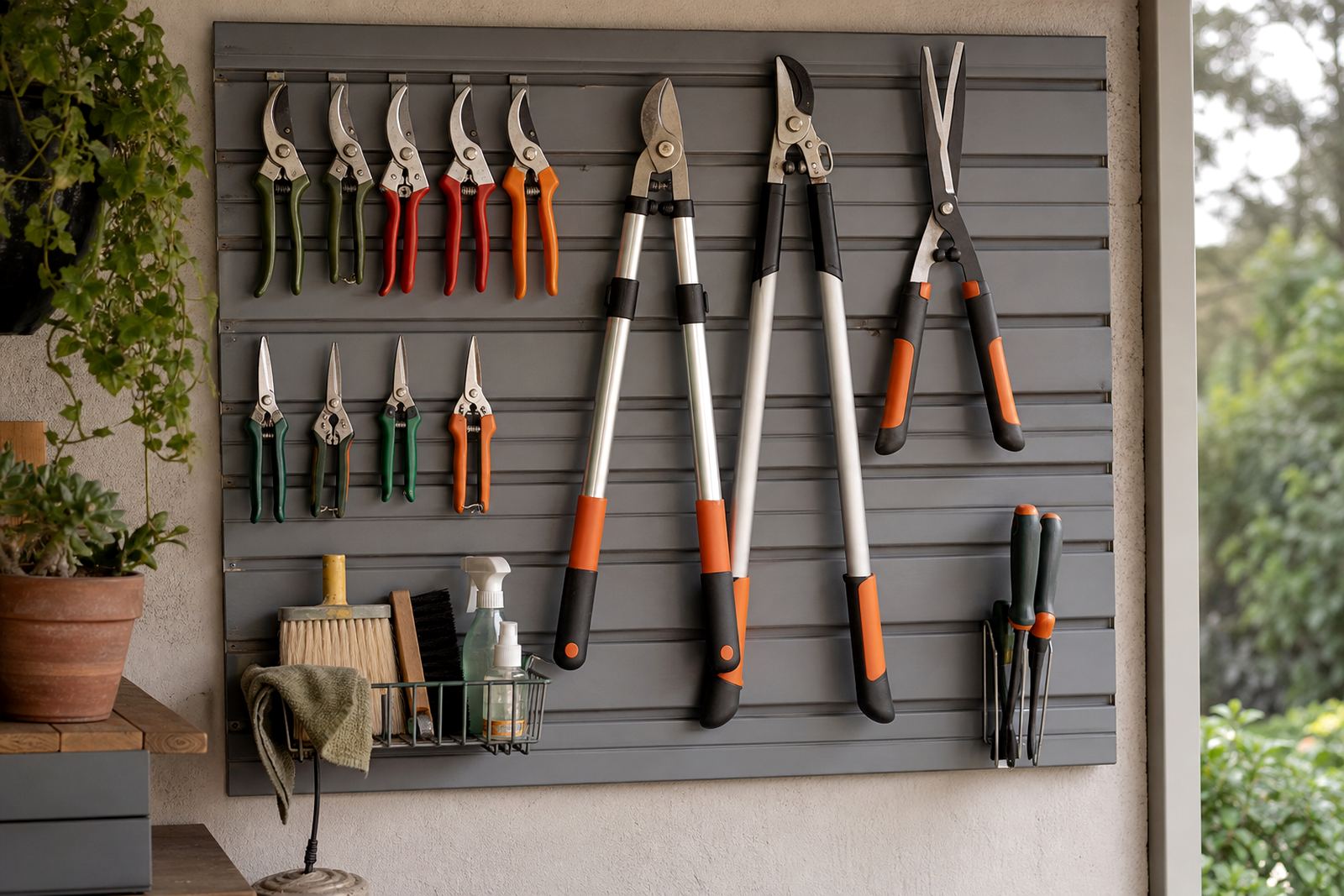
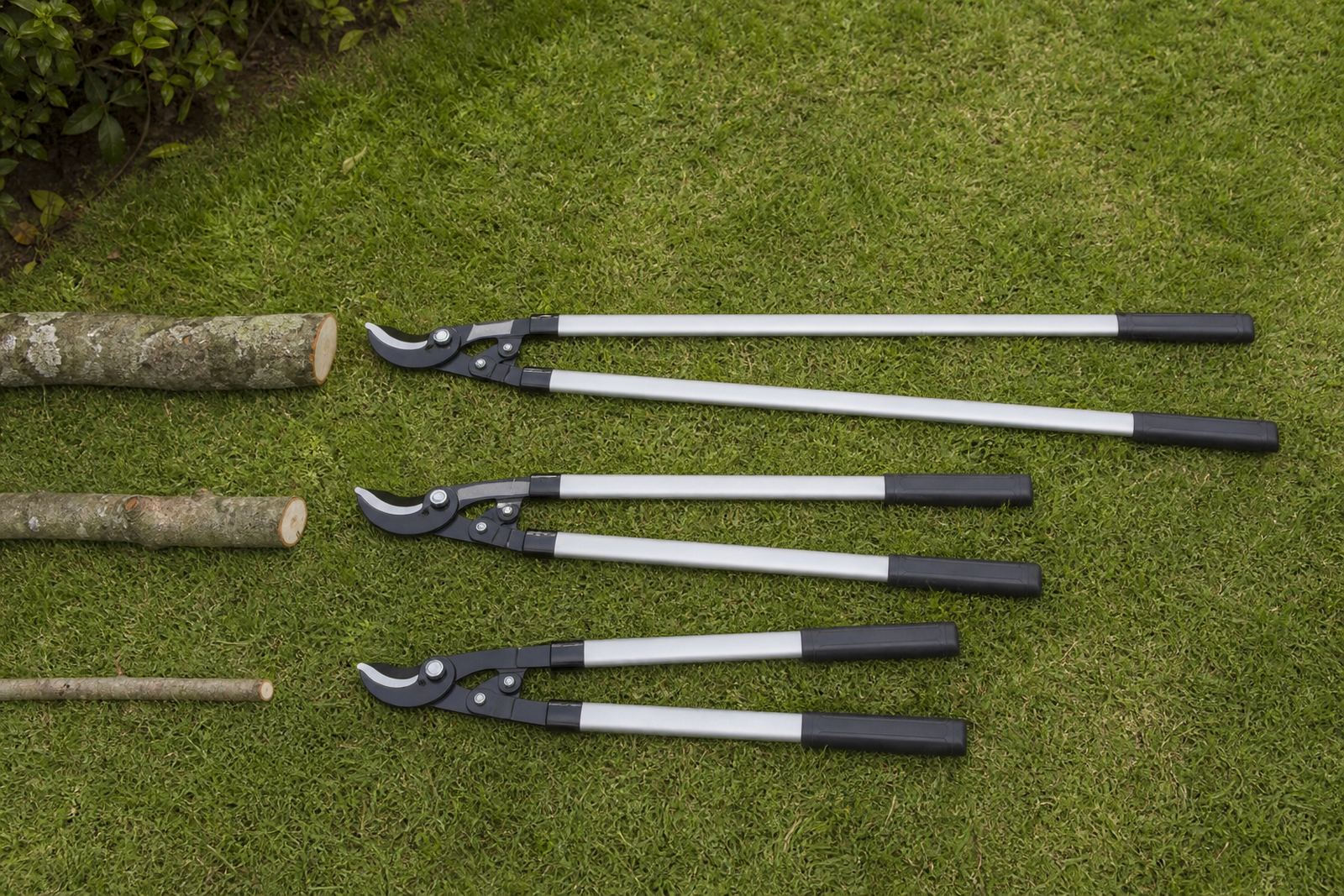
For neat shaping, hedge shears are best for light to medium growth and final trimming. They give you control along the top and sides of hedges, shrubs and ornamental plants. If the stems are already thick and woody, a lopper or pruning shear is often the better first step, then come back with hedge shears for the clean finish.
Choose the right shear length and blade style
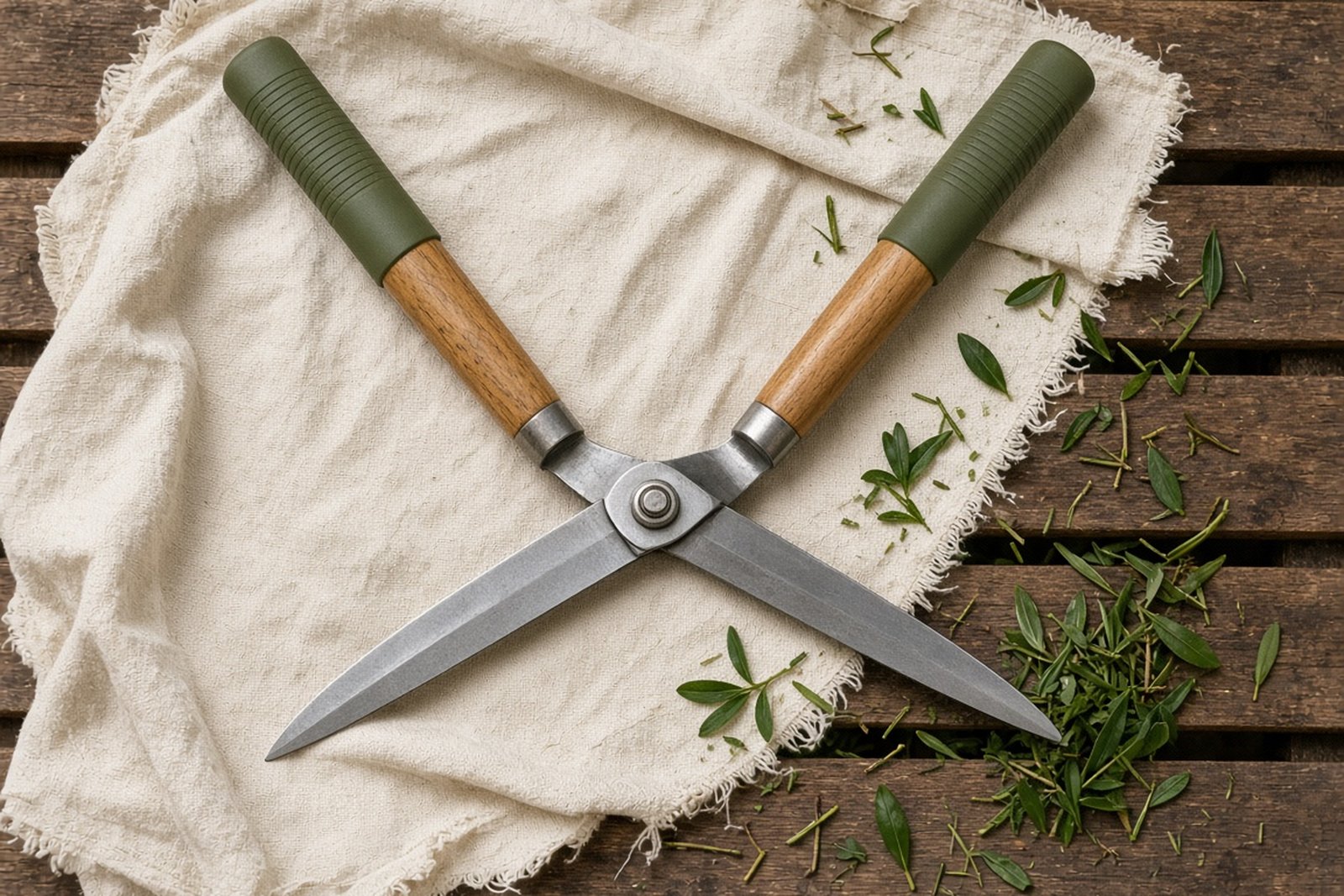
Hedge shears come in different blade lengths and handle styles. Shorter blades are easier to control on small hedges and detailed work. Longer blades cover more surface at once, which helps on longer runs and larger properties, but they need steadier hands and a bit more strength.
- Short blades: good for topiary, tight corners and smaller gardens.
- Medium blades: a practical all-round option for most home gardens.
- Long blades: useful for larger hedges and faster trimming over long stretches.
- Straight blades: suited to clean lines and formal hedging.
- Lightly curved blades: helpful when you want smoother sweeping cuts on softer growth.
Handle grip matters too. Soft, shaped grips reduce hand strain if you are trimming for an hour or more. In coastal areas like Cape Town and Gqeberha, a comfortable grip plus corrosion resistance is worth paying attention to because salt air can shorten tool life if you leave blades wet or dirty.
Match the tool to your hedge and the season
Growth rate changes with weather and watering. In KwaZulu-Natal, many gardens put on fast growth after rain, while inland gardens can go from soft spring growth to harder summer stems quite quickly. The best hedge shears are the ones that suit the season and the plant material you are cutting.
Use hedge shears for fresh growth, light thinning and shaping. If your hedge has gone too far between trims, cut back the longer growth in stages instead of trying to force the shears through thick stems in one pass. That gives a better finish and puts less strain on the pivot and blades.
- Soft new growth: ideal for hedge shears.
- Mixed growth with some thicker stems: use pruners first, then hedge shears.
- Hard, dry or woody stems: do not force the blades, switch tools.
- Wet foliage after rain: wait for a drier window where possible for cleaner cuts.
Set up for safer, straighter cutting
A tidy hedge starts with a simple setup. Clear stones, sticks and loose wire from the area before you begin. Check your stance, especially on slopes and uneven ground common in many suburban gardens. If you are working near walls, paving or municipal boundaries, keep the cut line neat and avoid throwing clippings into drains or onto the pavement.
For straight sections, step back often and look along the hedge line from a distance. Keep the top slightly narrower than the base so the lower leaves still get light. This helps the hedge stay full from bottom to top rather than thinning out near the ground.
- Wear gloves and eye protection.
- Keep both hands on the handles during use.
- Cut from the outside in short controlled strokes.
- Stop and inspect the line every few metres.
- Collect trimmings before they dry and blow around the yard.
Look after blades, pivots and grips
Garden tools last longer when they are cleaned after use. Wipe off sap and moisture, then dry the blades properly before storage. If you leave hedge shears in a damp storeroom or outside in a coastal courtyard, rust can build up fast and the action becomes rough. A little care after each job saves money later.
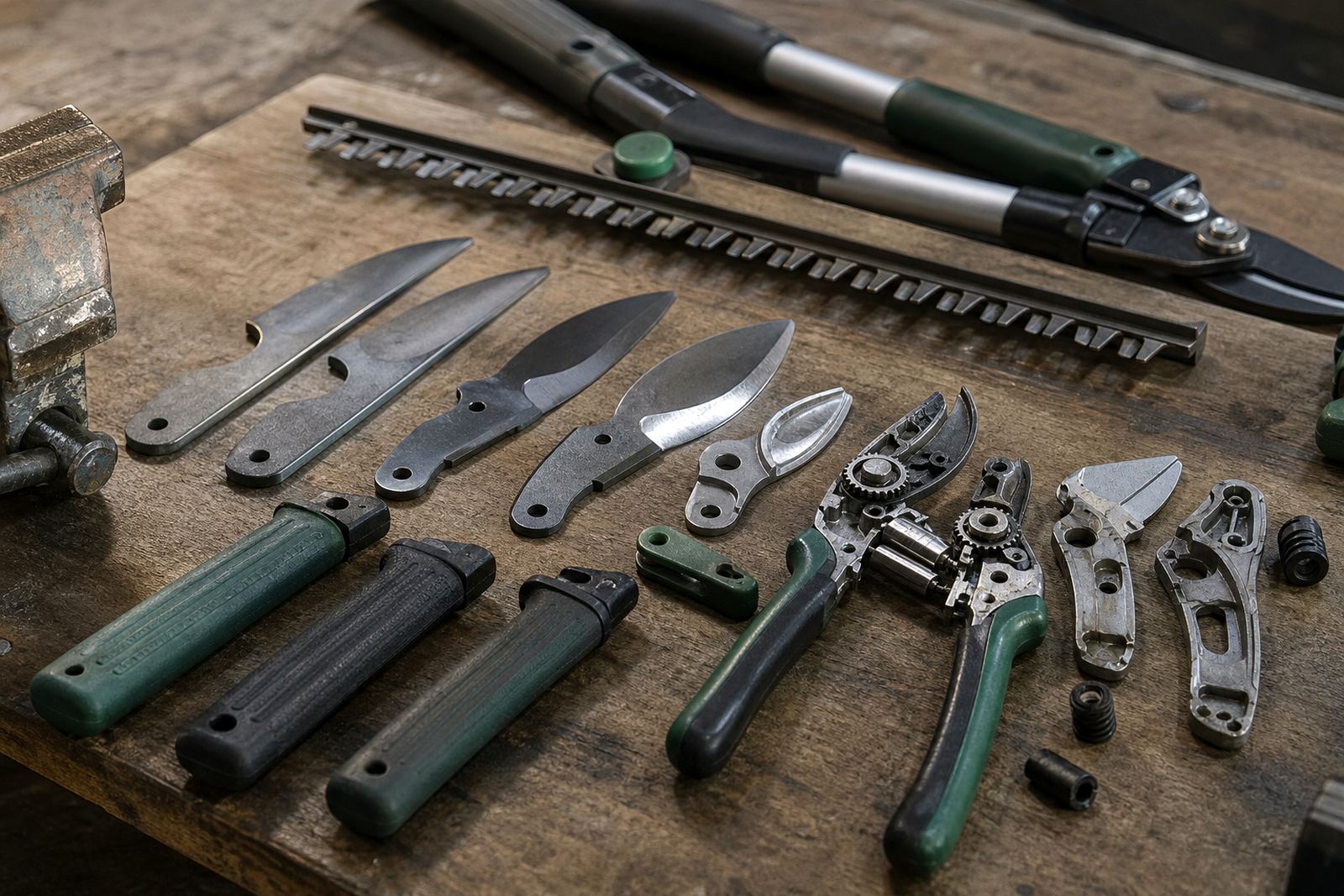
Check the pivot bolt, spring and grips for wear. If the blades start to pull rather than slice, they may need sharpening or adjustment. If a handle grip is cracked, loose or slipping in the hand, replace it before the next trimming job. Regular servicing helps the tool stay comfortable and accurate, especially for landscapers who use the same set week after week.
When to service, replace or sharpen
Not every problem means you need a new tool. Many hedge shears can be brought back into good working order with sharpening, spring replacement, grip replacement, pivot adjustment, rust removal or a deep clean. That is useful for home gardeners in Hilton or Howick and for crews managing several sites across Durban, Pretoria or Cape Town.
A practical check is simple. If the blades are nicked, the pivot is loose, the spring no longer returns properly or the cut leaves frayed tips, it is time for servicing. For fleet care plans, regular inspections help keep every tool ready, instead of waiting until the busiest week of the season when work piles up and the tools start giving trouble.
- Blade sharpening for dull edges.
- Spring replacement when closing action weakens.
- Grip replacement for comfort and control.
- Pivot adjustment if the blades wobble or bind.
- Tool inspections to catch wear early.
A simple buying checklist for home gardeners and crews
Whether you are maintaining a small townhouse garden or trimming hedges on larger properties, a short checklist helps you choose well. The right hedge shears should feel balanced in the hand, cut cleanly, and suit the type of hedge you trim most often. If you can test the opening and closing action, even better, because a tool that feels awkward in the shop will usually feel worse after half an hour on site.
For South African conditions, also think about storage. If the tool will be kept in a garage in Pietermaritzburg, a lockup in Johannesburg or a service vehicle on the coast, choose one that is easy to clean and not overly heavy. Good hedge shears should make the job neater not harder.
- Comfortable grip and balanced weight.
- Blade length that suits the size of the hedge.
- Easy, clean cutting action.
- Simple maintenance and servicing support.
- Good fit for your usual garden conditions.