Why material choice changes the way a tool works
When you use pruning shears, loppers or hedge tools every week, the material does more than affect price. It changes how the tool cuts, how much effort you need, and how well it handles wet grass, coastal humidity and dusty storage sheds. A good material choice can also reduce hand strain, which matters if you are clearing a boundary hedge in Durban or pruning fruit trees in Pretoria after a long dry spell.
Start with the job. Soft green growth needs a clean, sharp edge. Older woody stems need stronger blades and solid pivots. If you are buying for a home garden, comfort may matter more than weight. If you are using tools all day, balance and serviceability become important too.
Common blade materials and what they mean in use
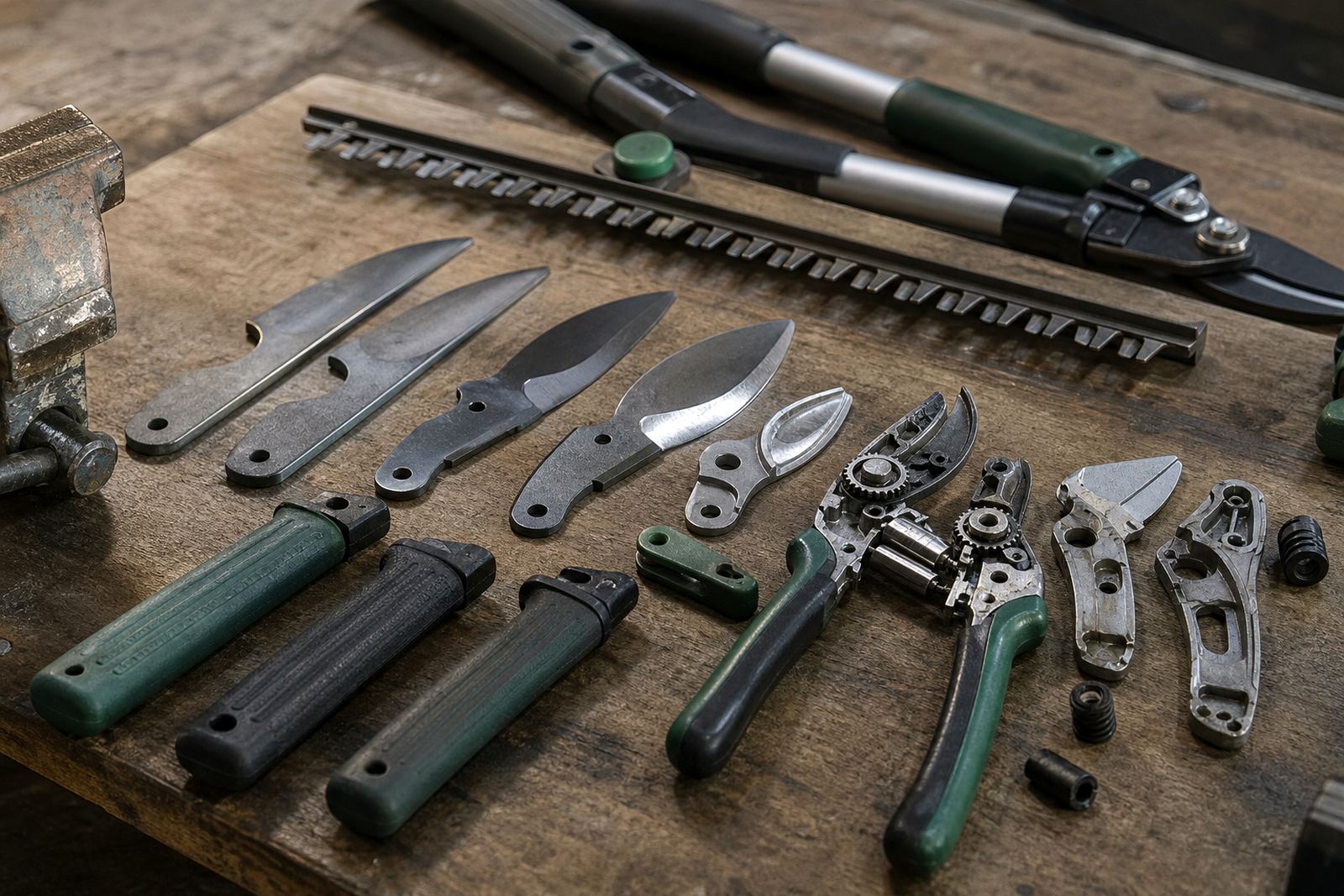
Most garden blades are made from carbon steel, stainless steel, or a treated steel blend. Carbon steel usually takes a keen edge and is easy to sharpen, which is useful for clean pruning. The trade off is rust risk if the tool is left wet after a morning in the rain or stored near the coast without drying. Stainless steel resists rust better, so it suits gardeners in humid areas and anyone who may forget a quick wipe down, but it can need a bit more effort to sharpen.
Some blades are coated for extra protection. That can help with sap build-up and surface corrosion, though the coating should not be treated as a replacement for cleaning. If sap is left on the blade it will harden and drag during the next cut, especially on hedge tools. For regular use, look for a blade that is hard enough to hold its edge but not so brittle that it chips on thicker stems.
- Choose carbon steel for easy sharpening and a very sharp cutting edge.
- Choose stainless steel for better rust resistance in damp or coastal areas.
- Choose coated blades if you want less sap sticking and easier cleaning.
- Avoid pitted or blue stained blades, as that often means poor care or corrosion.
Handle materials and grip comfort for long sessions
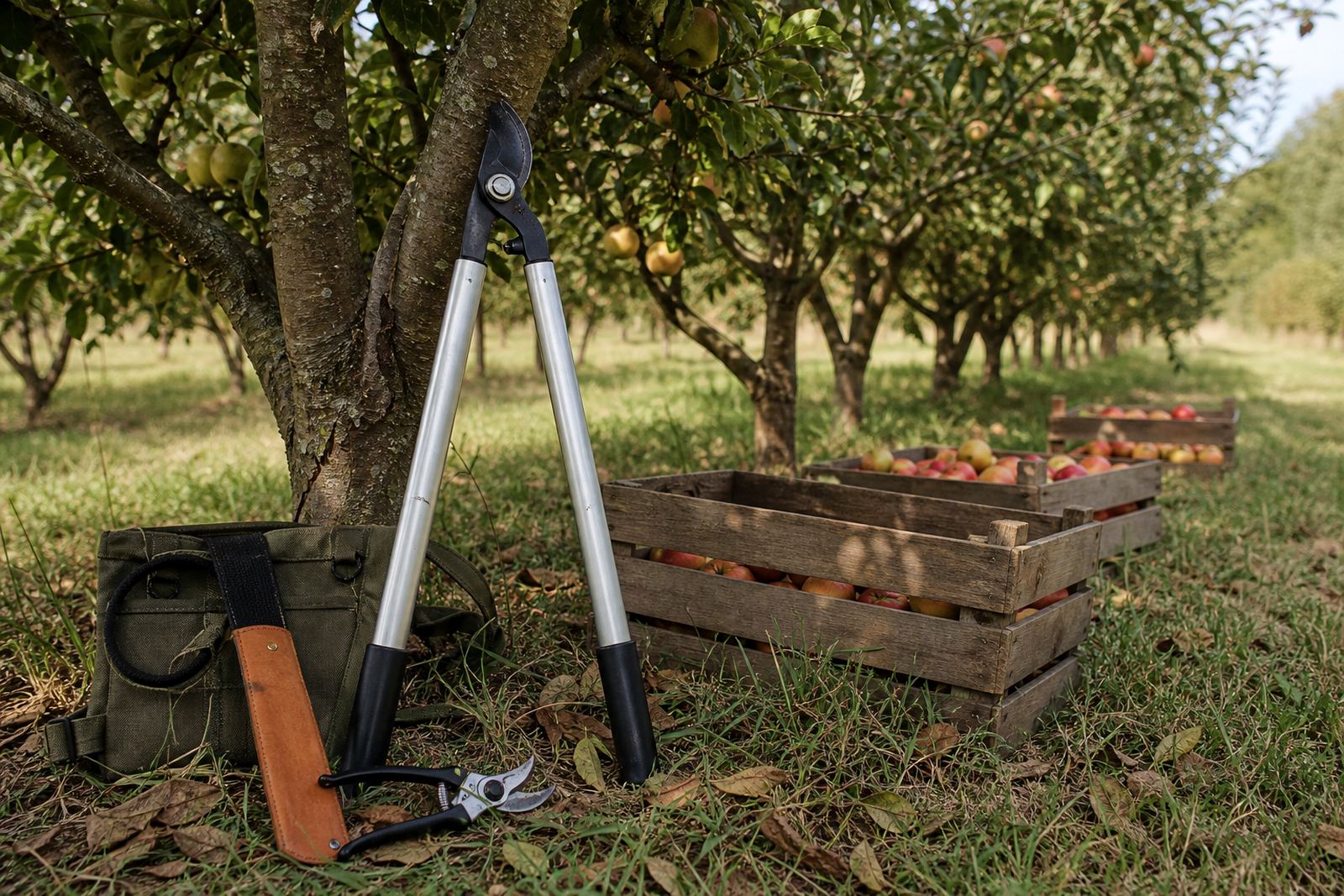
Handle material affects fatigue as much as blade quality. Aluminium handles are common on loppers because they are light and strong, which helps when reaching overhead hedges or cutting thicker stems. Steel handles feel solid and last well, but they can make the tool heavier. On a full day of garden maintenance, that extra weight is noticeable.
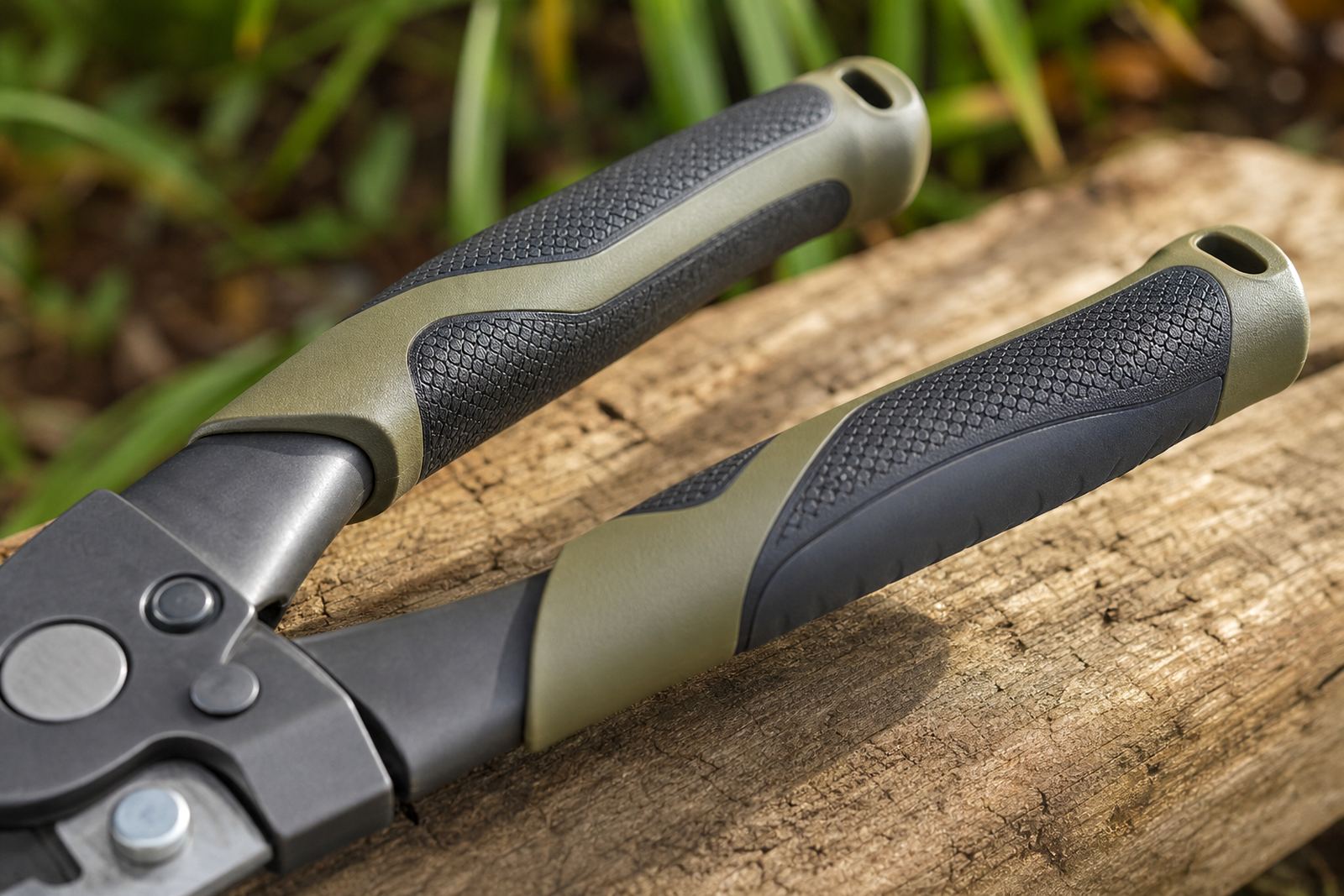
Plastic or composite grips can improve comfort if they are shaped well and do not twist in the hand. Rubberised grips are useful in wet weather and for users wearing thinner gloves. In hot KwaZulu-Natal conditions, a grip that stays steady in sweaty hands is worth paying for. Check that the handle is long enough for leverage but not so long that it becomes awkward in tight spaces.
- Pick lighter handles for frequent overhead cutting.
- Pick textured grips if your hands get wet or you wear gloves.
- Check handle length against your reach, not just the label.
- Make sure the grip does not peel or crack near the pivot.
What to check before you buy for your garden or team
A quick buying check can save repair costs later. Open and close the tool a few times. The movement should feel smooth, with no grinding at the pivot. Blades should meet neatly, not slide past each other or leave a gap. For hedge tools, the cutting action should feel even from the base to the tip. If the tool feels stiff in the shop, it may be worse after a week of work.
Also check if parts can be serviced. Springs, grips and pivot bolts wear out faster than most people expect. If you manage a small landscaping team in Johannesburg or a school property crew in Cape Town, serviceability matters because it keeps tools in use instead of waiting in a box. A tool that can be sharpened, adjusted and cleaned properly usually gives better value over time.
- Look for smooth pivot action with no side play.
- Check that the blade alignment is accurate from heel to tip.
- Ask if spring, grip and pivot parts can be replaced.
- Choose tools that can be serviced after heavy seasonal use.
Matching materials to South African conditions
South African gardens do not all ask the same thing from a tool. In coastal towns like Durban and Gqeberha, moisture and salt in the air can push rust faster than many buyers expect. Stainless or coated steel can be a practical choice there, especially if the tools are shared and not always dried properly. Inland, where dust and hard pruning are common, a blade that sharpens cleanly and a strong pivot may be more useful.
For Pietermaritzburg and surrounding areas, summer rain and warm storage conditions mean regular cleaning is essential. Even a good blade can pick up rust spots if it is left with sap on it after a busy weekend. If you are working around municipal verges or shared spaces, also make sure the tool is easy to carry and store safely. A proper cover or locked box helps prevent damage and keeps edges from dulling in transport.
Care steps that protect both blade and handle
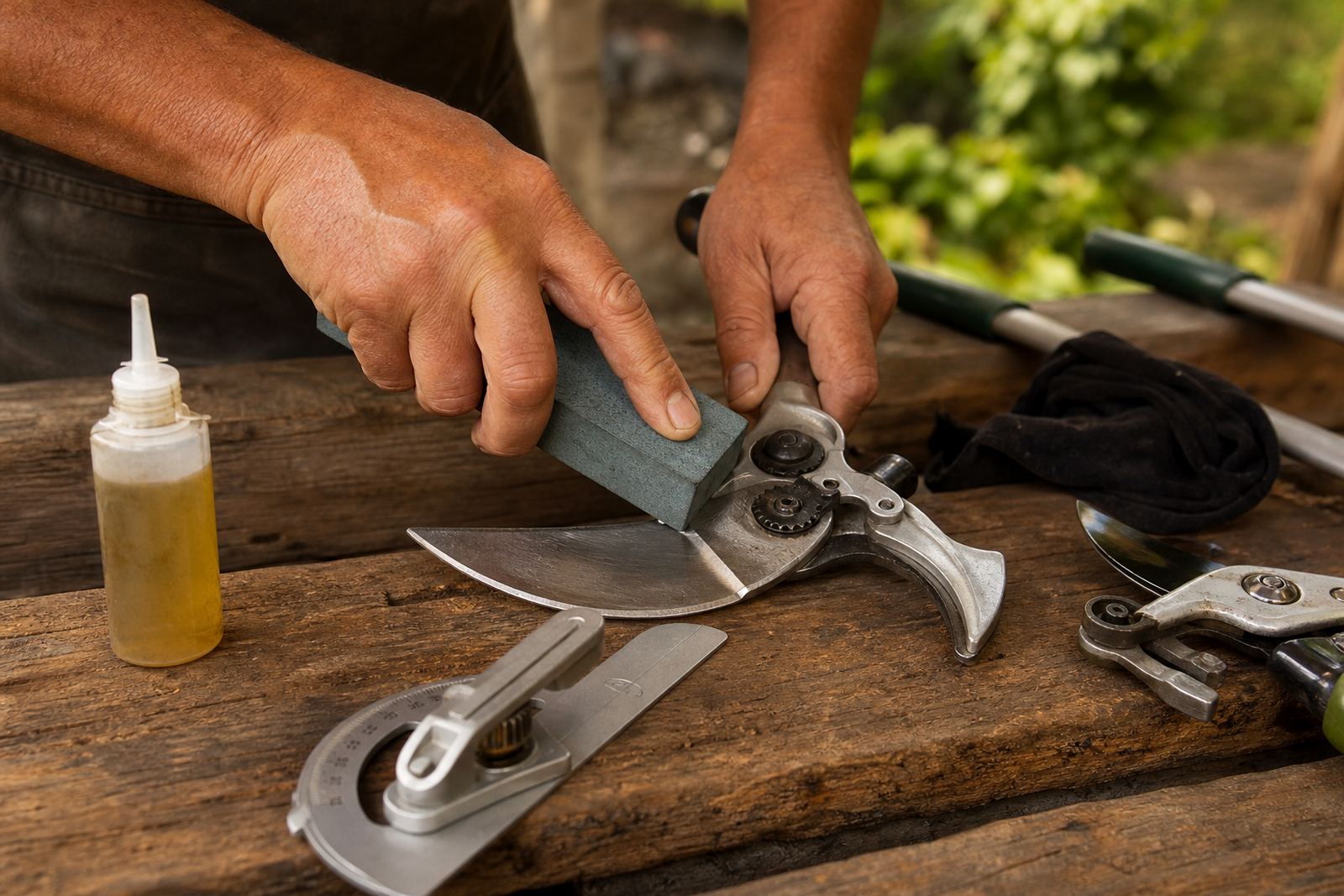
Good material choice only goes so far if the tool is neglected. After use, wipe the blade clean, remove sap, and dry the pivot area. A light oil on metal parts helps prevent surface rust. Do not leave tools lying in wet grass overnight, even for one night. That is often enough to start corrosion on untreated steel.
Once a month, inspect the handle for cracks, loose screws, worn grips and any movement in the head. If the cutting edge is nicked or the tool needs more force than usual, service it before the damage spreads. For teams on fleet care plans, a simple routine works best: clean, check, sharpen, tighten and store. It saves time and keeps the tool ready for the next job.
- Wipe blades after every use.
- Dry the pivot and apply a light oil.
- Check for cracks, rust and loose fittings.
- Store tools off the floor, away from damp concrete.
A simple checklist for choosing the right material mix
If you want a quick final check, use this rule set. For cutting green growth, choose a sharp blade with a comfortable grip. For wet or coastal areas, prioritise rust resistance. For heavy pruning, choose a stronger handle and a tool that can be serviced easily. For shared or commercial use, buy for repairability, not just first impression. That approach costs less over time and keeps the tool working when the season gets busy.
When in doubt, bring the tool back to the basics: clean cut, safe grip, good balance, easy maintenance. Those four points matter more than any shiny finish. A well chosen tool should feel steady in the hand, hold its edge, and stay useful after repeated sharpening and servicing.