Start by matching the tool to the branch size
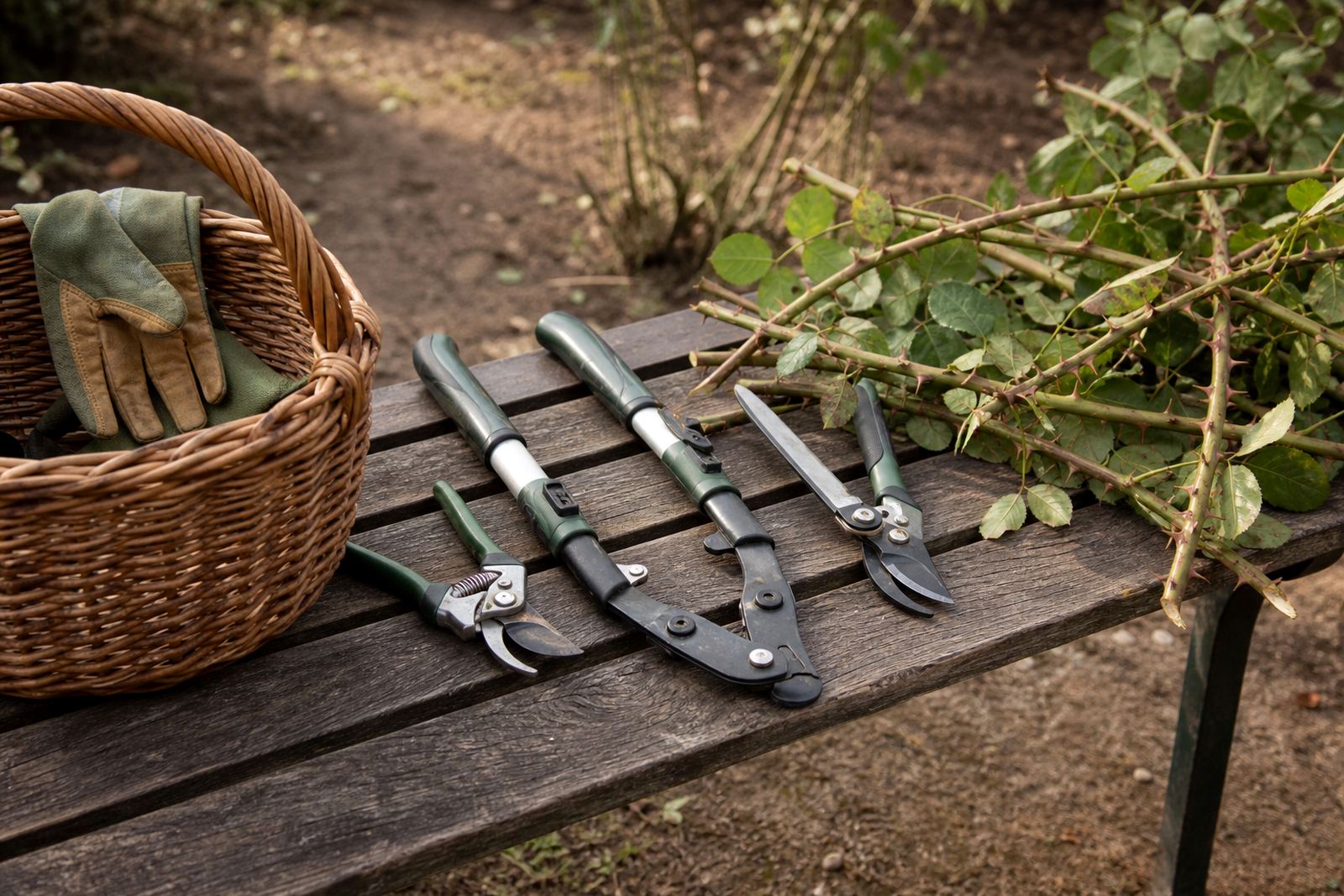
Fruit trees do best when cuts are clean and made with the right amount of force. For thin green growth and small water shoots, use secateurs. For branches that sit beyond a secateur's reach or are too thick for one-hand cutting, move up to loppers. For shaping light outer growth on taller trees, hedge tools can help with even trimming, but they are not a replacement for proper pruning on fruiting wood.
A simple rule works well in Pietermaritzburg gardens and in larger plots around Durban, Johannesburg and Pretoria: if the branch feels like it is fighting the tool, the tool is too small for the job. Forcing a cut crushes tissue and can leave rough edges that heal slowly.
- Secateurs for soft growth, shoots and stems up to about 20 mm
- Loppers for thicker live branches around 20 mm to 40 mm
- Hedge tools for shaping young growth and tidy outer lines
- Choose a tool that feels balanced in the hand, not nose-heavy
Build a pruning kit for fruit tree work
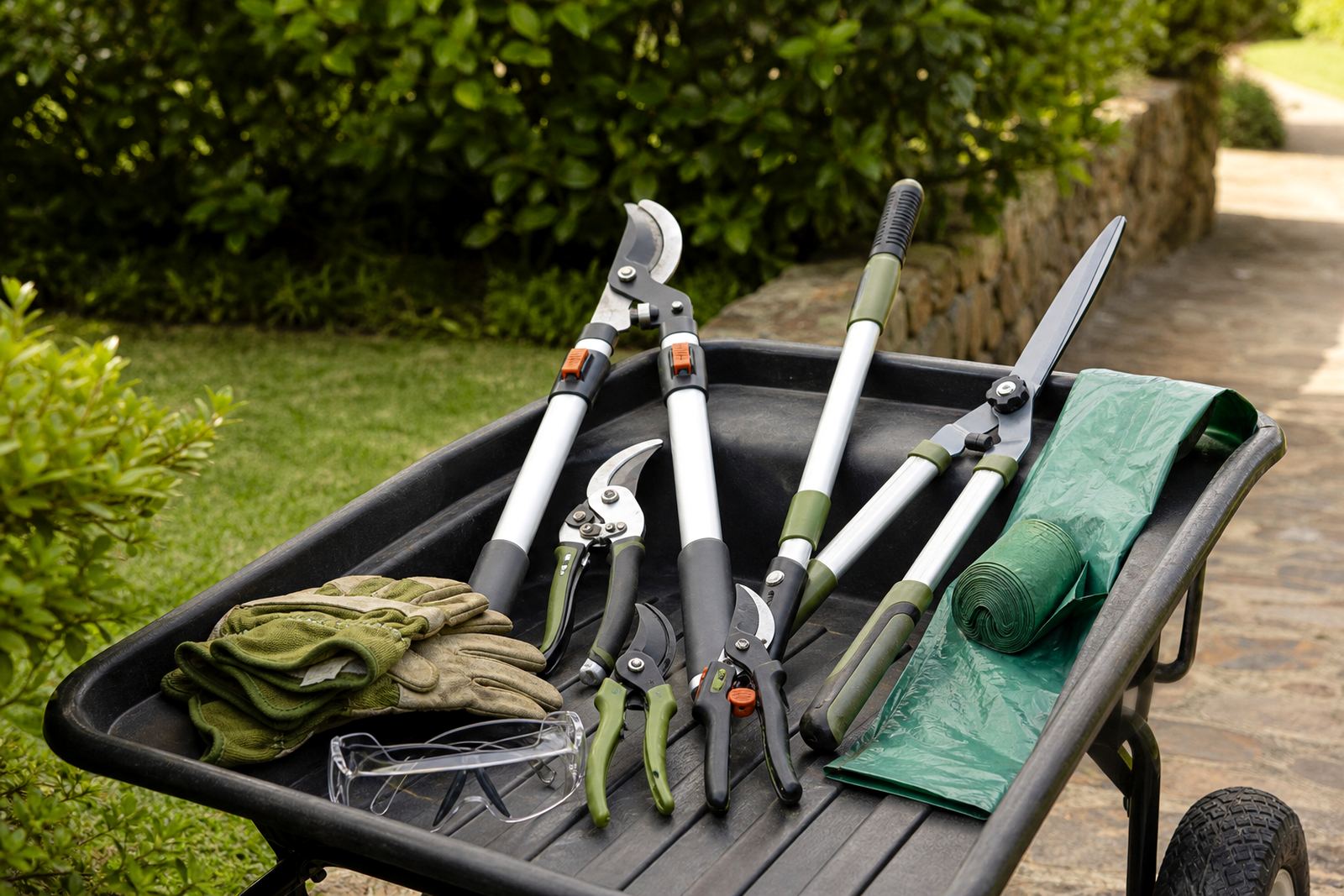
You do not need a large set of tools to do orchard maintenance properly. A small, well chosen kit is usually better than carrying extra equipment around the yard. Home gardeners in Hilton or Howick often need only one good pair of secateurs, one pair of loppers and a hedge tool for tidy-up work. Larger properties may add a second pair for backup and faster work across several trees.
- Bypass secateurs for live stems and clean cuts
- Loppers with long handles for better leverage on thicker branches
- Hedge shears for light shaping on selected growth only
- A small cloth or brush to clear sap and dust between trees
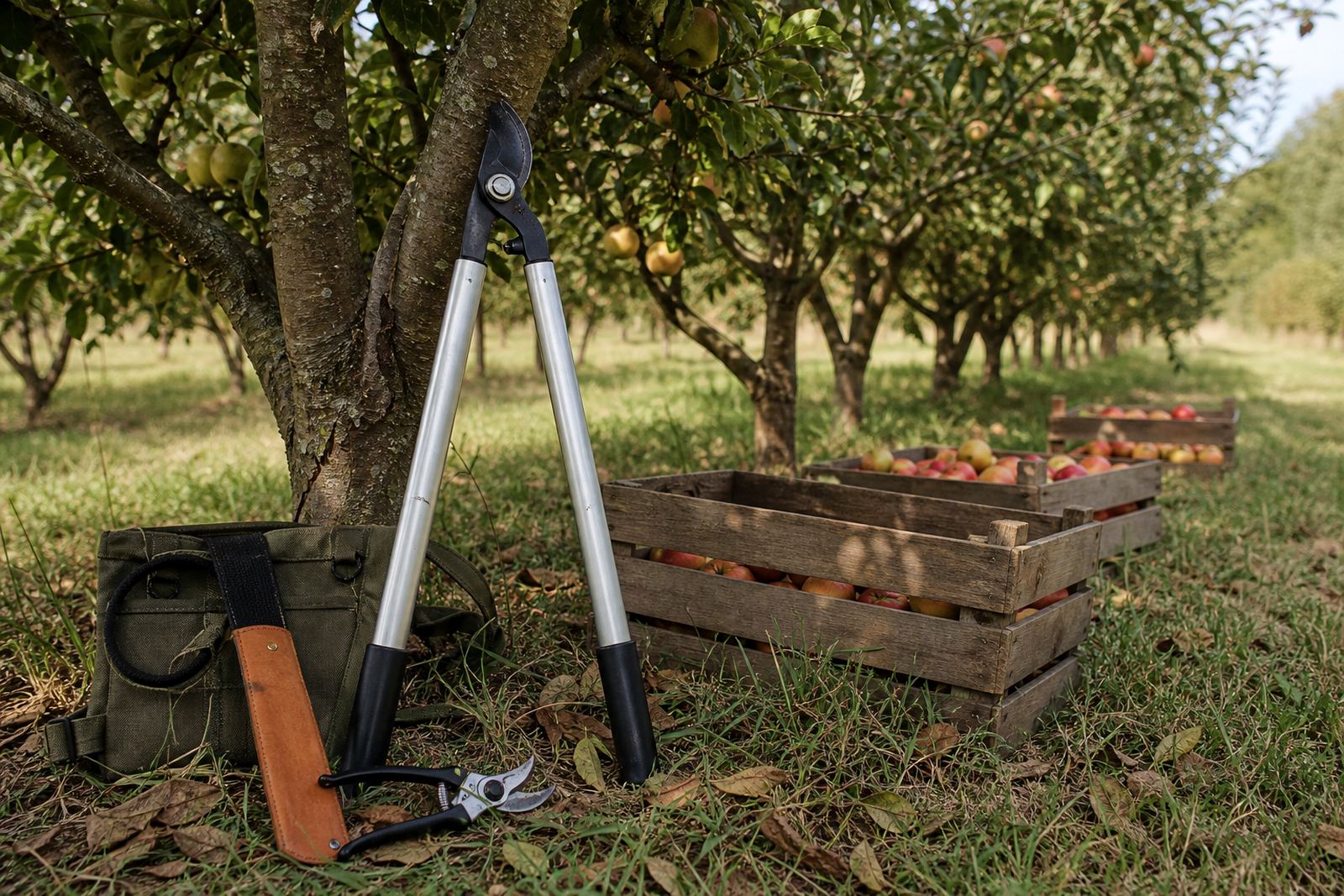
- A pouch or belt clip if you are moving between blocks
Keep the kit simple. If a tool is hard to carry, hard to clean or uncomfortable after 30 minutes, it tends to be left in the shed. That is when pruning gets delayed and trees get overgrown.
Use the right cut for healthier fruit trees
The aim is not only to remove growth but to direct the tree's energy into better fruiting wood. Start by removing dead, damaged and crossing branches. Then open the centre enough for light and air to move through the canopy. On many orchard trees that means removing inward growth and keeping a clear framework for the next season.
Make each cut just above a healthy bud or side branch. Do not leave long stubs, and do not cut too close to the main stem. Clean cuts reduce stress on the tree and make the job easier next time. In coastal areas like Gqeberha and Durban, where humidity can stay high, a neat cut is even more important because rough wounds stay damp longer.
- Remove dead wood first
- Take out crossing and rubbing branches
- Open the middle for light and air
- Keep cuts smooth and avoid tearing bark
- Step back often to check the tree shape
Choose handles and grips that reduce hand strain
Fruit tree pruning can take a full morning, especially on larger holdings outside Cape Town or on estate gardens in and around Pretoria. Comfort matters. Padded grips, sprung action and smooth opening movement reduce fatigue. If you work with gloves, make sure the handles still fit properly in the hand and do not slip when wet.
Short handles suit close work, but longer loppers give better leverage for thicker limbs. Test the balance before you buy. A tool that feels light in the hand is not always easier to use if the cutting head is awkward or the spring is stiff. On warm summer days, sweaty hands can make poor grip worse, so textured handles help.
- Check grip size with and without gloves
- Look for a spring action that opens cleanly
- Choose a handle length that suits your reach
- Avoid tools that twist in the wrist under load
- Test the latch so it closes securely in storage
Keep tools ready through load-shedding and wet weather
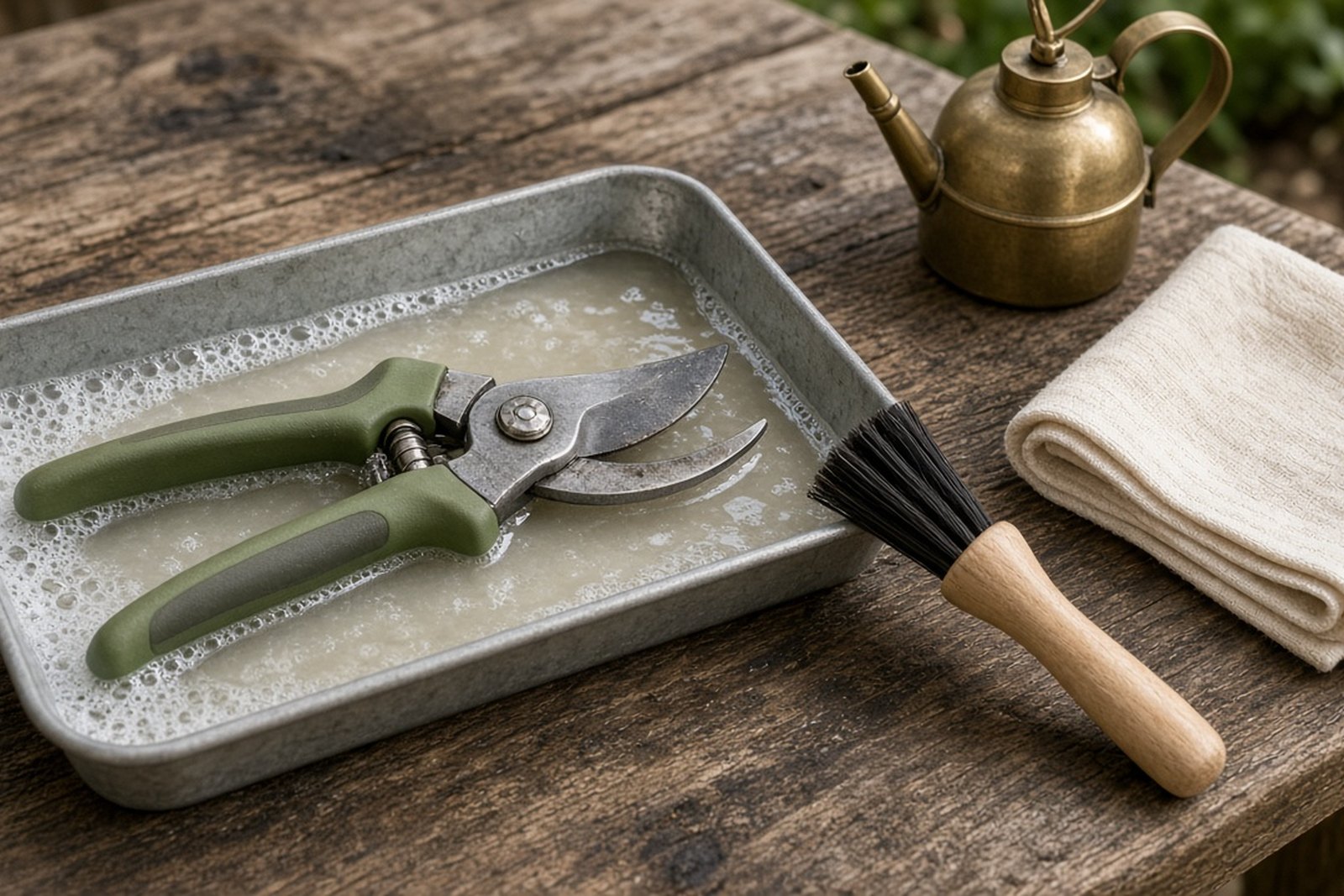
Garden tools last longer when they are cleaned and stored properly after each use. Wipe off sap, moisture and soil before putting them away. A light oil on the pivot and blade helps prevent rust, which matters in coastal towns and during damp winter months. After load-shedding, check where tools were stored because humid closed sheds can trap moisture and encourage corrosion.
If blades feel dull, stop and sharpen them before the next job. Dull edges make the work harder and can bruise stems. Also check springs, pivots and grips regularly. A loose pivot or cracked handle can turn a simple pruning day into a repair job.
- Clean blades after every pruning session
- Dry handles and springs before storage
- Oil moving parts lightly and wipe off excess
- Sharpen before the blade starts crushing stems
- Inspect for rust, loose bolts and worn grips
Plan purchases for home orchards and larger plots
For a small backyard orchard, one good set of tools can cover most tasks if you prune often. For larger stands, vineyards, or mixed garden blocks, it helps to group tools by task and keep spares on hand. That way work can continue if one pair needs servicing. Fleet Care Plans also suit landscapers who manage multiple sites and want regular inspections, parts fitting and servicing in one schedule.
When comparing tools, think about how many trees you manage, how often you prune, and whether the job includes fruit trees, hedge lines or general maintenance. Sibusiso Mthembu and the team in Mkondeni work with home gardeners, landscapers and stockists across South Africa, including Pietermaritzburg, Durban, Johannesburg, Pretoria, Cape Town and Gqeberha, so the same kit can be matched to a few trees or to a fuller pruning programme. A steady routine and the right hand tools save time and keep the orchard in better condition year-round.