Choose the right tool for the job on roses
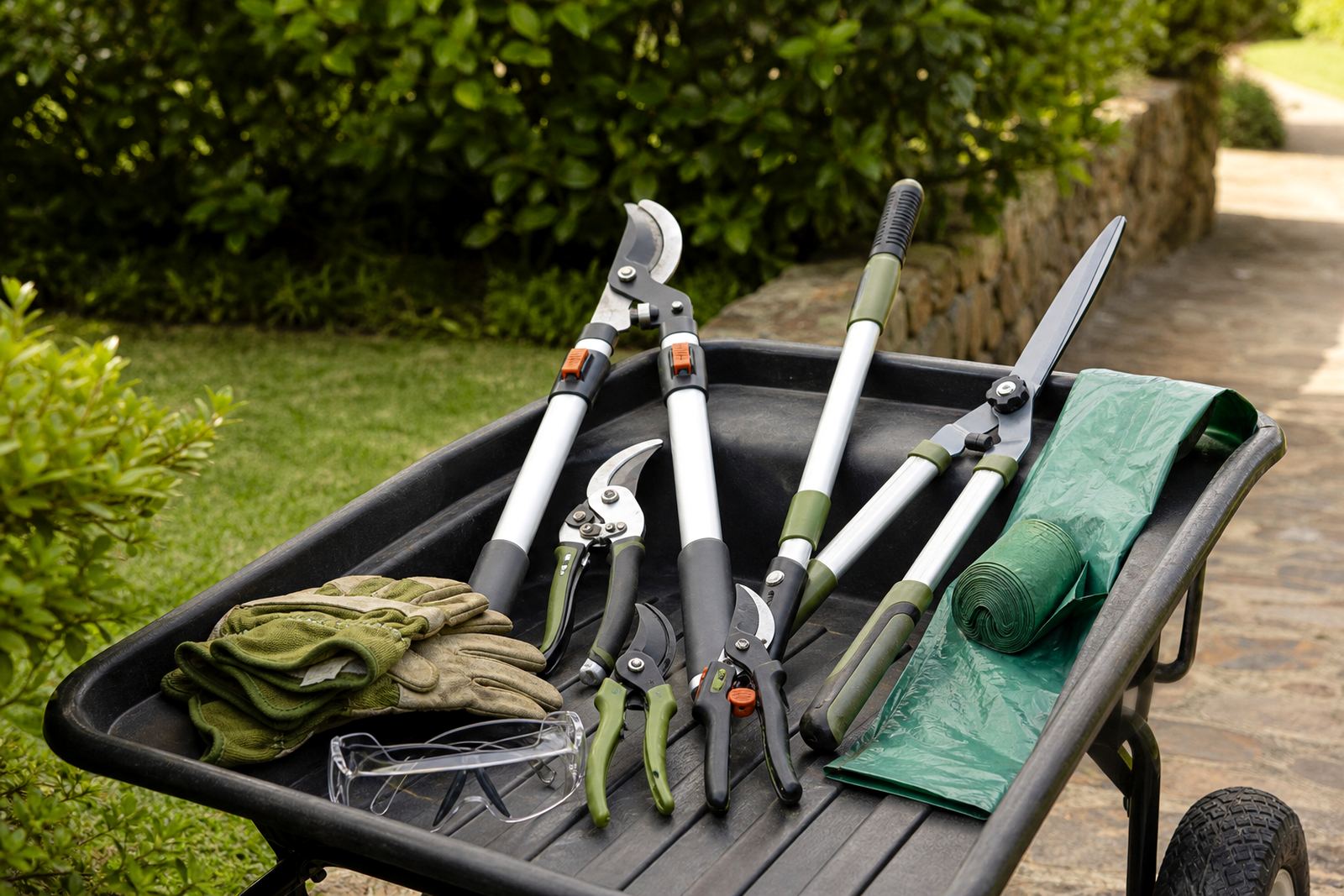
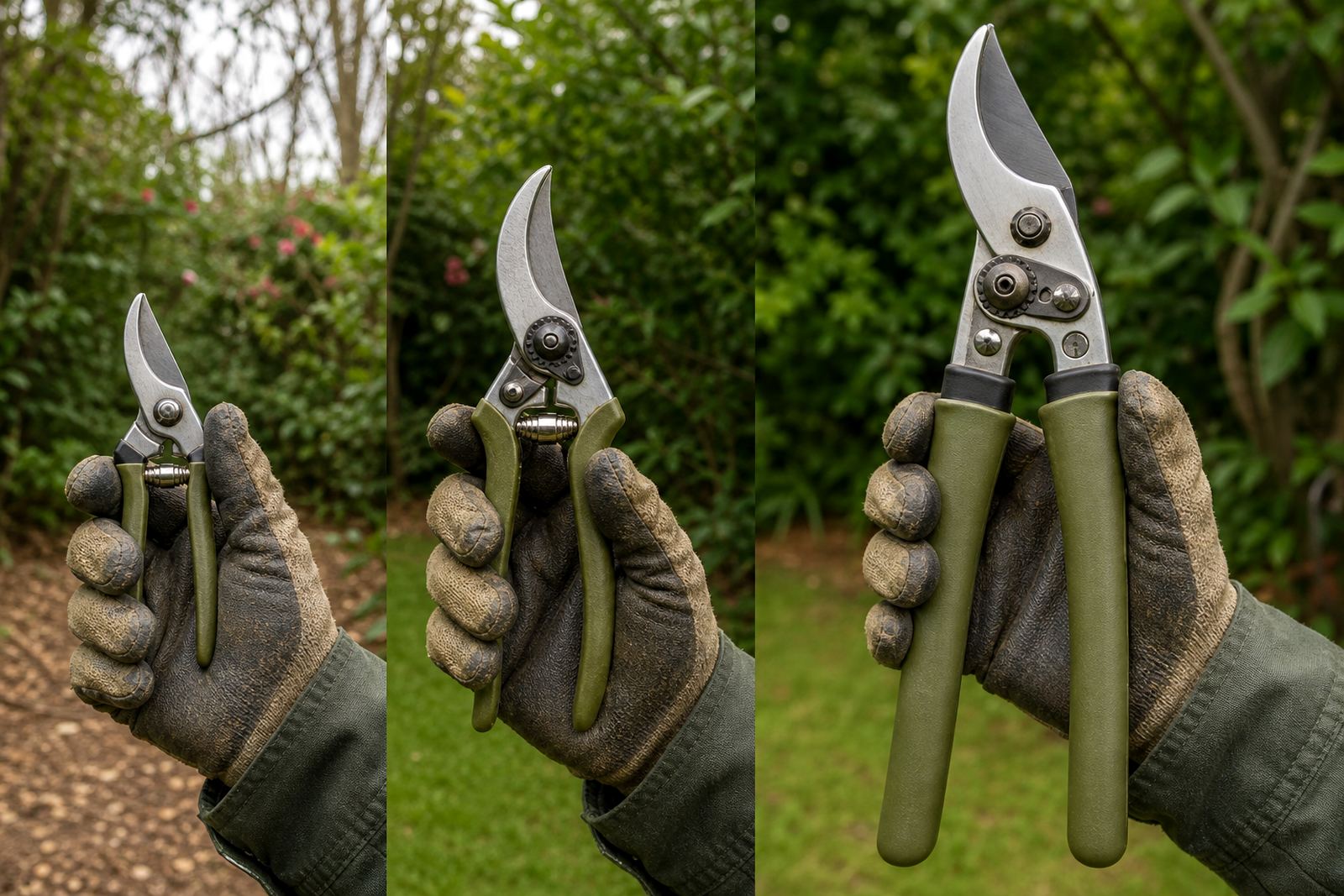
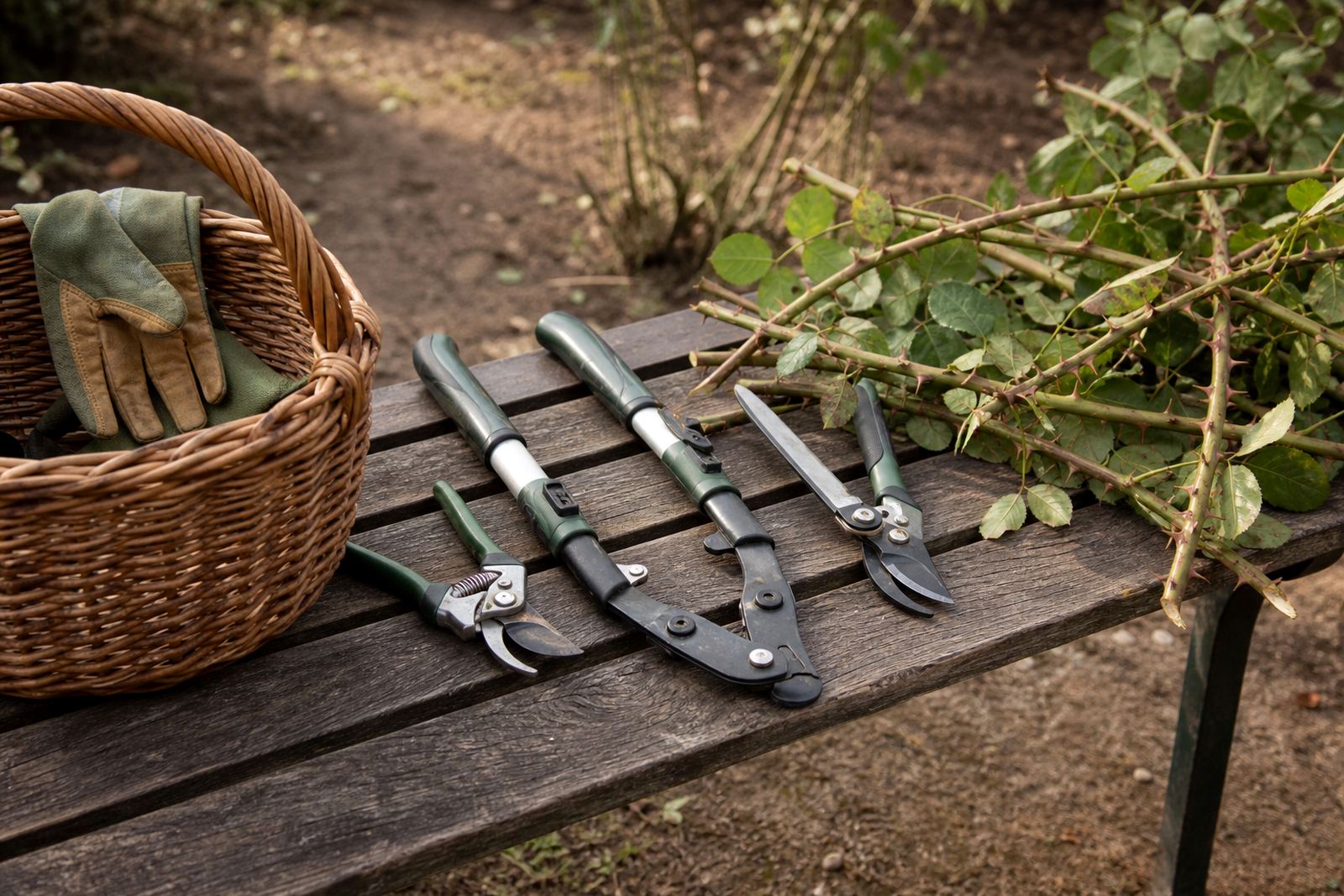
For rose work, one tool does not suit every cut. Deadheading spent blooms calls for light, precise secateurs, while shaping older canes is easier with loppers. Where stems are thick, woody or crowded with thorns, a longer handled tool gives you more reach and less hand strain.
In Pietermaritzburg, Durban and other humid areas, rose canes can harden quickly after rain. That means your cutting tool should stay sharp and open smoothly, otherwise you end up crushing stems instead of cutting them cleanly. A clean cut helps the plant recover faster and reduces the chance of disease getting into the wound.
- Use secateurs for flower heads, soft growth and small side shoots.
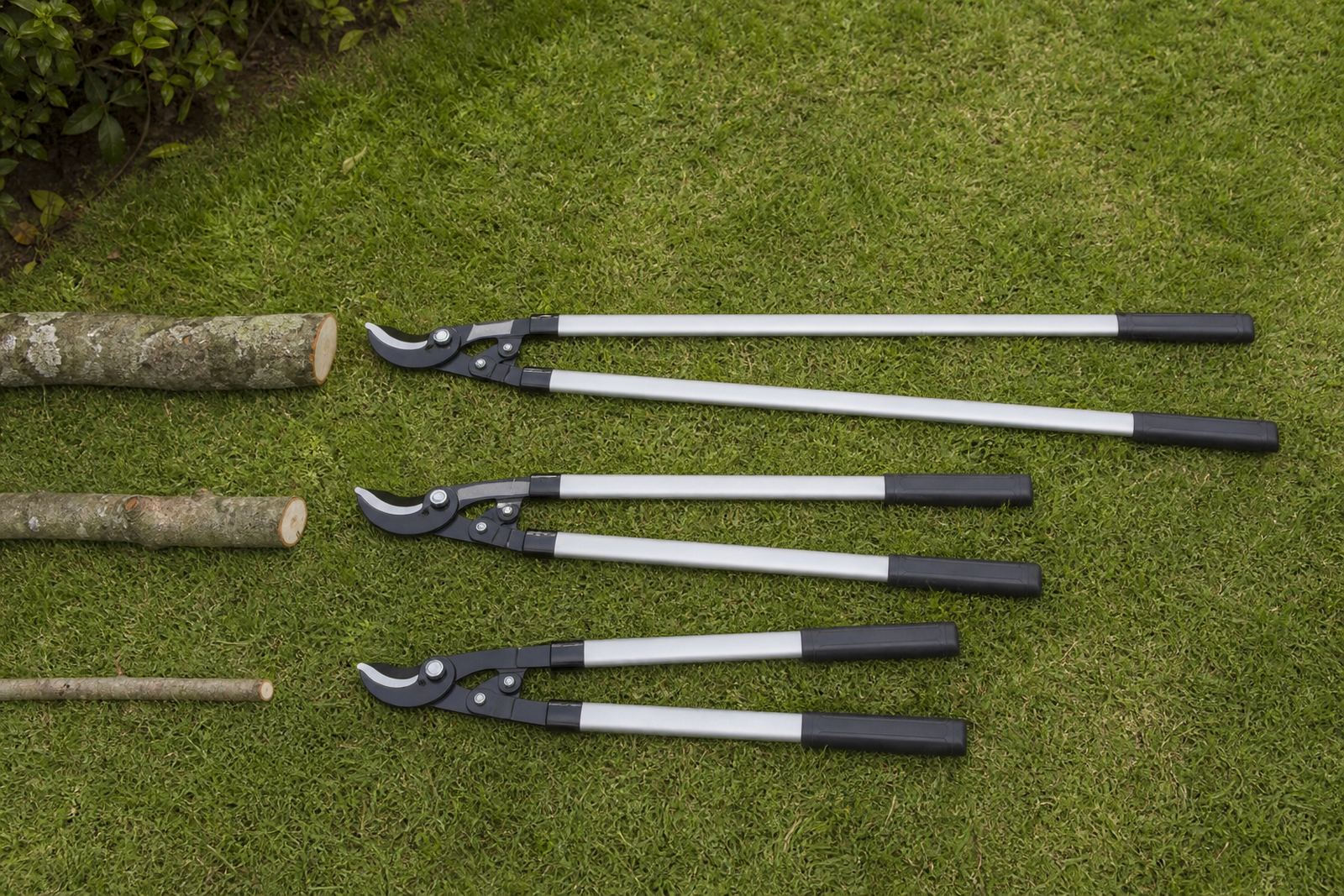
- Use loppers for older stems around 15 mm to 25 mm thick.
- Use hedge tools for light shaping of rose borders only, not for thick canes.
- Choose handles with grip support if you do long pruning sessions.
- Pick tools with a safety catch that is easy to open with gloved hands.
Deadheading roses without damaging new growth
Deadheading is the quickest way to keep roses looking tidy and push the plant towards another flush of flowers. The aim is to remove the spent bloom and cut back to a healthy leaf node or outward facing bud. Do not leave a long stub, because it dries out and can look untidy fast.
Work through the bush from the top down so you do not miss hidden flowers. If a stem is weak, thin or damaged, remove it completely at the base. For many garden roses, that small extra cut improves airflow and helps the shrub keep a better shape through the growing season.
- Cut just above a leaf with five leaflets where possible.
- Angle the cut slightly away from the bud so water runs off.
- Remove any flower heads that are brown, blackened or mouldy.
- Wipe sap off the blades after every few plants.
If you are deadheading in wet weather, dry the tool often. Coastal humidity near Durban and Gqeberha can leave blades sticky, and that slows the work down more than people expect.
Shaping rose bushes for a cleaner flush of blooms
Shaping is not about cutting back hard all the time. It is about opening the centre of the plant, removing crossed stems and keeping a balanced height. A rose with good airflow dries quicker after rain and is less likely to hold disease. This matters in gardens from Cape Town to Johannesburg where weather changes can be sharp.
Start by stepping back and looking at the whole plant before you cut. Remove stems that rub against each other, then take out thin shoots that will not carry strong growth. If the bush has become too tall, cut the tallest canes back to a side shoot rather than taking everything to one level. That keeps the plant more natural and avoids a harsh look. For many homeowners, a light annual shape up is enough, then smaller tidy-ups through spring and summer.
- Open the centre by removing inward growing stems.
- Keep the strongest canes and remove weak, spindly shoots.
- Shorten long side branches to an outward bud.
- Clear fallen leaves and clippings after pruning.
Working on thorny stems safely and neatly
Thorny stems can catch sleeves, scratch hands and slow your pace. Long handled loppers help keep your fingers away from the cane while giving better leverage on thick stems. For close work, wear firm gloves and hold the cane lower down, not near the cutting point.
If the bush is dense, trim from the outside in so you can see each cut. That reduces the chance of forcing the blade into hidden thorns or missing a weak branch. A clean, well set pivot is worth checking before you start, because a stiff tool can twist in the hand and make the cut uneven. When the plant is on a boundary wall or along a walkway, cut back into the property line properly so branches do not hang over where they should not.
- Wear gloves with a close fit, not loose palms that catch on thorns.
- Keep one hand well clear of the blade path.
- Use two hands on loppers for thick, dry stems.
- Cut from the outside of the plant when visibility is poor.
What to check before you buy pruning tools
A good rose tool should feel solid in the hand and open and close smoothly. Look at blade alignment first. If the blades do not meet evenly, the tool will pinch the stem and leave a rough edge. Handles should be comfortable enough for repeated use, especially if you manage several gardens in one day.
For South African conditions, rust resistance matters. In places with humidity, irrigation spray and coastal air, untreated metal can deteriorate quickly. Ask whether the tool can be serviced, sharpened and fitted with replacement springs or grips. That keeps the tool in use longer and avoids throwing it away after a single hard season.
- Check blade sharpness and alignment before purchase.
- Test the opening action for smooth movement.
- Look for replaceable springs, grips and pivots.
- Choose a size that matches your hand and the rose bed layout.
- Make sure the tool can be cleaned easily after each job.
Care routine after pruning season
Cleaning tools after rose work protects the next cut and keeps the blades working well. Sap, soil and bits of bark left on the metal can cause drag and rust. A quick wipe after use, followed by drying and light oiling, makes a big difference. If a blade has gone dull or nicked, sharpen it before the next round instead of forcing it through stems.
Gardeners and landscapers around South Africa often keep rose tools in regular rotation, especially during peak growing months. If you run several properties, a simple care routine helps tools last longer and keeps cuts neater. For serious pruning teams, planned inspections and servicing save time later and reduce breakages in the middle of busy weeks, which is always a pain.
- Remove sap and debris straight after use.
- Dry blades fully before storing.
- Check springs, grips and pivots every few weeks.
- Sharpen or service tools before heavy pruning starts.
- Store tools in a dry place, away from wet grass and irrigation leaks.
Quick rose tool checklist for home gardeners and crews
Before you start, make sure the right tool is in hand and the job is clear. For a small backyard in Hilton or Howick, you may only need secateurs and a light clean-up. For larger properties, estates or commercial sites, add loppers and servicing support so the work stays consistent across the season.
- Deadheading: sharp secateurs
- Light shaping: secateurs and small loppers
- Thick canes: longer handled loppers
- Dense thickets: gloves, clean blades, safe footing
- Aftercare: cleaning, sharpening and inspection
If your tools are blunt, stiff or loose at the pivot, get them checked before the next round. A proper cut takes less effort and leaves the rose in better condition. For gardeners who want longer tool life, our servicing options include blade sharpening, spring replacement, grip replacement, pivot adjustment, rust removal, deep cleaning and parts fitting.