Start with the site and the cut you need
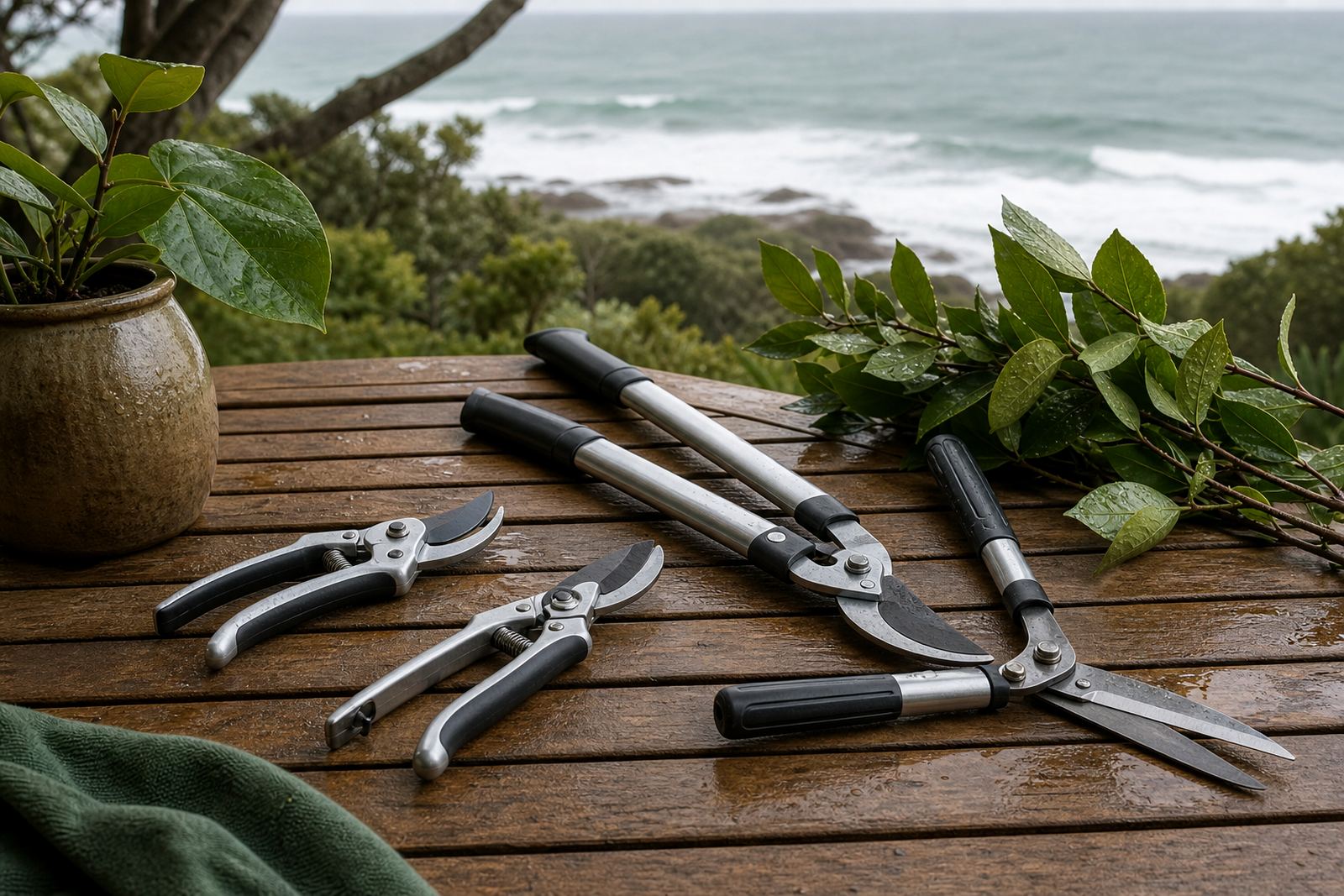
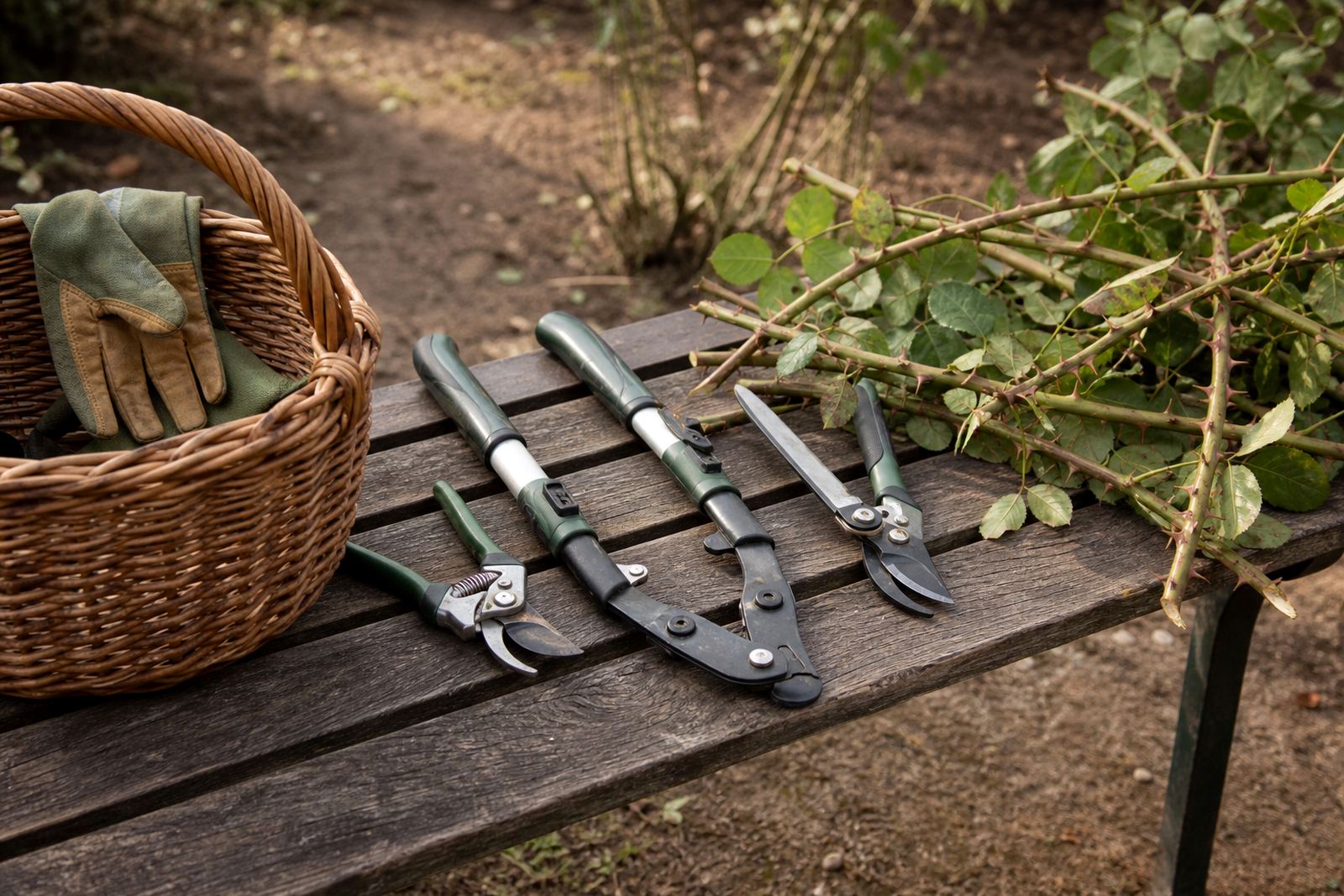
Before loading the bakkie, match the tool to the job. Fine pruning on ornamentals calls for light secateurs with a clean bypass action, while thicker branches on shrubs and small trees need loppers with enough leverage to avoid crushing the stem. For regular hedge trimming, choose hedge tools that give a straight, even cut and stay comfortable through repeated passes.
In KwaZulu-Natal humidity, and especially near the coast, tools that are easier to wipe down and inspect will save time later. For inland work around Johannesburg or Pretoria, dust and dry grass can build up in the pivot points, so a contractor should think about maintenance before the first cut not after the tool starts binding.
- Use secateurs for soft growth and stems up to about 20 mm
- Use loppers for thicker branches where two-handed pressure is needed
- Use hedge tools for shaping, topping and long linear cuts
- Check that the handle length suits the team member using it
What to look for before you buy for repeat use
For contractor work, comfort matters as much as cutting power. A tool that fits the hand well will reduce fatigue across a full day of site visits, especially where the crew is moving between homes, complexes and commercial gardens. Look for a smooth pivot, a secure grip and blades that hold an edge through repeated use.
Practical buyers should test how the tool opens and closes, whether the spring returns properly, and if the blade alignment stays true when pressure is applied. If a handle twists or the cut feels rough on the first pass, it will only become more tiring once the day gets busy.
- Choose grips that stay secure when hands are wet or sweaty
- Check the pivot for play or wobble before use
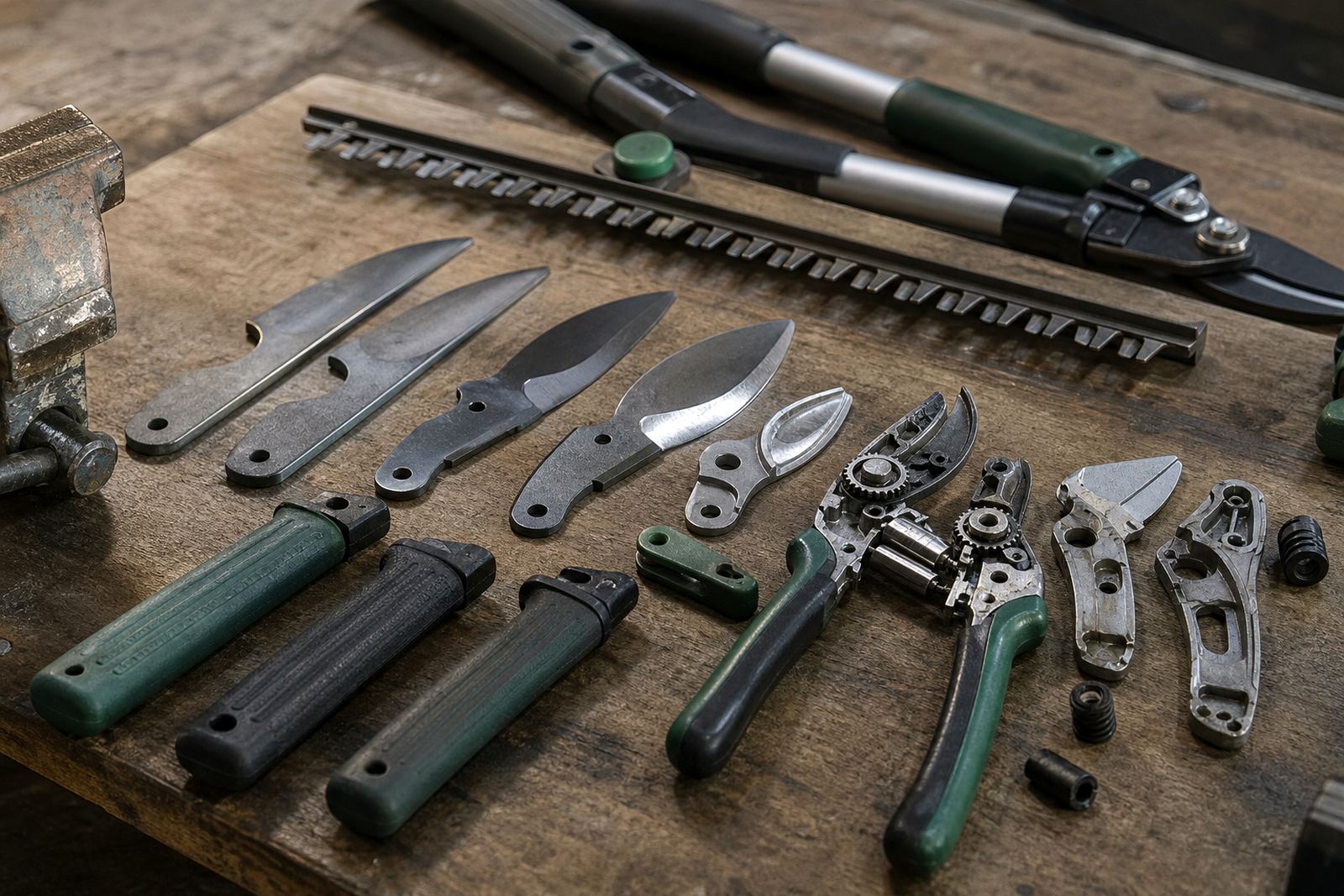
- Look for parts that can be serviced rather than thrown away
- Make sure replacement springs, grips and blades are available
A simple tool check before every job
A five-minute inspection at the depot can prevent a lot of problems on site. Wipe the blades, open and close the tool a few times, and make sure the cut is clean. If the blade is nicked, sticky or out of line, set it aside for servicing. A dull edge causes ragged cuts and puts extra strain on the wrist and shoulder.
It also helps to keep a small checklist in the vehicle so nothing gets missed when a crew is leaving early. That matters on municipal jobs or larger estates where the day is timed tightly and there is no space for avoidable delay.
- Check blade sharpness and alignment
- Test the spring and pivot movement
- Look for rust, sap build-up or dirt in the joint
- Confirm grips are secure and not split
How servicing keeps contractor tools in rotation
Tools used every day need more than a quick wipe. Blade sharpening restores cutting quality, while pivot adjustment and deep cleaning keep the action smooth. If grips have worn smooth or springs have lost tension, replace them before the tool starts slowing the team down. That is often cheaper than buying new sets every season.
For contractors managing multiple properties, scheduled servicing can be the difference between tools that last and tools that fail mid-job. In Pietermaritzburg and surrounding areas, it also helps to have a routine before the rainy season when moisture and mud get into the moving parts. On coastal routes, rust removal should happen sooner rather than later.
Packing a vehicle kit for multiple garden sites
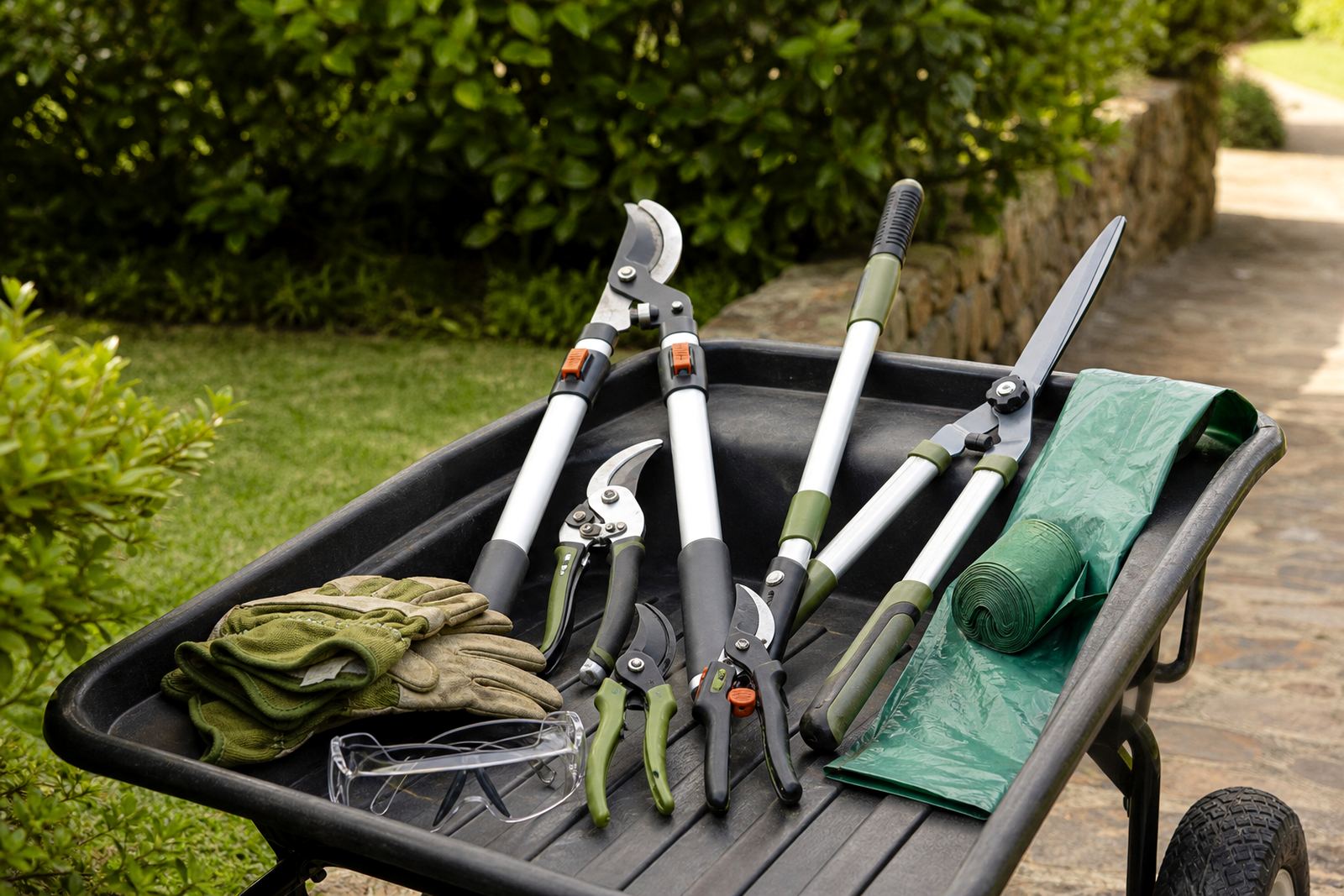
When crews move between sites in Durban, Gqeberha or Cape Town, they need a kit that covers common problems without overloading the vehicle. Keep the main cutting tools separate from spares and cleaning items, then make sure everything goes back in the same place after each job. That way the next team member can find what they need quickly.
A good contractor kit should include enough to keep working through the day, even if one tool develops a fault. It also helps during load-shedding when workshop servicing may be delayed and tools need to stay usable until the next maintenance slot.
- Main pruning shears and a spare pair
- Loppers for thicker stems
- Hedge tools for shaping and tidy edges
- Cleaning cloth, light lubricant and a small brush
- Spare springs, grips and a tool roll or case
Choose a servicing plan that matches your workload
If your team cuts daily, a once-off repair will not be enough. Fleet Care Plans make more sense for contractors who need regular inspections, blade sharpening and part replacement across several tools. That gives you better control over downtime and helps keep the whole set in working order through the year.
For smaller teams, even a basic service schedule can prevent costly wear. Book inspections before peak growing season, then again after the heaviest trimming months. The aim is simple: keep the tools sharp, safe and ready so the crew can move from one garden to the next without wasting time.
Cut Tools Garden supplies garden pruning shears, loppers and hedge tools from Mkondeni, Pietermaritzburg to home gardeners and landscapers across South Africa, with support for servicing and parts through our contact page enquiry form.