Start with the handle shape that fits your hand
Grip comfort begins with the handle shape, not just the blade. A handle that sits naturally in your palm helps you cut with less squeeze, which is important if you are trimming roses in Pietermaritzburg, shaping hedges in Durban humidity, or clearing growth after a wet spell in Howick.
Look for handles that are wide enough to spread pressure across the hand, but not so bulky that you must overreach your fingers. A slightly curved shape usually feels better than a flat one, especially if you are making repeated cuts on a hedge or doing fine pruning around smaller shrubs.
- Test whether your fingers close without strain
- Check if the handle leaves a hot spot on the palm
- Make sure the tool feels steady when fully open and closed
Choose grip material that stays secure in real conditions
South African garden work is not always dry. Morning dew in Hilton, summer sweat in Pretoria, or damp soil near the coast can make a tool slippery fast. A comfort grip should keep hold without forcing you to clench harder than necessary.
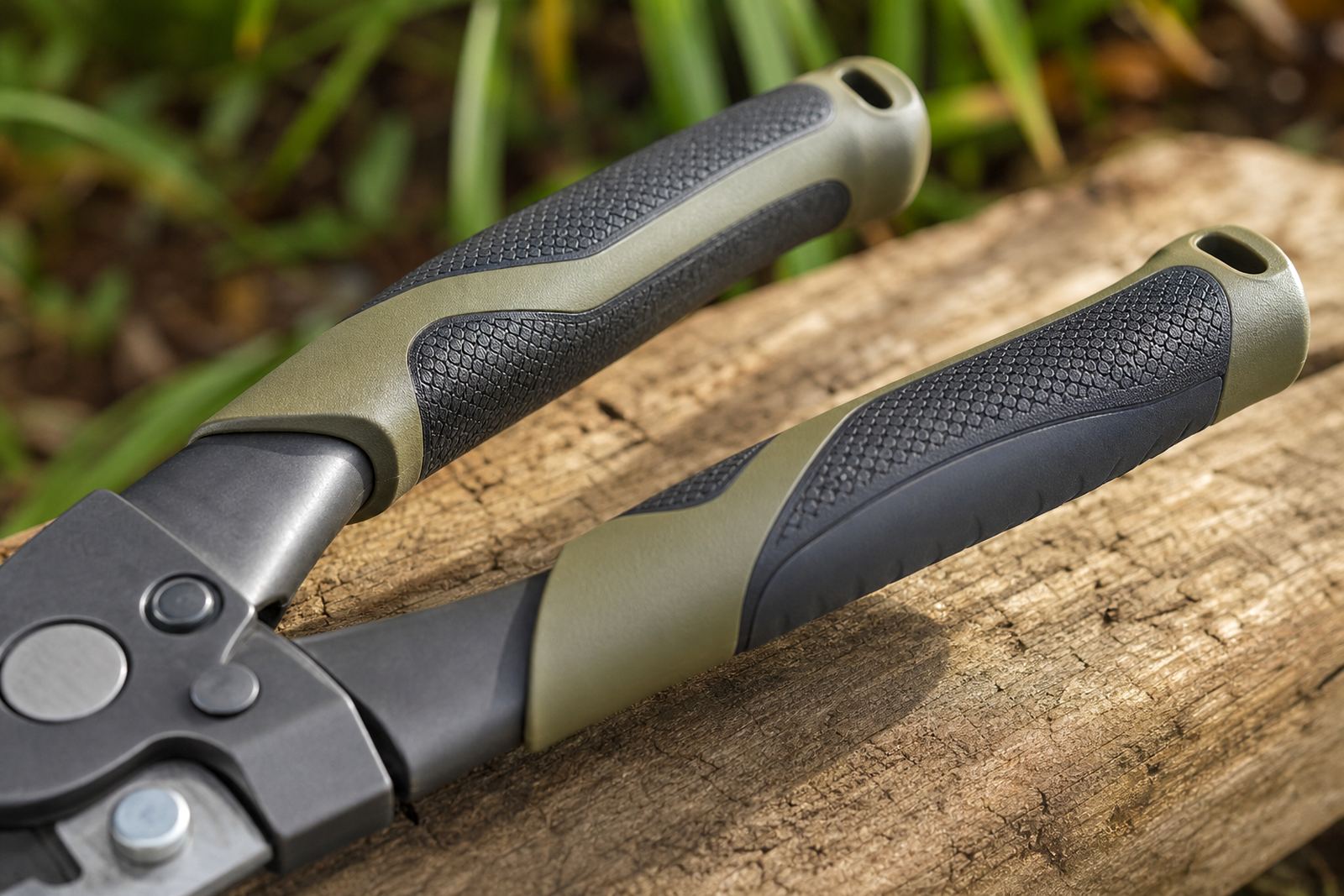
Rubberised or textured grip surfaces usually give better control than hard smooth plastic. If you work with gloves, check that the grip still feels secure when your hands are bulkier. That matters on long hedge jobs and when you are working through thorny material that needs careful control.
- Prefer grip surfaces with light texture for wet conditions
- Avoid handles that become glossy and slippery after use
- If possible, test the grip with and without gloves
Use spring action and opening width to reduce hand fatigue
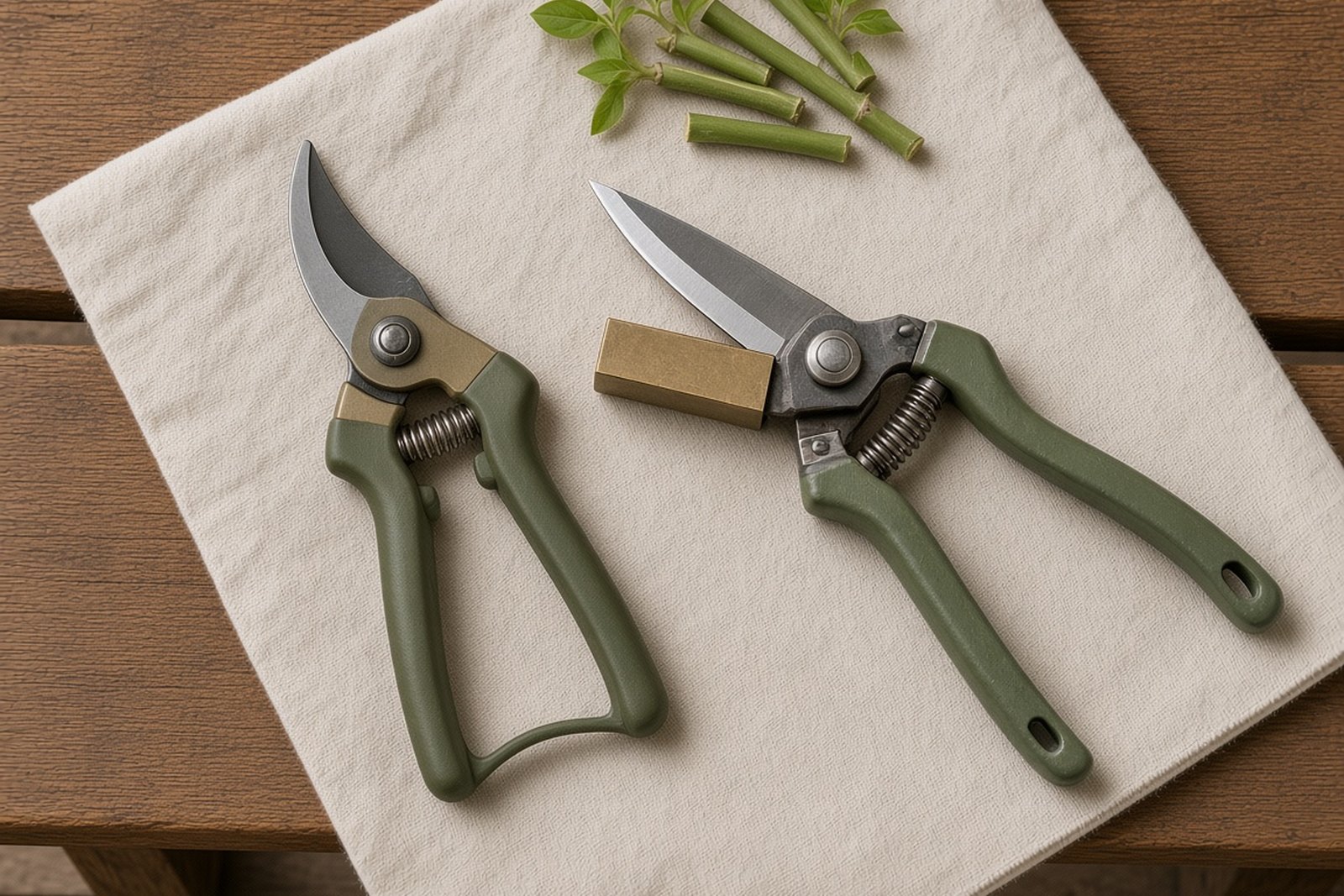
For secateurs and smaller pruning shears, a smooth spring can reduce effort between cuts. If the spring is too stiff or uneven, your hand works harder than it should. Over a long day that extra effort adds up, especially for landscapers and home gardeners doing regular maintenance across a full property.
The opening width also matters. If the handles open too far for your hand, the stretch can put pressure on the thumb and wrist. Tools should open enough for a clean cut without forcing the hand into an awkward position. If you feel strain near the base of the thumb, the fit is probably off.
- Check that the spring returns the tool smoothly
- Open and close the handles several times before starting work
- Choose a size that suits the span of your hand
Match the tool to the job size
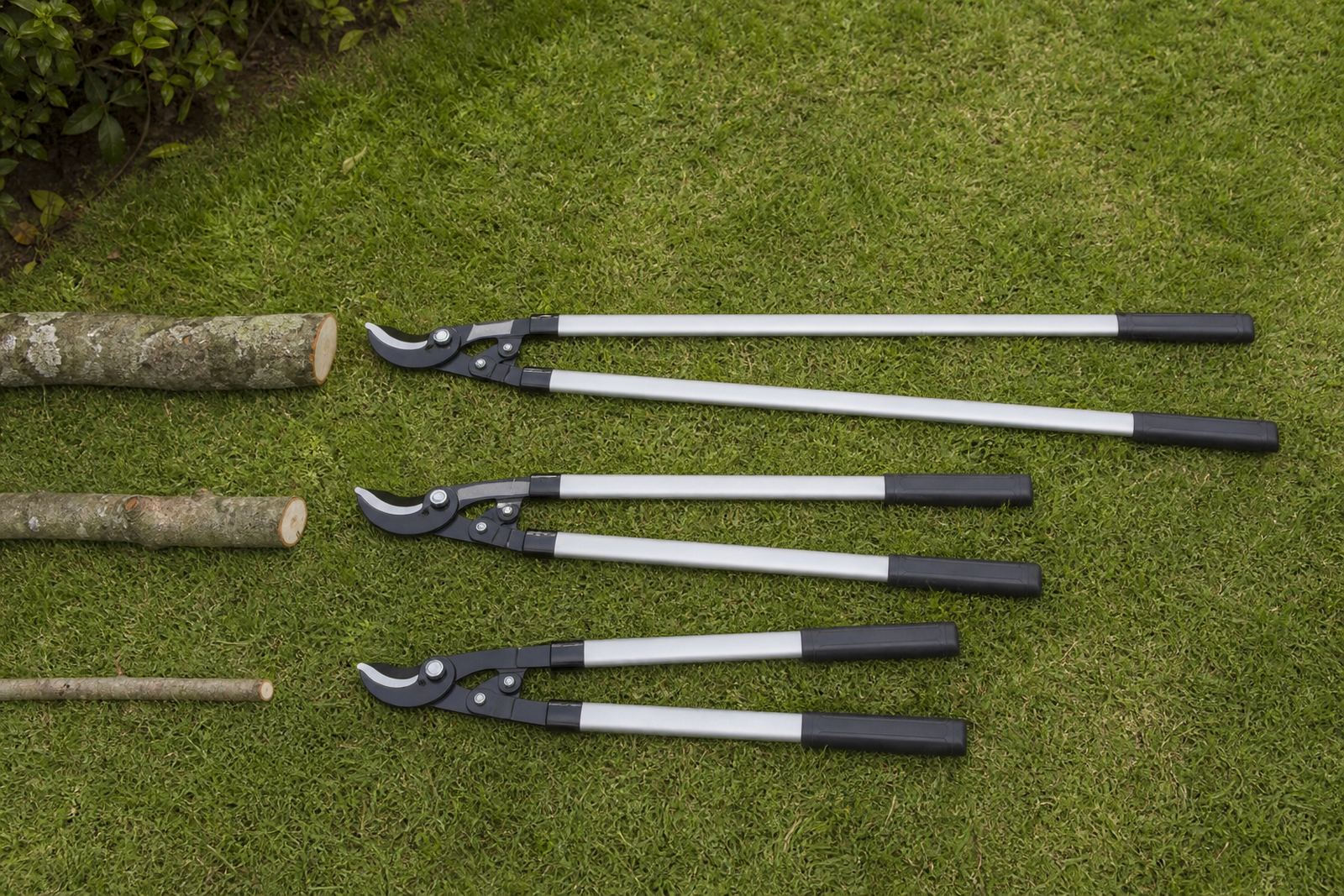
Comfort depends on using the right tool for the cut. A small pruning shear is ideal for precise trimming, but it is not meant for thicker branches. For heavier stems, a lopper with longer handles gives you leverage and reduces the force needed from your hand and forearm.
Hedge tools should also suit the height and thickness of the growth. If you are reaching too high or forcing a tool through stems that are too thick, your grip will tire faster. In places like Gqeberha where wind and salt air can toughen plant growth, the right size tool saves time and strain.
- Use pruning shears for fine stems and detailed cuts
- Use loppers for thicker branches that need more leverage
- Use hedge tools for repeated cutting on longer sections
Keep blades sharp so your hands do less work
A sharp blade cuts cleanly with less pressure. A blunt blade makes you squeeze harder, twist more and repeat cuts, which is hard on the hand and wrist. That is why blade condition has a direct effect on comfort, not just cutting quality.
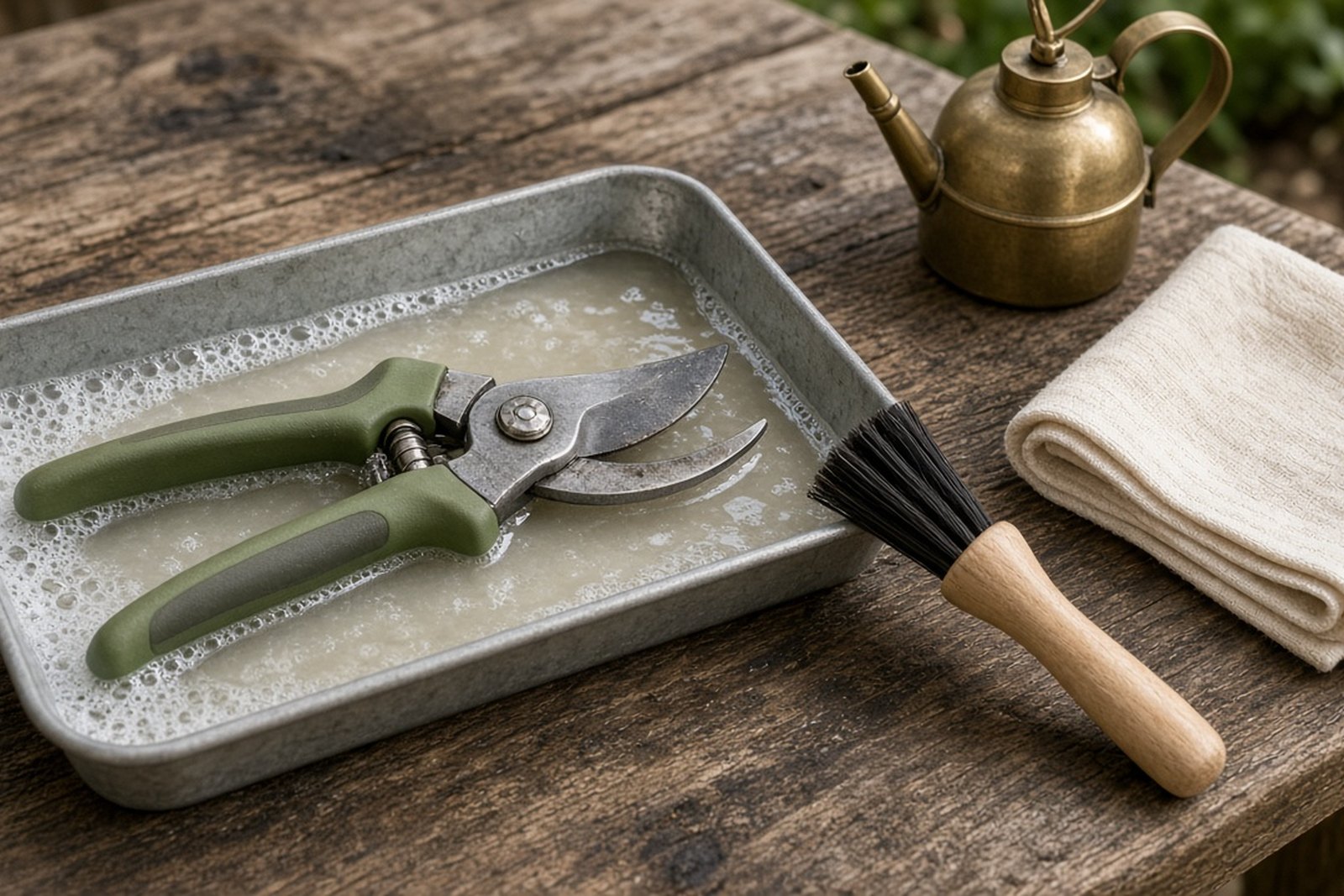
If a tool starts crushing stems instead of slicing them, it may need sharpening, cleaning or pivot adjustment. Rust, sap build-up and loose fittings all make a grip feel worse because you compensate with more effort. After load-shedding interruptions or storage in a damp garage, check the tool before the next session.
- Wipe blades after use to remove sap and dirt
- Look for rust spots around the blade and pivot
- Have the cutting edge serviced before it becomes hard to use
Set up a simple comfort check before every pruning session
A quick check before you start can prevent sore hands later. Hold the tool, make a few dry cuts and notice whether your fingers feel stretched, whether the tool twists in your palm, and whether the pivot action feels smooth. Small issues are easier to fix early than after a full morning of pruning.
Use this checklist before longer jobs at home or on a client site:
- Are the grips clean and not oily?
- Does the spring return the handles smoothly?
- Are the blades sharp and aligned?
- Do the handles fit your hand without pinching?
- Is there any rust, looseness or stiffness at the pivot?
If the tool fails more than one point on that list, it may need servicing, spring replacement, grip replacement or a full inspection. That is a practical step for anyone maintaining gardens in Durban, Johannesburg, Pretoria or Cape Town where work volume can build up quickly.