What bypass blades do differently
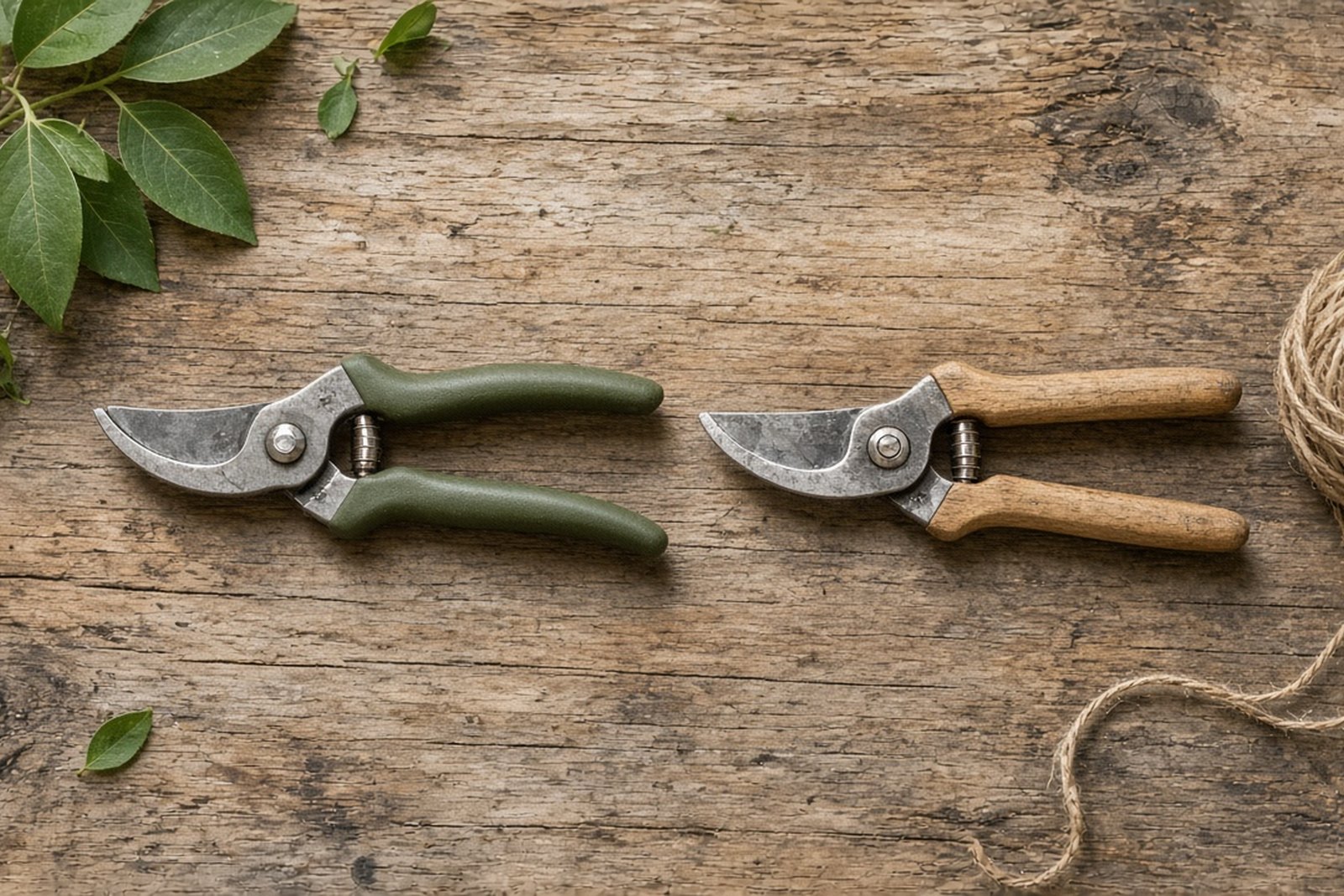
Bypass tools work like scissors, with two blades passing each other to make a neat cut. That clean action matters when you are pruning live stems because it bruises the plant less than a crushing cut, which helps reduce dieback and keeps the plant looking tidier after trimming.
For home gardens in Pietermaritzburg, Durban and coastal suburbs where humidity can bring on fast growth, bypass secateurs and loppers are useful for roses, hibiscus, shrubs, young branches and soft hedge growth. They are also easier to control when you need to work close to a bud or shape a plant carefully around a fence line or paving edge.
As a rule, choose bypass tools when the stem is still green or flexible. If the branch is dry and brittle, a different tool type may be better depending on the thickness and condition of the wood.
Where bypass tools perform best in the garden
Bypass tools are made for living plant material, and they earn their keep in common pruning jobs across South Africa. From a small yard in Hilton to a larger property in Umhlanga or a body corporate garden in Pretoria, they are the go-to option for day-to-day shaping and maintenance.
Typical jobs that suit bypass tools include:
- Deadheading flowering shrubs without tearing fresh growth
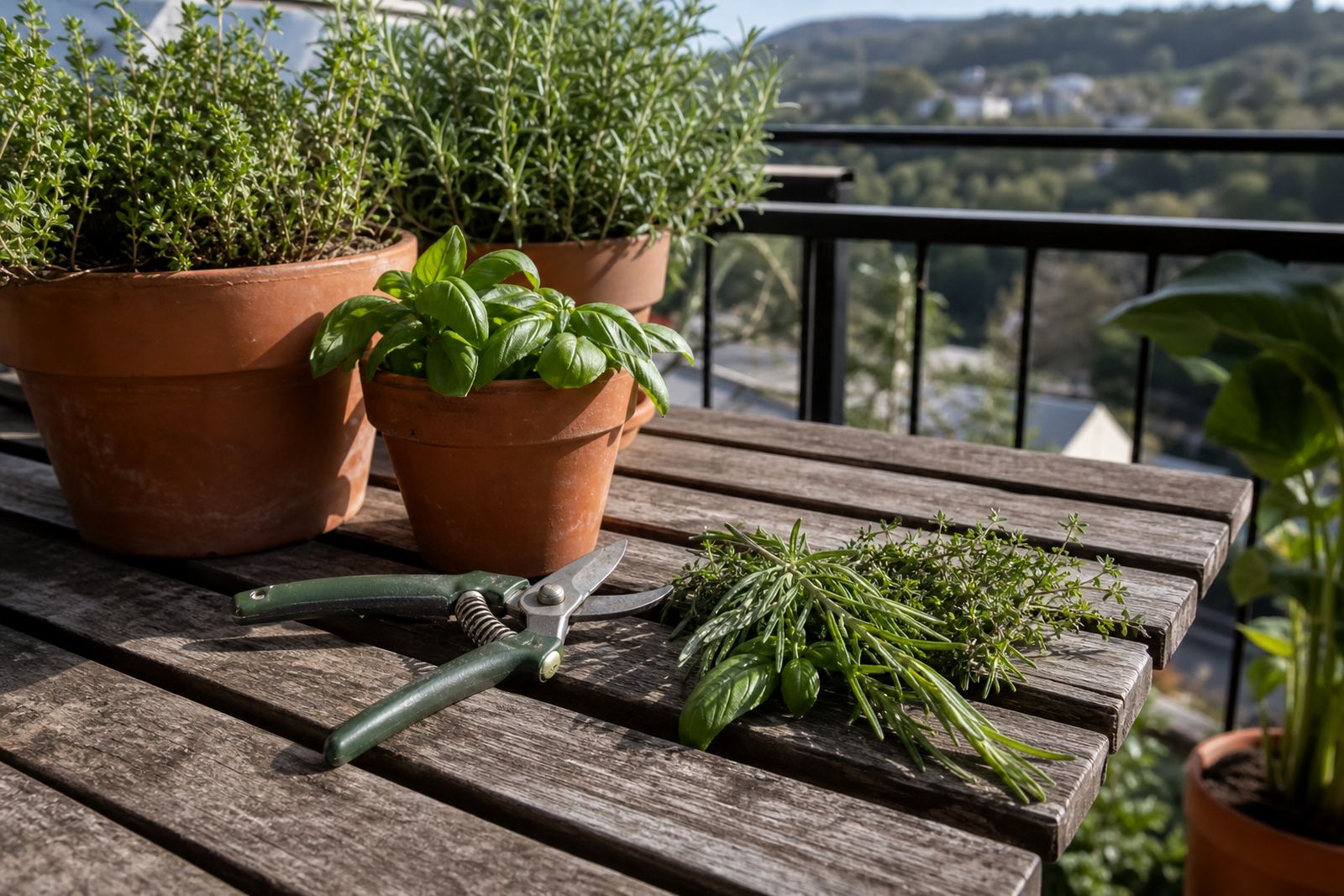
- Cutting soft stems on herbs and ornamentals
- Trimming hedge shoots before they harden
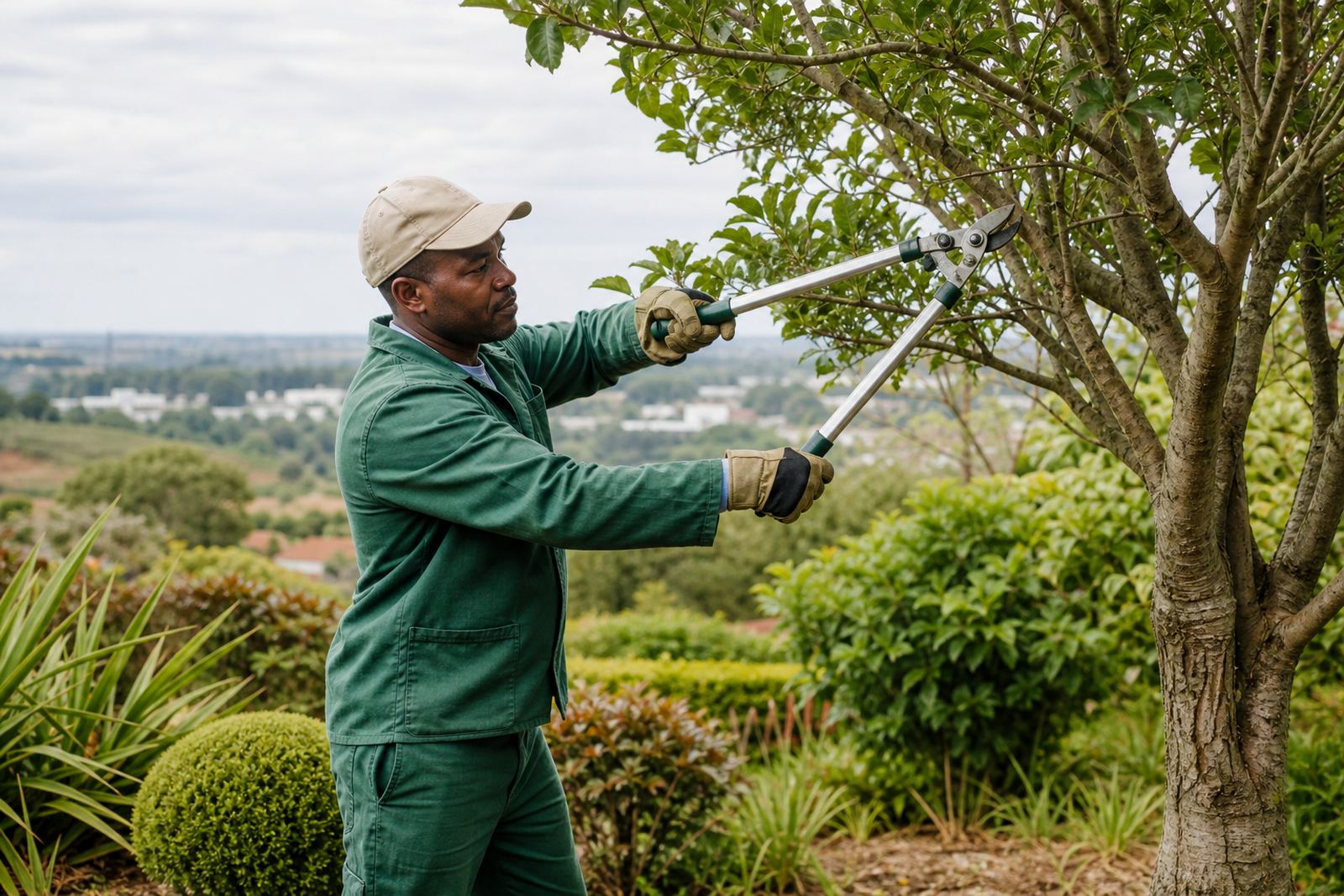
- Removing crossing branches on young trees
- Keeping rose bushes open for light and air flow
- Snipping suckers and water shoots cleanly at the base
For landscapers, the value is not only in the finish. Clean cuts save time later because there is less ragged material to tidy, and the plant usually responds better after pruning. That matters when you are working through a full maintenance round in one morning and weather can change fast after lunch.
How to match the tool to the stem size
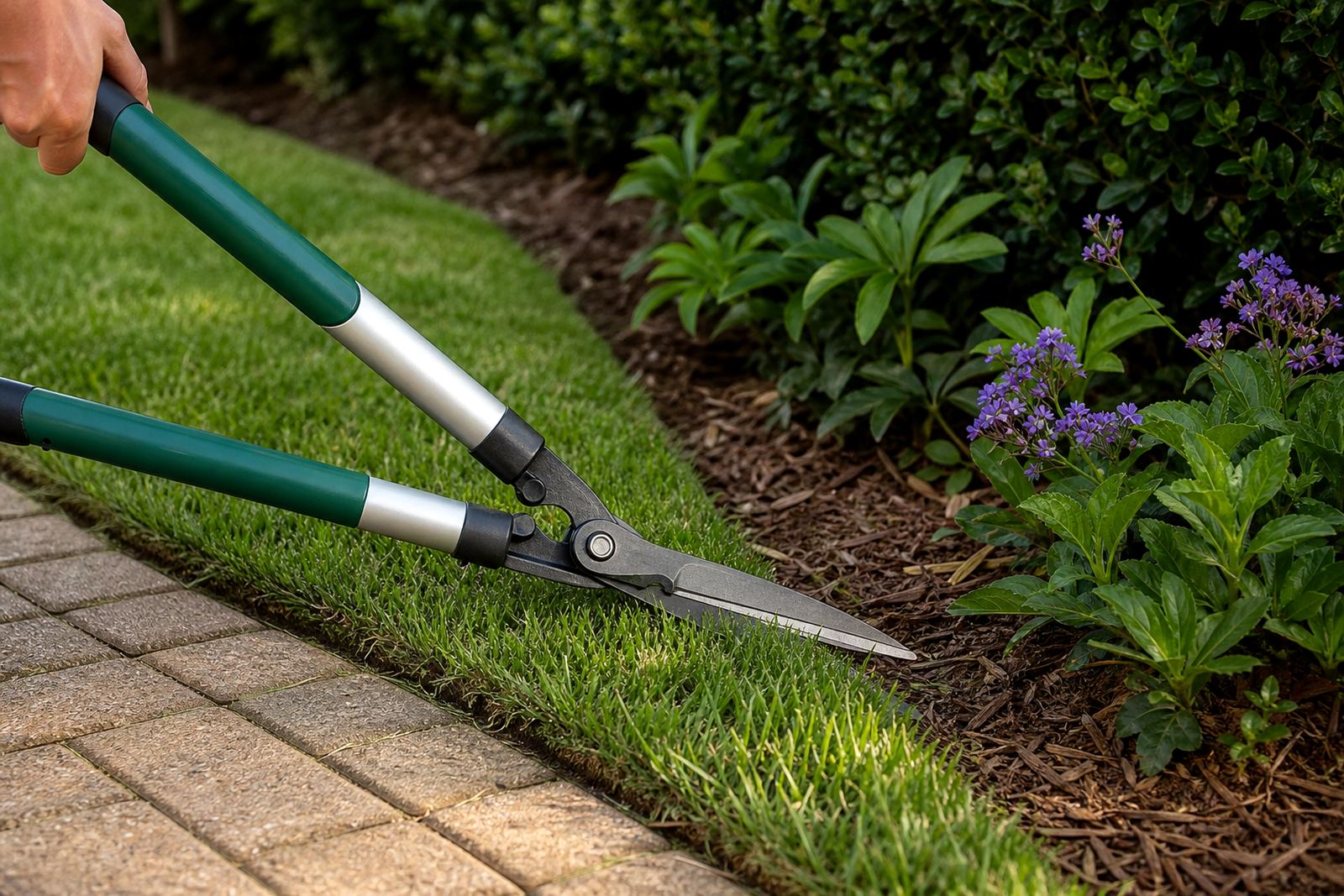
The right bypass tool depends on stem diameter and how often you will use it. A hand secateur is ideal for fine pruning and smaller stems, while a bypass lopper gives you more reach and leverage on thicker branches without forcing the cut. For hedges, a bypass-style hedge tool is useful when you want clean trimming rather than tearing foliage.
As a simple guide, use the lightest tool that can do the job properly. If you have to squeeze too hard, the blade may be too small for the stem or it may need servicing. In practical terms, a good cut should feel smooth, not like a fight with the branch.
- Secateurs for soft growth and small stems up to about 20 mm
- Loppers for medium branches where extra leverage helps
- Hedge tools for controlled shaping and regular trimming
- Sharper blades for cleaner cuts and less strain on your hand
In places with thick summer growth such as Durban and coastal KZN, that match between stem and tool is even more important because plants can harden off quickly after rain and heat. A bypass tool that suited the job in spring may need a different approach by mid-summer.
Comfort, grip and hand fatigue on longer pruning days
Pruning is easier when the tool sits well in the hand. Look for handles that feel balanced, grips that do not slip when your hands are damp, and a pivot that moves without wobble. If you are pruning for more than a few minutes at a time, comfort becomes part of the cutting result because tired hands lead to poor angles and missed cuts.
This is especially relevant for gardeners working early before the heat builds or later in the day when load-shedding limits the use of powered equipment. Hand tools stay useful when you need quiet, controlled work without waiting on power. They are also handy for older gardeners or crews doing detail work in areas with narrow beds, courtyard gardens and townhouse complexes.
For regular use, check that the tool opens and closes cleanly, and that the lock is easy to release with one hand. If the handle shape causes pressure points, you will notice it fast on a full pruning round.
Maintenance that keeps bypass tools cutting properly
A bypass tool only works well if the blade edge and pivot are looked after. Sap, rust and loose fittings can turn a clean cutter into a frustrating one. In coastal towns the air carries more moisture, so a quick wipe after use and dry storage can make a real difference to tool life.
Good maintenance habits include:
- Wiping blades after each use to remove sap and dirt
- Checking the pivot for looseness or stiffness
- Sharpening the blade before it starts crushing stems
- Replacing worn springs and grips when they fail
- Removing rust before it spreads across the cutting face
- Storing tools dry, not in a damp shed or boot
For landscapers and larger garden teams, regular servicing is worth planning rather than waiting for a tool to fail in the middle of a job. A well kept secateur or lopper cuts straighter, needs less force and gives a better finish on every property.
A practical example from Pietermaritzburg gardens
In Pietermaritzburg, many gardens have a mix of established shrubs, seasonal flowering plants and fast-growing hedges that need steady attention. A homeowner in Mkondeni might use bypass secateurs for rose stems and soft shoots, then switch to bypass loppers for a young tree branch that has moved into the driveway. On the same property, hedge tools can tidy the boundary planting before the weekend.
That mix of jobs is where bypass tools earn their place. They let you move from detail work to slightly heavier pruning without changing the whole method of care. For a landscaper working across Hilton, Howick and Durban, the same principle applies across different soil types and growing conditions. Clean cuts on live growth mean less stress on the plant and less follow-up cleaning for the crew.
When the job is done well, the garden looks neater almost immediately, and the plant recovers with less fuss. That is the real value of choosing bypass tools for everyday pruning.
When to replace or service a bypass tool
Even a good tool wears down. If branches begin to crush instead of cut, the blade is dull, the pivot is off, or the spring no longer gives proper tension. Do not wait until the handles feel sticky or the blade starts chewing bark. Those are signs the tool needs attention.
Service is usually the better choice when the frame is still sound but the cutting action has gone off. Replacement makes more sense when the tool is bent, badly rusted or unsafe to use. For teams with several tools on the go, fleet care plans can help keep everything moving and reduce downtime during busy pruning months.
If you are unsure, inspect the tool under good light and check the cut on a small green stem. A proper bypass cut should be neat and precise, not rough or split.