Start with the right lopper for the branch size
Many cutting problems begin when the tool is simply the wrong size for the job. A lopper that is too small will force you to overreach and lean your body into the cut, while one that is too large can feel heavy and slow. For safer use, match the tool to the branch diameter and keep it for clean cuts only, not for hacking through hard dead wood or wirey stems. Most garden work in South Africa sits in the 10 mm to 35 mm range, and that is where a well set lopper should feel controlled, not strained.
In humid coastal areas like Durban and Gqeberha, sap and moisture can build up on blades quickly, so a clean cutting edge is important. If you are working in Pietermaritzburg after a wet spell, wipe the blades often and avoid forcing a cut that needs a saw instead. The safer rule is simple: if the branch resists hard, step back and change tools rather than push harder.
- Use loppers for branches within the maker’s stated cutting range.
- Choose bypass blades for live green growth and cleaner cuts.
- Reserve heavier cutting for proper saw work or staged pruning.
- If the branch is twisting under pressure, stop and reset the cut.
Set your stance before your hands close on the handles
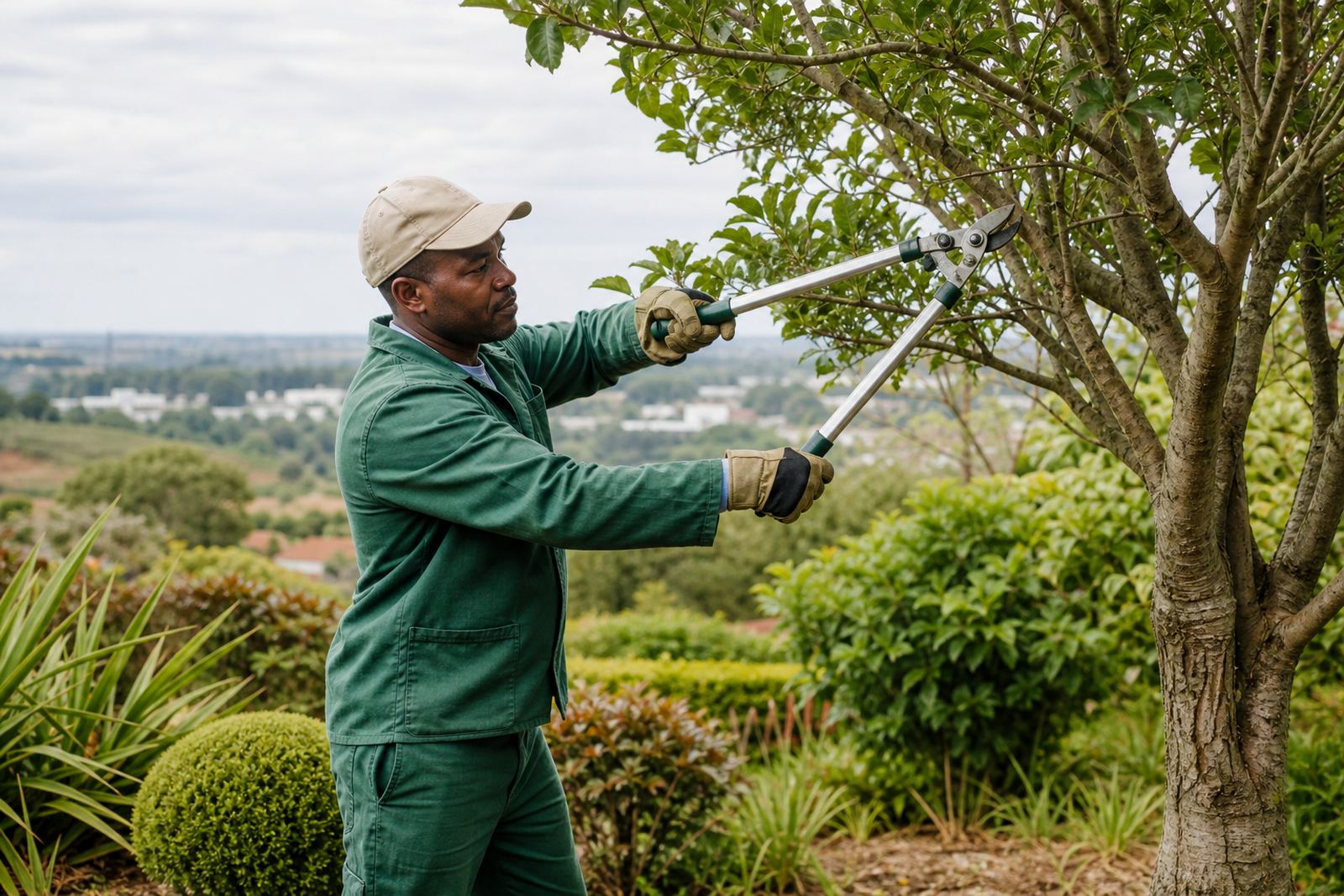
Balance is a big part of safer lopper use. Stand with both feet apart, one foot slightly ahead of the other, and keep your weight centred. This gives you a steady base if the branch shifts or if a cut completes suddenly. Keep the branch in front of you and avoid cutting overhead where possible, because tired shoulders lead to poor control and clipped fingers happen fast.
On a slope or uneven paving, especially in older gardens around Hilton or Howick, take a second to clear loose stones, hose pipes and trimmings from under your feet. Good footing helps you guide the blades instead of fighting for balance. If you need to reach, move your feet closer to the work. It sounds basic, but that small movement reduces strain more than most people expect.
- Keep both hands on the handles before each cut.
- Work at chest height or below when practical.
- Clear trip hazards before starting a session.
- Do not twist your torso to chase a branch.
Use the full blade, not just the tip
A common mistake is biting with the very end of the blade and hoping for the best. That gives a poor angle and can cause the branch to slide. Instead, place the branch deep in the jaws where the cutting force is strongest. You will get a smoother cut with less effort and less wear on the tool. This is especially useful on green hedge growth and on woody stems that have started to harden.
When you are shaping a hedge or pruning a shrub border, work in short controlled cuts rather than long stretches of squeezing. Let the blades do the work. If you are using loppers after load-shedding or in dim light, stop and check the cut line before each squeeze. A quick glance now is better than nicking bark or binding the branch half way through. It’s also easier on the wrists.
- Place the branch well into the cutting zone.
- Cut in one smooth motion instead of repeated squeezes.
- Keep the blade path clear of twigs and side growth.
- Pause if you lose sight of the cut line.
Keep two hands working together, not fighting each other
Loppers are designed for two-handed control, so let each hand do its part. One hand steadies and guides while the other provides the power. If your grip is too tight on both handles, fatigue sets in quickly and the tool becomes harder to control. A firm hold is enough. You do not need to crush the handles.
For longer jobs like boundary pruning or estate clean-ups in Pretoria and Johannesburg, take short breaks and stretch your fingers and forearms. Repetitive cutting without rest can make your grip sloppy by the end of the day. Many users only notice the strain after a few hours, when the shoulders start to lift and the cut gets less accurate. That is when accidents often creep in. A small pause every so often keeps the work neater and safer.
- Keep wrists straight rather than bent outward.
- Do not over-squeeze the handles.
- Swap hands only if the tool design allows it and it still feels controlled.
- Rest your forearms between larger pruning sections.
Check the blades and pivots before you start
Sharp, aligned blades are safer than blunt ones because they need less force and are less likely to slip. Before starting, open and close the lopper a few times. Look for wobble at the pivot, chipped edges, sticky movement or rust. A loose pivot can turn a neat cut into a frustrating fight, and a dry joint can make the handles jerky. If the tool feels stiff, do not keep forcing it. The issue may be dirt, lack of lubrication or a part that needs attention.
In coastal towns, rust shows up quickly if tools are left damp in a bakkie or shed. Even inland, dust and sap can build up after a few weekends of work. A quick clean after use protects the tool and keeps your cuts more predictable. If the lopper has replacement grips or springs available, fit them before the tool gets uncomfortable to use. Comfort and safety are closely linked.
- Test the pivot for smooth movement before each session.
- Wipe off sap, moisture and soil after use.
- Store tools dry and out of direct rain.
- Replace worn grips before they start slipping in the hand.
Prune with the garden in mind, not just the branch
Safer lopper use is not only about the hands. It is also about understanding where the cut branch will fall and what is beneath it. Before each cut, check for windows, pots, hoses, boundary walls, vehicles and people. If you are working near a municipal verge or a shared property line, keep debris contained and avoid pushing cuttings into the road or pavement. That helps you stay on the right side of local rules and keeps the work area tidy.
A local example: a small landscaping team in Mkondeni was clearing overgrown hedge growth beside a driveway after heavy summer rain. They stopped, cleared the loose trimmings first, then worked from the safest side so the cut sections dropped into open grass rather than onto the paving. The job went faster because nobody had to keep stepping around loose branches. Better planning often saves more time than faster cutting ever will.
- Watch for falling branches and sharp twigs.
- Keep children, pets and bystanders well clear.
- Stack cut material as you go to prevent trip hazards.
- Work from the outside in when shaping thick growth.
When the lopper needs care, do it before the next job
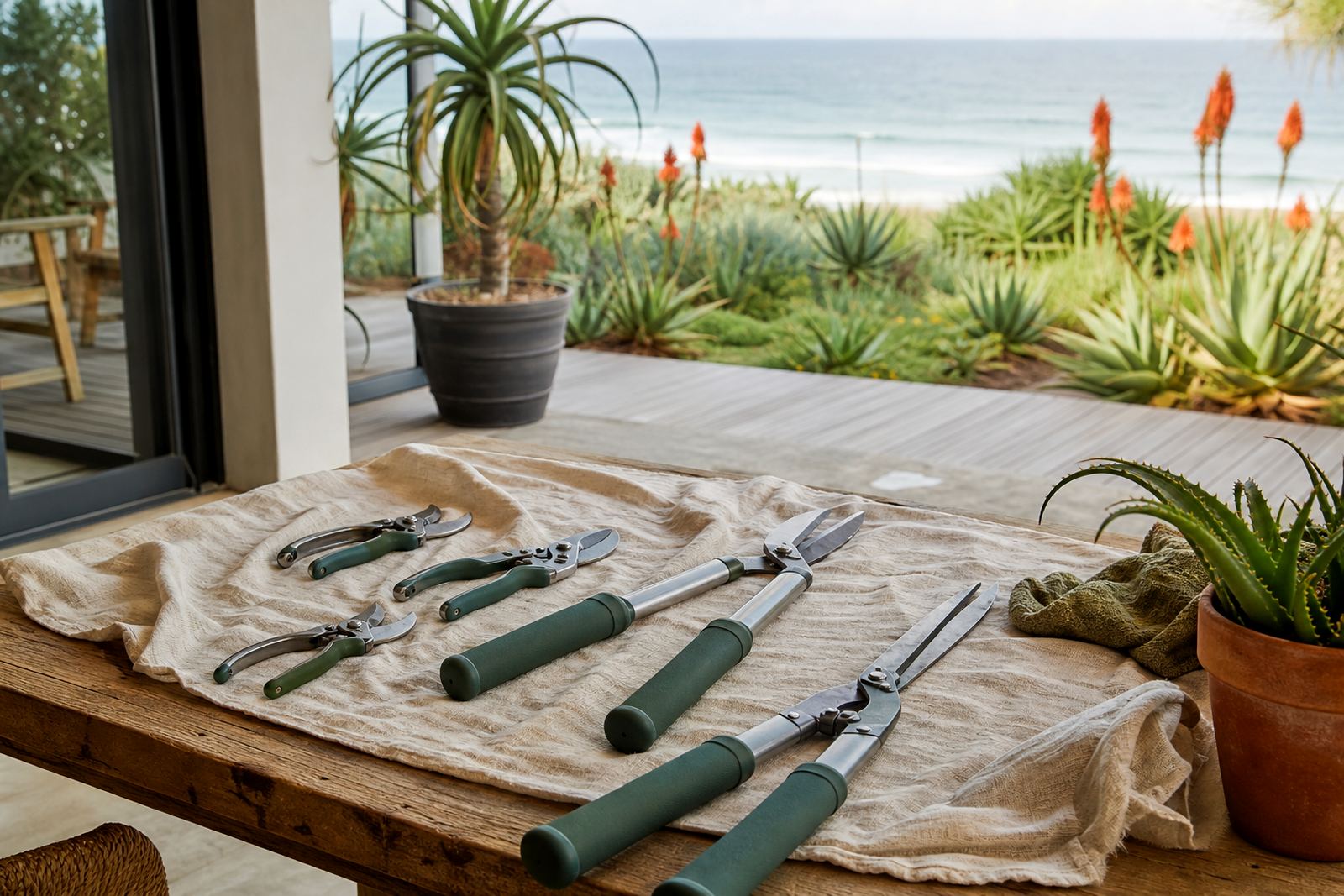
Good handling also depends on good maintenance. If spring action is weak, the blades are misaligned or the grips are worn smooth, the tool becomes harder to control. That is when servicing matters. Blade sharpening, spring replacement, pivot adjustment, deep cleaning and rust removal all help a lopper feel lighter in the hand and safer on the cut. For home gardeners and professional teams alike, a tool that opens cleanly and closes smoothly is less tiring through a long morning of pruning.
For busy crews across South Africa, keeping tools in order is not a luxury. It protects the people using them and helps avoid wasted time on site. Whether you are managing a few trees in Howick or regular hedge work in Cape Town, look after the tool between jobs and it will look after your hands in return.