Start with the habit that keeps roses flowering
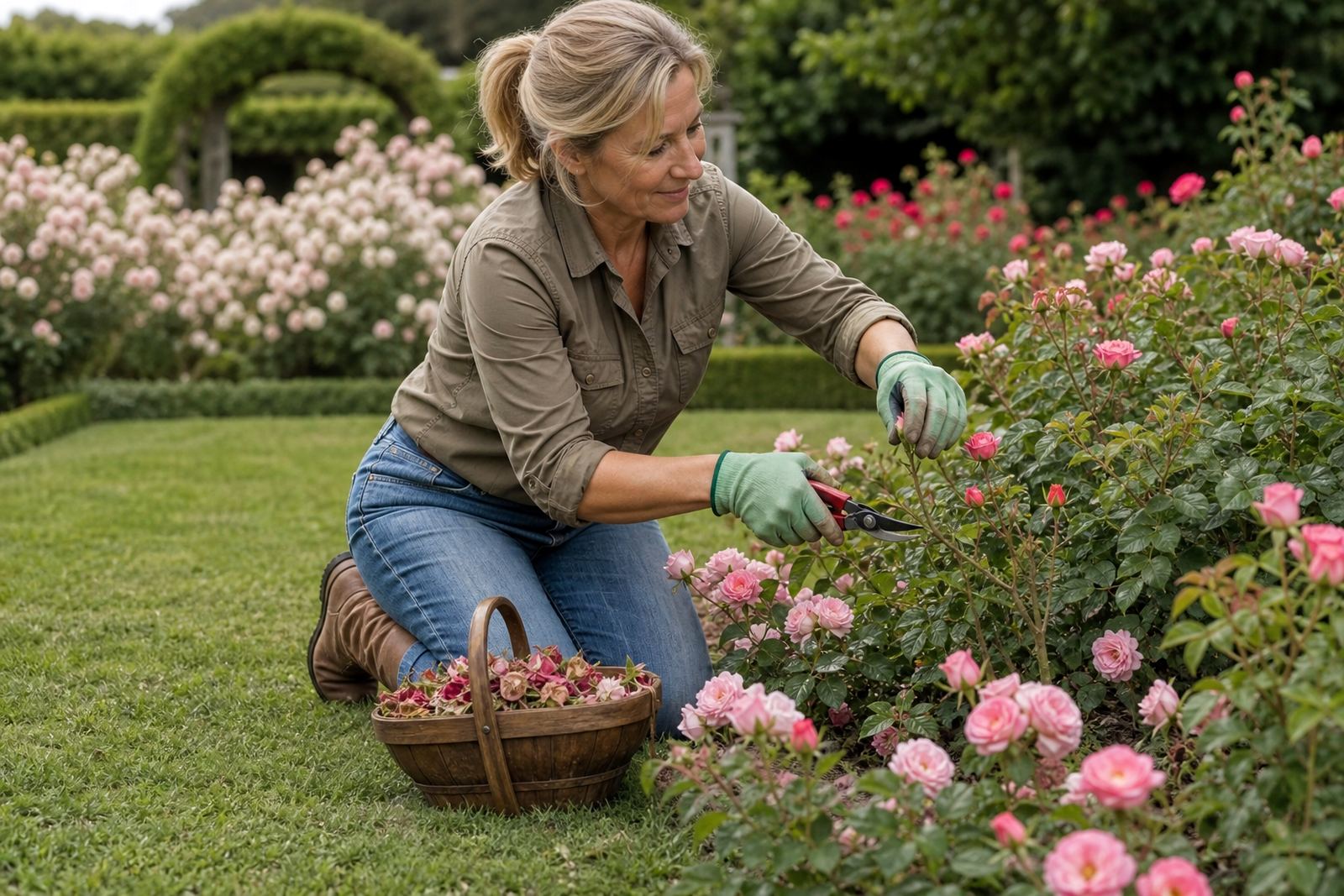
Most rose beds go from tidy to tangled because spent blooms are left too long. Once a flower fades, the plant starts putting energy into seed heads instead of new buds, so regular deadheading is the first habit to get right. In a home garden in Hilton or a larger property in Durban North, this can make the difference between a bed that flowers in waves and one that looks finished by mid season.
Deadheading is simple. Follow the stem down to the first strong set of leaves, then make a clean cut just above an outward facing leaf node. That small detail matters because it encourages the next shoot to grow away from the centre, improving light and air movement. Use clean pruning shears with sharp blades so the stem is cut, not crushed, and wipe sap off after each session. It sounds minor, but it saves time later and helps reduce disease pressure.
- Remove faded flowers once the petals start dropping
- Cut above a healthy leaf pair, not halfway down a weak stem
- Collect and bin diseased material, do not leave it under the bush
- Check new growth at the same time for aphids or black spot
Pruning roses for shape, airflow and stronger stems
Rose pruning is not about hacking the bush back hard every time. It is about shaping growth so the plant can support bigger, cleaner blooms through the season. In the KwaZulu-Natal coastal belt, where humidity can rise quickly after rain, airy growth helps the plant dry faster and reduces fungal trouble. In drier inland areas, the same approach still works because open growth is easier to manage and water reaches the root zone more evenly.
Begin by removing dead canes, crossing stems and any growth that rubs against the centre of the plant. Then shorten the main stems to a strong outward facing bud. If a bush has become woody, do the work in stages rather than trying to force it into shape in one afternoon. A clean cut at the right angle should leave a small slant away from the bud so water does not sit on the cut surface.
- Take out thin, weak shoots from the base
- Keep the centre open enough to see through the plant
- Cut back to healthy green wood, not brown dry tissue
- Disinfect blades between plants if any disease is present
Choosing the right tool for each cut
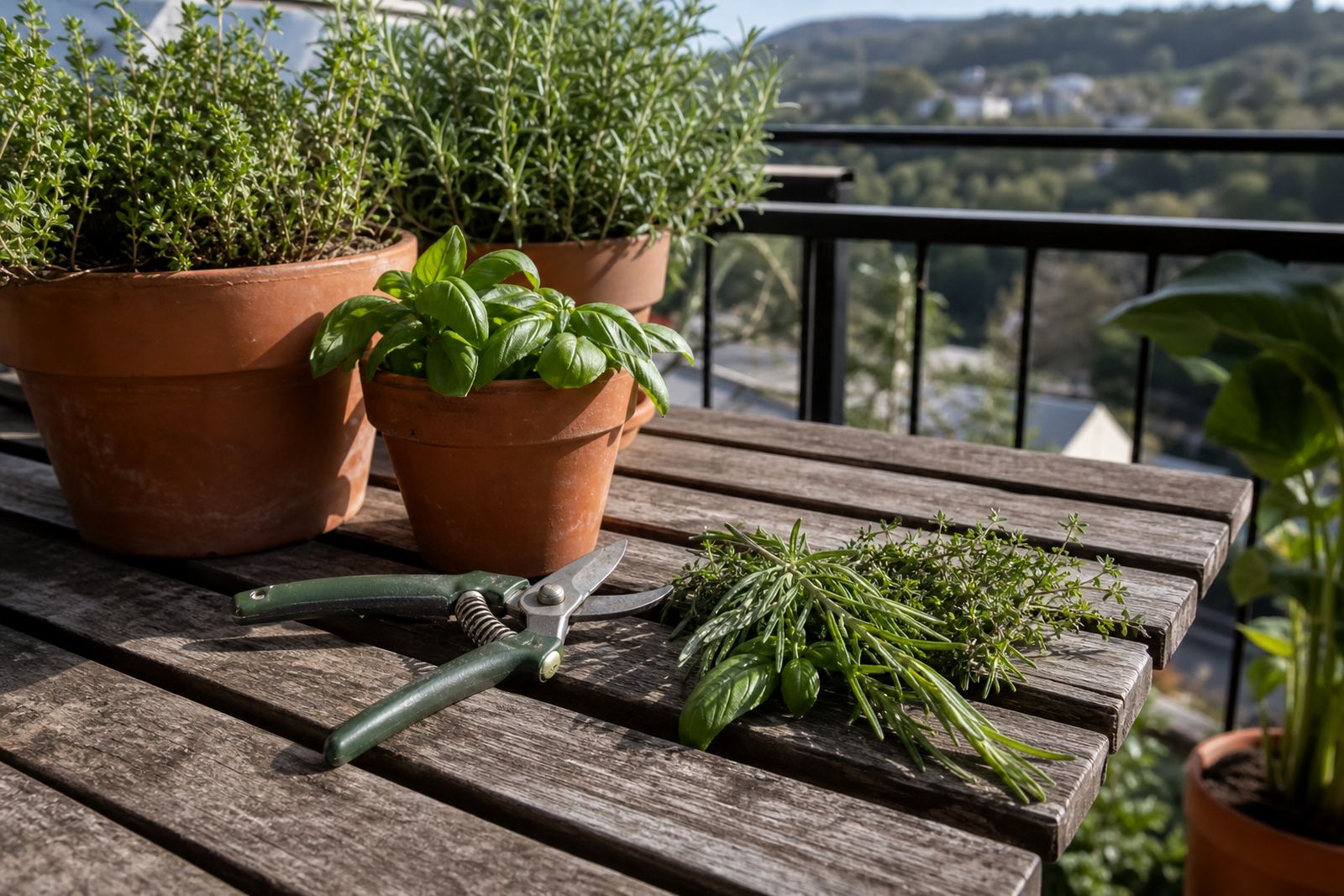
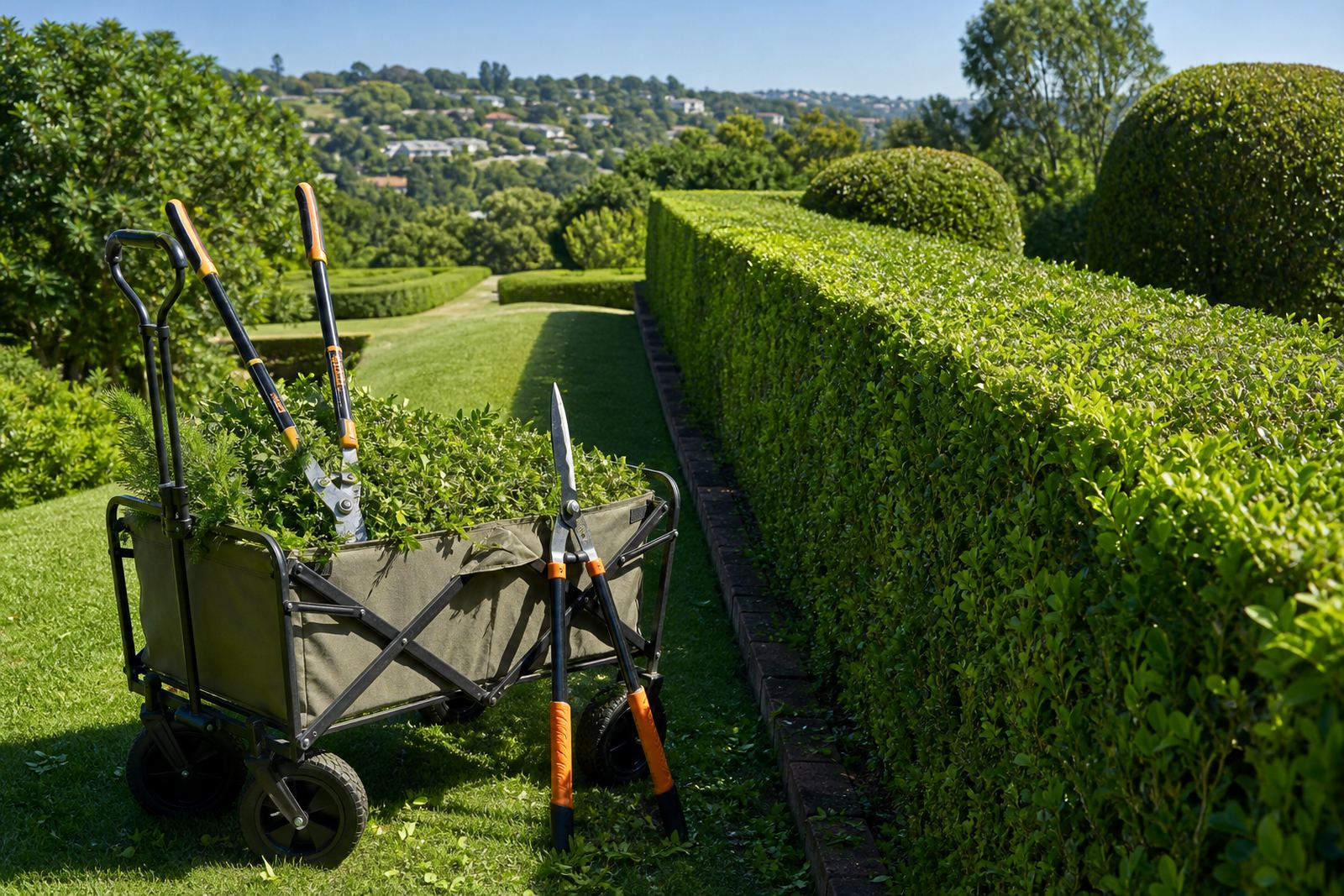
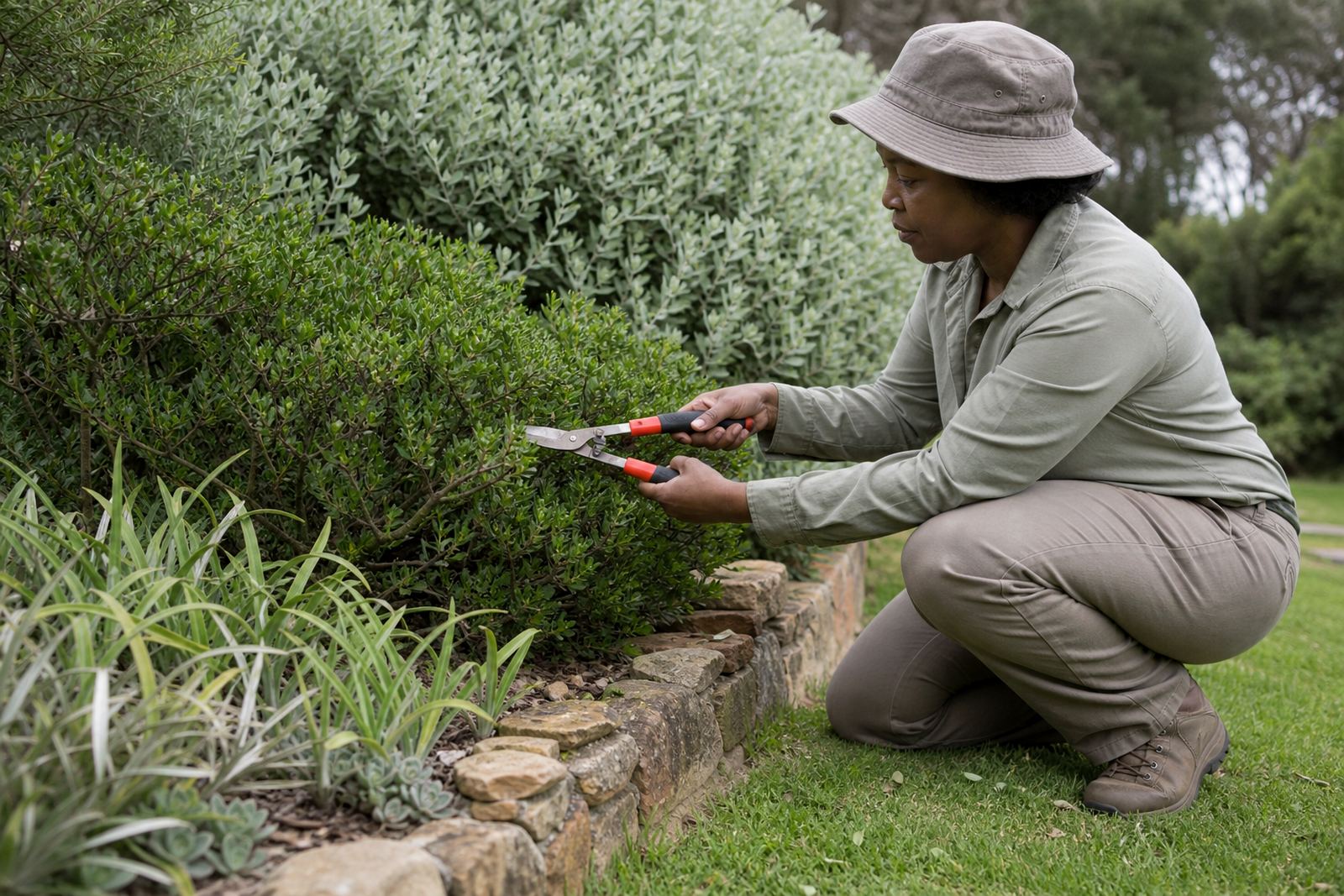
Good rose care depends on the right tool in your hand. Hand pruning shears are best for stems up to about 20 mm, while loppers are better for thicker canes and older growth. Hedge tools are useful for shaping surrounding borders or trimming rose hedges where a large number of stems need to be managed evenly. Using the wrong tool usually means crushed stems, tired wrists and a messier finish.
Comfort matters too, especially when you are working through a full bed in the heat or between load-shedding interruptions and need to finish quickly. A grip that sits well in the hand makes repetitive deadheading much easier. If the springs are weak or the pivot feels stiff, servicing is worth doing before the season gets busy. The small repairs keep the tool precise, and that is what gives you cleaner cuts with less strain.
- Use secateurs for deadheading and light shaping
- Use loppers for thicker, older canes near the base
- Use hedge tools for large formal rose borders
- Sharpen blades before the main pruning cycle starts
Why tidy beds hold fewer pests and problems
Untidy rose beds collect dead petals, weak shoots and leaves that have already started to go off. That material creates hiding places for pests and holds moisture around the base of the plant. In humid weather, especially near the coast, that can lead to black spot, powdery mildew and general decline faster than many gardeners expect. A neat bed is not just for appearance, it is practical plant care.
When you remove old growth, you also see the plant more clearly. It becomes easier to spot a stem that has started to die back, a branch split by wind, or an infestation before it spreads. In municipal gardens and private yards alike, regular cleaning around the base of roses means less disease carryover from one flowering cycle to the next. A quick inspection after pruning also helps you decide whether a deeper clean is needed.
- Clear fallen leaves and petals from under each bush
- Check stems for rust, mildew and blackened tips
- Remove blind shoots that never set buds
- Keep mulch a little back from the main stems
A Pietermaritzburg example from a mixed rose border
In Mkondeni and the surrounding Pietermaritzburg suburbs, rose beds often sit alongside clipped shrubs, lawn edges and driveway borders. One common setup is a front garden with hybrid roses, a few climbers on a wall and a narrow bed that gets full sun by mid morning. Without regular deadheading, the first flush looks good but the second can be thin and uneven. A steady routine changes that quickly.
A local gardener working on a property with heavy morning moisture might deadhead every few days and do a light prune every two to three weeks during the active growing period. The aim is not dramatic cutting, just consistent control. After each session, the bed looks open again and the remaining buds get more light. If the canes are thick or the old flower stalks are woody, servicing the tool first makes the work easier and keeps the cut clean. That kind of habit pays off through summer, especially when the weather turns hot and the garden needs attention before the afternoon storm rolls in.
Keep a simple care routine through the season
Rose beds do best when the work is spread out. A short weekly check is usually enough for deadheading, light shaping and removing anything that looks damaged. Larger pruning can be done at the start of the growing season, then followed by smaller adjustments as the plant responds. If you are maintaining several beds, especially for a landscaper or body corporate property, it helps to keep the same sequence every time so nothing gets missed.
A useful routine is to inspect, cut, clean and then sharpen the tools before storing them. Rust removal and deep cleaning are worth doing when blades pick up sap or damp soil. Spring replacement, pivot adjustment and grip replacement also matter because a tool that feels loose or sticky slows the whole job down. For teams managing multiple sites across South Africa, tool inspections and fleet care plans help keep equipment in working order without last minute surprises.
- Check roses after rain for broken or diseased growth
- Deadhead often during peak flowering
- Prune a little at a time rather than waiting for a big overhaul
- Store tools dry so they are ready for the next visit