
Start with a route, not a tool bag
On bigger properties, pruning goes faster when you work in a set order. Begin at the boundary, then move through paths, screens, hedges and specimen plants before finishing with detail cuts. That way you are not dragging cut material back over areas you have already tidied.
In Pietermaritzburg and Durban, where summer growth can thicken quickly after rain, a planned route helps you stay ahead of the work. It also matters on sloping sites and around paving, because loose stems underfoot become a slip hazard. Clear one zone fully before moving to the next, and keep a dedicated pile area for green waste so the site stays manageable.
- Walk the property first and note dead growth, crossing branches and overlong hedge lines.
- Split the work into zones based on plant type and access.
- Keep cuttings away from drains, washing lines and municipal kerbs.
- Work from the outside in so the cleaned areas stay clear.
Match the tool to the thickness of the cut
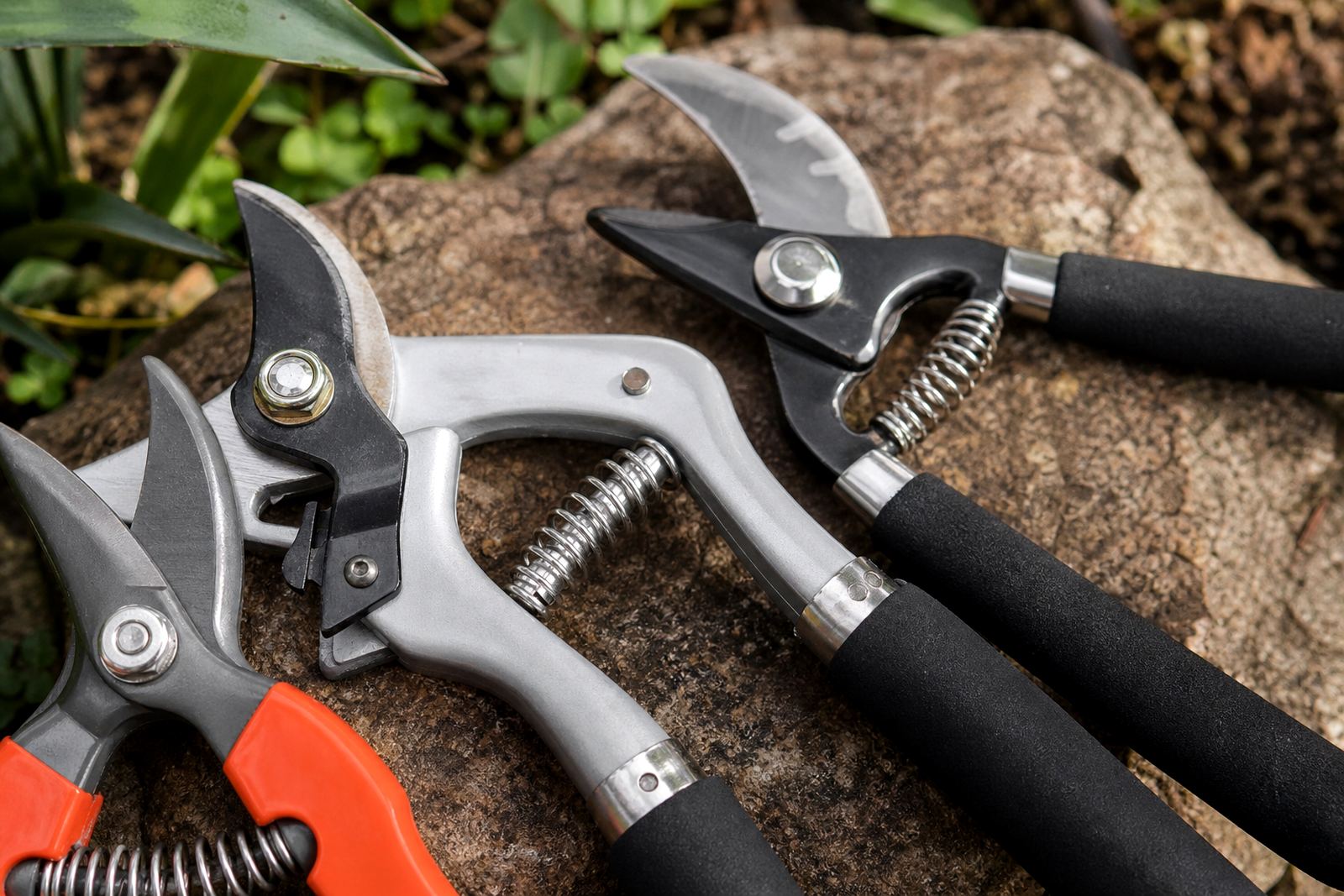
The best result comes from using the right tool on the right material. Fine stems and soft growth call for pruning shears, while thicker woody branches are better handled with loppers. Hedge tools are for shaping, not forcing through heavy stems, and that difference protects both the plant and the tool.
A common mistake on large gardens is trying to make one implement do everything. That slows the job down and leaves rough cuts. It also puts extra load on pivots, springs and blades, which is costly when you are working through several properties or a large home garden each week.
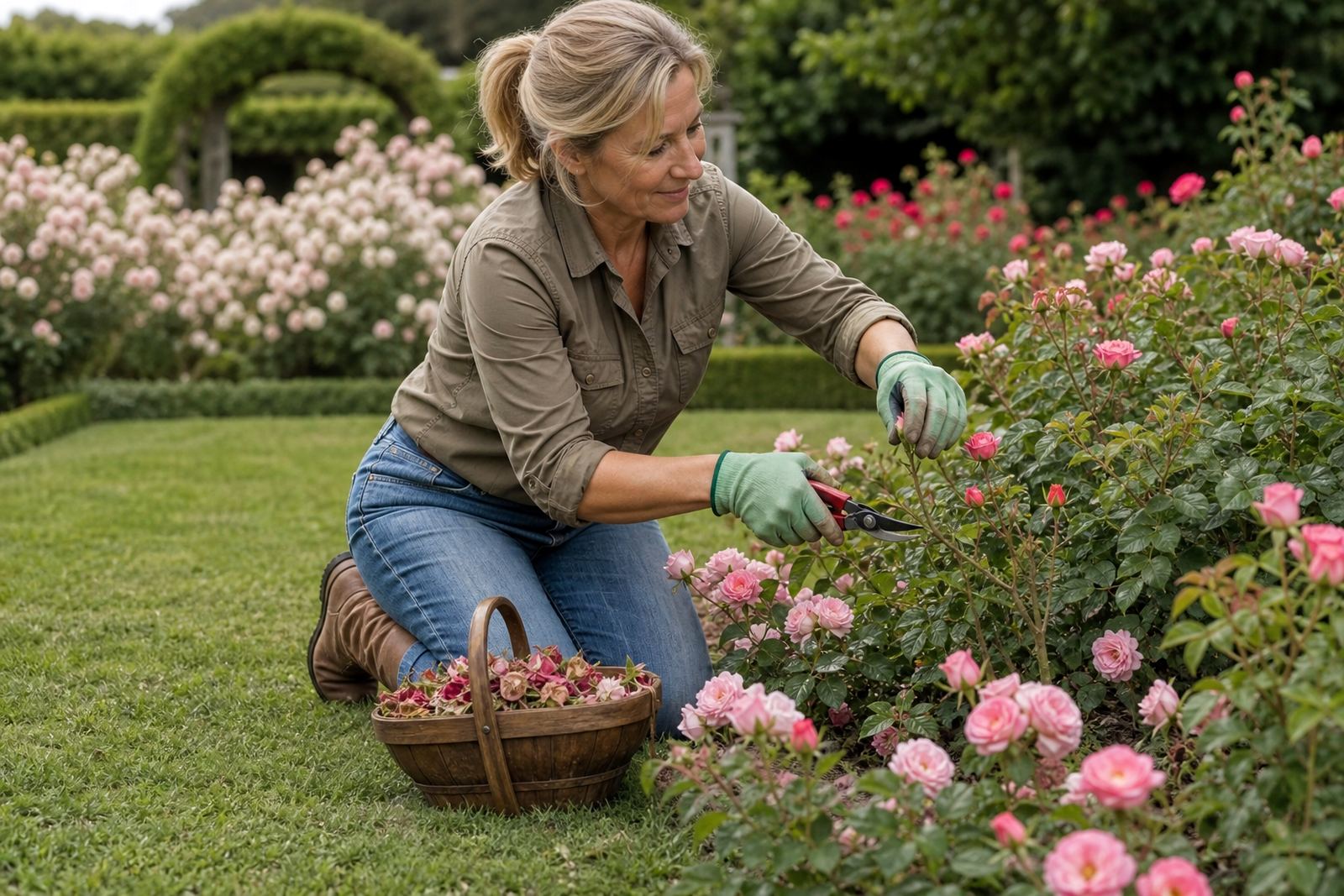
- Use pruning shears for soft stems, small branches and precision work.
- Use loppers for thicker branches where extra leverage is needed.
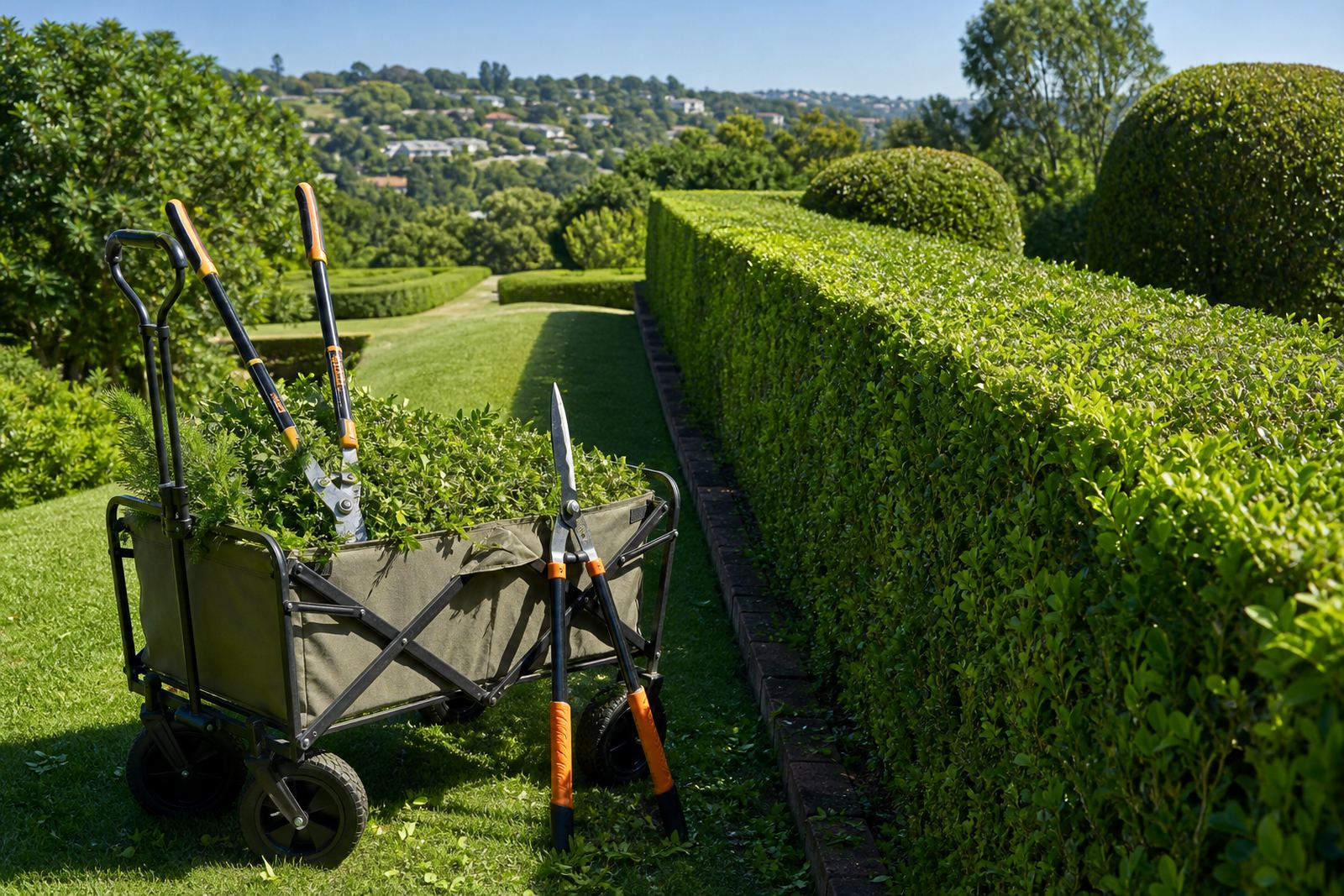
- Use hedge tools for long, even shaping cuts on formal hedges.
- Keep a clean cloth handy for sap and moisture between cuts.
Tackle hedges before detail pruning
When a property has boundary hedges, screens and clipped formal sections, start there first. Long hedge lines create the most waste and usually need the most visible correction. Once the hedge face and top are level, the rest of the garden looks easier to bring back into shape.
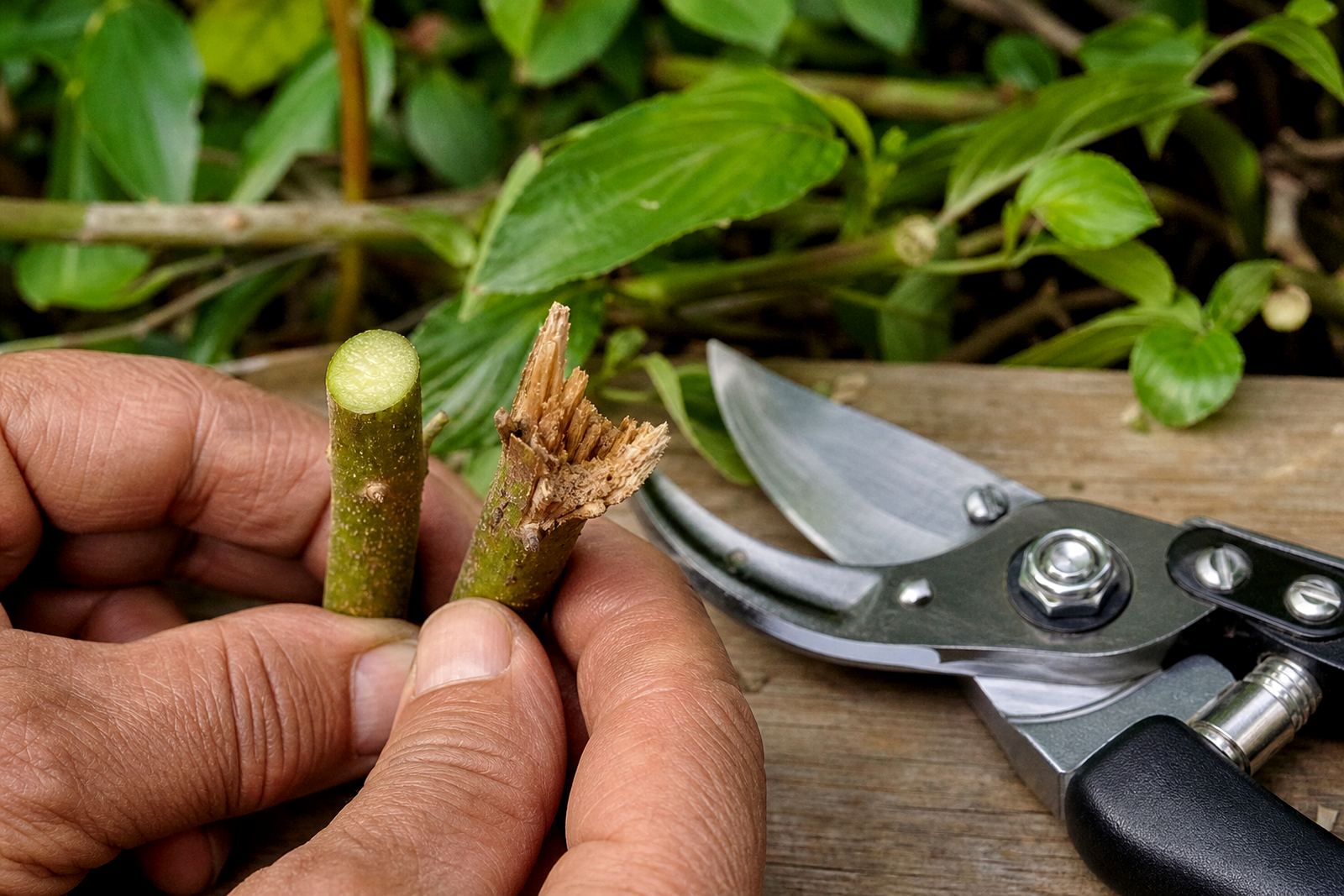
In humid coastal areas such as Durban and Gqeberha, hedge growth can be dense and sticky, so sharp blades matter. If the cutting edges are blunt, the stems tear instead of slicing cleanly, which leaves the hedge ragged and slows regrowth. A clean pass also makes it easier to spot hidden dead wood inside the plant.
- Trim the tallest sections first so the profile is easier to judge.
- Work in short passes rather than trying to force one heavy cut.
- Stop and clear the blade often, especially on sappy growth.
- Check both sides of the hedge before moving to the next section.
Keep the crew moving with a simple load order
On larger jobs, the cutting sequence should sit alongside the way tools are carried. Keep the most used items close at hand, and place heavier gear where it will not slow movement between sections. This matters for landscapers managing estates, schools, body corporates and large homes where time on site is limited.
A practical load order reduces wasted steps. One person can handle cutting while another clears offcuts and checks the next area, which keeps the job flowing. It also helps when the weather turns, because afternoon rain in KwaZulu-Natal can arrive fast and force a quicker close-out.
- Carry pruning shears for fine work and quick corrections.
- Keep loppers ready for thicker branches after the hedge line is set.
- Use bags, bins or tarps to move cut material in fewer trips.
- Separate green waste from thorny or woody offcuts for safer handling.
Protect the blades if you work near coastal air
Across coastal and inland towns alike, tool care changes how smoothly large pruning jobs go. Moisture, sap and dust build up fast, and if that residue is left on the blade the cutting edge loses performance. In coastal air, rust can start sooner than many gardeners expect, especially on tools stored in open sheds or vehicles overnight.
After each session, wipe blades clean, check the pivot and look for looseness at the handle. If a blade starts to drag, the cut becomes harder and the operator works with more force than necessary. Small faults soon turn into bigger wear, so regular inspections save time and money.
- Clean sap off blades before it hardens.
- Dry tools fully before storage.
- Check springs, grips and pivots for wear.
- Sharpen before the edge becomes badly blunted.
A Pietermaritzburg example from a mixed property
A common local setup in Mkondeni or Hilton is a home with a long boundary hedge, several fruit trees and a section of shrubs near the driveway. The best way to handle it is to start with the hedge, then move to the fruit trees, then finish with the shrubs and any detail shaping. That sequence keeps the site looking tidy as you go, instead of leaving half-cut sections scattered across the garden.
For a landscaper, this kind of order matters because the client sees progress from the road and from the main entrance. It also makes clean-up simpler, since larger offcuts are removed before the finer pruning begins. When the tools are sharp and comfortable in the hand, the work is lighter on the wrists and the finish is neater.
At Cut Tools Garden, we support larger gardens with tool care services that help keep the job moving. Blade sharpening, servicing, spring replacement, grip replacement, pivot adjustment and rust removal all help extend the working life of pruning tools, loppers and hedge shears.