A clean cut starts the healing process sooner
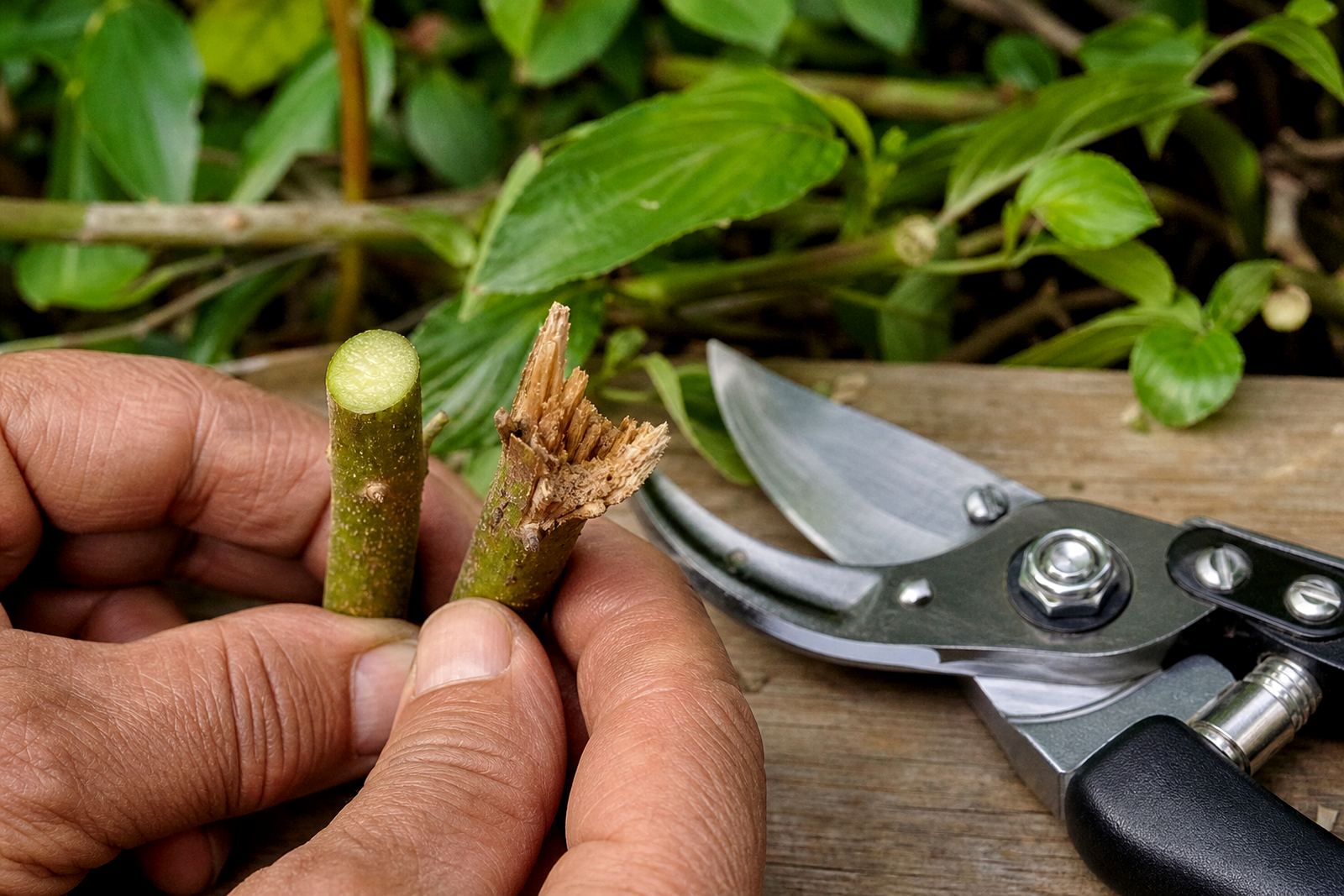
When a blade is sharp, it slices through stems in one movement instead of crushing them. That matters because crushed tissue heals slowly and can leave a rough edge that dries out or gets infected. In Pietermaritzburg, where gardens can swing from wet summer growth to dry, dusty winter days, a plant needs every advantage it can get after pruning.
Sharp garden tools give you a cut that is flatter and more precise. The plant can direct its energy into new growth rather than repairing damaged tissue. On hedges, shrubs and roses, that means less browning at the cut point and a tidier result overall.
- Sharper edges reduce tearing on soft stems and young shoots
- Clean cuts close better in damp coastal conditions and hot inland weather
- Less damage means less chance of dieback around the wound
Blunt blades create more stress than many gardeners realise
A tired pair of secateurs can seem usable until you look closely at the stem after each cut. Instead of one neat slice, you may see a flattened stem, jagged fibres or a split end. That extra damage puts the plant under stress and can slow recovery, especially on flowering plants and new growth.
This is one reason professional gardeners often service their tools regularly. In places like Durban and Gqeberha, where humidity can encourage rust, a neglected blade goes off shape faster than many people expect. A little rust or grit on the pivot can also affect how smoothly the tool closes, which makes every cut harder and less exact.
- Blunt cutting edges need more hand pressure and tire the user faster
- Rough cuts can invite fungal problems in humid weather
- Poor alignment can leave stems pinched instead of neatly severed
Better shape means better flowering and growth
Good pruning is not only about removing growth, it is about guiding the plant. Clean cuts help you place the cut exactly where you want it, whether you are shaping a hedge, thinning a shrub or taking back long shoots on a climber. That accuracy matters when you want a plant to grow in a balanced, natural way.
For example, a landscaper working in Howick may need to keep a row of hedges even along a boundary wall while also leaving enough healthy leaf area for strong regrowth. A clean cut makes that work easier because the plant responds more predictably. The result is a neater outline and steadier growth over time.
- Shape stays more even when cuts are precise and consistent
- Healthy buds below the cut are less likely to be damaged
- Flowering plants often recover with better structure for the next flush
Different tools need different care for the best cut
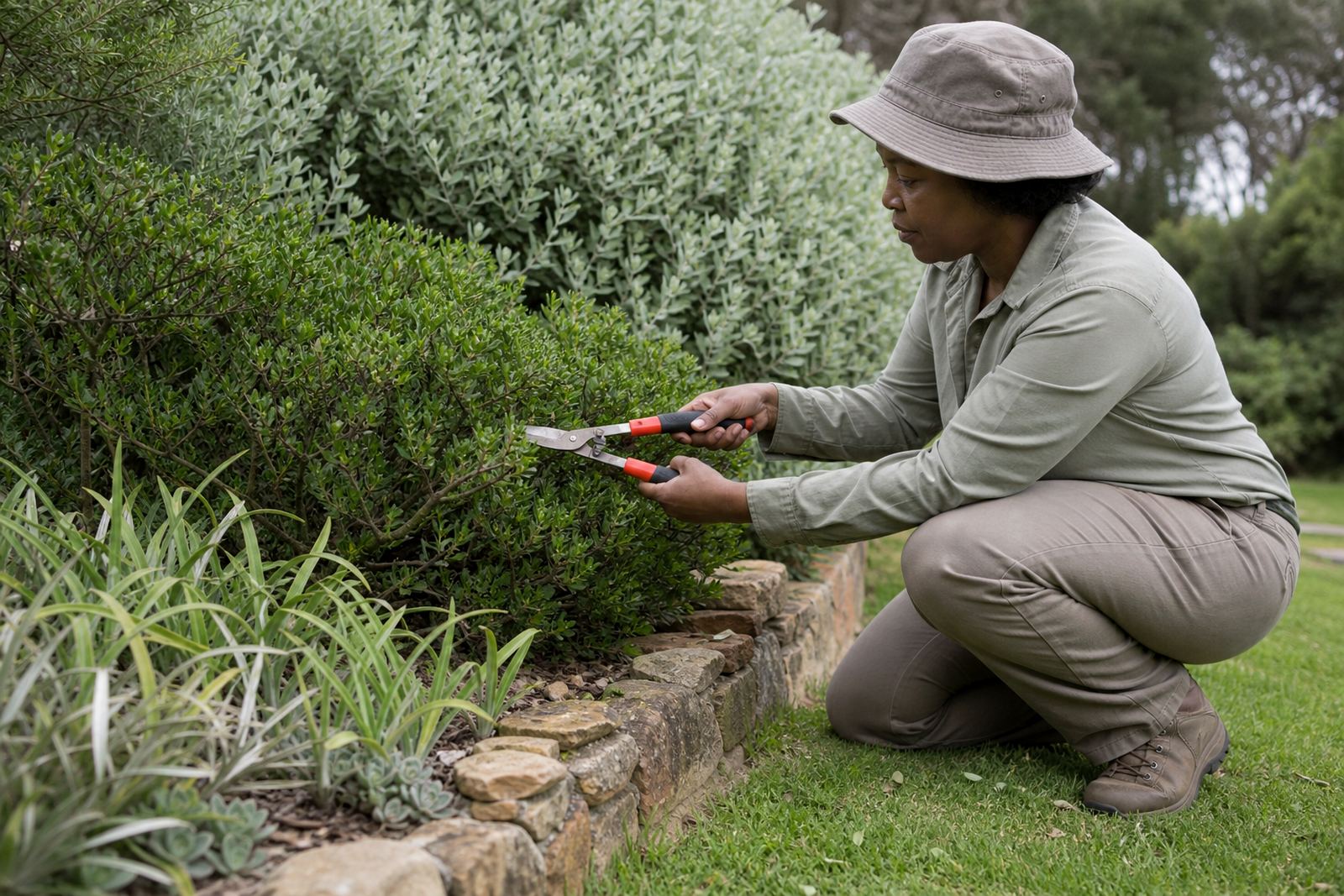
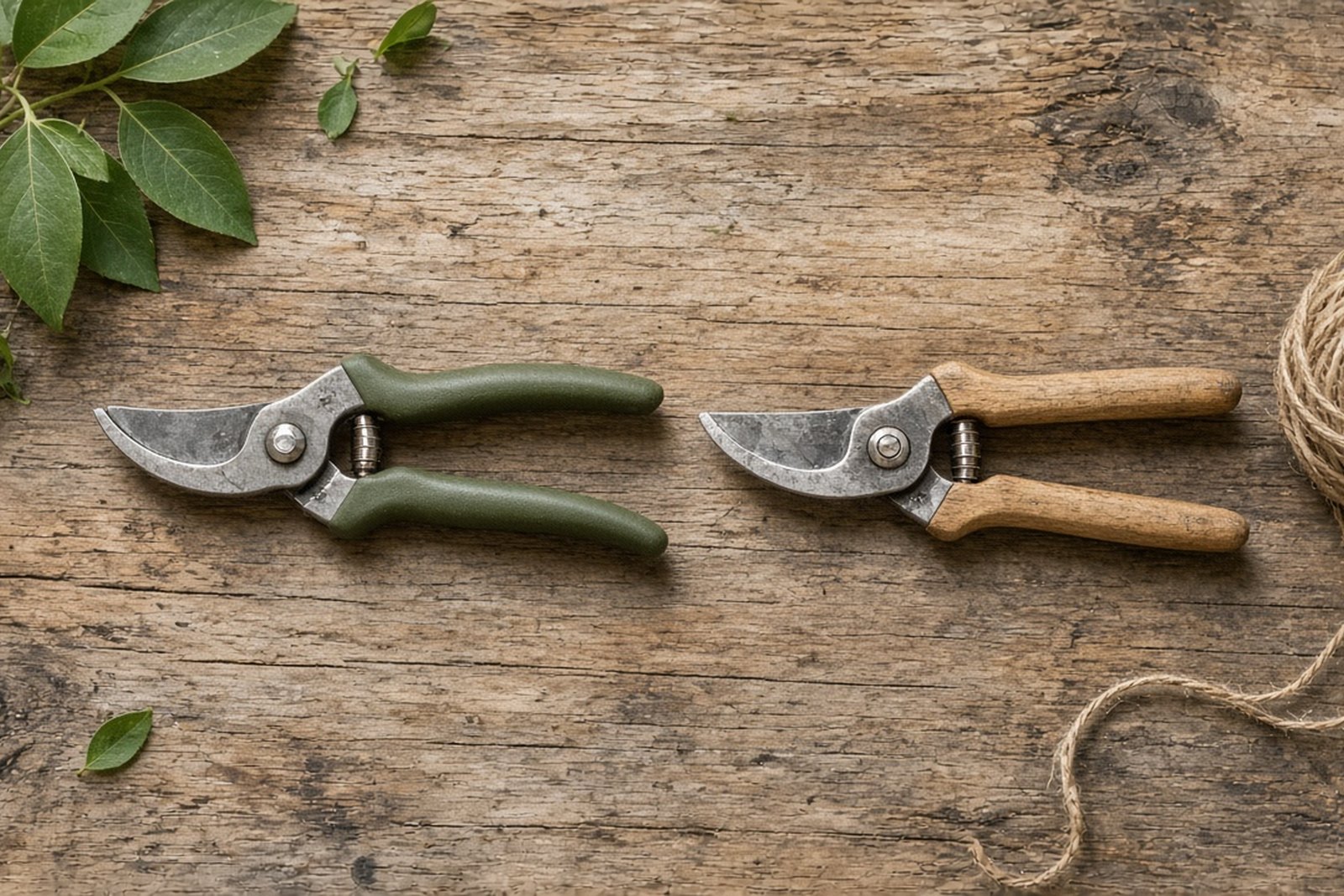
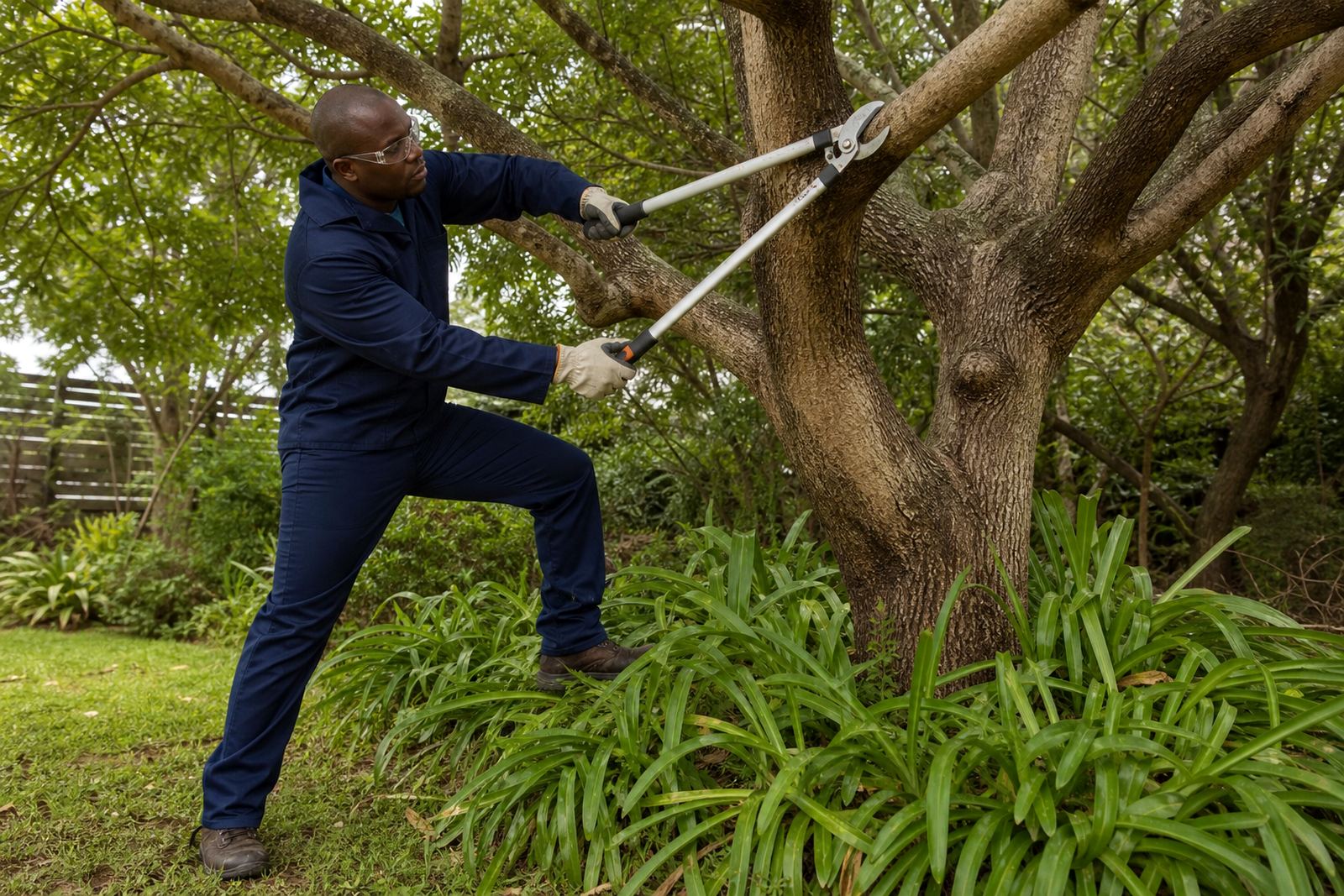
Secateurs, loppers and hedge shears each deal with a different size of stem, so each one needs a slightly different approach. Secateurs should close cleanly at the pivot, with no wobble. Loppers must have enough leverage to cut thicker branches without crushing them. Hedge tools need straight blades and a smooth action so the hedge line stays level and neat.
If one tool is left dirty after use, sap and fine grit can build up quickly. That is common after summer pruning when growth is soft and sticky. A proper clean removes debris before it hardens, and a quick inspection can show if the spring, grip or pivot needs attention. It is small maintenance but it makes a big difference to the next cut.
- Wipe blades after each session to stop sap from hardening
- Check the pivot for looseness or stiffness before pruning
- Store tools dry, especially near the coast where moisture lingers
A practical example from a KwaZulu-Natal garden
Take a garden in Pietermaritzburg with a mixed hedge, a few fruit trees and rose beds near the driveway. After a wet spell, the hedge starts pushing long shoots and the rose canes get congested. If the gardener uses blunt tools, the hedge looks torn and the roses take longer to settle after pruning. A clean cut, by contrast, keeps each plant neater and easier to manage in the weeks that follow.
That is especially useful when load-shedding interrupts routine work and you need to finish pruning in a short window of daylight. Good tools save time because they bite on the first attempt instead of forcing repeated cuts. In larger properties around Hilton and Howick, that efficiency matters even more when a team has several sections to complete in one visit.
- Cleaner cuts help reduce follow-up touch-ups
- Less strain on the gardener means steadier work across longer jobs
- Well-kept tools support quicker turnaround for home gardens and estate work
How to keep blades ready for the next job
Regular care is not complicated, but it should be consistent. After use, clear off sap, rinse off loose dirt and dry the metal before storing it. If a blade starts to drag, it may need sharpening rather than more force. For tools that are used every week, a check of the spring, grip and alignment can prevent small faults from becoming a bigger problem.
It also helps to look at the type of work you are doing. Thick stems, old wood and hard, dry branches will dull a blade faster than soft green growth. If you notice the cut becoming rough, stop and sort the tool out. A little servicing now is cheaper than replacing a plant that suffered from poor pruning later.
- Sharpen before the tool starts tearing instead of cutting
- Remove rust early so it does not spread along the blade
- Replace worn grips if your hand slips during long sessions
Why the right service support matters for everyday garden work
Many gardeners only notice a tool problem when the cut becomes untidy or the handle starts to feel wrong. By then, the tool has already been underperforming for some time. Blade sharpening, pivot adjustment, spring replacement and deep cleaning all help bring the tool back into proper working order. That is useful for homeowners in Pretoria, landscapers in Johannesburg and garden teams working across the coast and inland alike.
At Cut Tools Garden, the focus is on tools that feel comfortable in the hand and keep cutting cleanly through regular use. From Blade Sharpening to Tool Inspections and Fleet Care Plans, the aim is to keep secateurs, loppers and hedge tools ready for the work at hand. For anyone serious about plant health and neat presentation, that support makes day-to-day pruning much easier.