Why indigenous shrubs need a lighter trim
Indigenous shrubs are often planted for more than neatness. They give shelter to birds, support pollinators, and suit local soil and rainfall patterns better than many exotic plants. When you trim them, the goal is to keep those benefits while shaping the plant so it stays healthy, neat and manageable.
Hard pruning can leave a shrub stressed, with bare patches and weak regrowth. In coastal areas like Durban or Gqeberha, that can also expose inner stems to salt-laden wind and sun scorch. In the inland winter cold of Pietermaritzburg, Johannesburg or Pretoria, over-cut plants can take longer to recover than expected. A careful trim protects the natural outline of the shrub and helps new growth appear where you want it.
- Remove dead, crossing or damaged stems first.
- Shorten only the most unruly growth.
- Keep the lower and outer structure where possible.
- Step back often and check the shape from a distance.
Choose the right tool for the size of the stem
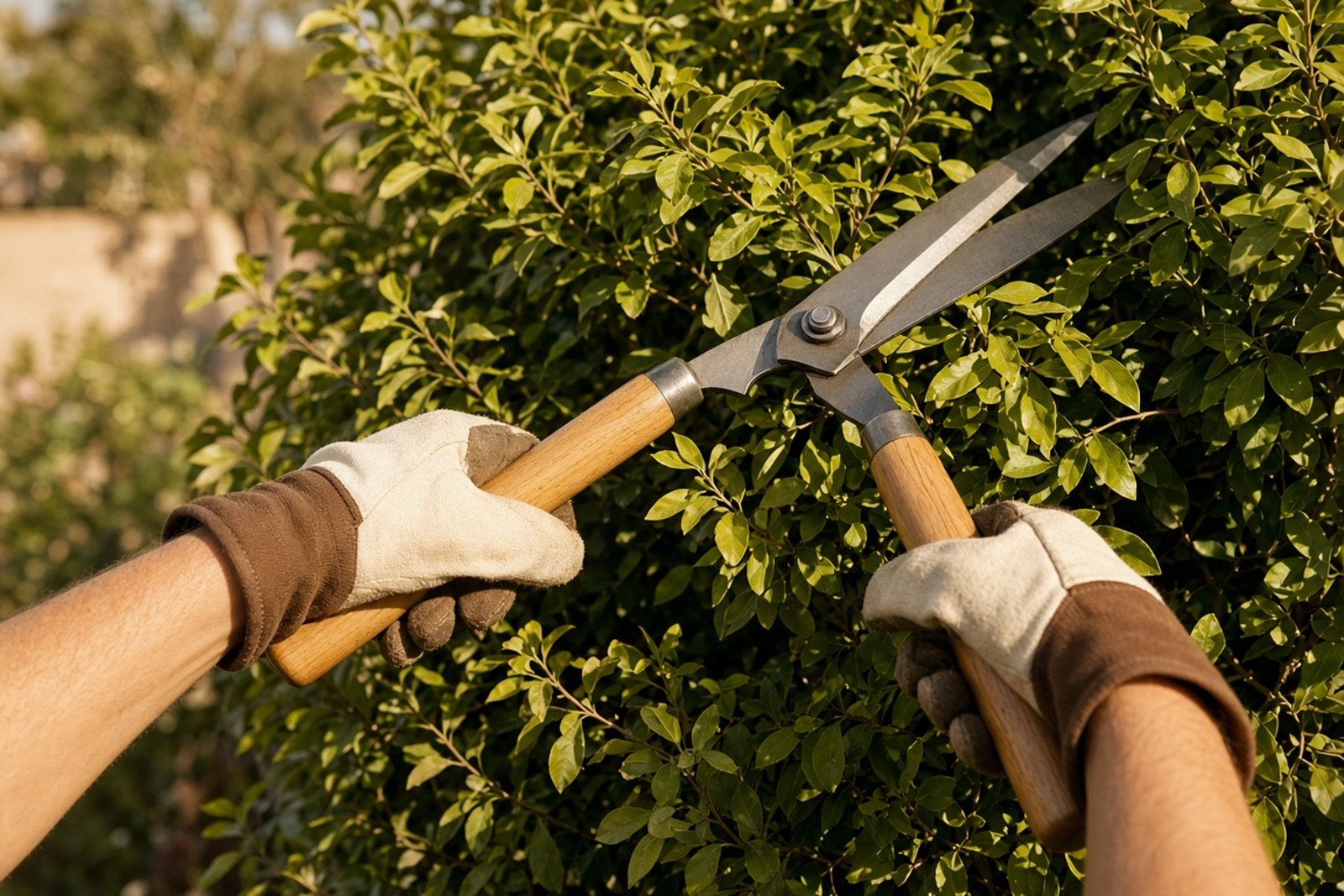
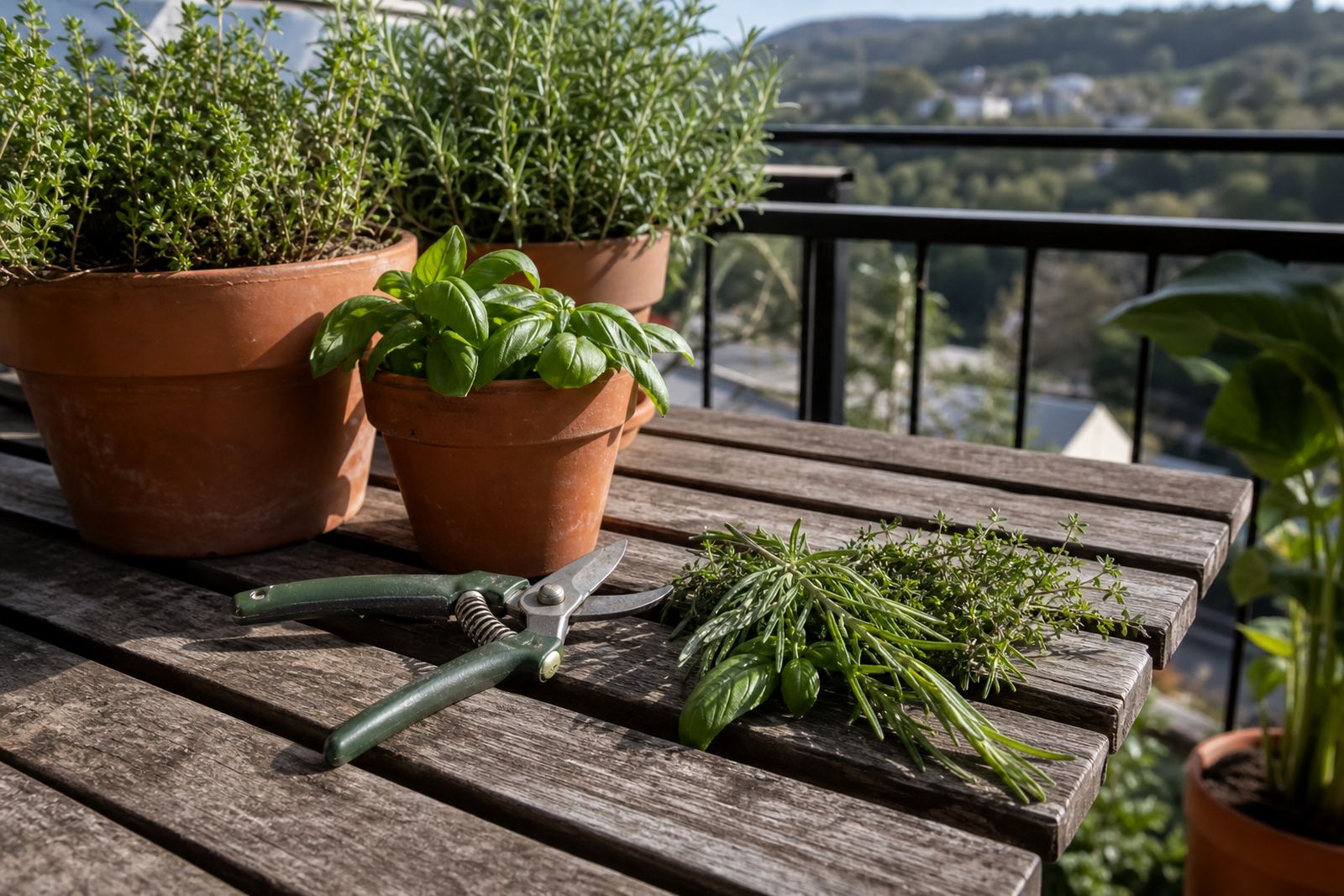
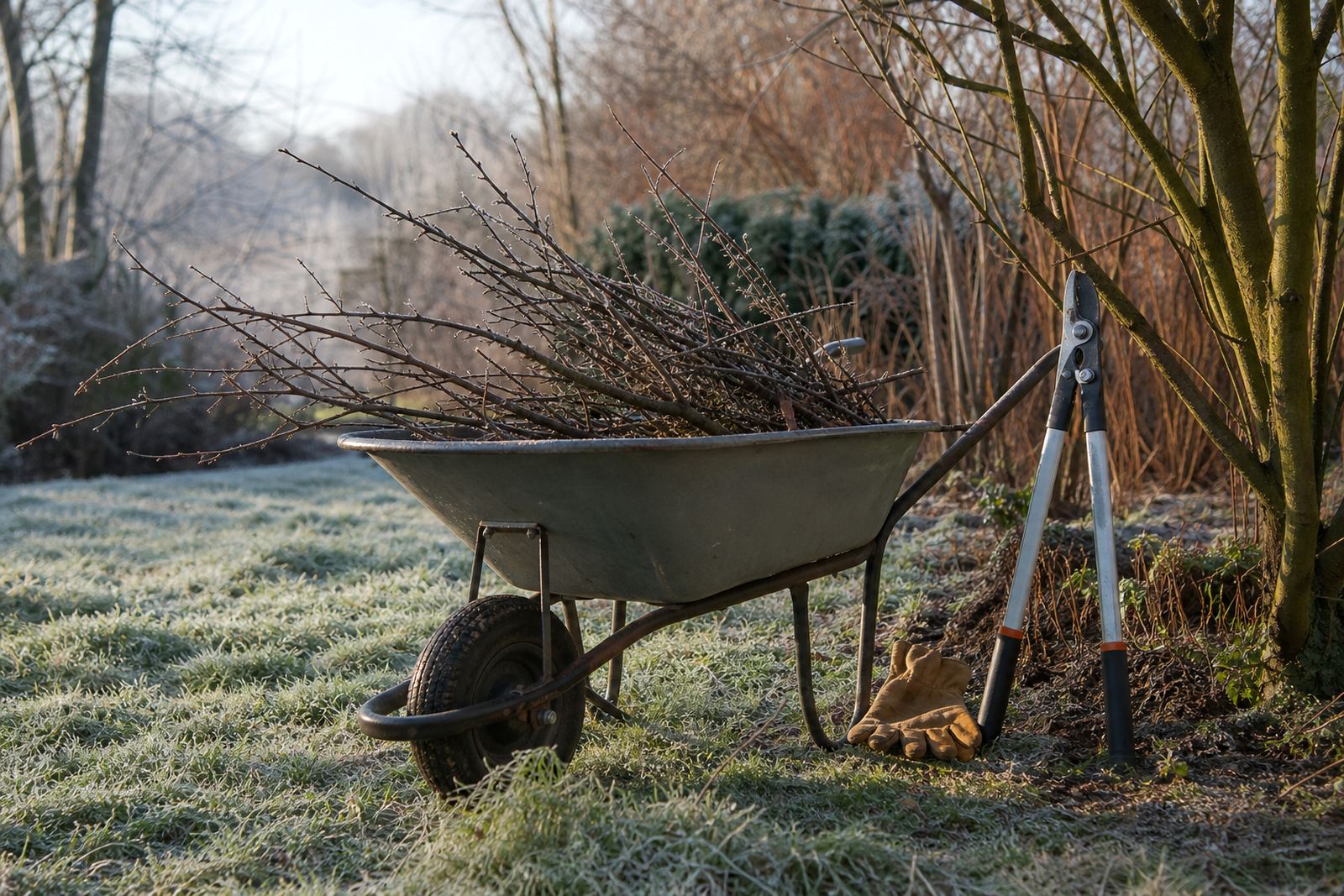
Good trimming starts with the right cutting tool. Thin green shoots can be handled with sharp pruning shears, while thicker stems need loppers for a clean cut without crushing the wood. For hedges or wider shrub masses, hedge tools help keep the line even, but they still need a light touch when used on indigenous plants.
Clean cuts heal better. Blunt blades tear bark and leave rough edges that can invite disease, especially in humid conditions or where morning dew hangs around after rain. If you are working in a yard in Hilton, Howick or along the coast, keep blades clean between plants so you do not spread fungal issues from one shrub to the next. If the tool feels stiff, hard to open, or leaves frayed ends, it is overdue for servicing.
- Use shears for soft stems and small branches up to about 10 mm.
- Use loppers for thicker stems that need extra leverage.
- Reserve hedge tools for shaping, not for hacking back heavy wood.
- Check pivots and springs before starting a larger job.
Read the plant before you cut
Every shrub grows differently, even within the same species. Some flower on old wood, some on new growth, and some form a naturally rounded shape that only needs a light tidy. Before you start, look for where the flowers are made, where the strongest stems come from, and which branches are shading the centre.
A practical rule is to trim with the plant's habit, not against it. If the shrub arches naturally, let it arch. If it grows upright and tight, keep the vertical form but remove congested side shoots. In many suburban gardens around Pietermaritzburg, people trim indigenous shrubs as if they were formal box hedges, then wonder why the plant looks stripped. A better result comes from following the plant's own growth pattern.
- Identify flower buds before cutting if the shrub is in season.
- Do not remove more than a third of the plant at one time.
- Thin the inside first, then tidy the outside.
- Avoid shearing every branch to the same length.
Best timing for local conditions
Timing matters because indigenous shrubs respond to temperature, moisture and light. In many parts of South Africa, late winter into early spring is a good time for a light shape-up, while after flowering is often safer for shrubs that bloom on older growth. Summer trimming can be useful for controlling fast growth, but during heat waves or windy spells, fresh cuts dry out fast.
In coastal towns, watch the weather after trimming. A hot north-westerly can dry cut tips within hours. Inland, a cold snap after pruning can slow recovery. If your garden has load-shedding related watering interruptions, plan trimming for a day when you can water lightly afterwards if the soil is dry. The point is not to force a fixed calendar, but to work with the plant and the season.
- Trim after flowering when possible.
- Avoid cutting on very hot, windy afternoons.
- Check for dry soil before you prune.
- Leave a few weeks before fertilising heavily.
A Pietermaritzburg example from a mixed garden
In Mkondeni and the older suburbs around Pietermaritzburg, it is common to see indigenous shrubs planted along boundary walls, driveways and front verges. One typical job is a mixed border where a homeowner wants cleaner lines without losing the soft, local character of the planting. The shrubs may include flowering species near the gate, denser evergreen forms along the fence, and a few younger plants filling gaps.
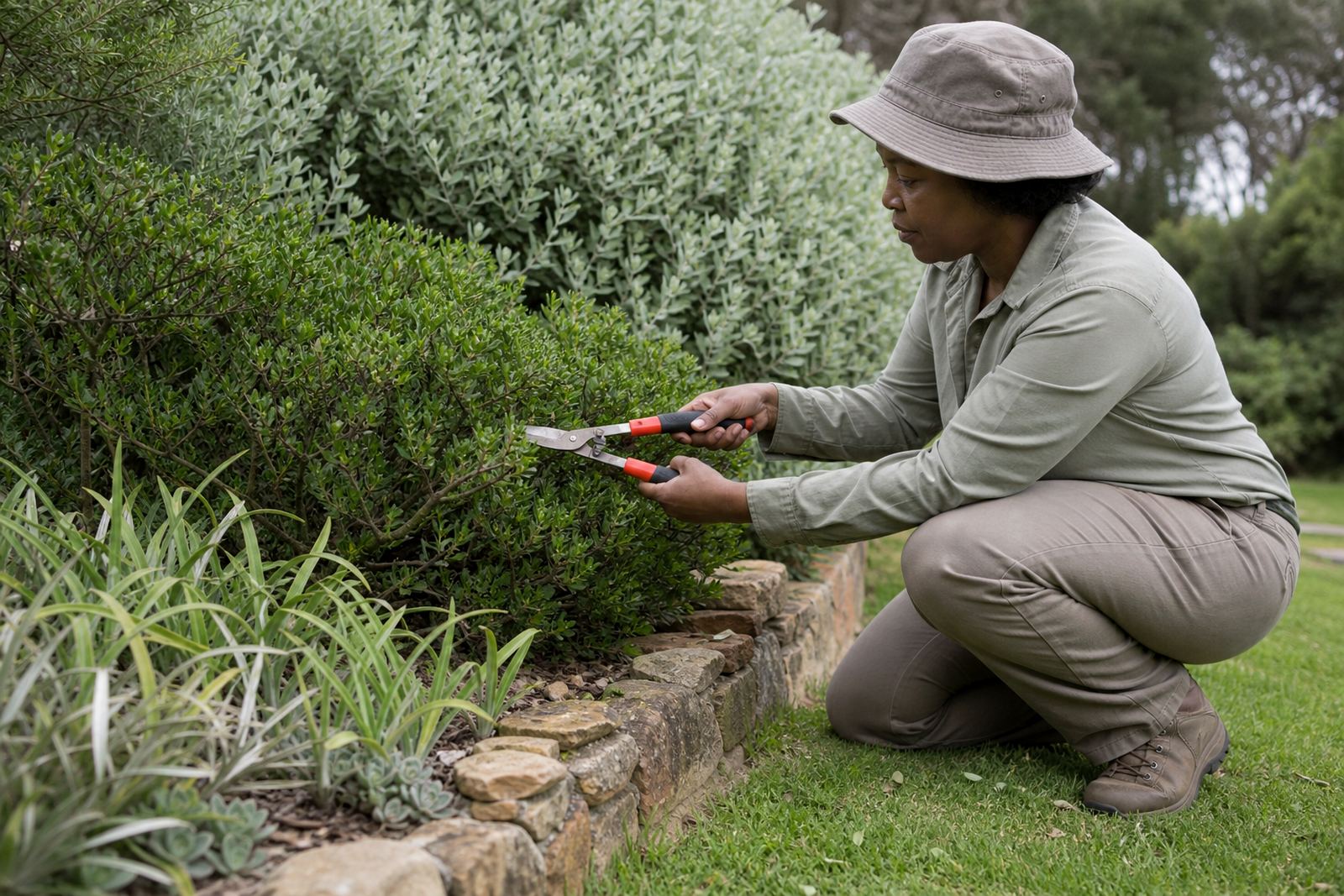
The practical approach is simple: remove dead twigs, raise low branches that block access, and shorten the longest shoots by a small amount. On the fence line, a lopper can take the thicker strays while shears tidy the tips. If one side gets more sun, it may grow faster and need a slightly stronger cut, but the overall shape should still read as natural. The best result is a garden that looks cared for, not clipped into submission.
- Work section by section so you do not overcut by mistake.
- Keep pathways and gates clear without flattening the shrub's form.
- Use cuttings to judge how much growth you are removing.
- Stop before the plant starts looking hollow from the outside in.
Aftercare that keeps the shrub healthy
After trimming, the plant needs a bit of support. Clear away debris from the base so pests and fungal spores do not sit in the mulch. Water the root zone if the soil is dry, but do not flood it. If the shrub was heavily infested with dead wood, inspect the remaining stems over the next few weeks for signs of dieback or poor regrowth.
Tool care matters here too. Resin, sap and fine dust build up fast, especially after a long day in hot weather. Wipe blades, remove rust early, and check the pivot so the next cut stays smooth. A seasonal servicing routine for shears, loppers and hedge tools saves time and gives neater results. It also reduces hand strain, which matters if you manage larger gardens or a small landscaping crew.
- Remove clippings from around the base.
- Keep an eye on new shoots for the first month.
- Sharpen blades before the next heavy pruning day.
- Replace worn grips or springs before they fail.
When to call in a careful tool service
Some shrubs only need a quick home tidy, while others need a more disciplined approach after a season of fast growth. If your tools are pinching stems, leaving ragged cuts or making the work slower than it should be, get them checked. Blade sharpening, spring replacement, pivot adjustment and rust removal can make a very real difference to the finish you get on indigenous shrubs.
For home gardeners and landscapers working across Pietermaritzburg, Durban, Johannesburg, Pretoria, Cape Town and Gqeberha, the same rule applies: clean cutting tools help preserve plant health and make the job easier on the hands. Cut Tools Garden supports that work with pruning shears, loppers and hedge tools suited to local conditions, plus servicing that keeps them ready for regular use.
When you trim indigenous shrubs with care, you keep the garden's local character intact while making the space tidier and easier to manage.
- Book tool inspections before the busy growing season.
- Service equipment after rust, stiffness or poor cutting starts.
- Keep one set ready for fine work and another for heavier cuts.