Why one heavy cut can set a hedge back
When a hedge has been left for too long, the natural reaction is to cut it right down and start over. In many cases that does more harm than good. A heavy haircut can expose inner stems to harsh sun, leave bare patches and force the plant to push new growth from places that are not ready to carry it. In hot inland areas like Pietermaritzburg and Durban, that stress can show up quickly, especially on hedges planted along walls, driveways or boundary fences where heat builds up.
Staged trimming is a safer method. You reduce the height and width in steps, then let the hedge recover before the next cut. This approach is kinder to the plant and easier to manage for homeowners, body corporates and landscapers who need a tidy result without risking dead sections. It also gives you time to see where the hedge is thin, where pests may have settled and whether the roots are still feeding evenly.
For many South African gardens, this slower method is simply more practical. Load-shedding schedules, weekend gardening time and wet summer growth all play a part. You want a plan that can be done properly, not rushed through with blunt blades and too much force.
Start by reading the hedge before you cut
Before any trimming begins, look closely at the hedge from top to bottom. Check whether the base is still leafy, whether there are dead interior branches and how far the hedge has moved outside its original line. If the bottom is bare, avoid cutting the top too hard. Keeping some upper cover helps shade the lower growth while it recovers.
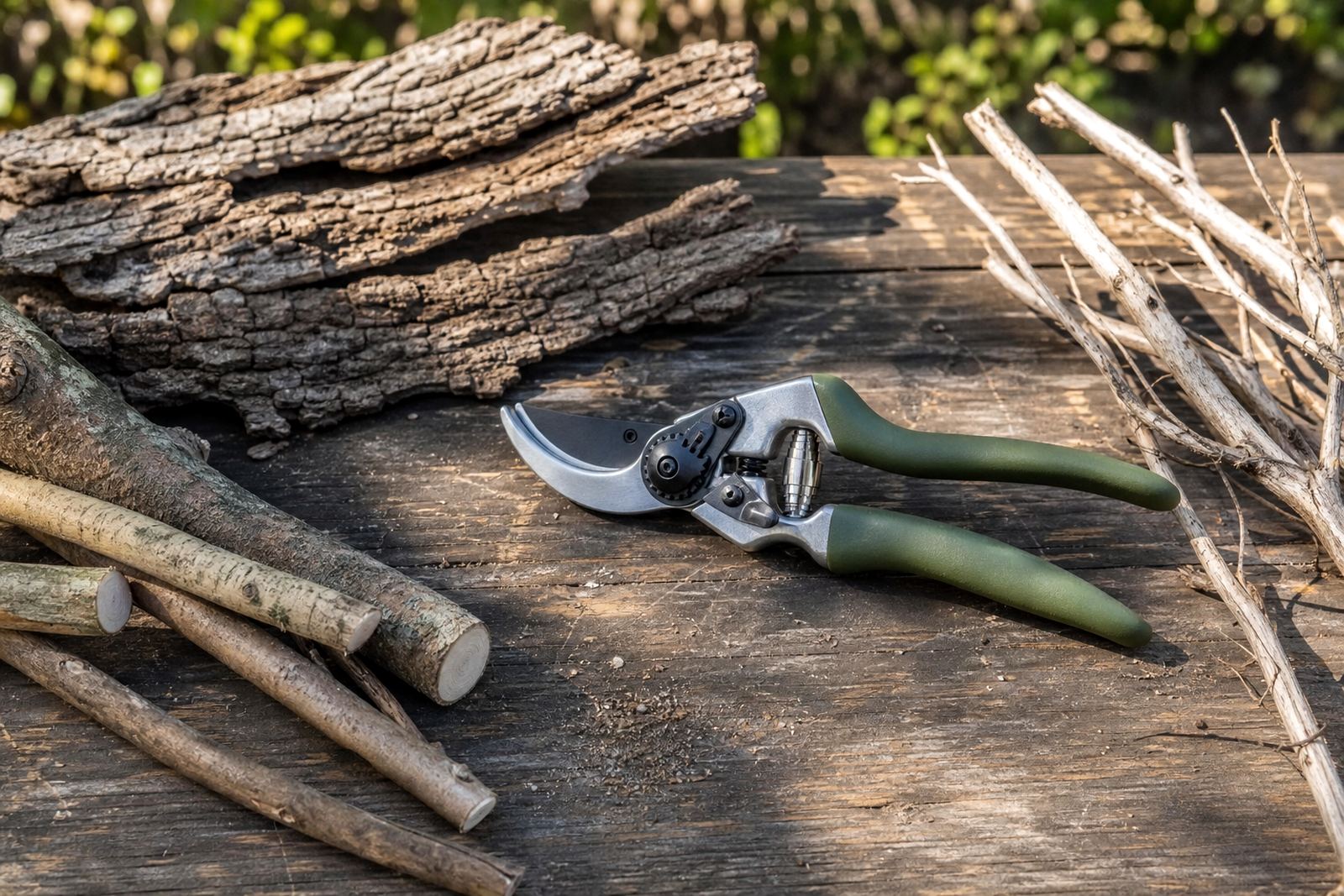
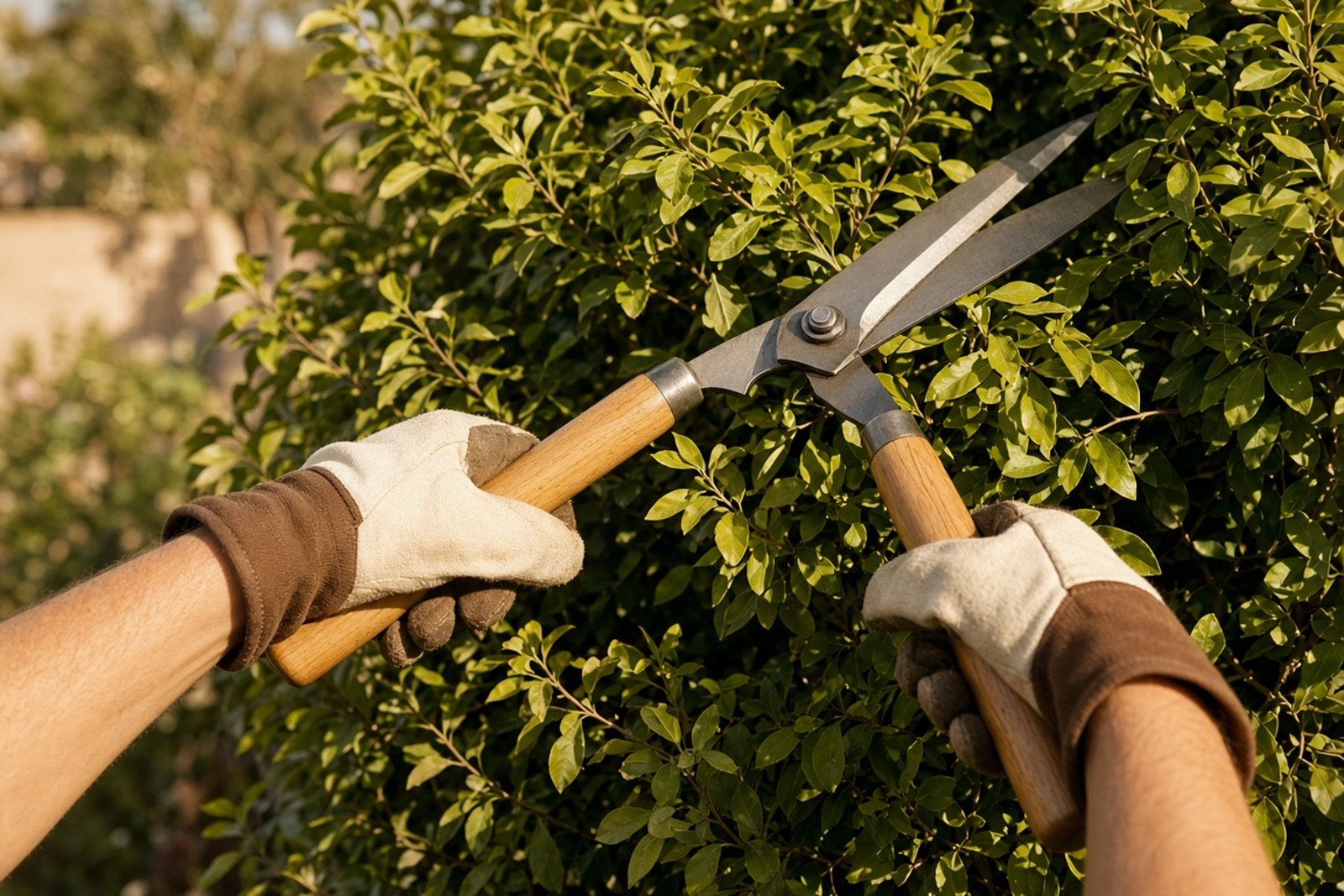
It also helps to choose the right tool for the job. Thin soft growth can be shaped neatly with hedge tools. Thicker woody stems may need loppers. Smaller detailed work near gates, paths and corners is better handled with garden pruning shears. Good grip and balanced weight matter too, because a hedge job can take longer than expected, especially when the line of the hedge runs for many metres.
- Step back every few minutes and check the hedge from the street side and the garden side.
- Trim only one section at a time so you can keep the shape consistent.
- Remove dead, split or crossing stems first before shaping the outer line.
- Keep the top slightly narrower than the base so light reaches the lower growth.
If the hedge is very old or has been neglected for years, do not try to fix everything in one afternoon. A measured approach gives better long term results and keeps the work manageable.
A three stage trimming plan that works
A practical recovery plan usually begins with the tallest parts. On the first pass, reduce the height a little and take back the outer sides only as far as needed to restore clear boundaries. Leave enough leaf mass for the plant to keep feeding itself. After a few weeks, once new growth has started, make the second pass to refine the shape and close any uneven sections. A third light trim can be done later to finish the profile and neaten the edges.
This method is useful for hedges along pavements, driveway entries and property lines where municipal neatness matters. In suburbs across Durban, Johannesburg and Pretoria, a hedge that stays within the boundary and off the path avoids complaints and keeps access clear. In coastal areas like Gqeberha, it also helps when wind and salt air dry out the outer leaves, because the plant is not being forced to recover from every side at once.
Timing is important. Early morning or late afternoon is better than the hottest part of the day. If you trim in dry weather, water the hedge after the cut so it is not under extra strain. Avoid a deep cut just before heavy rain, because soft new growth can be damaged by waterlogged soil and breakage.
Tools that make a difficult hedge easier to manage
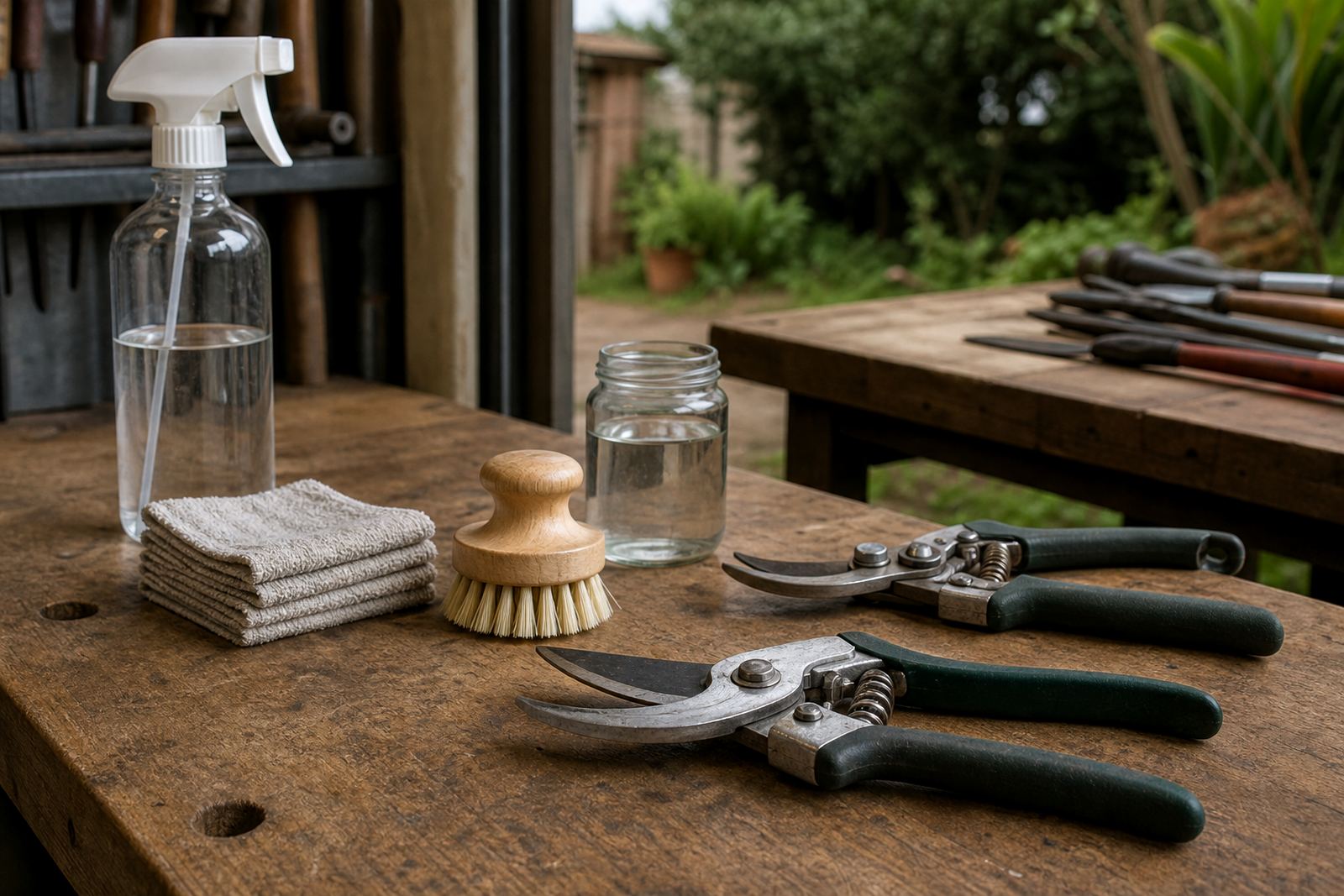
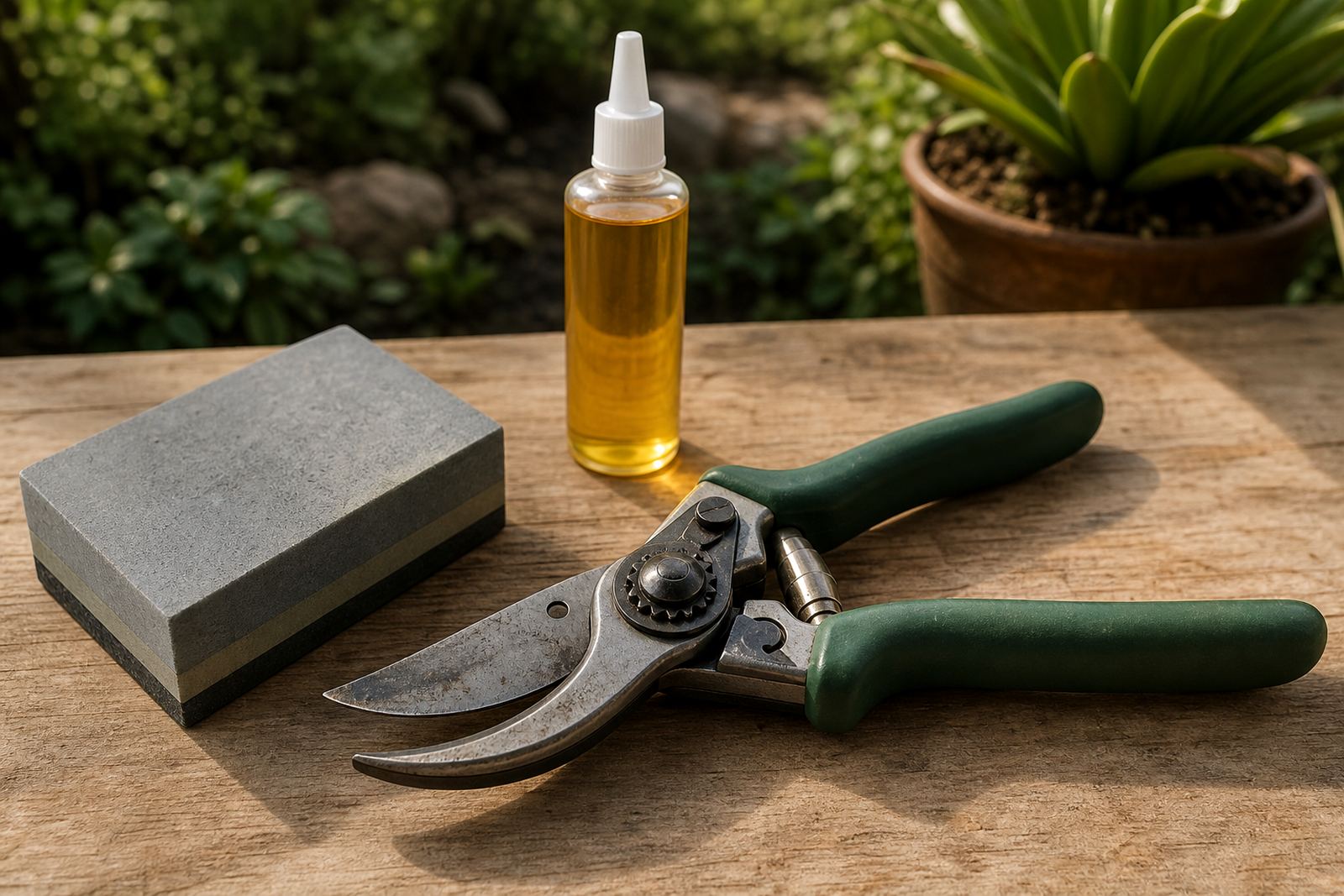
Reviving an overgrown hedge is less tiring when the tools are sharp, clean and suited to the stem size. Blunt cutting edges crush rather than slice, and that can leave ragged ends that dry out. A proper blade sharpen, a check on pivots and a clean grip can make a noticeable difference. If your hedge work is spread over more than one day, keep tools dry and wiped down to reduce rust, especially in humid coastal weather.
For larger properties and landscapers, it is worth keeping a simple tool care routine in place. That includes checking springs, replacing worn grips, removing sap build up and adjusting pivots before they become stiff. A hedge tool that binds halfway through a job slows everything down and can make the finished line uneven.
- Sharpen cutting edges before major hedge work begins.
- Clean sap and dirt off blades after each session.
- Check handles and grips for wear, especially on older tools.
- Replace weak springs or loose fittings before they fail mid job.
For teams handling multiple gardens in Pietermaritzburg or further afield, scheduled servicing keeps tools ready for the next round of work and helps reduce downtime.
When a hedge needs restoration rather than routine shaping
Some hedges are simply overgrown. Others are struggling. If you see large dead sections, insect damage, rusted stems or severe unevenness, the hedge may need more than shaping. In that case, cut only what the plant can support and allow time for recovery between passes. You may also need to open the centre slightly so air can move through the hedge and reduce disease pressure.
A local example is a boundary hedge in Mkondeni that had grown well beyond shoulder height after a wet summer and a busy few months on site. The first cut brought the line back inside the boundary, the second trimmed the height by another small step and the final pass cleaned the face without stripping too much foliage. It took patience, but the hedge filled out again instead of collapsing into a row of bare sticks.
That sort of result is exactly why staged trimming suits South African conditions. Gardens here are not all the same. Some are exposed to sea breeze, some sit in dry inland heat, and some are shaded by older trees that change how a hedge grows. A good plan respects those differences.
A safer way to bring order back to the garden
Reviving an overgrown hedge is really about restoring structure without forcing the plant to do too much at once. With the right sequence, the hedge looks tidier after each session and the growth stays healthier. Home gardeners get a neater boundary. Landscapers get a more reliable finish for clients. Either way, the job is far easier when the tools are in good condition and the cutting plan is sensible.
Cut Tools Garden in Pietermaritzburg supports that kind of work with pruning shears, loppers and hedge tools suited to everyday garden maintenance and larger property care. The team also handles servicing and repairs such as blade sharpening, spring replacement, grip replacement, rust removal and pivot adjustment so tools stay ready for the next hedge job. If you are planning a recovery cut, a proper service before you begin can save time and frustration later on.
For hedges that have run wild, the goal is not speed. The goal is a clean recovery that lasts through the next season and beyond.