What an anvil cutter is best at
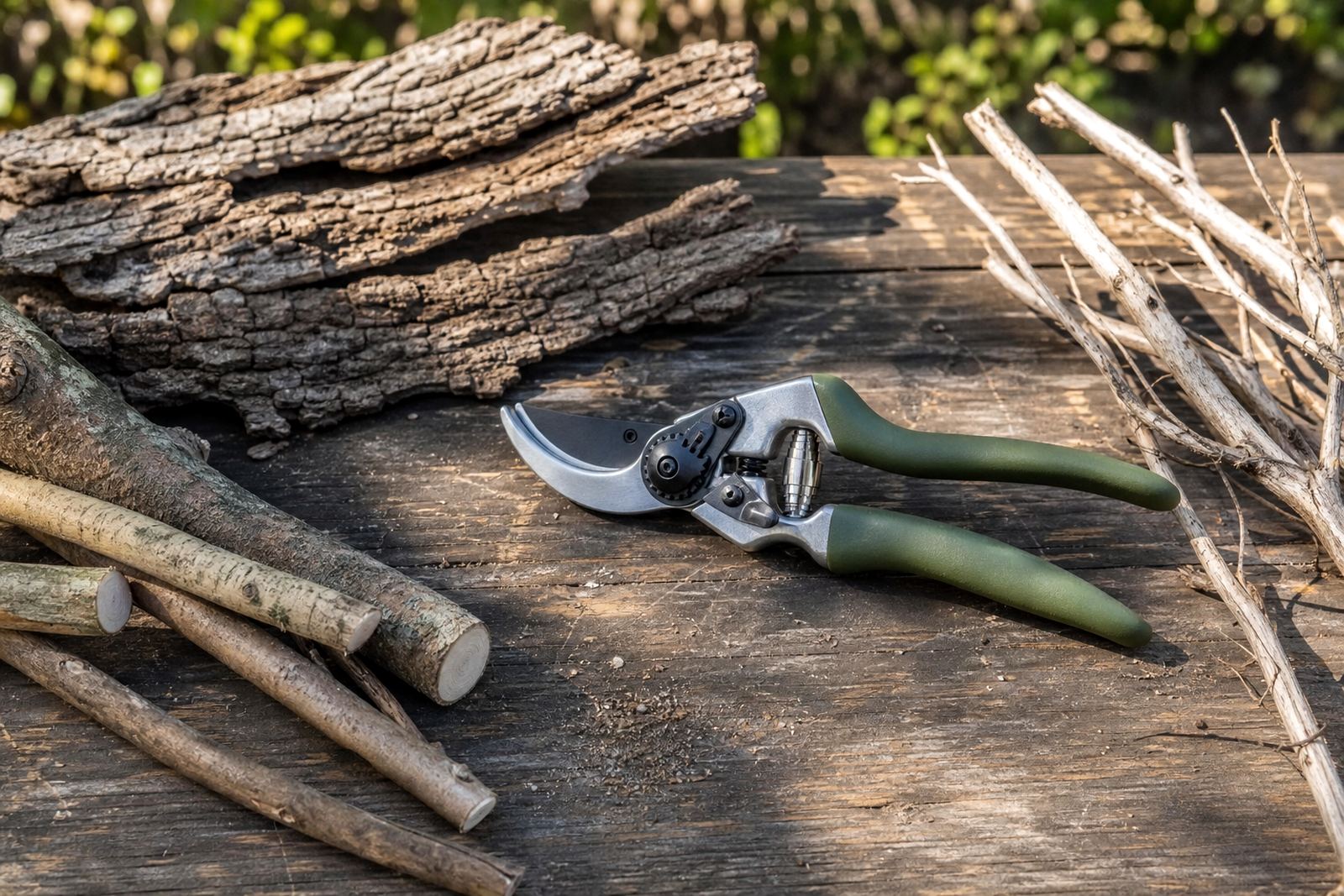
An anvil cutter works by bringing a sharp blade down onto a flat metal base, or anvil. That action is different from bypass cutters, which slide past each other like scissors. The anvil design is better suited to harder, dry stems where a clean slice is less important than getting through thick, tough growth with less effort.
In Pietermaritzburg and the wider KwaZulu-Natal midlands, many home gardens carry a mix of soft summer growth and older woody stems from shrubs, bougainvillea, lavender, jasmine and overgrown hedging. An anvil tool can handle the firmer parts neatly, especially after winter or a dry spell when stems are less sappy.
- Best for dead or dry wood
- Useful on tougher, older stems
- Good for pruning back dormant growth
- Handy where extra cutting force is needed
When to choose anvil over bypass
The simplest test is the plant material itself. If the stem is soft, green and living, bypass is usually the safer choice. If the stem is dry, hard or already dead, anvil cutters may be the better fit. They are also useful when you want a tool that can bite through thicker material with less squeeze from the hand.
For landscapers working across Durban, Johannesburg or Pretoria, this matters on jobs where a crew is cutting back tired hedge sections, clearing storm-damaged branches or tidying mixed shrub beds. The wrong tool can bruise stems and slow the team down.
- Choose anvil for dry, woody or dead material
- Choose bypass for live stems and finer pruning
- Use anvil where grip strength is limited
- Avoid using it on soft green growth if a bypass tool is available
Signs the tool will suit your garden work
If you spend more time clearing old growth than shaping tender shoots, an anvil cutter may be the practical option. It is also worth considering the size of the stems you cut most often. A tool with a wider jaw and firm handle action can make a real difference when you are working through thicker branches on a property in Howick, Hilton or even a coastal garden in Gqeberha where salt air can speed up wear on metal fittings.
Comfort matters as much as cutting power. Look for handles that sit well in the hand, secure grips and a pivot that does not wobble. In areas where load-shedding interrupts routine maintenance, a tool that stays sharp and stores well between uses is useful because it is ready when the light and timing are right.
- Frequent pruning of old shrubs
- Cutting dry stems after a long hot season
- Need for a firmer, less tiring cut
- Preference for simple, low-fuss maintenance
What to check before you buy
Not every anvil tool is made for the same job. Check the blade width, the lever action and the size of the opening. A good tool should feel controlled, not clumsy. You should be able to line up the stem easily and cut without forcing the handles apart too far.
It also helps to look at the finish on the blade and the anvil surface. A smooth cutting edge and a clean contact point will reduce snagging. For gardeners in humid coastal areas, rust resistance is not a bonus, it is a basic requirement. If the tool is going into regular use, ask whether spare parts and servicing are available locally.
- Blade sharpness and edge quality
- Handle comfort and grip security
- Cutting capacity in millimetres
- Ease of cleaning, sharpening and adjustment
- Resistance to rust in humid or coastal conditions
Common mistakes to avoid
The biggest mistake is using anvil cutters on soft live stems and expecting a neat finish. That can crush the tissue and leave the plant looking ragged. Another common error is letting sap, dirt and rust build up on the blade and anvil. Once that happens, the cut gets harder and the tool starts to drag.
It is also worth not overworking a smaller tool. If the stem is too thick for the cutter, do not keep squeezing harder. That can bend the blade, loosen the pivot and strain the hands. A better approach is to match the tool to the task and keep a separate pruning saw or larger cutter for the heavier jobs.
- Do not use on soft live growth unless needed
- Do not force cuts beyond the rated size
- Do not store dirty tools after use
- Do not ignore loose pivots or damaged grips
A practical local example from the Midlands
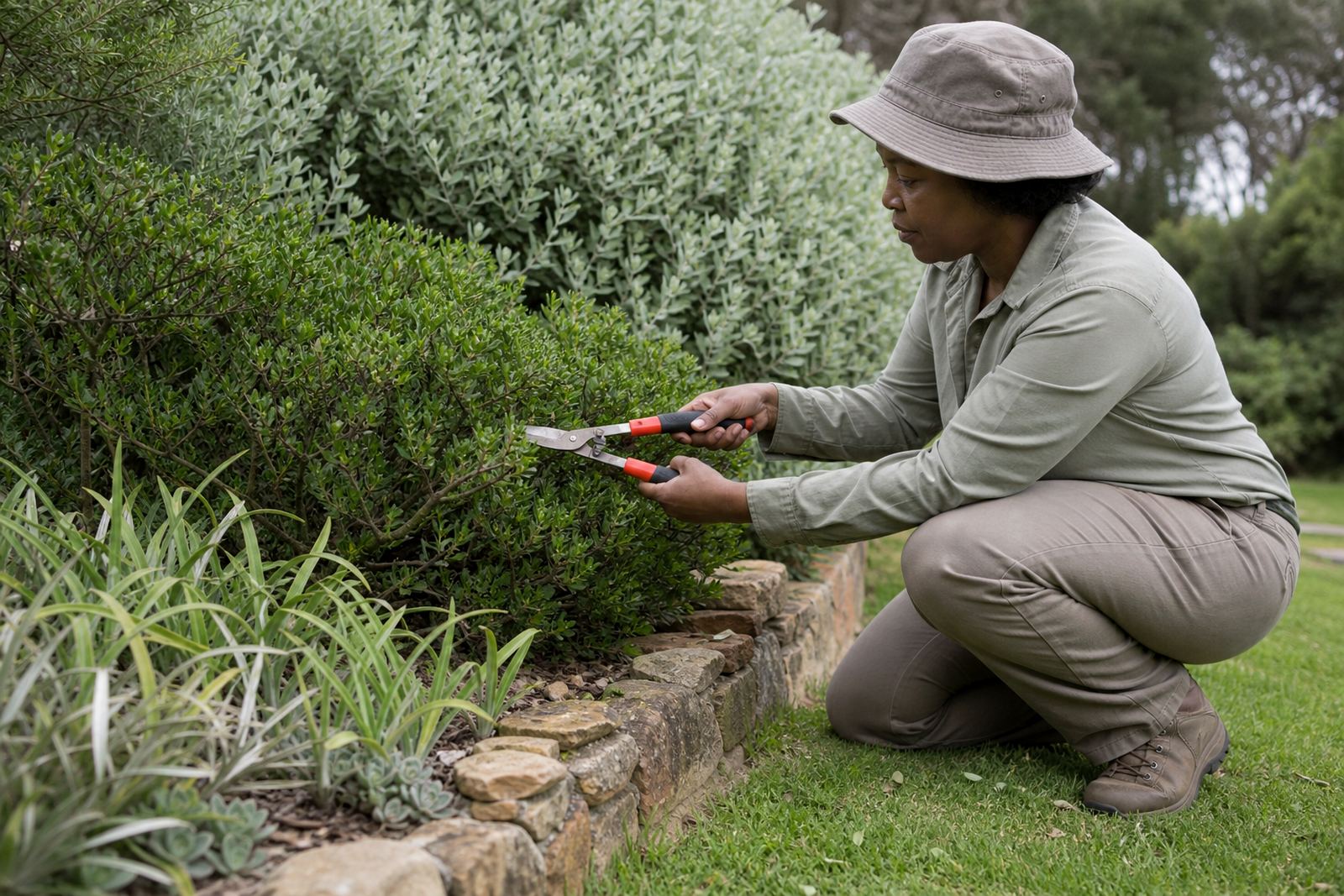
A homeowner in Pietermaritzburg may be cutting back dry stems along a boundary hedge after winter. The hedge has a mix of woody sections, a few dead twigs and some newer green tips. In that case, an anvil cutter is ideal for the dry and woody parts, while a bypass tool can be kept nearby for the fresh growth. That kind of split approach saves time and gives a neater finish.
For a landscaper handling multiple sites from Durban to Cape Town, the same logic applies. One tool will not suit every stem. On commercial maintenance rounds, having the right cutter for dry wood means less fatigue, fewer damaged blades and better turnaround on the day. The main thing is to inspect the tool before the job and keep it clean after, especially where dust, salt and moisture all come into play.
- Use anvil cutters for the rougher, drier parts first
- Keep a bypass tool for fresh stems and shaping
- Clean off sap and soil after each use
- Check pivots and springs before the next round
Keeping the cutter working properly
Good maintenance makes an anvil tool last longer and stay safer to use. Blade sharpening, pivot adjustment and rust removal are not optional extras if the tool is used often. A dry cloth wipe after each job, a light clean when sap builds up and a check for worn grips all help. In busy landscaping operations, regular servicing keeps the fleet ready rather than waiting for faults to show up mid-job.
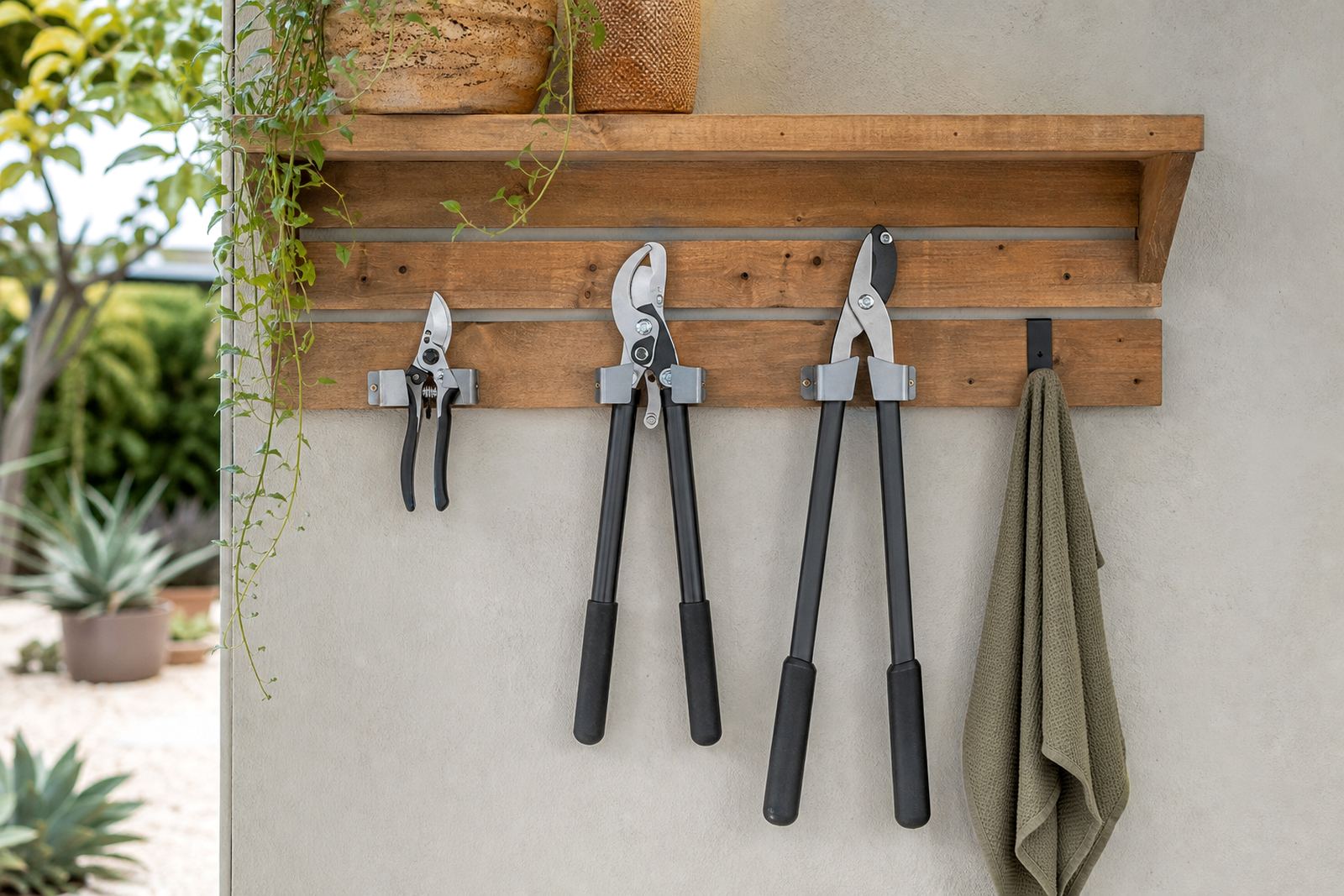
If you are buying for home use, think about where the tool will be stored. A dry cupboard or shed is better than a damp corner of the garage. If you are near the coast, a quick clean and dry-down matters even more. The right anvil cutter should feel steady in the hand, cut without too much effort and stay useful for many seasons when cared for properly.