Why clean tools matter after every cut
Garden hygiene is not only about neat borders and swept paving, it starts with the tools in your hand. Sap, soil, grass juice and fine plant debris collect on blades fast, and once that layer builds up the cut becomes rougher. That means more effort for you, more strain on the pivot and a higher chance of bruising stems instead of making a clean slice.
Dirty tools can also move problems from one plant to another. If you trim a sick hedge and then move straight to healthy shrubs, residue on the blades can carry fungal spores, bacteria or pests. In KwaZulu-Natal, where warm weather and humidity speed up plant growth, that risk can show up quickly after rain or heavy watering.
Good hygiene also helps in dry areas where dust gets into moving parts. A secateur that is wiped down after use is easier to open and close, and the springs and grips stay in better condition. That is money saved on servicing, and less frustration on a Saturday morning when the garden needs attention before the load-shedding slot ends.
A simple cleaning routine for pruning shears and loppers
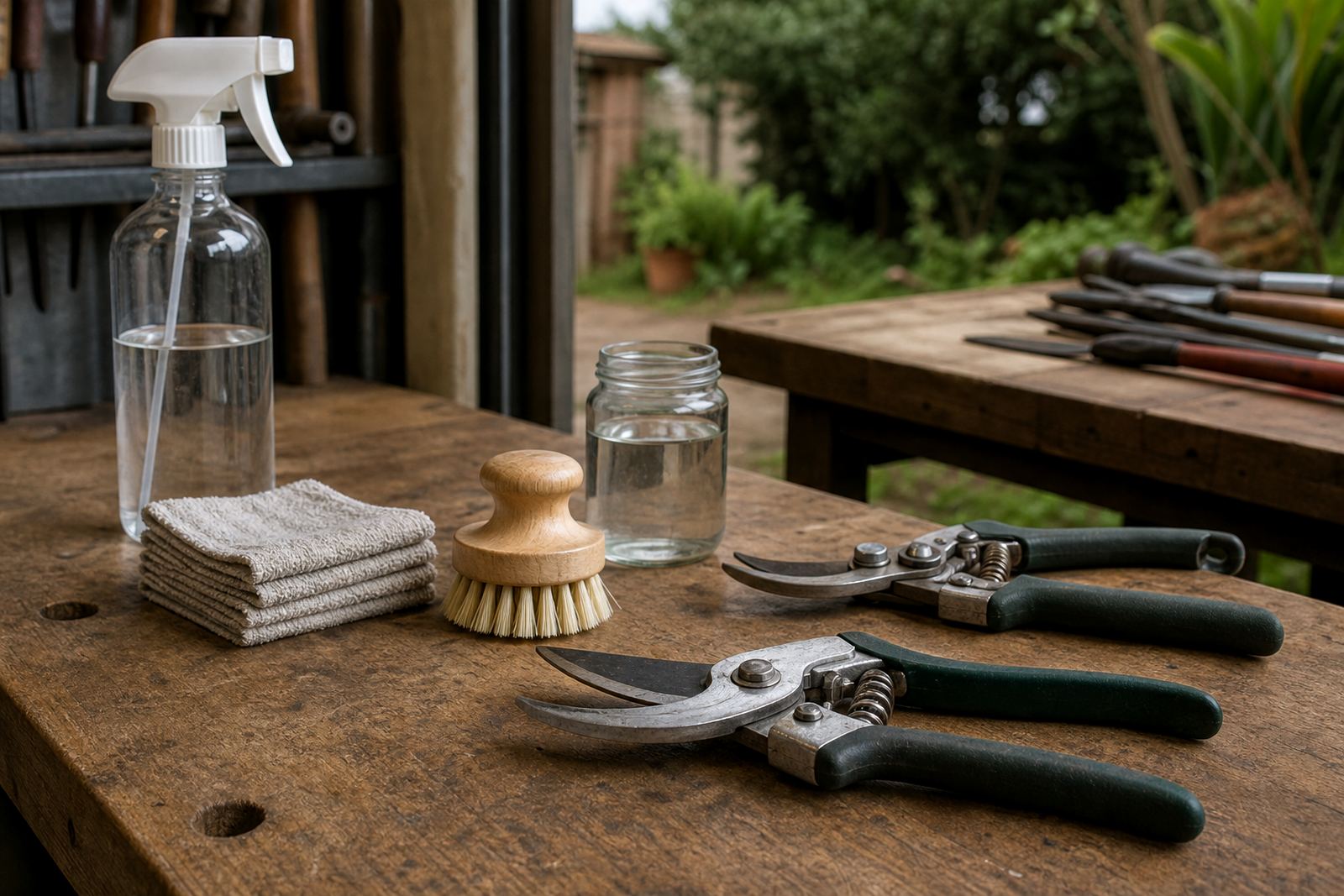
You do not need special equipment to keep garden cutting tools in usable shape. The main thing is to clean them as soon as practical after use, before sap hardens and dirt sticks into corners. For most home gardeners, a bucket of warm water, mild soap, a cloth and a stiff brush are enough for routine work.
- Wipe off loose soil and plant matter before washing.
- Use warm soapy water on blades, handles and the pivot area.
- Dry all metal parts completely to avoid rust marks.
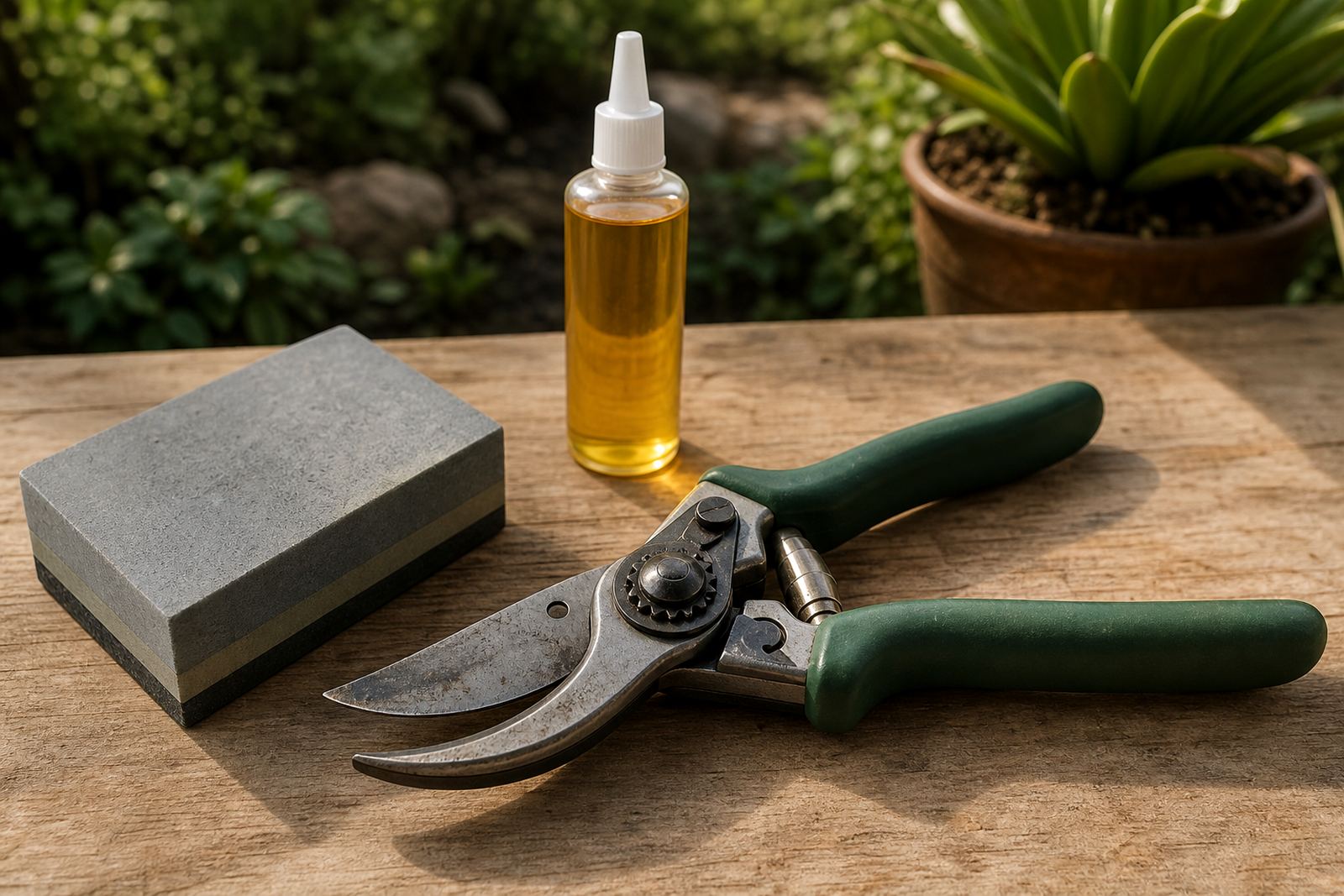
- Apply a light coating of oil to the blade and moving joints.
- Check screws, springs and grips while the tool is in your hand.
For heavier jobs, such as cutting back bougainvillea, lantana or thick hedge growth, wipe the blades between plants as well. That extra minute reduces sticky build-up and gives a neater cut. If you are working in coastal towns like Durban or Gqeberha, the air can hold enough moisture to speed up rust, so drying matters just as much as washing.
How to stop cross-contamination between plants
Cross-contamination sounds technical, but in the garden it is simple. A dirty blade touches one plant, then touches another, and whatever was on the first plant can travel with it. This is most important when pruning anything with cankers, leaf spots, mildew, die-back or unexplained damage.
A practical habit is to separate jobs by plant condition. Finish the unhealthy section first, then clean the blades before moving to healthy material. If you are unsure whether a plant is affected by disease, treat it as a risk and clean straight away. This is especially useful for landscapers working across several properties in Johannesburg, Pretoria or Cape Town, where one site may look healthy and the next one may be struggling after a heatwave or water restriction.
For busy teams, a quick wipe with disinfecting solution can form part of the handover between tasks. Keep the solution in a labelled container and use it carefully, because some liquids can be hard on handles or finishes if left on too long. Follow up with drying and a light oiling so the tool does not sit wet between jobs.
What sticky sap and rust do to cutting performance
Sap is one of the biggest causes of poor cutting performance. It creates drag, clogs the blade edge and makes the tool feel blunt even when it has been sharpened recently. Once that sticky layer hardens, it can trap dust and grit, which then scratches the blade and wears down the cutting surface faster.
Rust does similar damage over time. Small orange spots may seem harmless, but they can become rough patches that catch on soft stems. In humid areas near the coast, or in gardens where irrigation keeps tools damp, corrosion can show up quickly if the metal is not dried properly. A clean, lightly oiled blade will move through stems with less resistance and leave less crushing on the cut face.
- Sap build-up makes cutting heavier and less accurate.
- Rust creates rough edges that damage the blade edge.
- Grit in the pivot increases wear on springs and washers.
- Moisture left on the tool shortens the life of metal parts.
If a tool already feels sticky, do not force it through thicker material. Clean it first, then check alignment and sharpness before the next round of work. That small pause can prevent a bigger repair later.
Hygiene tips for home gardeners and landscapers in Pietermaritzburg
In Pietermaritzburg, gardens often mix lawn edges, fruit trees, hedging and flower beds in one yard. That means one set of tools can move from soft growth to woody stems and back again. A simple routine at the end of the day keeps the work manageable, especially when the weather turns damp after afternoon rain.
Home gardeners can keep a cloth and small brush in the same storage box as the tools. Landscapers should keep separate wipe-down materials in the vehicle so tools can be cleaned before the next site. For teams handling multiple properties, it helps to assign one person to final tool checks at the end of the shift. That person can look for sap, rust, loose pivots and blunt edges before tools go back into storage.
Local conditions matter too. In Mkondeni and the wider Msunduzi area, dust from loading areas and wet soil after storms can make tools grimy in one day. Along the coast, salt in the air adds another reason to dry and oil metal parts. Good habits are not complicated, but they do need to be regular.
When hygiene becomes servicing
Some cleaning jobs go beyond routine wiping. If a blade has deep sap stains, a stiff pivot, rust in the joint or a handle that feels loose, the tool may need proper servicing. That can include blade sharpening, spring replacement, grip replacement, pivot adjustment, rust removal, deep cleaning or parts fitting depending on what has worn out.
It is worth inspecting tools before the busy season starts, especially if you rely on them for hedge shaping or repeated pruning work. A cleaned and checked tool saves time on site and reduces the chance of an awkward cut caused by sticking or misalignment. For larger teams, fleet care plans can help keep several tools in regular working order without last-minute delays.
Cut Tools Garden supports home gardeners and landscaping crews across South Africa with practical tool care from Pietermaritzburg. If your pruning shears, loppers or hedge tools need attention, use the enquiry form on the contact page and arrange the next step from there.