Why coastal rust starts so quickly
In places like Durban, Gqeberha and other coastal towns, rust does not wait for neglected tools. Humidity puts moisture into the air, salt settles on metal surfaces, and a tool left in a shed or boot for one wet afternoon can start showing marks before the week is out. Even inland gardeners in Pretoria or Johannesburg can run into the same problem when tools are stored in cold garages, near sprinkler lines, or in damp garden stores after summer storms.
Cutting tools are especially exposed because they are used on sap, wet stems and soil. Once moisture sits in the pivot, spring or blade joint, corrosion begins. The first signs are often small brown spots, a sticky action, or a blade that no longer closes cleanly.
A simple cleaning routine after every use
The easiest way to reduce corrosion risk is to clean the tool straight after use, not later. A quick wipe removes sap, moisture and grit before they settle into the metal. For home gardeners, this takes less than five minutes. For landscapers working through a full day of hedging or pruning, it can save several pairs of shears from early wear.
- Wipe blades with a dry cloth before putting tools away.
- Remove sap with warm water and a little mild soap if needed.
- Dry the pivot and spring properly, not only the cutting edge.
- Brush off soil from handles and grip areas.
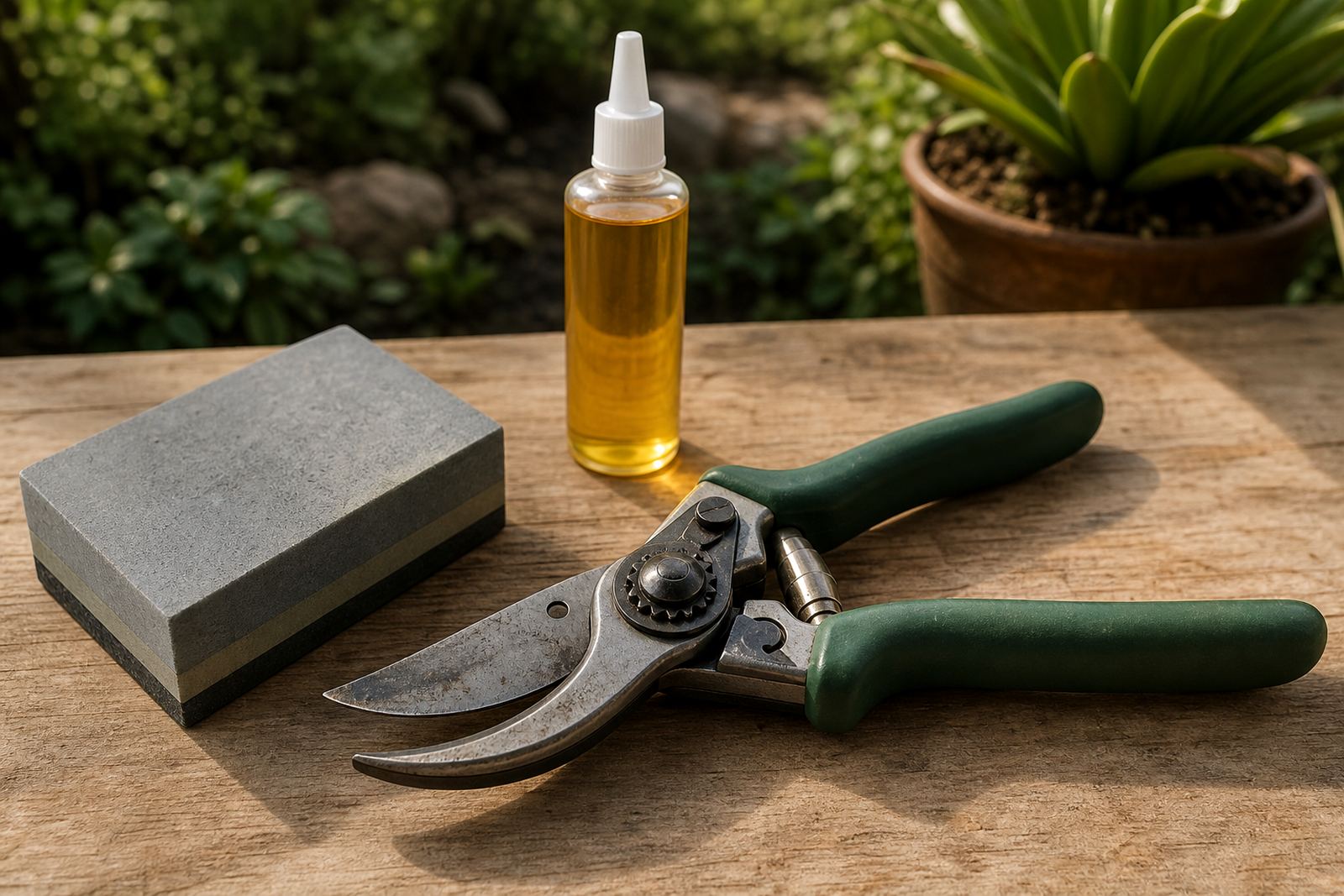
- Apply a light protective coating to bare metal after drying.
If a tool has been used near the coast, do not leave it sitting in the back of a bakkie overnight. That mix of damp air and sea salt is enough to leave a fine film that speeds up rusting.
Storage habits that help in humid weather
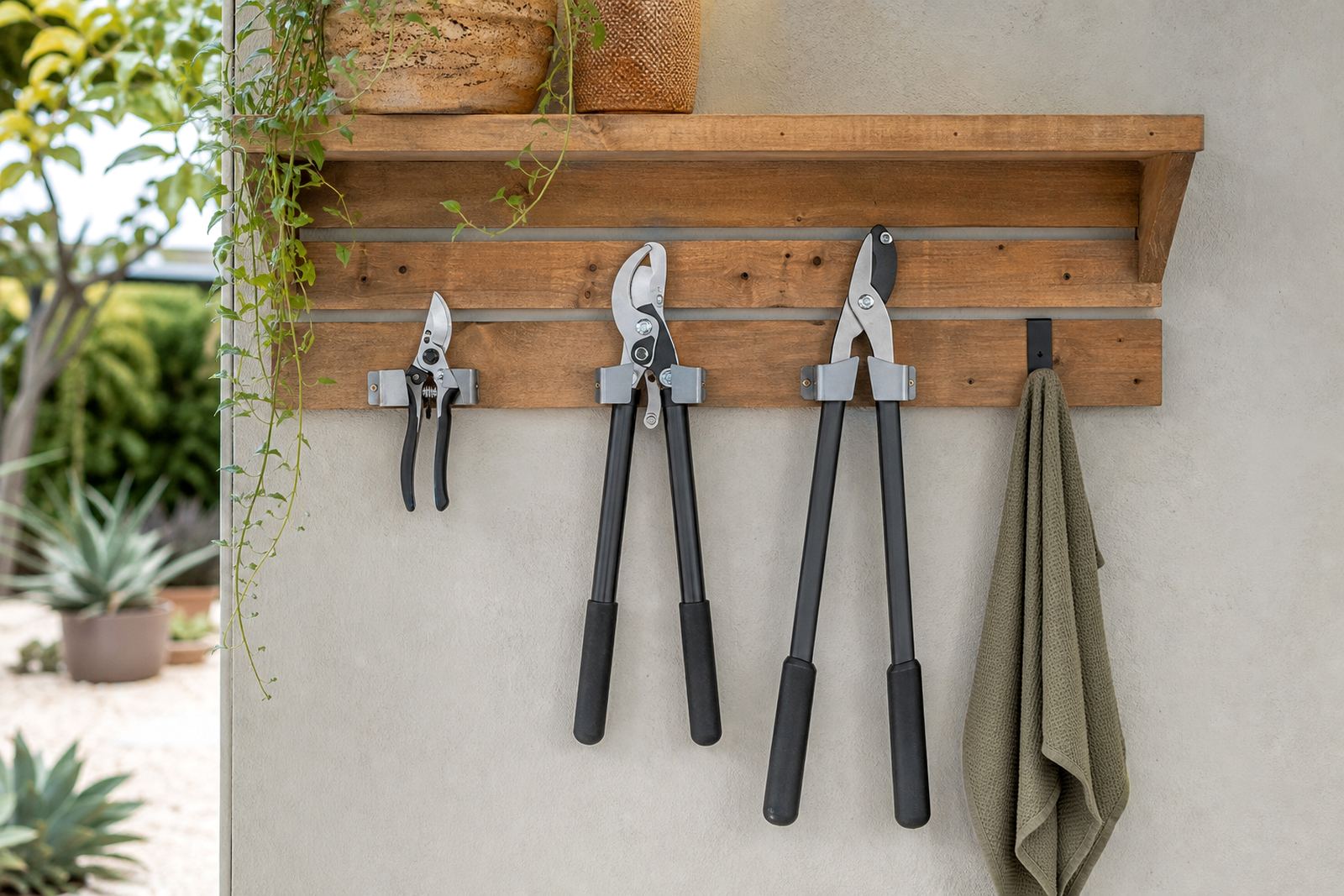
Storage matters just as much as cleaning. Many rust problems in Pietermaritzburg and the coastal belt start because tools are stacked in a wet corner, left in original packaging, or stored while still slightly damp. A dry hook on a wall, a ventilated cupboard, or a sealed container with moisture control helps more than most people expect.
Keep tools off the floor where water can creep in during heavy rain or cleaning. In KwaZulu-Natal, garages and garden stores can stay humid for long stretches, so air movement is useful. If your area has load-shedding and the garage stays shut for hours, check tools more often. A closed, warm space can still trap moisture if the tools were put away wet.
- Store tools in a dry place with some airflow.
- Do not leave steel blades touching wet rags or bags.
- Separate clean tools from compost forks, hoses and fertiliser containers.
- Use a cloth wrap or sheath only when the tool is fully dry.
What to check on pruning shears, loppers and hedge tools
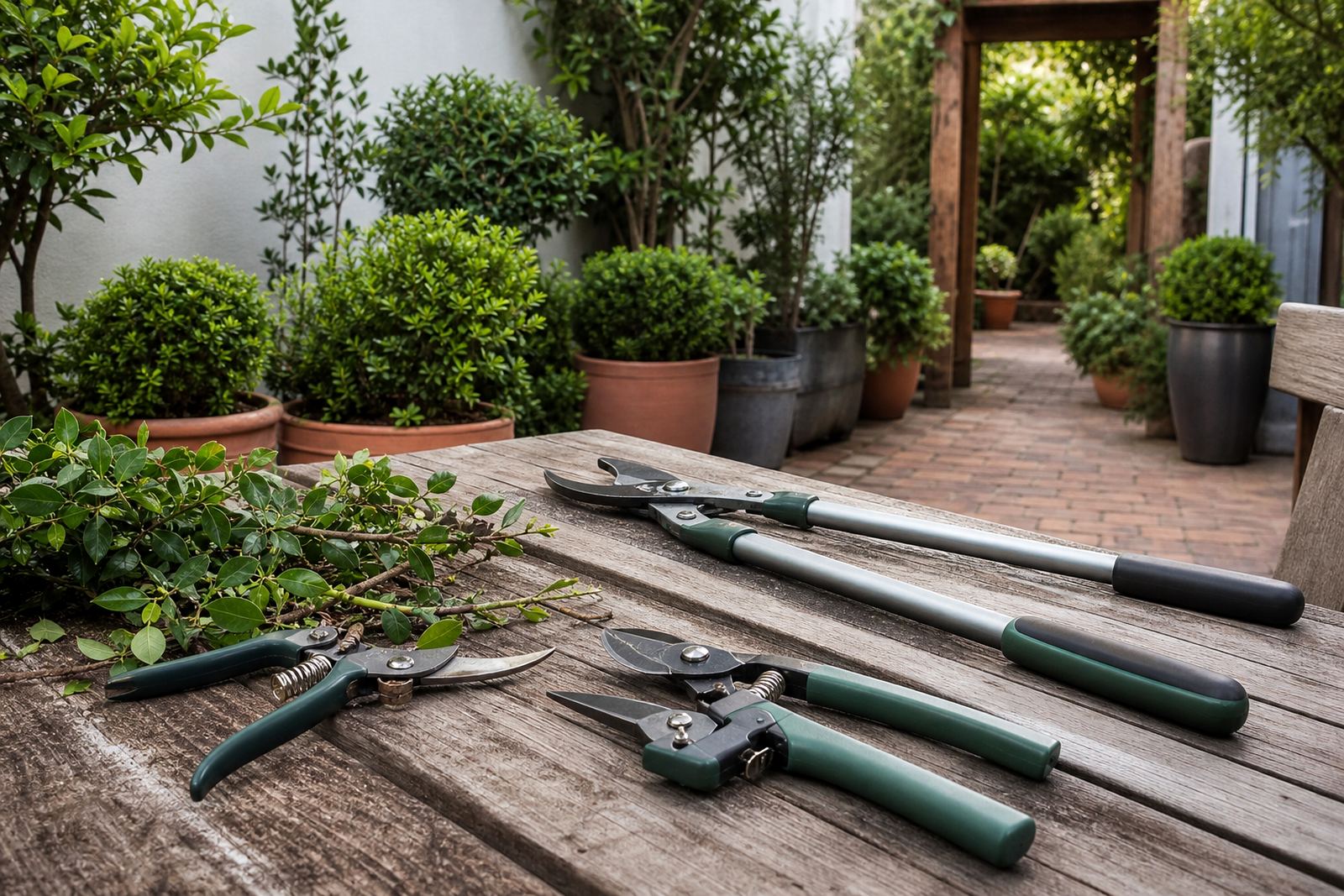
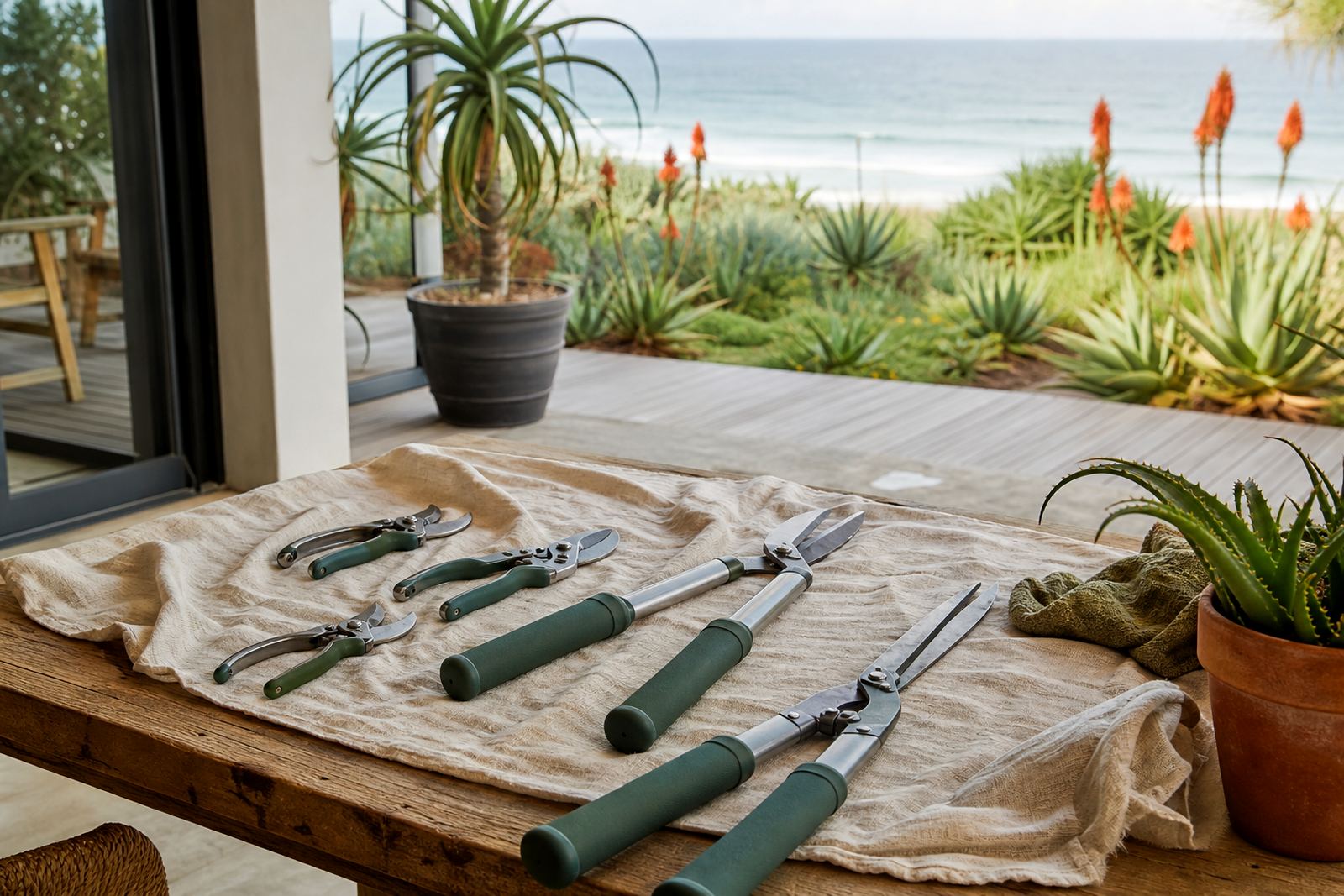
Different tools rust in different ways. Pruning shears usually show corrosion at the pivot, around the locking catch and near the blade edge. Loppers often pick up rust where the arm joins the cutting head and where the spring sits. Hedge tools collect moisture along long blades, especially if the user cuts wet hedging in the early morning.
When you inspect your tools, look for pitting, rough movement and any build-up that makes the cut less precise. A blade that feels stiff is often telling you that rust or sap has already moved into the mechanism. Early attention is cheaper than waiting for a full strip-down later on.
- Check the pivot for stiffness or orange staining.
- Look at the blade edge for tiny rough patches.
- Test the spring and locking catch for smooth action.
- Inspect handles for cracks that let moisture sit inside.
When servicing is the better option
Some rust is minor and can be managed at home, but once corrosion has reached the moving parts, a proper service makes more sense. If the tool is sticking, cutting unevenly, or leaving crushed stems, a basic wipe-down will not fix the problem. Servicing can include blade sharpening, rust removal, pivot adjustment, spring replacement, grip replacement and deep cleaning.
That is especially useful for landscapers who depend on the same set of tools every day. A well-maintained tool reduces hand fatigue and gives a cleaner cut on ornamentals, hedges and fruit trees. It also helps avoid extra strain when the weather is hot and the day is already long. For teams working across Durban, Hilton, Howick and surrounding areas, scheduled tool care can prevent a small rust issue from becoming lost time on site.
A local example from the coast
Consider a gardener in Durban North who trims hedges every second weekend and stores tools in a small outdoor cupboard. After a few wet weeks, the hedge shear blade starts showing brown marks and the handles feel slightly gritty. The problem is not misuse. It is the combination of salt in the air, damp storage and a tool put away before it was fully dry.
By changing three habits, the problem settles down: wipe the blades after each use, store the tool indoors or in a better-ventilated space, and inspect the pivot once a month. That small routine keeps the edge cleaner and the action smoother. It also means the tool is ready when the garden needs work, rather than sitting out of action while corrosion spreads.
A simple checklist for year-round rust control
If you want a practical routine, keep it short and repeatable. That is what works best for home gardeners and busy crews alike.
- Clean tools after use, especially after wet or salty conditions.
- Dry all metal parts before storage.
- Lubricate moving parts lightly.
- Inspect blades and pivots once a month.
- Book servicing when action feels stiff or cuts become rough.
With the right habits, coastal rust becomes manageable rather than costly. In South African gardens, from Pietermaritzburg to Cape Town and Gqeberha, a few minutes of care can extend the life of pruning shears, loppers and hedge tools by a long way.