Start with shape, not size
In a small garden every plant has a job to do, so pruning should protect shape first and height second. A compact hibiscus, lavender hedge or potted star jasmine can make a courtyard feel finished, but only if the growth is kept in balance. The aim is to let light in, keep paths clear and stop one plant from crowding out the rest.
For many South African homeowners, especially in Pietermaritzburg, Durban and coastal towns, humidity pushes growth faster than expected. That means light pruning every few weeks is usually better than one hard cut at the end of the season. If a shrub is leaning into a walkway or blocking a window, trim back to a side shoot or bud rather than shearing it flat.
- Remove crossed stems first so air can move through the plant.
- Keep top growth slightly narrower than the base for a cleaner line.
- Step back after each cut to check the shape from the side.
Choose the right tool for the space you have
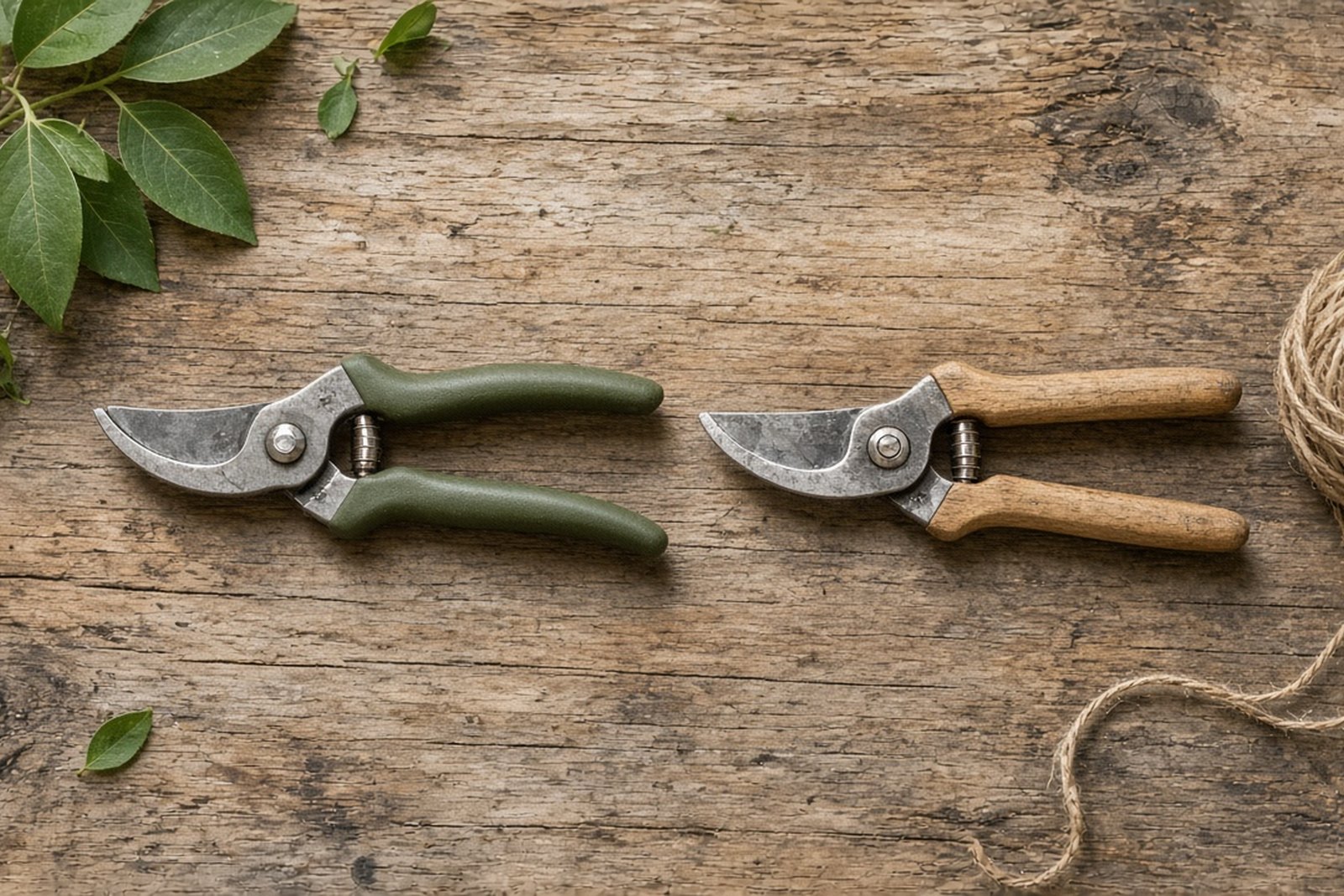
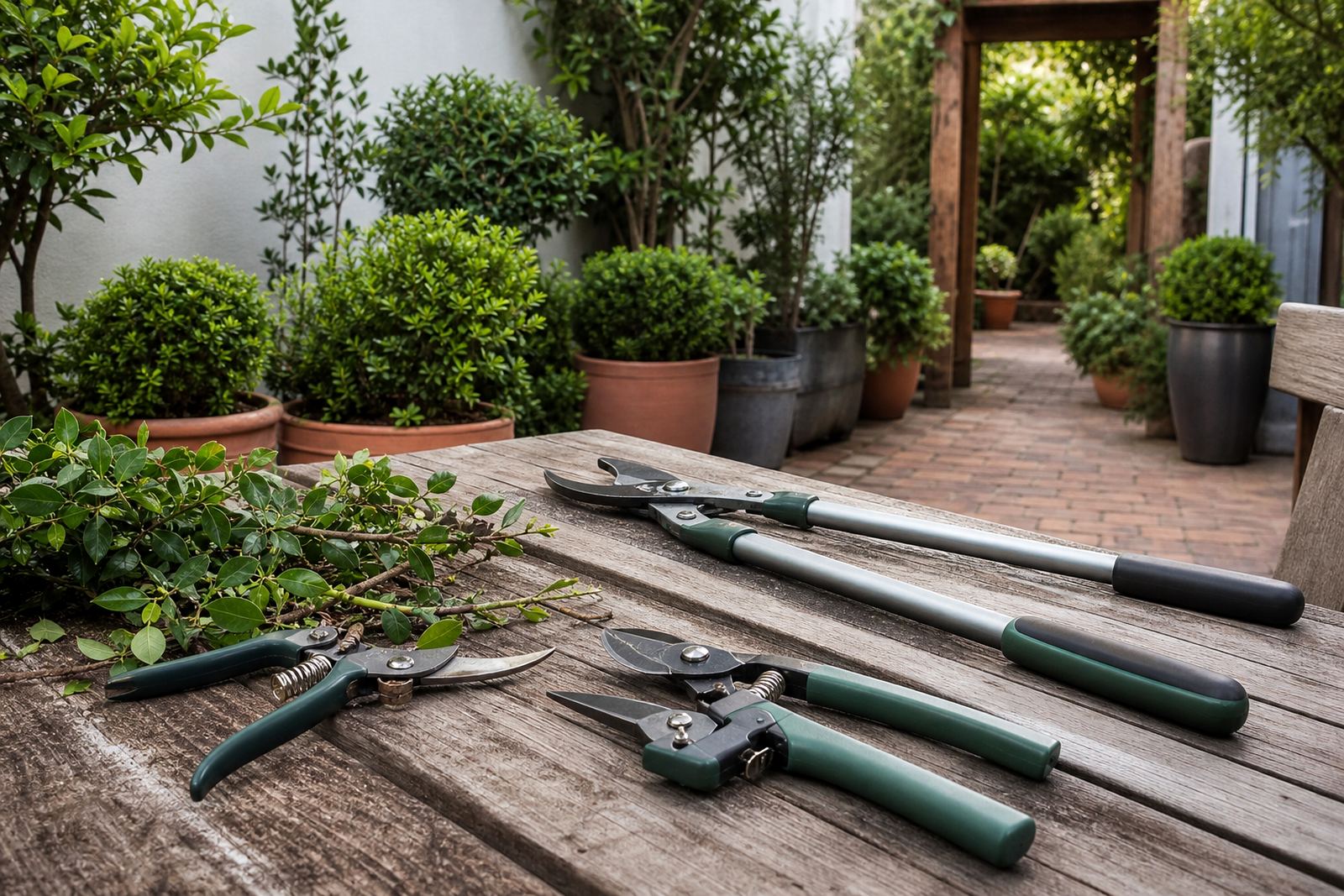
Small gardens are easier to manage when the tool matches the cut. Garden pruning shears work well for soft stems, dead flowers and light thinning. Loppers are better for thicker branches on small trees, fruit trees or woody shrubs. Hedge tools suit neat edges and regular shaping, but they should be used with care so you do not shave too much off in one go.
A short-handled tool can be easier on the wrists in tight areas like townhouse courtyards, especially where there are pots, paving and narrow side passages. If the blade is blunt, the cut crushes the stem instead of slicing it cleanly, which leaves the plant stressed and often looking untidy for weeks.
- Use shears for stems up to about pencil thickness.
- Use loppers for thicker growth that needs more leverage.
- Use hedge tools for straight lines, not for random branch removal.
Work around pots, paving and fences
Many small gardens in South Africa are built around paving, boundary walls and container plants. That changes the way pruning should be done. Instead of reaching deep into the plant and cutting everything back at once, trim from the outside in. This reduces damage to nearby flowers, irrigation lines and wall paint that can stain from sap or rust.
When working near fences or walls, keep your cuts angled slightly so rainwater does not sit on the cut surface. On coastal properties, salt air can speed up rust on metal tools and also dry out exposed stems. Wipe blades after use and store them indoors if possible, especially during wet months or when load-shedding means you may not be able to do a full clean-up after dark.
- Lay a bucket or tray nearby for clippings so they do not blow into drains.
- Use a hand brush to clear leaves from paving before they get slippery.
- Check for hidden wires, taps and irrigation fittings before cutting near edges.
When to prune in KwaZulu-Natal and other regions
Timing matters more in a small garden because there is less room for mistakes. In warm areas like Pietermaritzburg and Durban, many shrubs keep growing for long stretches of the year, so light maintenance can be done more often. In drier inland areas such as Johannesburg and Pretoria, pruning after the worst heat and before a growth flush often gives better results.
For flowering plants, prune after the main bloom unless the plant is becoming unruly or dangerous. For hedges and evergreen shape plants, a little and often approach usually works best. If you cut too hard during a hot dry spell, the exposed plant can struggle, and in a small garden that brown patch is very obvious.
- Prune on a cool morning where possible.
- Avoid heavy cuts right before a heatwave or strong wind.
- Keep an eye on new shoots after rain, they can appear fast.
Keep tools clean sharp and comfortable
Good pruning in compact spaces depends on control. Comfortable grips reduce hand strain when you are trimming a border, some potted shrubs and a small hedge on the same day. A sharp blade cuts cleanly with less effort, which matters if you are working around other people’s homes or on a landscaper’s schedule and need neat results every time.
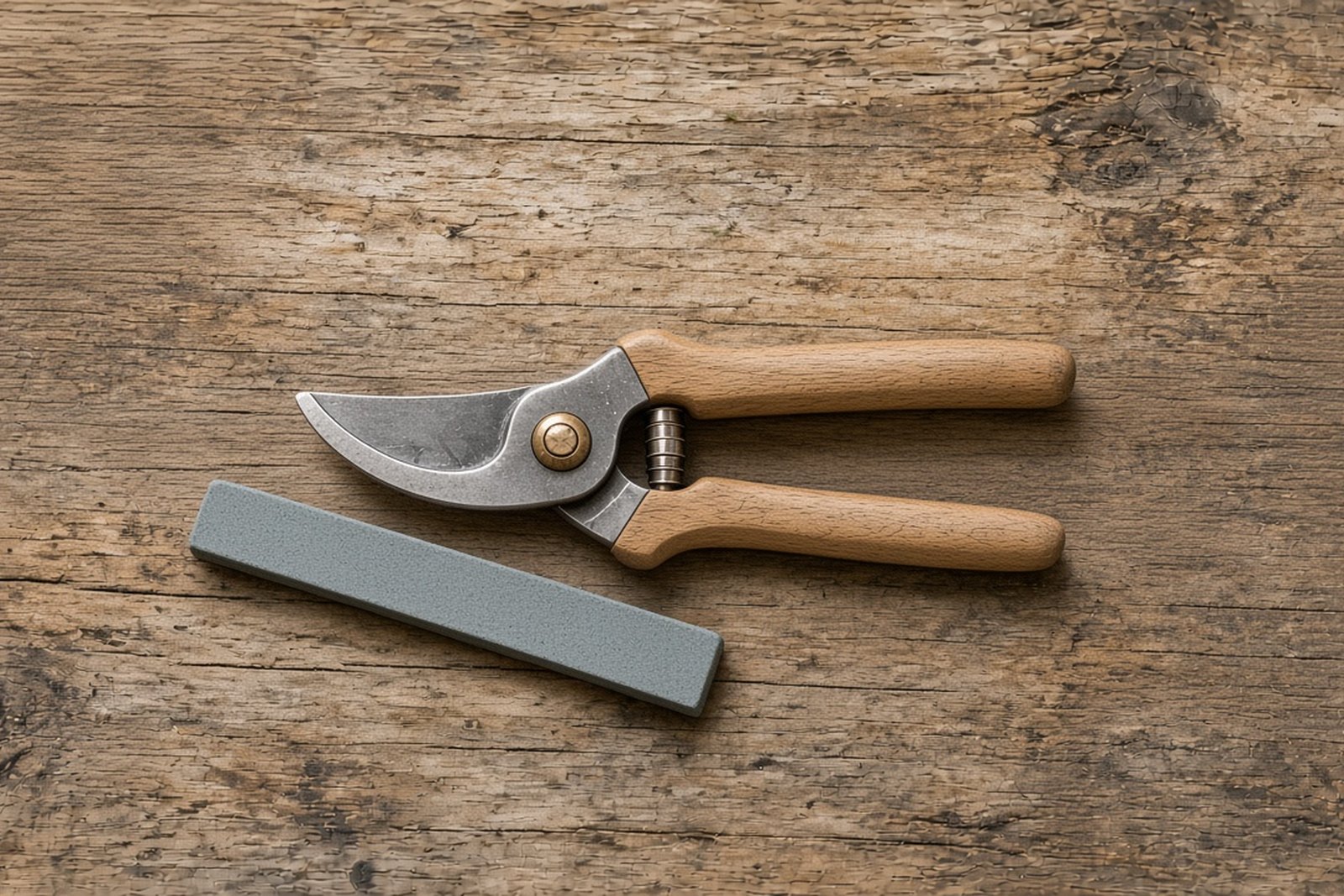
Simple upkeep makes a real difference. Remove sap and dust after use, dry the blades fully, and check the pivot so the action stays smooth. If the spring feels weak or the handles shift in your hand, the tool is harder to control and more likely to slip. A quick inspection before the weekend garden round can save time later.
- Wipe blades after each use to reduce rust.
- Check the pivot and spring before tackling thicker stems.
- Keep handles free of oil buildup so they stay easy to hold.
A Pietermaritzburg example from a townhouse courtyard
A common local job in Mkondeni and nearby suburbs is a small townhouse courtyard with three or four main plants, a hedge line along the boundary and a few pots against the wall. The owner usually wants more light, less mess and a neater entrance without changing the whole layout. In that setting, pruning is less about dramatic cutting and more about shaping what is already there.
Start by removing dead tips, then thin the inner growth so air can move through. Next, shorten the longest shoots on the side that leans into the path. If the hedge is getting too tall, bring it down in small sections rather than taking off a large strip in one pass. The result is a cleaner line and less stress on the plant, which is useful when weekend watering is limited or power cuts interrupt routine care.
- Thin before you shorten so the plant keeps a natural form.
- Use the same cut line across all plants for a tidy courtyard look.
- Bag clippings straight away so the space stays usable.
A simple routine that keeps small gardens in shape
The best pruning habit for small gardens is regular, measured and practical. A ten minute check each week is often enough to catch overgrowth before it turns into a bigger job. That approach works for home gardeners and for landscapers managing a round of properties across Durban, Johannesburg, Pretoria, Cape Town and Gqeberha.
Keep the tools ready, keep the cuts clean and do not wait for the whole garden to go wild before you act. Small spaces show every mistake, but they also show every improvement very clearly. With the right pruning routine, even a courtyard can feel open, tidy and easy to manage.