What a worn blade does to your plants
A clean cut helps a plant recover quickly. When a blade is dull, it crushes stems instead of slicing them, which can leave ragged edges that dry out or invite disease. On roses, lavender and soft hedging plants, that damage shows up fast. You may notice leaves turning brown at the cut point, stems splitting a bit, or the tool needing extra force for every snip.
In Pietermaritzburg gardens, where humidity can stay high after summer rain, damaged cuts can hold moisture and become a problem. That is especially true on dense hedges and older shrubs. If your pruning shears are starting to squeeze rather than cut, the tool is telling you something important.
Clear signs your shears need attention
Most gardeners wait until a tool feels terrible before they do anything. You can catch wear earlier by checking a few simple signs after mowing or pruning day.
- The blade leaves a fuzzy or crushed stem instead of a clean slice
- You need to make two cuts where one used to do the job
- The blade catches, sticks or closes unevenly
- There is visible chipping on the cutting edge
- Rust is appearing along the edge or around the pivot
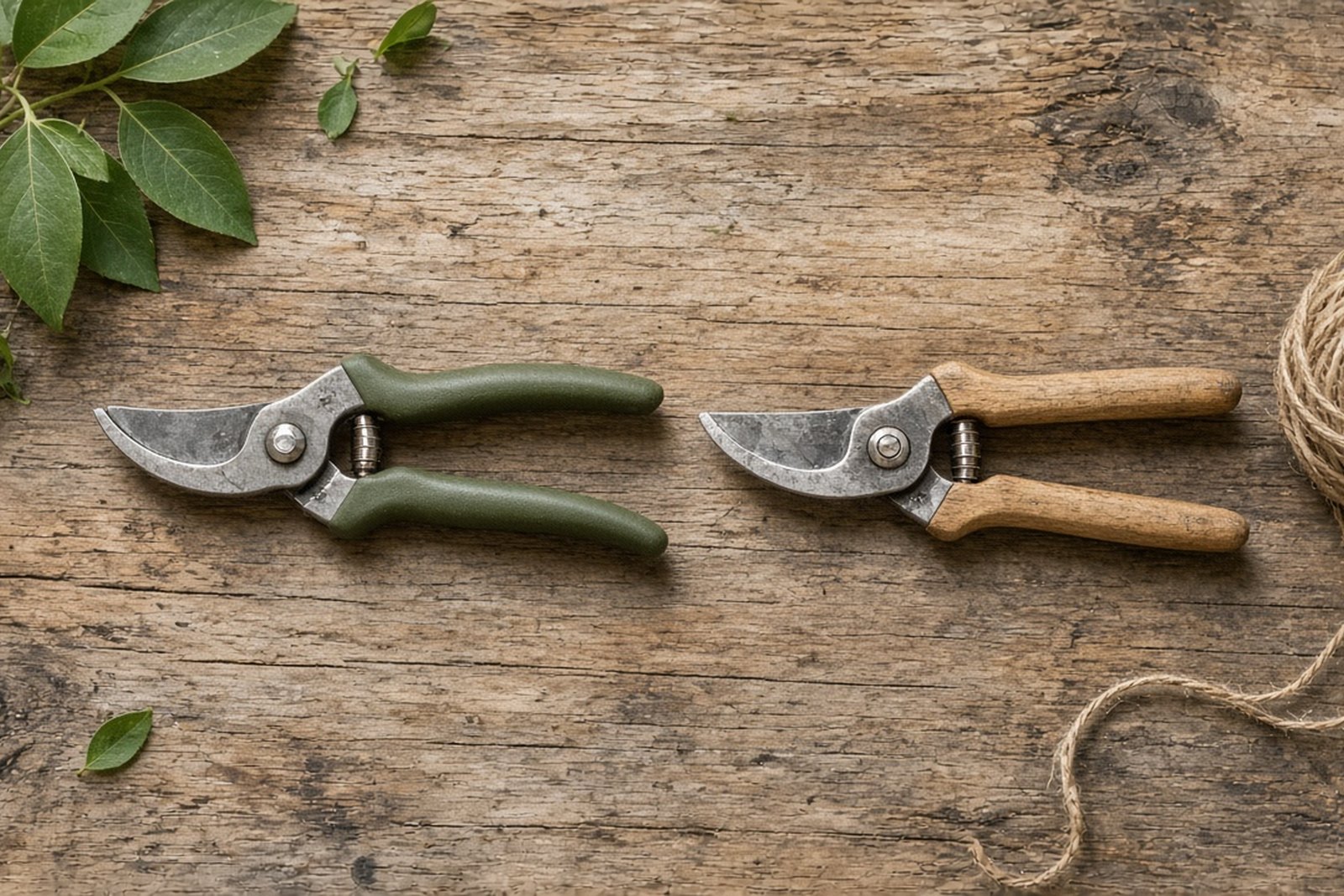
- The spring feels weak or the handles do not open fully
If the handle grips are loose or torn, that is also worth noting. A slipping hand leads to poor control, and poor control causes uneven cuts and more strain on your wrist. A small issue can become a bigger one quickly if you use the tool every weekend.
When sharpening is enough and when it is not
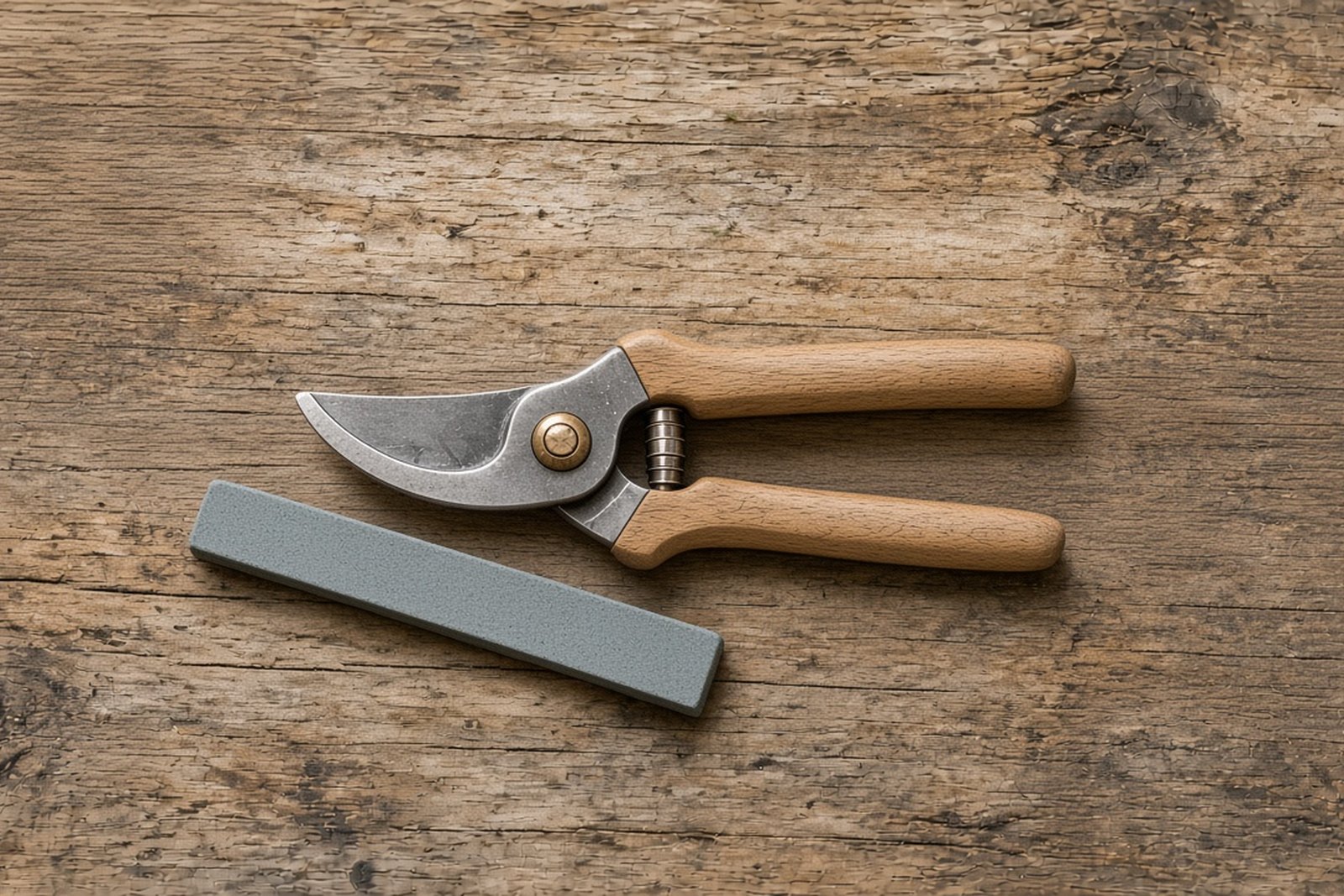
Not every dull blade needs replacing. If the edge is simply blunt from regular use, sharpening usually brings it back. That is often the right choice for secateurs, hedge shears and many loppers, provided the blade is still straight and the metal has not been badly worn down.
Sharpening may be enough when the tool still cuts, but with effort. Servicing is a better option when the pivot is tight, the spring is tired, or the blade has picked up sap and grime that makes movement stiff. If the cutting edge has deep chips, the blade is bent, or the tool keeps going out of alignment, replacement may be the more practical option.
For gardeners in Durban or Gqeberha, coastal moisture can speed up rust. That does not always mean the tool is finished. Sometimes deep cleaning, rust removal and a proper service will restore it to good working order. The key is checking the whole tool, not just the edge.
A simple home check after a pruning session
You do not need special equipment to spot early wear. A five minute check after use can save money and keep your cuts neat.
- Wipe sap and dirt off the blade with a dry cloth
- Open and close the tool slowly to feel for sticking
- Look at the edge in good light for nicks or shine loss
- Check the pivot for looseness or sideways movement
- Inspect the spring and grip areas for fatigue or damage
- Test on a small stem or twig before putting the tool away
If the blade no longer takes a smooth bite, do not keep forcing it through the job. That usually means the edge is wearing, the pivot needs adjustment, or both. Catching the problem early is easier than recovering from a badly neglected tool later.
Why weather and garden type matter in South Africa
Blade wear does not happen at the same pace in every garden. In dry inland areas like Johannesburg and Pretoria, dust can work into the pivot and make movement stiff. In the coastal air of Cape Town and Durban, moisture can lead to rust and pitting if tools are not cleaned and stored properly. In and around Pietermaritzburg, warm wet conditions and thick growth can leave more sap on the blade, which attracts dirt and speeds up wear.
Garden type matters too. A home garden with weekly light pruning is very different from a landscaper's fleet used on hedges, shrubs and tree branches every day. Heavy use wears springs, edges and pivots faster. If your tools are working on large properties, estates or municipal-type verges, a regular servicing schedule makes more sense than waiting for failure.
Load-shedding can also get in the way of workshop routines, so it helps to keep tools in good condition before they sit unused for a while. Clean, dry and lightly protected tools last longer and are easier to pick up again when the power is back and the work continues.
When to book servicing instead of guessing
Some signs are simple wear. Others suggest a tool needs proper attention from a servicing team. If a blade will not stay aligned, the spring keeps popping out, or the handle movement feels rough even after cleaning, a service can sort out the root cause. For loppers and hedge shears, that often includes pivot adjustment, parts fitting, spring replacement or grip replacement.
This is the point where many gardeners waste time trying to get one more season out of a tired tool. If you are managing a home garden in Hilton, a townhouse hedge in Howick or a larger landscaping contract across KwaZulu-Natal, a reliable tool saves labour and gives cleaner results. A service also helps you decide whether sharpening is still worthwhile or whether the blade has reached the end of its working life.
Cut Tools Garden in Mkondeni, Pietermaritzburg works with home gardeners and landscapers across South Africa, including Durban, Johannesburg, Pretoria, Cape Town and Gqeberha. The team handles blade sharpening, secateur servicing, lopper servicing, hedge shear servicing, deep cleaning and tool inspections, so wear can be assessed properly instead of guessed.