Start with the hedge’s purpose before you cut
Before you pick up a tool, decide what the hedge must do. A boundary hedge needs a straight outer face, a privacy hedge needs steady density from top to bottom, and a decorative hedge may ask for tighter lines and a neater finish. If you shape first and think later, you end up trimming the same spots again and again.
In Pietermaritzburg and the wider KwaZulu-Natal Midlands, fast summer growth can make hedges look untidy in just a few weeks. In drier inland areas like Pretoria, growth can be slower but still uneven after wind or a hard prune. The trick is to work with the plant’s natural habit, not against it.
Before cutting, step back and check the line from a few angles. A hedge that looks straight up close can lean once you view it from the gate, driveway or pavement.
Use a tapered shape so the base stays full
One of the easiest hedge shaping basics is tapering. The top should be slightly narrower than the base, even if the hedge is meant to look flat on the sides. This lets sunlight reach the lower branches, which helps the hedge stay thick at ground level instead of becoming bare and leggy.
A common mistake is trimming the sides perfectly vertical. That often blocks light from the lower stems and the hedge thins out below. A small taper of a few centimetres is usually enough for home gardens, while larger boundary hedges may need a bit more.
- Keep the base a little wider than the top.
- Check the profile every few cuts, not only at the end.
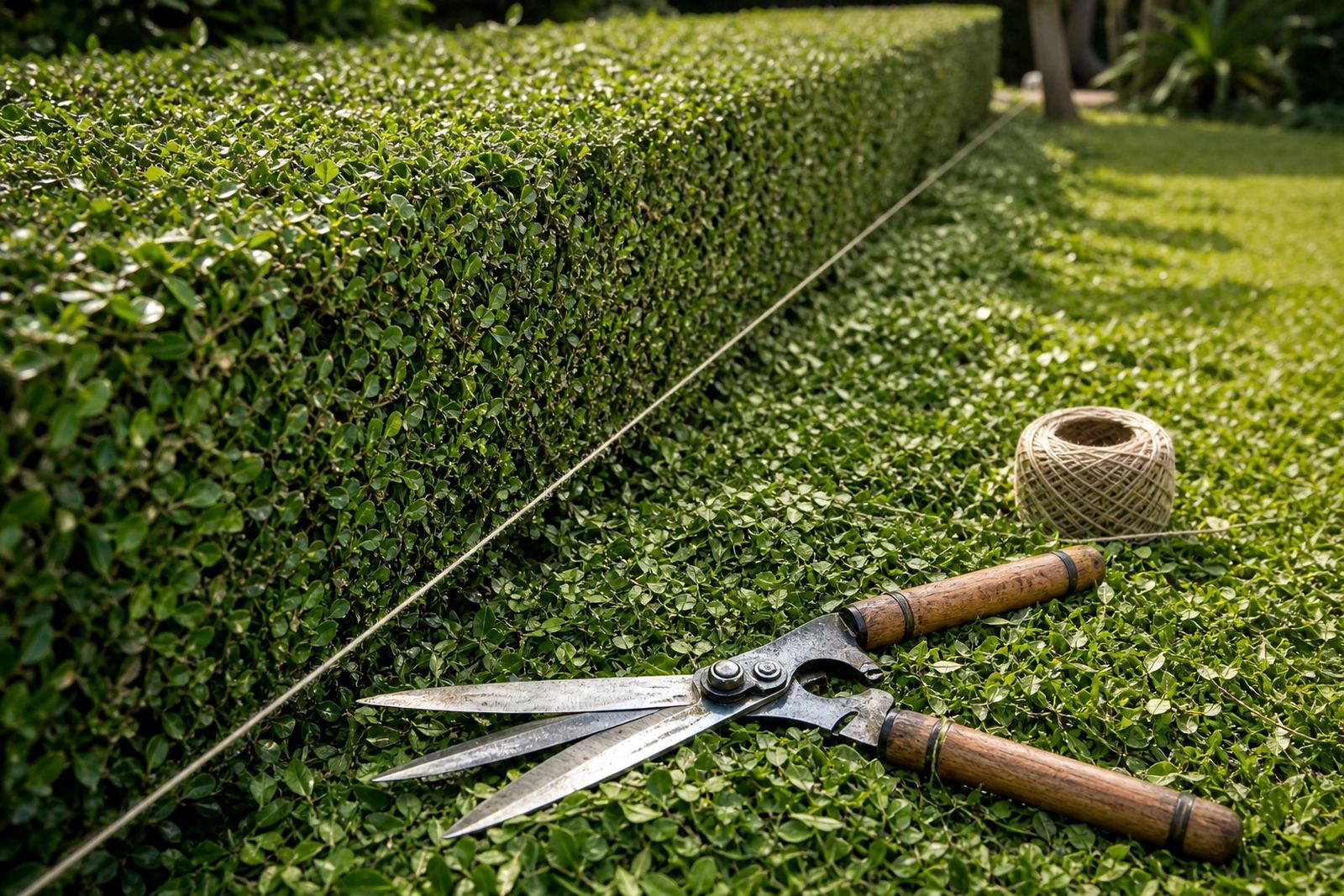
- Use a string line for longer runs so the face stays even.
- Do not chase every tiny stick out of line, or you will overcut.
Choose the right tool for the finish you want
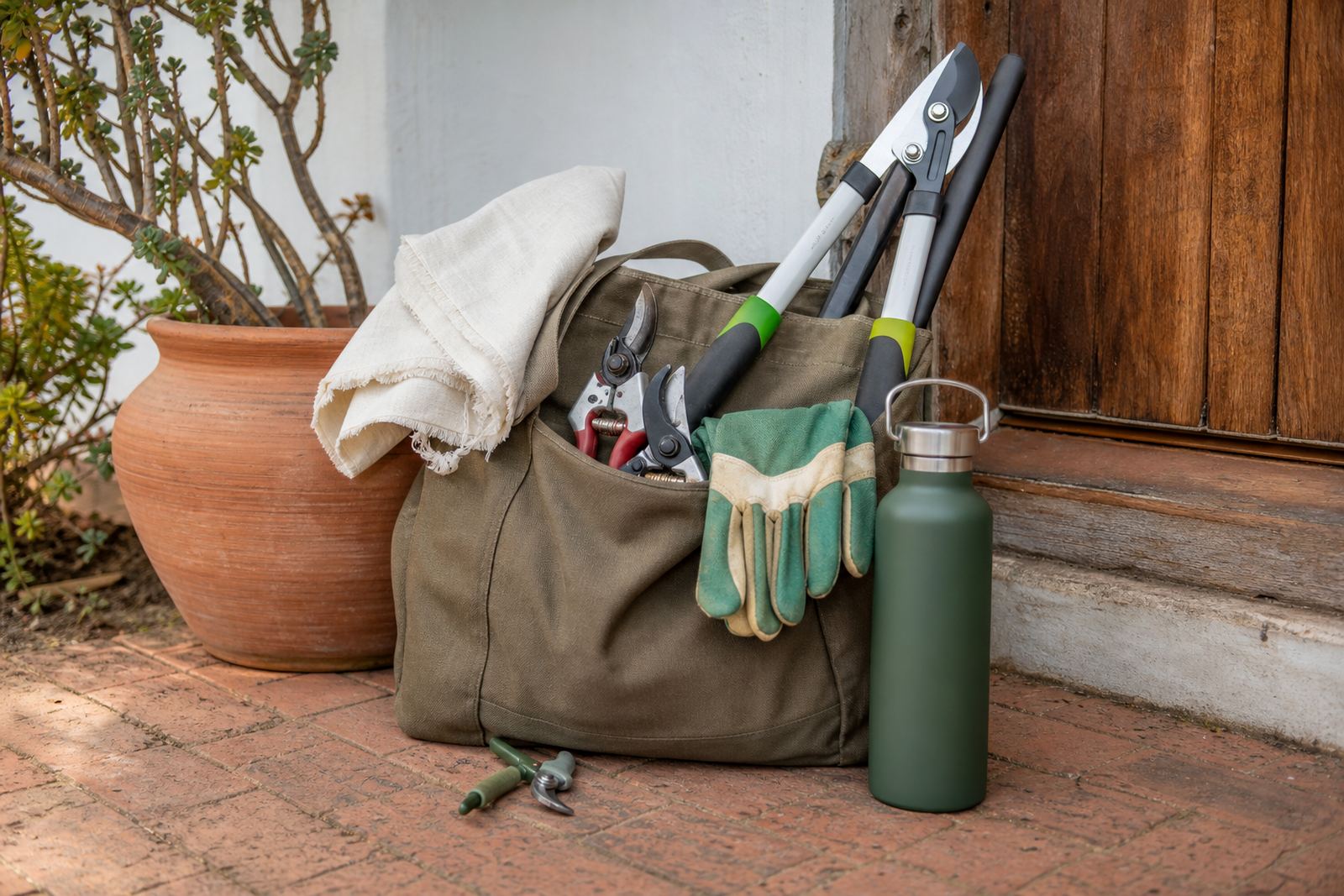
Different hedge jobs need different tools. Gardeners often reach for one tool for everything, but that can leave ragged edges or sore hands after a long morning. For fine shaping and a smoother finish, sharp hedge shears give better control. For thicker stems or old growth, loppers are safer and cleaner than forcing shears through wood that is too hard.
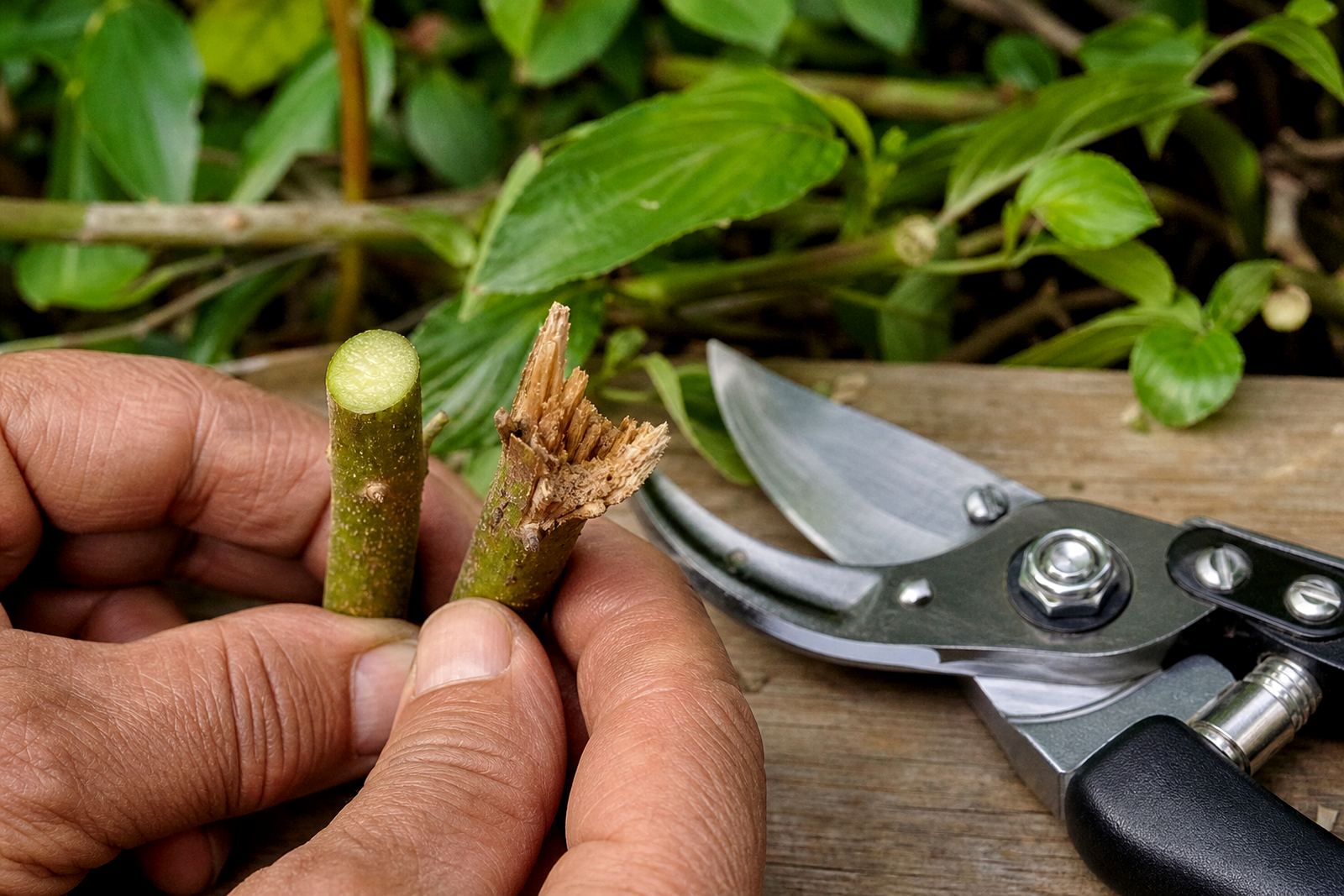
On bigger sites, landscapers often keep a mix of tools ready so they can move from light shaping to tougher cuts without stopping. If the blades are blunt, the stems crush instead of cutting cleanly, and the hedge takes longer to recover. A clean cut also helps reduce brown tips, which is useful in humid coastal areas where moisture can linger.
Hand comfort matters too. When grips are loose or springs are weak, you tire faster and your cuts lose accuracy. That is why regular servicing can make a real difference, especially for teams doing repeated hedge work across Durban, Gqeberha or Cape Town.
Trim at the right time and do not take off too much
Hedges respond best to steady maintenance rather than hard rescue cuts. In most South African gardens, light shaping during the growing season is better than taking off a large section all at once. If you cut back too far, you can expose old wood that will not leaf out again, leaving gaps that take months to fill.
As a rule, remove only the soft new growth when you want a neat shape. If the hedge has been neglected, reduce it in stages over two or three visits instead of trying to fix it in one session. That approach is slower, but the hedge usually recovers better and looks healthier.
For flowering hedges, trim after the main flush of blooms if you want to keep next season’s display. For evergreen screening hedges, light cuts every few weeks in active growth often give the best result. Keep an eye on local watering rules and dry spells too, since stressed plants handle heavy pruning poorly.
Work with South African weather and site conditions
Local conditions matter more than many people realise. In coastal areas like Durban and Gqeberha, salt air and humidity can speed up rust on tools and increase fungal pressure on dense hedges. In dry inland suburbs, wind can dry out exposed cuts faster, so watering and mulching after shaping helps reduce stress.
Pietermaritzburg gardens often see quick flushes of growth after rain, then slower periods during cooler weather. If your hedge sits along a municipal pavement, keep the line neat and inside your boundary so it does not overhang walkways or obstruct sight lines. That makes the hedge easier to maintain and avoids complaints from neighbours or local enforcement.
For long runs in estates, schools or commercial sites, plan hedge work around access, rubbish removal and load-shedding. If your team needs to charge battery tools, schedule the work when power is available so the day is not interrupted halfway through. Small planning steps save a lot of time later.
- Clear the ground before cutting so clippings do not hide the shape.
- Use a sheet or tarp for faster clean-up.
- Check for bird nests and hidden wire before you cut.
- Keep a spray bottle or wipe cloth handy for sap and dirt.
Keep the hedge easier to maintain year after year
The best hedge is not only neat, it is manageable. Once the shape is established, regular light trimming is easier than trying to rescue an overgrown hedge each season. A few minutes of maintenance every few weeks often prevents a full-day overhaul later on.
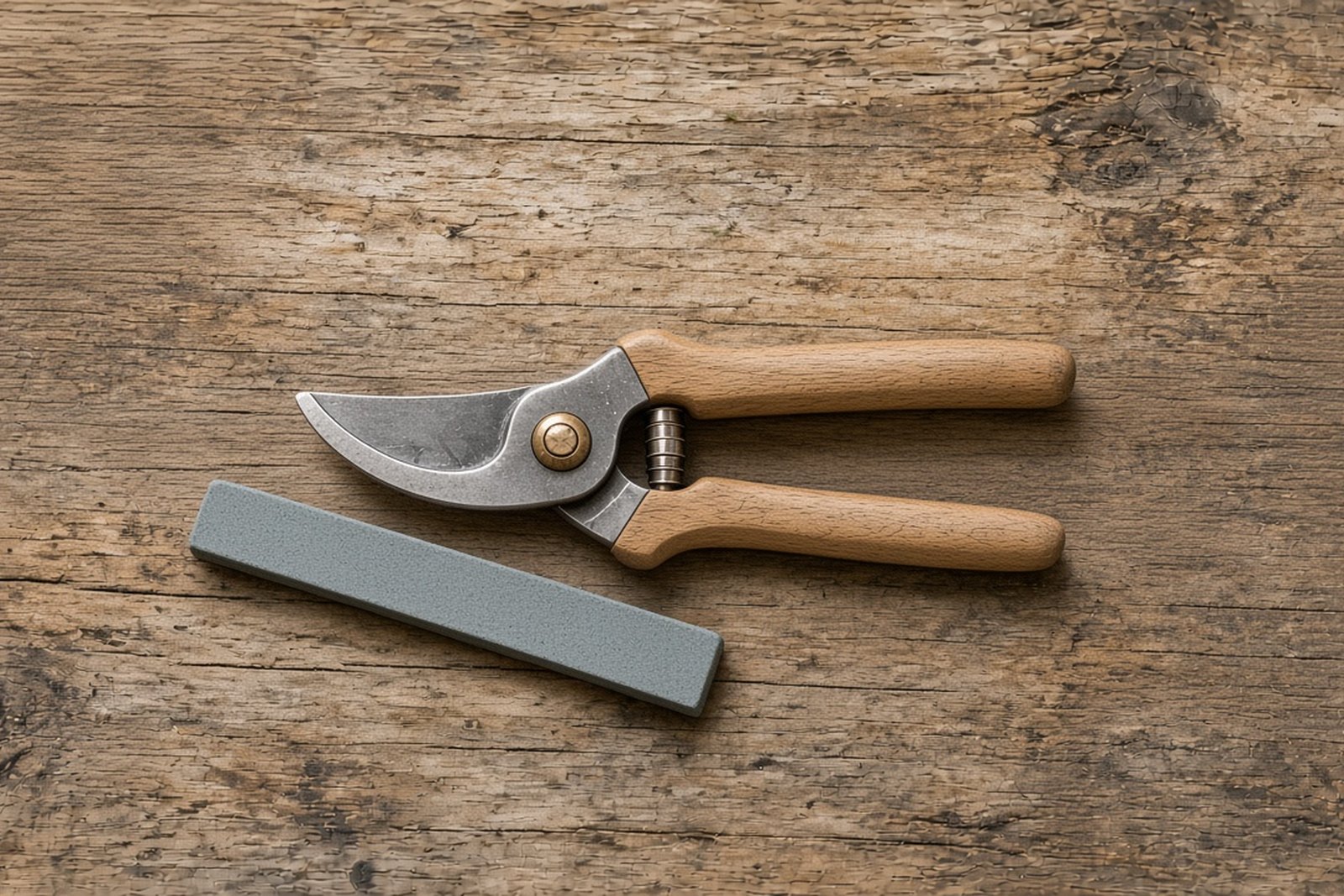
Blade care is part of hedge care. Clean, sharpened tools give straighter cuts and put less strain on the plant. If a blade is sticky, bent or pitted with rust, it should be checked before the next job. For home gardeners and landscaping crews alike, servicing small problems early is usually cheaper than replacing the whole tool.
Cut Tools Garden works with home gardeners and landscapers who want dependable hedge tools and practical servicing support across South Africa. From blade sharpening and spring replacement to grip repairs, pivot adjustment and deep cleaning, keeping your tools in shape makes hedge work simpler and more accurate.
A simple Pietermaritzburg example
A townhouse garden in Mkondeni, Pietermaritzburg may only have a short boundary hedge, but it still needs proper shaping. If the hedge is left to grow wide at the top, it throws shade onto the lower branches and starts thinning out near the base. A cleaner taper and a light trim every few weeks keeps the hedge dense enough to give privacy without taking over the path.
That same approach works for larger properties in Hilton, Howick and the coastal suburbs. The size changes, but the principle stays the same: cut little and often, keep the base full, and use sharp tools that suit the job. It is less about fancy technique and more about consistency. That is what gives a hedge its shape and keeps it easy to live with.