Start with a quick walk-through of the garden
Before you lift a pair of shears, walk the whole area and note what needs attention. Look for dead tips, crossing branches, storm damage, suckers near the base and hedges that have grown out of shape. In Pietermaritzburg and the surrounding Midlands, a warm wet spell can push growth quickly, so what looked fine last month may now be crowding paths and blocking light.
It helps to work from the top down and from the outside in. That way you are not cutting yourself into a corner, and you can see how much waste will come off each shrub or hedge. If you are pruning near a driveway, pavement or shared boundary, plan where the cuttings will go before you begin so they do not end up blowing into the road or onto a neighbour’s property.
- Check which plants need light shaping and which need heavier reduction.
- Mark any broken branches that must come off first.
- Keep an eye on overhead cables, walls, windows and paved areas.
- Plan a clear path for moving cuttings, bags and bundles.
Choose clean, sharp tools before you cut anything
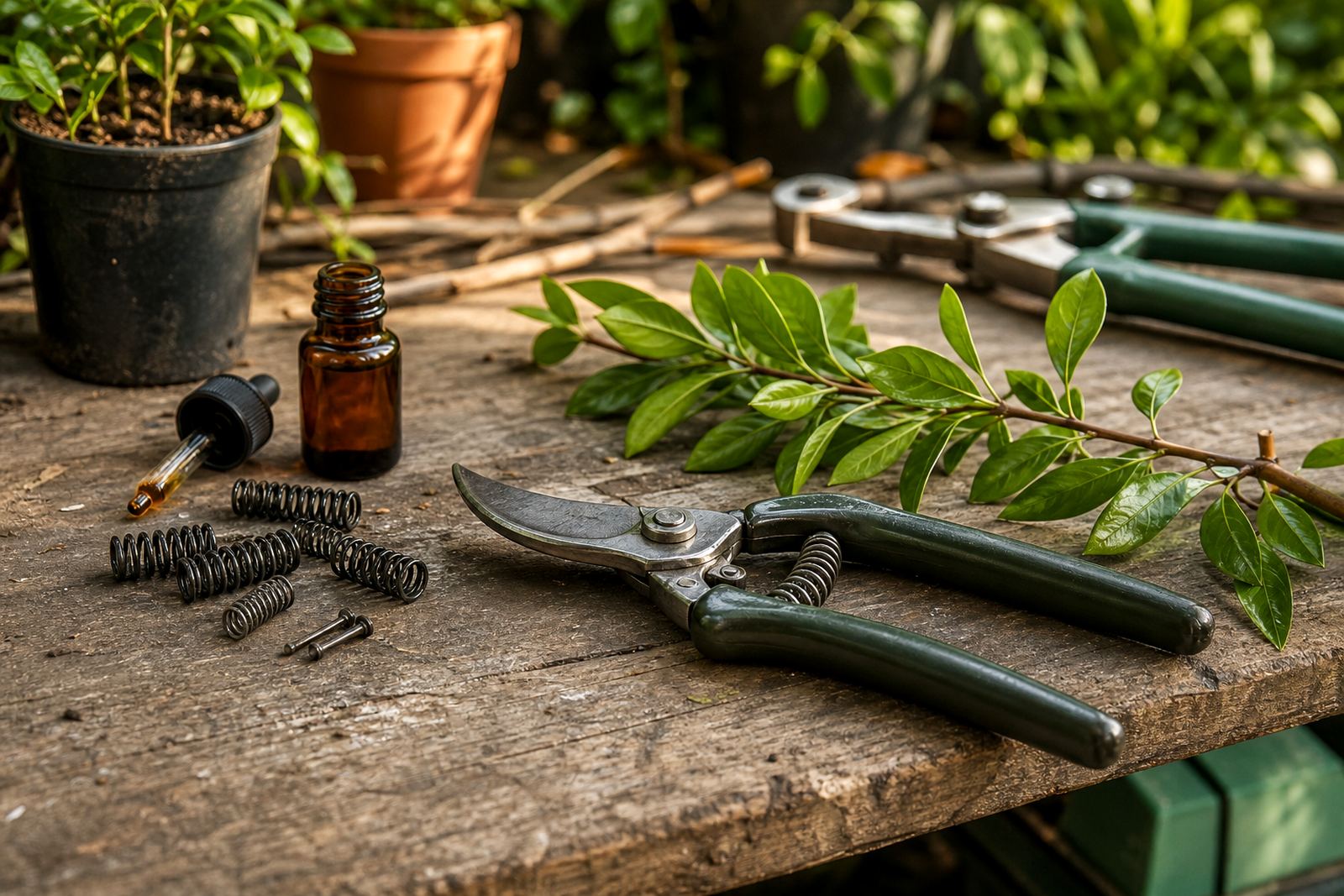
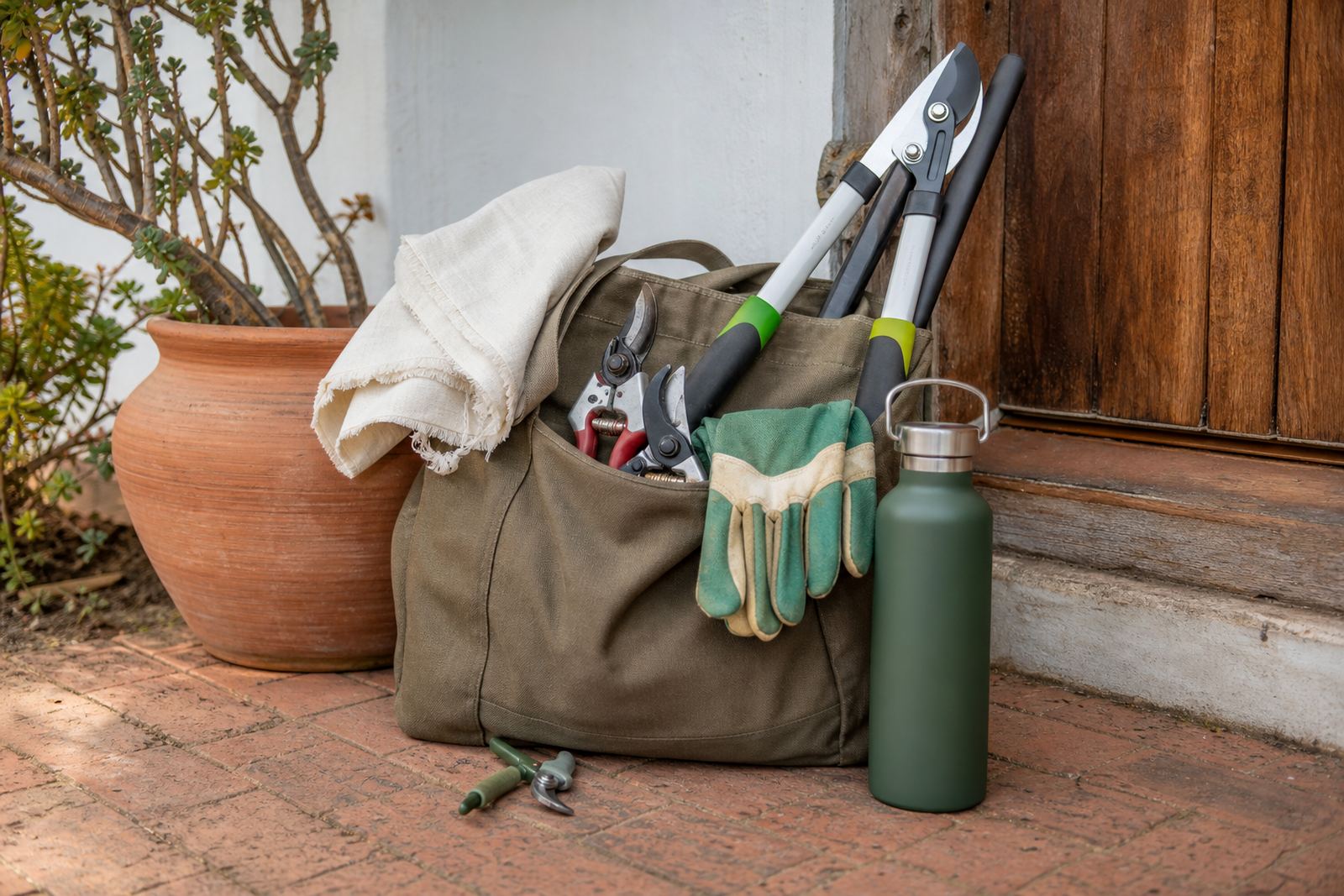
Sharp tools matter more than most people think. A clean cut heals better and is easier on the plant than a crushed or ragged one. For pruning day, lay out the tools you will actually use and test each one before work starts. Secateurs should open and close smoothly, loppers should bite cleanly on thicker stems, and hedge tools should not snag halfway through a sweep. If a blade is dull, sticky or rusty, sort it out before you begin.
Home gardeners often lose time by stopping mid-job to search for the right size tool. Keep the task simple by setting out everything in one place. If you are using a ladder or step platform, check that the feet are steady on level ground. In Durban’s humidity or near the coast, wipe metal parts after use because moisture can cause rust quickly, especially on tools stored in a shed with little airflow.
- Secateurs for small stems and fine shaping.
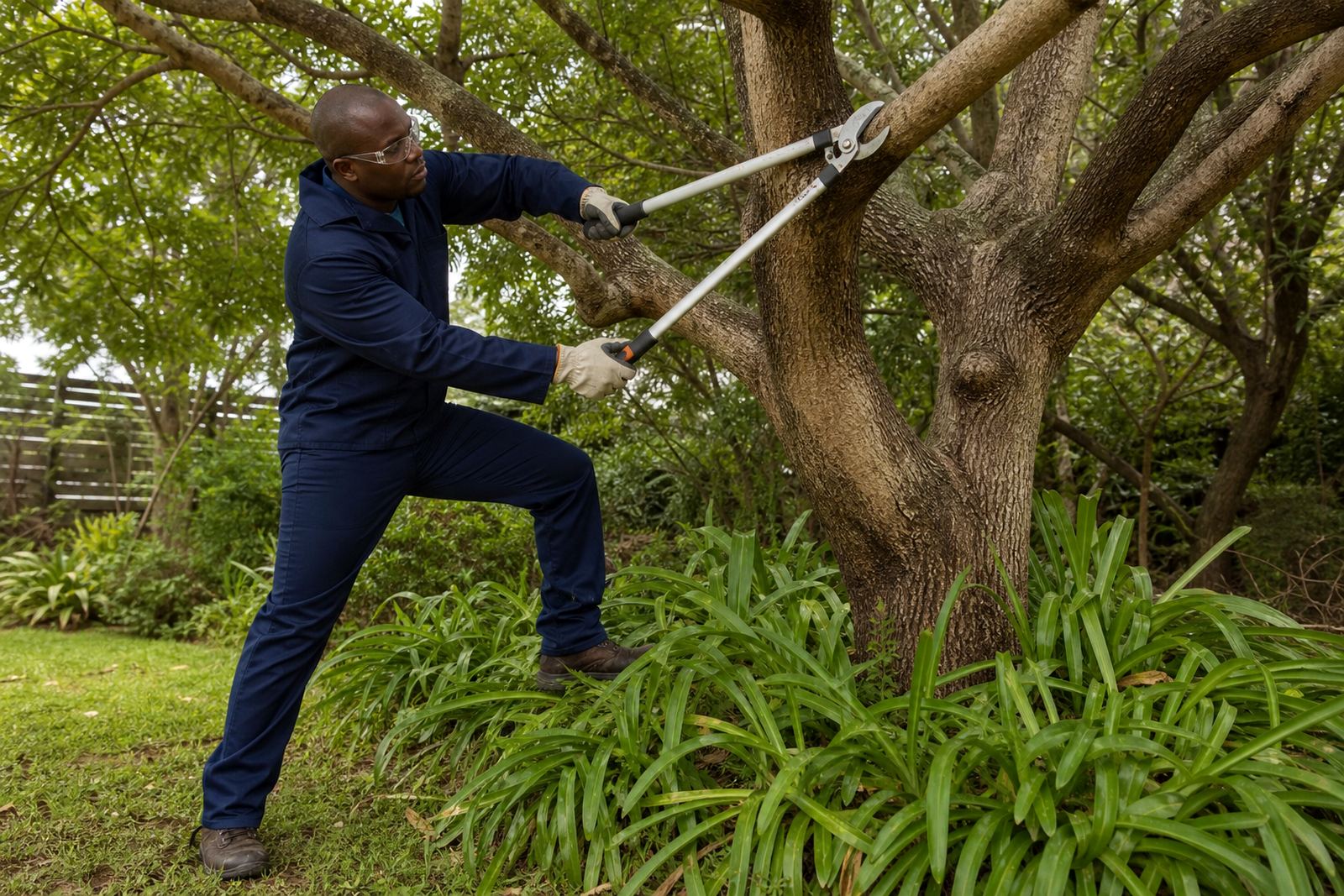
- Loppers for thicker branches that do not fit hand tools.
- Hedge tools for long straight runs and tidy finishes.
- A sharpening cloth or cleaning rag for quick wipe-downs between plants.
Gloves, eye protection and clothing that can take a proper workout
Pruning is easier when your hands, arms and eyes are protected. Choose gloves that fit properly so you can grip a handle without slipping. Loose gloves can catch on thorns or make it harder to hold a branch steady. If you are working with thorny roses, acacias or dense shrubbery, use gloves with enough coverage over the wrist and forearm. A long-sleeve shirt and sturdy shoes also help when you are reaching into tighter growth.
Good clothing does not need to be fancy, but it must be practical. Avoid anything that tears easily or gets tangled in stems. If you are cutting above shoulder height or trimming dry material that sheds bits and dust, eye protection is worth wearing. On hot days in Pretoria or Gqeberha, take short breaks and drink water before you feel dehydrated. A tired gardener makes more mistakes, and pruning mistakes are the kind you notice for weeks.
- Wear gloves that fit snugly and allow a firm grip.
- Use eye protection when cutting overhead or handling brittle material.
- Pick closed shoes with a stable sole for wet grass or uneven paving.
- Keep a hat and water nearby if you are working in direct sun.
Set up for waste handling before the first branch falls
Pruning creates more waste than many people expect. Small twigs, leafy cuttings, thick stems and thorny offcuts all need somewhere to go. If you prepare the waste side of the job first, the whole day runs better. Put out bags, crates, tarpaulins or piles for separate loads, depending on how much material you expect. This makes sorting easier at the end and keeps paths open while you work.
In some suburbs, green waste can be tied into bundles for collection, while larger amounts may need a trip to a garden refuse point or a private disposal site. Always check the local rules before dumping mixed waste. Do not burn cuttings in a built-up area unless it is allowed, because smoke can drift across a whole street and create complaints. In a place like Hilton or Howick, wind can carry light twigs a long way, so keep your waste covered until you move it.
- Separate soft green waste from thicker woody offcuts.
- Keep thorny material in a tougher bag or container.
- Use a tarp or sheet to gather loose cuttings quickly.
- Confirm where the waste will go before the job starts.
Work in a sensible order so the garden stays tidy
Good pruning is not only about the cut. It is also about keeping the work area under control as you go. Start with dead, damaged and crossing growth, then move to shaping and finishing cuts. If you are pruning a hedge, work along one section at a time rather than hopping between spots. That gives you a cleaner line and helps you spot any missed sections before you move on.
A tidy routine also saves time on the cleanup. Place cut material in one direction, not all around the plant. Keep paths clear for foot traffic and do not leave tools lying in wet grass where they can rust or go missing. If you are managing a larger property or several homes in one day, this sort of order matters even more because each stop can run into the next. A few minutes of setup avoids a lot of backtracking later.
For landscapers and home gardeners alike, pruning day goes better when everyone knows the sequence. If one person is cutting and another is bagging, speak clearly about where the next load is going. That simple habit saves double handling and keeps the site safe.
Aftercare matters just as much as the cutting
Once the pruning is done, do not pack away immediately. Check the plants for any torn bark, snagged stems or branches that need a cleaner finish. Remove loose debris from around the base so air can move through the plant and water can reach the soil properly. If you have cut back a hedge or shrub heavily, give the area a proper sweep so pests and mould do not settle in the litter.
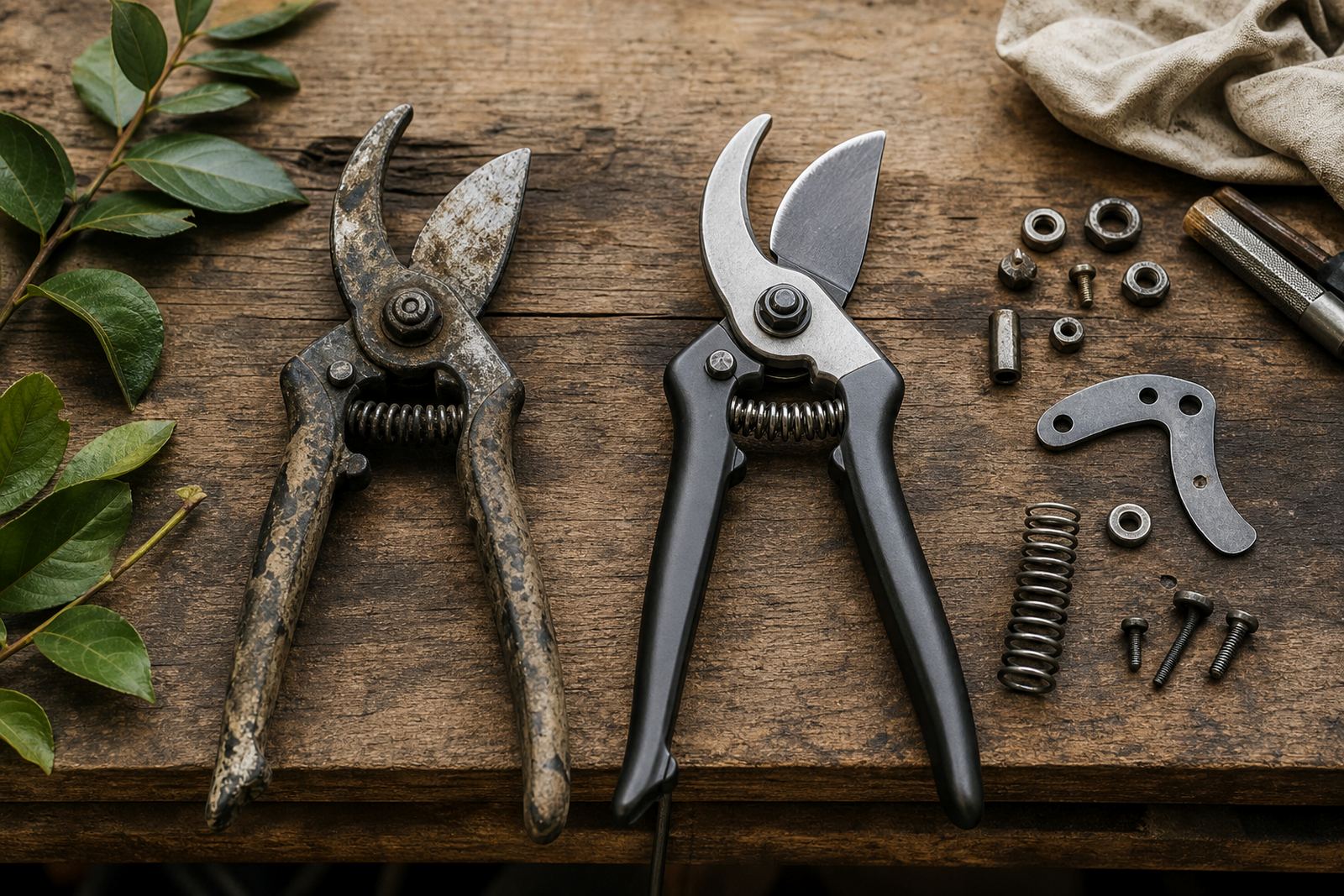
Then turn to the tools. Wipe off sap and dirt, dry the blades and store everything where it will not sit in damp air. If a blade has lost its edge, do not wait for the next job to sort it out. A quick service now is cheaper than struggling through the next pruning round with blunt gear. For teams and busy homeowners alike, a simple tool check after each job keeps the next day moving smoothly.
- Wipe and dry blades before storage.
- Check handles, springs and pivots for wear.
- Remove all cuttings from paths, borders and drains.
- Make a note of any tool that needs sharpening or repair.
A Pietermaritzburg example from a real weekend job
On a Saturday in Mkondeni, a homeowner and a landscaper can face the same problem: the garden looked manageable at breakfast, then the hedges, shrubs and climbers suddenly need attention before guests arrive. That is when a proper pruning day checklist pays off. The tools are ready, the gloves are on, the waste bags are set out and the route through the garden is clear. No one wastes time hunting for a missing lopper or dragging branches back across the lawn.
That kind of preparation also helps when the power is off and you are working around load-shedding. Manual tools keep the job moving, and a careful plan avoids the frustration of stopping halfway through because the waste side has not been sorted. For smaller courtyards and larger properties alike, preparation is what keeps the work neat, safe and finished on time.
If you want your pruning tools checked, sharpened or serviced before the busy season, use the enquiry form on the contact page. The right preparation before pruning day saves effort all week, and the garden shows the difference.