Start by reading the shrub before you make a cut
Thorny plants are easier to manage when you slow down first and look at the whole shape. Stand back and find the dead wood, crossed stems, low branches that snag pathways and the canes that are rubbing against each other. In Pietermaritzburg gardens, especially in older suburbs with tight beds and narrow side passages, a quick look before cutting can save you from getting trapped inside the plant.
Choose the cut order before you start. Remove the obvious hazards first, then thin out the centre so light and air can move through. That gives you more control and helps avoid the heavy, random snips that leave jagged edges. When you work from the outside in, you are less likely to get caught on hidden thorns or force your hand into the shrub.
- Check for dead, diseased and crossing branches first
- Work from the outer edge toward the centre
- Keep the branch you are cutting at chest height where possible
- Step back often to judge the shape before taking more off
Wear the right gear before the first snip
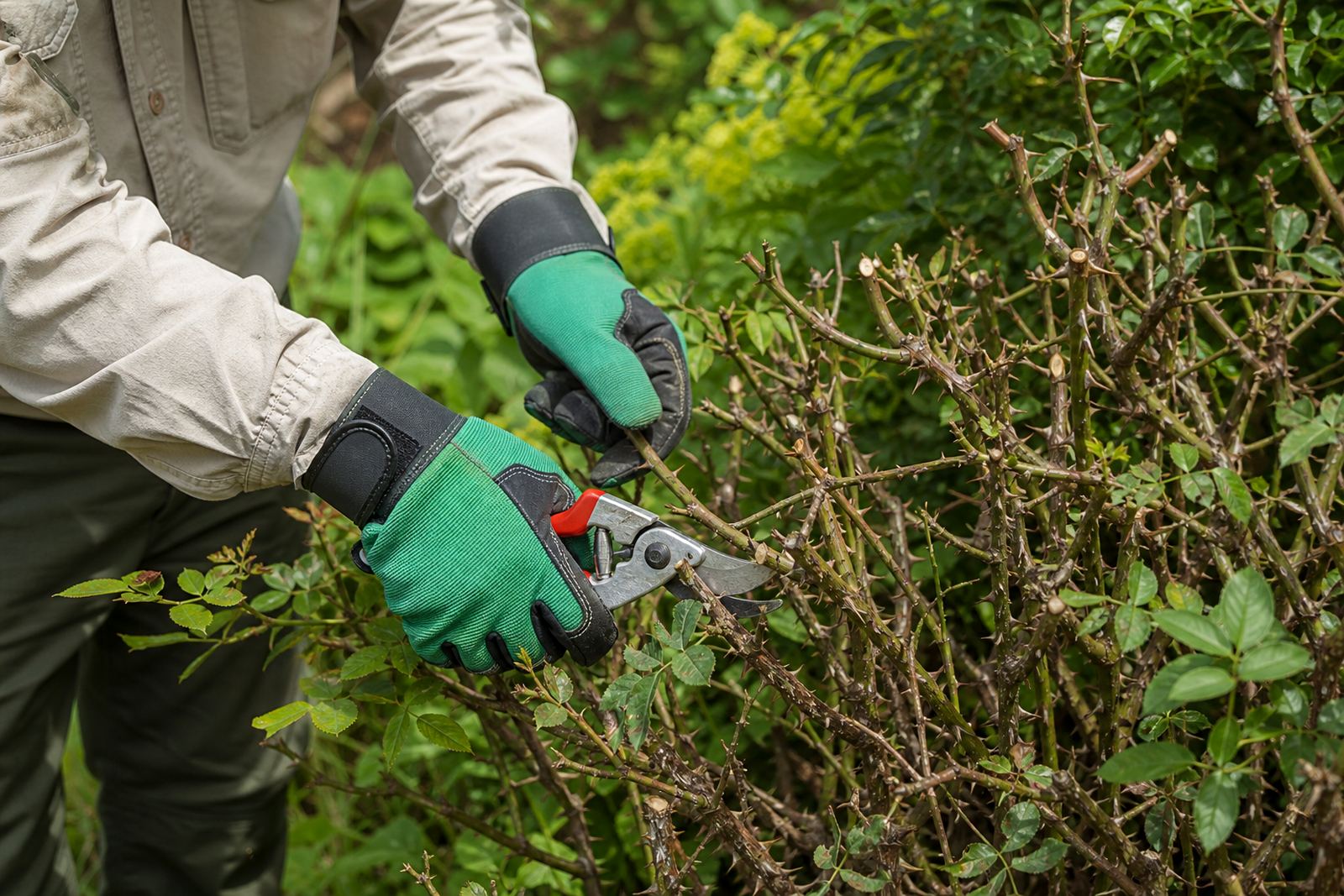
Thorns do not just scratch, they can tear skin and catch clothing too. A pair of close fitting gloves with a long cuff helps protect your wrists, and long sleeves in a tough fabric give another layer of defence. Closed shoes with good grip matter as much as the tools, especially on damp lawns or paved areas after morning watering. In coastal areas like Durban and Gqeberha, where humidity can make metal parts feel sticky and hands sweat faster, grip becomes even more important.
Keep your sleeves snug enough that they do not snag on branches. Loose cuffs and dangling jewellery are not worth the risk. A light visor or glasses are useful when cutting overhead growth, because a twig can spring back without warning. Good protection should still let you move naturally, not fight against every wrist turn.
- Use gloves with long cuffs and a firm palm grip
- Wear long sleeves and long trousers
- Choose shoes with solid traction, not smooth soles
- Keep a small first aid kit nearby for minor punctures or scratches
Use tools that give reach without overreaching
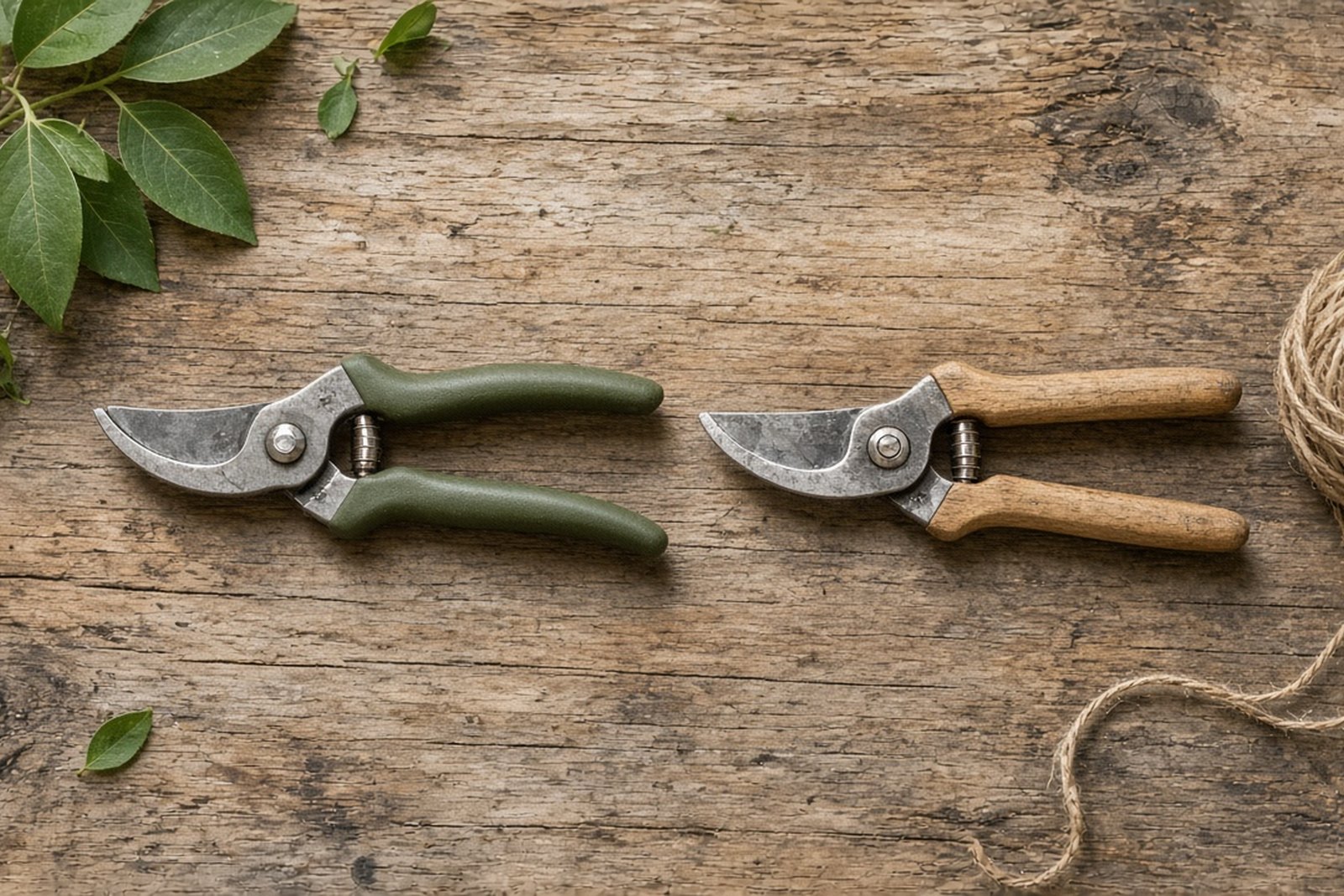
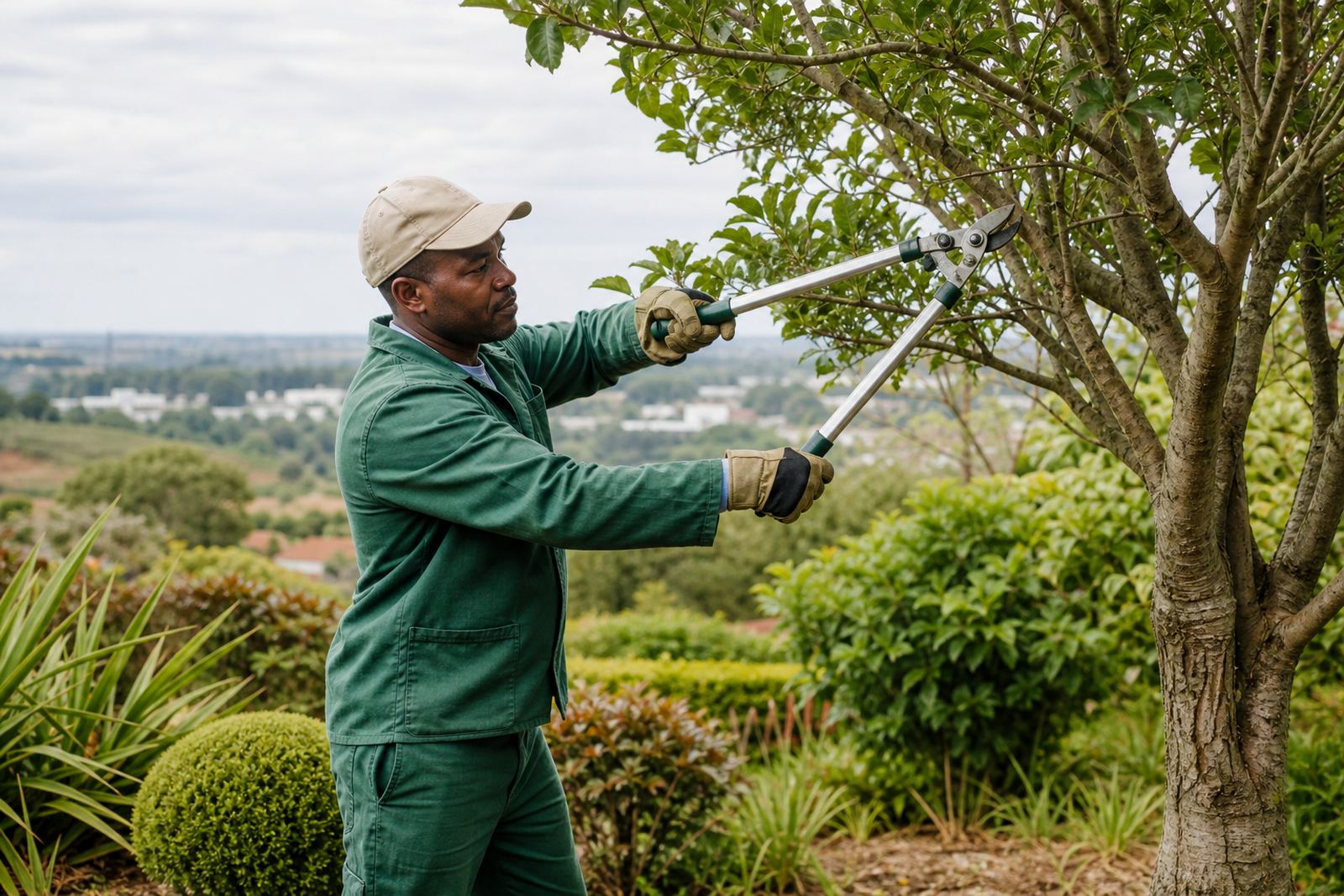
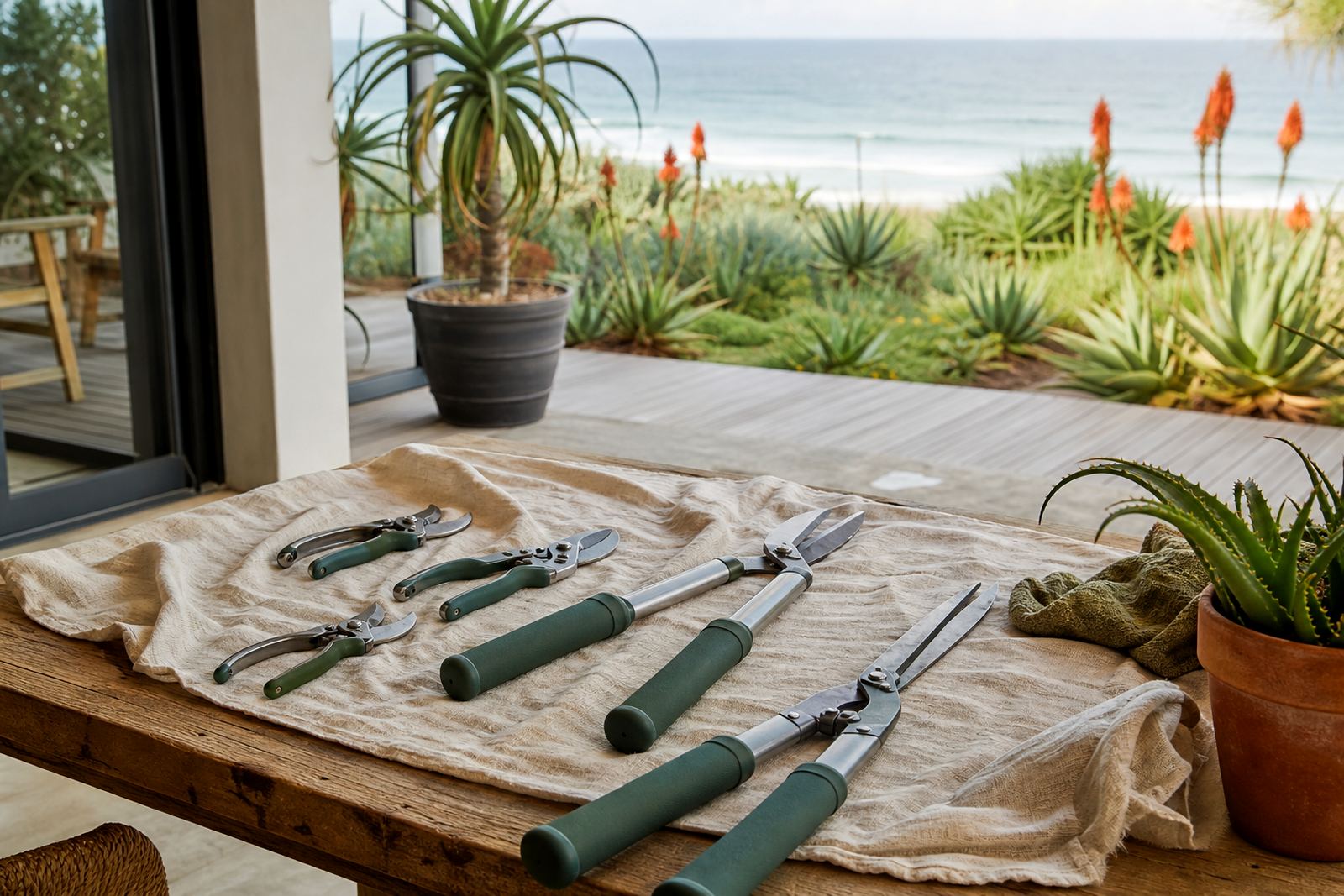
The safest cut is often the one you can make without stretching. Long handled loppers help when thorny shrubs are deeper in the bed, while hedge tools are useful for shaping and light trimming on denser growth. If you are pruning roses, bougainvillea or other spiny shrubs, a clean bypass-style cutting action usually gives a better finish than crushing the stem. That means less strain on the plant and less force in your hands.
Sharp blades matter because blunt tools make you push harder, and that is when control starts slipping. A well kept pivot, comfortable grips and smooth spring action all help when you are making repeated cuts. If the tool sticks or the handles feel loose, it is better to sort that out before the job. One worn pivot can turn a neat prune into a sore afternoon very quickly.
- Use loppers for thicker stems that secateurs cannot handle cleanly
- Choose hedge tools for shaping, not for heavy woody cuts
- Keep blades sharp and pivots properly adjusted
- Avoid overreaching by moving closer to the branch instead of leaning in
Keep one hand clear and your body out of the line of thorns
Good body position is just as important as the tool itself. Keep your free hand away from the path of the cut and use it only to steady a branch if you can do so safely. Never hold a thorny stem right where the blade will close. It sounds obvious but it is one of the most common mistakes when the job is rushed.
Try to work with your elbows close to your body and your feet planted. If a branch is under tension, it can snap back when cut, so stand to one side rather than directly in front of it. This is useful on larger properties too, where gardeners in Johannesburg or Pretoria may be dealing with boundary hedges that have gone woody and tangled. A stable stance gives you better balance and cleaner cuts.
- Keep the non-cutting hand well clear of the blade path
- Stand slightly to the side of tensioned stems
- Use two hands only when the tool is designed for it
- Reposition the plant or yourself instead of twisting your wrists awkwardly
Tidy cuts help thorny shrubs recover faster
When pruning thorny shrubs, rough cuts can leave shredded bark and open the door to dieback. Clean cuts heal better and reduce the chance of disease moving in through damaged tissue. This is especially useful in KwaZulu-Natal where warm weather and regular rain can encourage fast regrowth, but also fungal trouble if the plant is left ragged or overcrowded.
Make each cut just above a healthy bud or side branch, not too close and not leaving a long stub. If you are removing an entire stem, cut back to the right junction without tearing the bark. For thicker growth, use steady pressure rather than a fast squeeze. It is better to take a little longer and leave the plant neat than to rush and leave a split stem behind.
- Cut just above a healthy bud or side shoot
- Do not leave long stubs that dry out and look untidy
- Use steady pressure for thicker branches
- Wipe off sap and debris so the blades keep cutting cleanly
A Pietermaritzburg example from a tight front garden
In Mkondeni and the surrounding Pietermaritzburg suburbs, many front gardens have thorny hedges near driveways or pedestrian gates. A common job is trimming back a spiny shrub that has started to narrow the walkway and catch bags, sleeves and school uniforms. On a damp morning after load-shedding has delayed the day, it is tempting to rush through the trim and move on, but that is when scratches happen.
A better approach is to clear the lower branches first, then shorten the outer growth in small sections. If the shrub is near a wall or municipal boundary, keep the shape within the property line and avoid cutting into overhead cables or shared fencing. Check the finished line from both sides of the path so the plant still looks balanced from the street and the yard. A careful trim can make a small space feel open again without stripping the plant bare.
- Work in short sections rather than trying to finish in one pass
- Keep an eye on fences, walls and shared edges
- Check the path width from the gate side and the garden side
- Stop if visibility or grip gets poor, then continue when you can work properly
Look after the tools after thorny work is done
Thorny shrubs leave sap, grit and tiny fibres on the blades, and if that is not cleaned off it can lead to rust and sticky movement. After use, wipe the tools down, remove trapped plant matter and check the cutting edges for nicks. A quick clean now saves you time later and keeps the next cut neat. If the tool has started to bind, the spring feels weak or the pivot has loosened, sort it out before the next round of pruning.
Regular servicing also helps when tools are shared across a team or used across larger gardens and estates. Blade sharpening, spring replacement, grip replacement and pivot adjustment all make the work easier on your hands. In a coastal climate or a humid storage room, that care matters even more because rust can creep in quickly. A tool that opens smoothly and cuts cleanly is safer to use, and it helps you stay in control when working around thorns.
- Remove sap and debris after every pruning session
- Check for rust, loose pivots and worn grips
- Store tools dry and off the floor
- Service blades before they start forcing rough cuts