
Why thinning matters more than many gardeners think
When a fruit tree sets too much fruit, the branches carry a heavy load and the canopy becomes crowded. In humid areas like Pietermaritzburg, Durban and coastal KZN, that tight growth holds moisture after rain and morning dew, which can lead to poor airflow, more fungus pressure and fruit that stays small or splits before picking.
Thinning is the practice of removing selected fruit and, where needed, a few small shoots or crossing twigs so the tree can put its energy into fewer, better fruit. It also helps the tree maintain a stronger structure through the season. A crowded tree may look full, but it often gives you weaker harvests and more breakage when the fruit starts to size up.
- Improves airflow through the canopy
- Reduces branch strain and breakage
- Helps sunlight reach inner fruiting wood
- Makes spraying, feeding and picking easier
How to read the tree before you start cutting
Walk around the tree slowly and look from the outside in. A good thinning job starts with observing where the light falls, which branches rub together and which parts of the tree are already shaded out. In a small backyard orchard in Hilton, for example, a peach or apple tree can be carrying heavy fruit on one side only because that side got more sun after winter pruning. That imbalance is often the first sign that selective thinning is needed.
Start with damaged, diseased or dead material. Then look for branches that cross, grow inward or rub against the main framework. On younger trees, keep the structure open and balanced. On mature trees, keep the canopy light enough that you can see a little sky through it when standing under the branches.
- Remove dead, diseased and broken twigs first
- Take out branches that cross or rub
- Keep the centre open where the tree naturally allows it
- Leave strong fruiting wood with room to work
The practical method for thinning fruit by hand
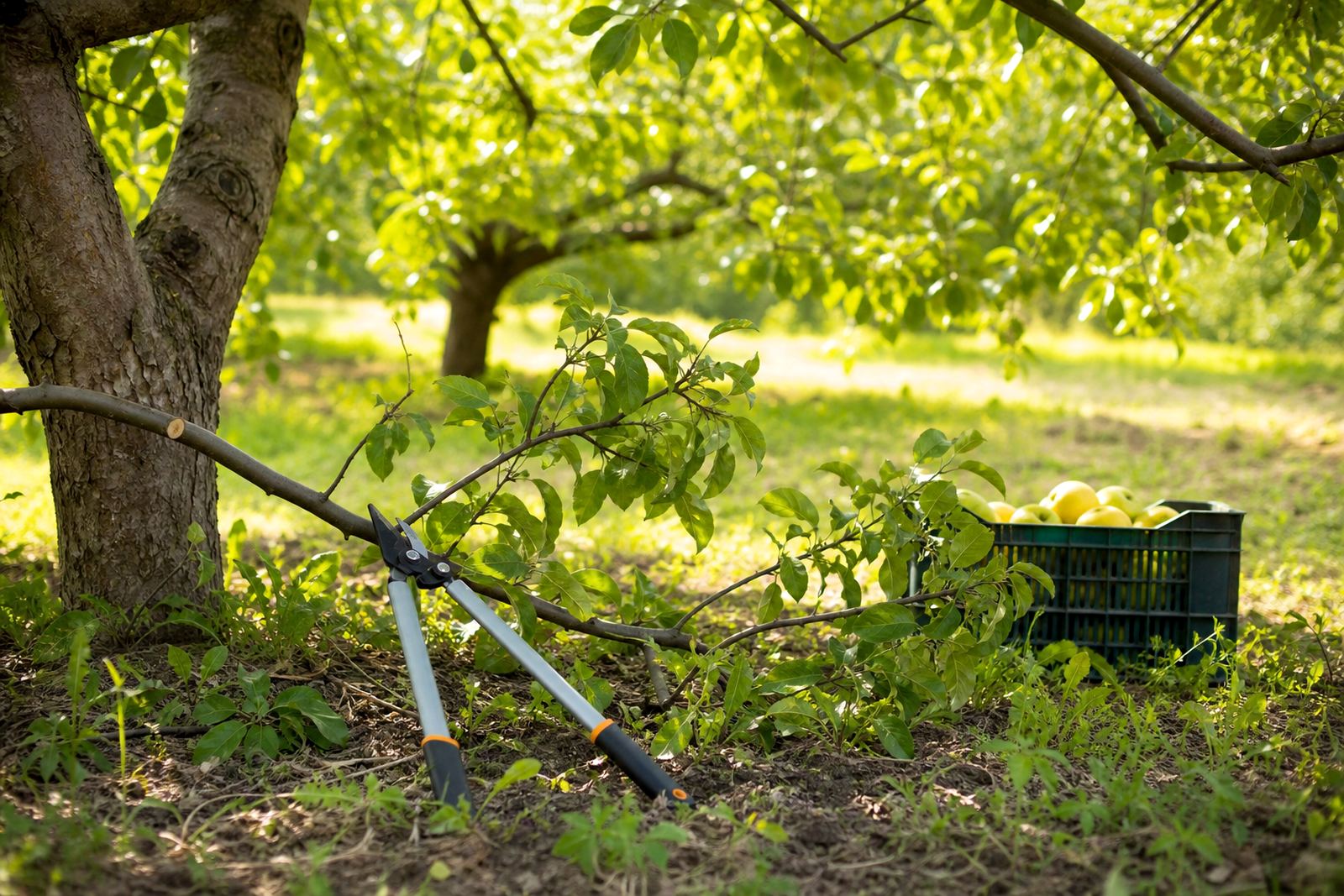
For most home gardeners, hand thinning is the safest and most controlled approach. Use clean pruning shears or small loppers for shoots and larger side branches, then pinch or snip excess fruit by hand where the cluster is too dense. Leave the best-formed fruit spaced apart so they do not touch as they grow. That simple spacing can make a big difference to size and colour.
As a rule, thin early while the fruit is still small. Once the fruit has already taken much of the tree's energy, removing it gives less benefit. Early thinning also lowers the risk of branches bending too far under weight. For stone fruit, clusters often need only one or two strong fruit left on a spur. For apples and pears, leave enough room for air and sunlight to move between fruitlets.
Use steady cuts and keep your tools sharp. Ragged cuts slow healing and can invite disease entry. If your shears are sticking or the blades are dull, service them before the thinning work begins. A clean tool makes the job faster and safer, especially if you are working in the heat after a load-shedding delay and want to finish before midday.
- Thin when fruit is still small and easy to remove
- Leave the strongest, healthiest fruit on each spur
- Use sharp tools for clean cuts
- Do not strip a tree so hard that it shocks the growth pattern
Spacing, airflow and fruit quality in coastal and inland gardens
South African conditions vary a lot from one town to another. In Cape Town, wind and dry summer conditions can dry out exposed growth quickly, while in Gqeberha and Durban the challenge is often humidity and salt in the air. In Pretoria and Johannesburg, hot afternoons and dry spells can stress trees that are carrying too much fruit. Thinning helps in all these places because it reduces pressure on the tree and creates a more manageable canopy.
If your orchard is close to a wall, boundary fence or paving, pay special attention to the side that gets blocked airflow. Municipal garden edges and narrow side yards often create a pocket of damp air. Leave enough space between fruit clusters and avoid allowing branches to hang into each other. This is one of those jobs where a few careful cuts now can save a lot of fruit loss later.
- Use thinning to open congested sides of the tree
- Keep fruit away from rubbing branches and walls
- Improve drying after rain and morning dew
- Match the work to your local climate and garden size
Tools that make thinning easier on the hands
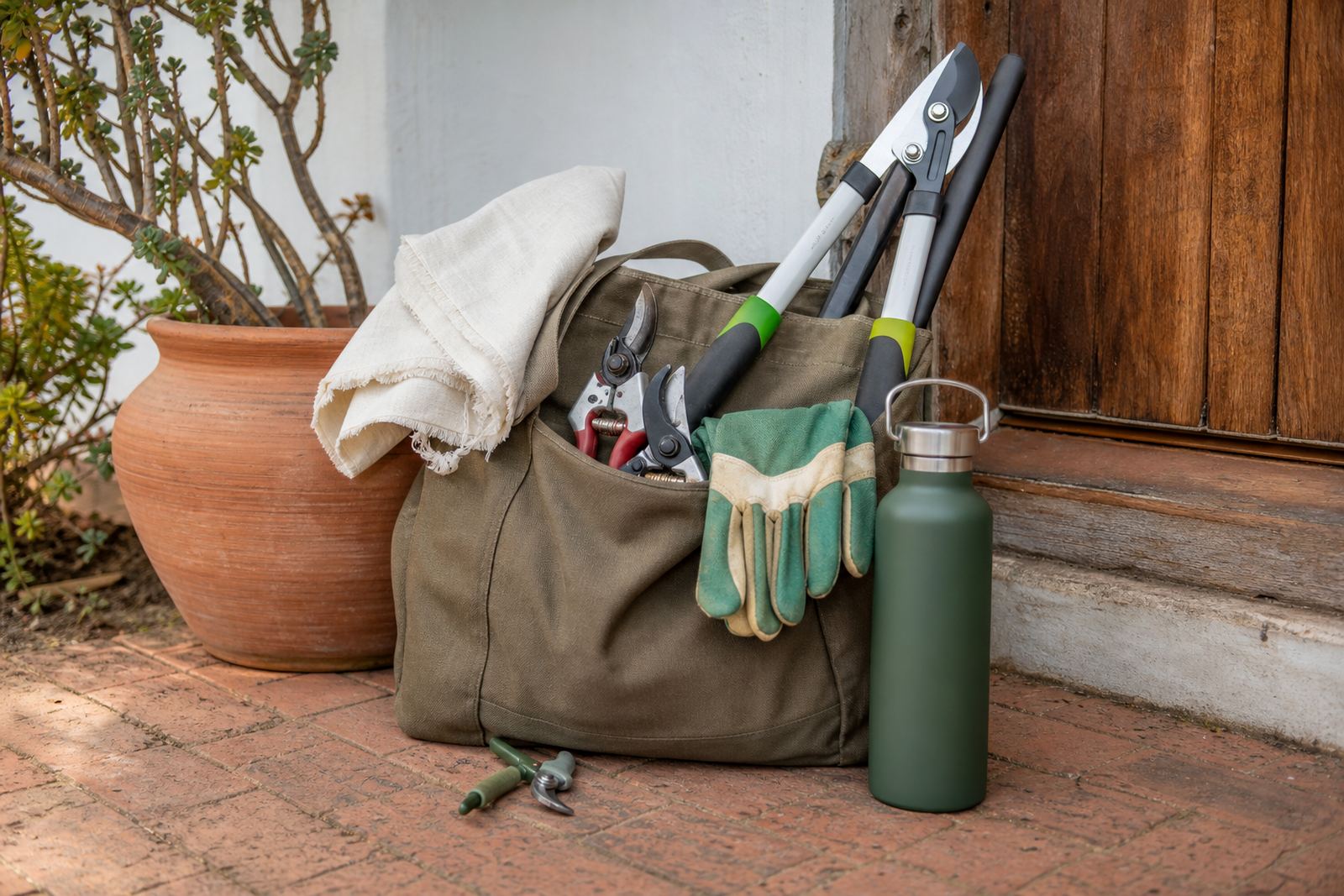
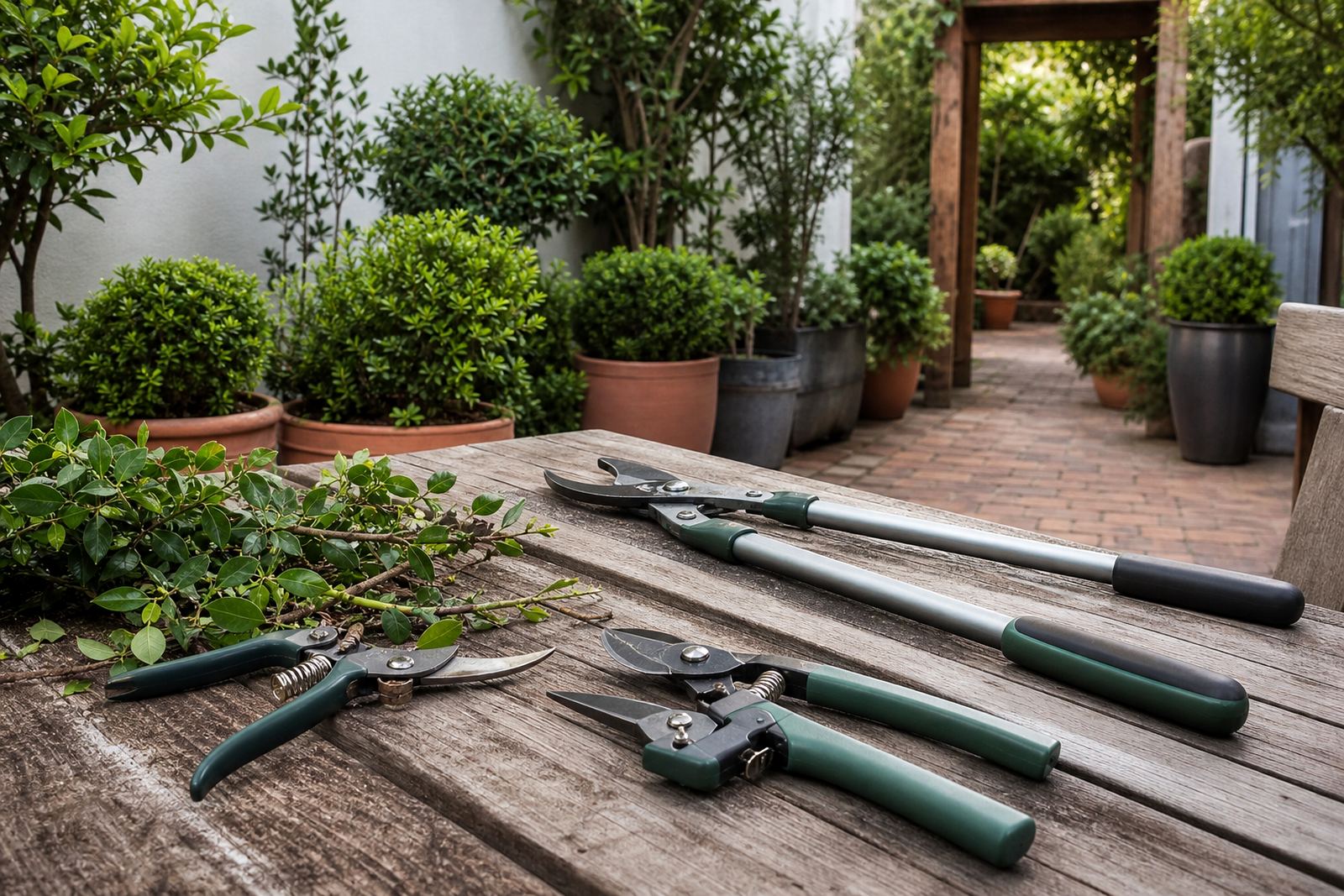
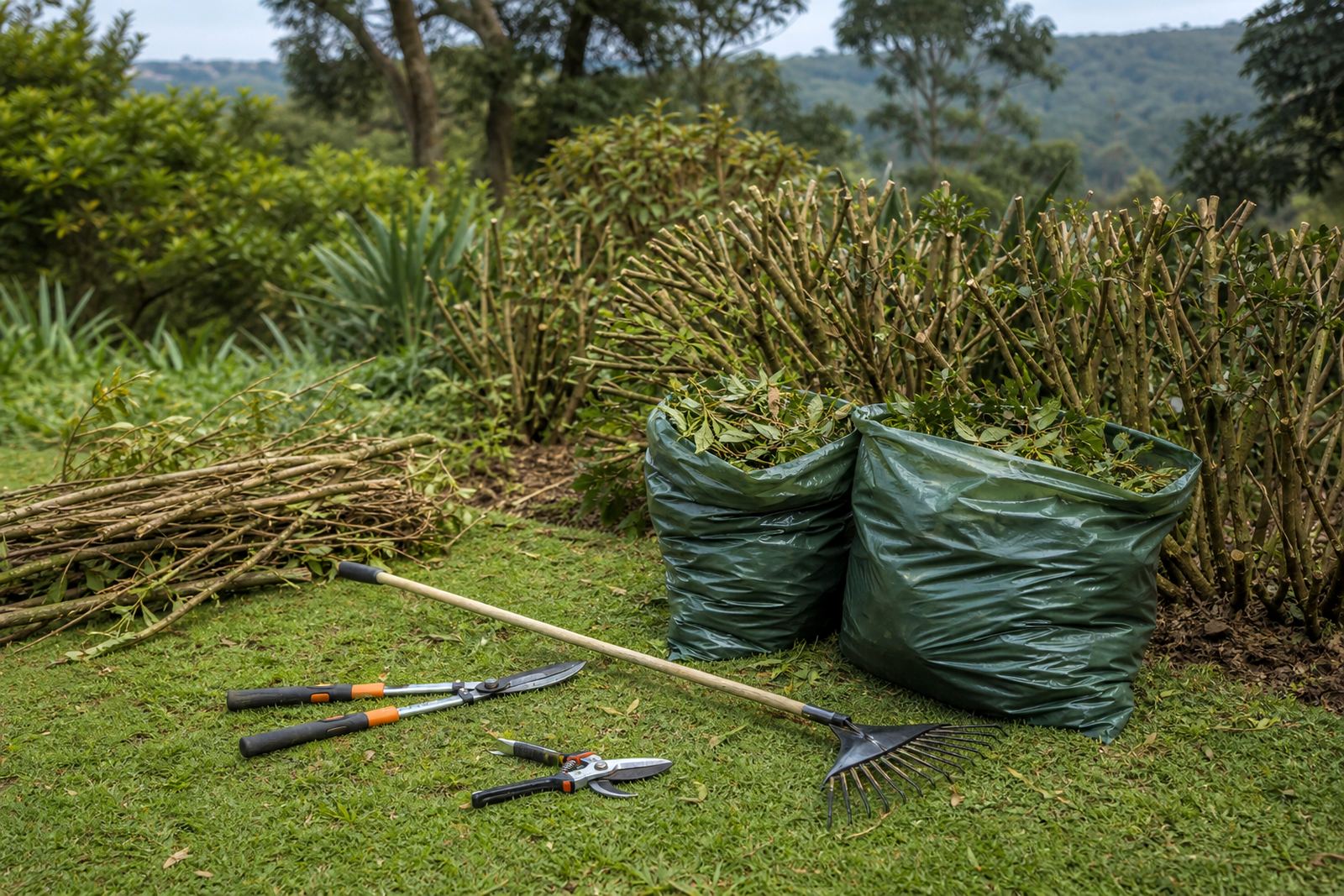
The right tool matters, especially if you are working through several trees or need to repeat the job in stages. Garden pruning shears suit smaller shoots and fruit stems. Loppers are better where growth has hardened or where you need extra leverage without forcing the cut. Hedge tools can help shape surrounding growth so the fruit tree has room to breathe, though they should be used carefully around productive wood.
Comfort also counts. If the handles are loose, the pivot is tight or the grip is worn, your hands tire quickly and the cuts become less accurate. That is where regular servicing helps. Sharpening, spring replacement, pivot adjustment and grip replacement all keep the tool working properly. In a busy season, especially for landscapers and orchard caretakers, it is worth checking your tools before every round of thinning. It saves time and reduces strain on wrists and shoulders.
- Use shears for small shoots and fruit stems
- Use loppers for thicker side growth
- Check blade sharpness before each session
- Replace worn grips and tired springs early
A Pietermaritzburg example from a small backyard orchard
In Mkondeni and nearby Pietermaritzburg suburbs, many home gardens carry one or two fruit trees planted close to other shrubs, washing lines or boundary walls. A common case is a young peach tree that has grown well but is carrying too many fruitlets after a good spring. Left alone, it may set a heavy crop that weakens the branches and gives you plenty of small fruit with poor colour. A simple thinning pass can turn that around.
The first step is clearing the centre enough for light to reach in. Then remove crowded fruit so the remaining ones sit apart. If a branch has bent too far, take off some weight from the outer end first. By the time harvest comes, the tree is easier to pick, the fruit sizes more evenly and the gardener does not need to fight through a mass of tangled growth. It is practical work, not fancy work, and it makes a real difference in an ordinary backyard.
For gardeners and landscapers who manage several properties, a seasonal thinning plan is often better than rushing through the job all at once. The tree tells you what it needs if you take the time to look closely.