
Start With a Clear Pile Before You Cut
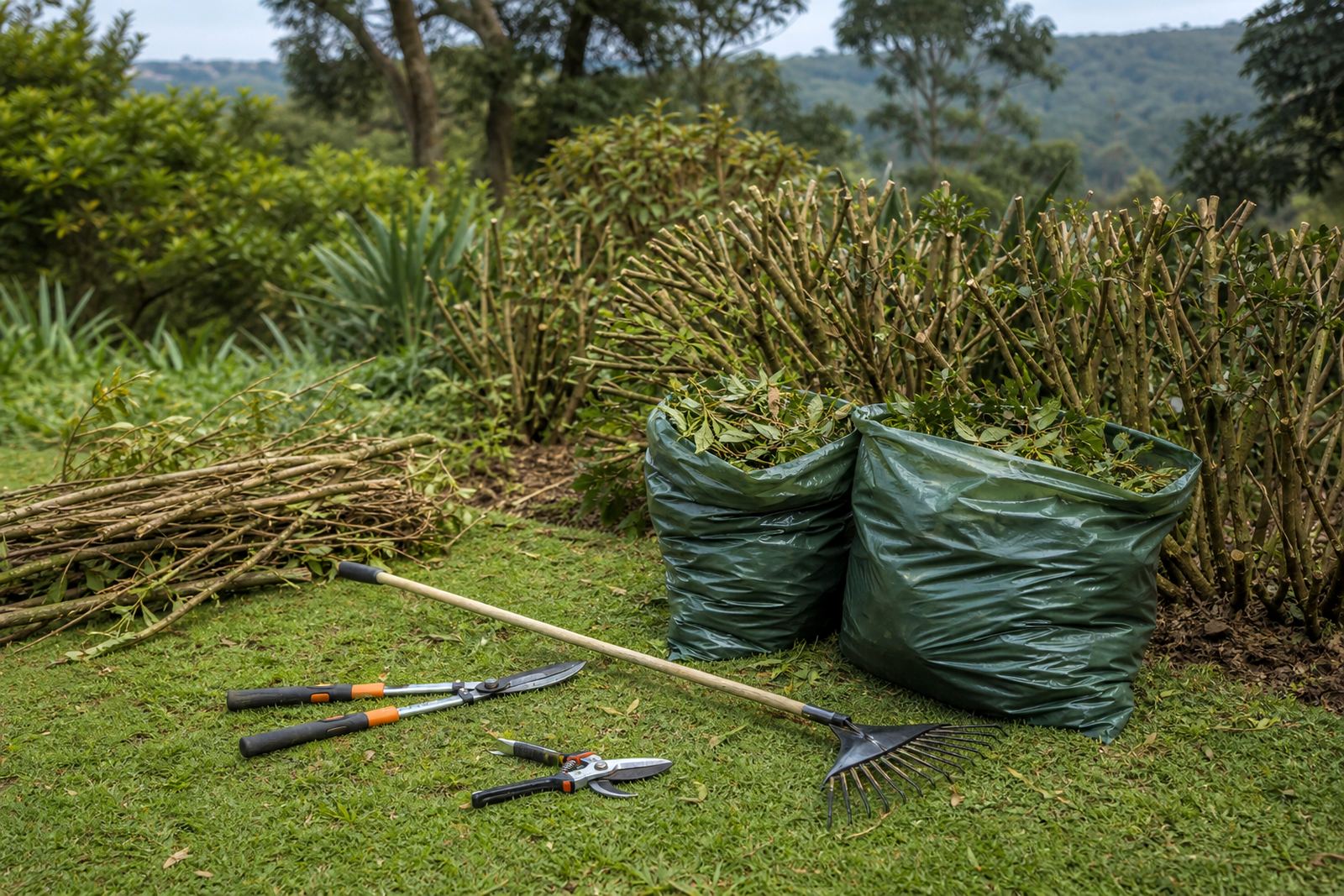
Good pruning work begins with a place for the waste to go. If you are trimming roses, shaping a hedge or thinning shrubs, set out a bag, crate or tarp before the first branch comes down. In Pietermaritzburg gardens, where morning dew can keep pathways slick for a while, loose clippings on paving can become a hazard fast.
For small jobs, a wheelie bin or strong rubble bag is often enough. For larger hedges and boundary shrubs, spread a tarp beside the work area and pull the cut material onto it as you go. This saves time later and keeps the work zone neater, especially when you are moving around with pruning shears or loppers in hand. A tidy setup also makes it easier to spot thorns, off cuts and tripping points.
- Place waste containers on level ground
- Keep a clear walking path to gates and taps
- Use a tarp when pruning in sections
- Separate light clippings from thicker branches as you work
Sort Green Waste by Size and Type
Not all garden waste should be handled the same way. Soft leaf cuttings, woody stems, hedge trimmings and thorny branches each need different treatment. Sorting them while you work helps you decide what can be composted, what should be bundled and what must be taken away.
Soft green clippings from hedges and grass edges break down quickly, so they are useful for compost if they are not diseased. Woody stems from rose pruning, climbers and shrubs take longer to rot, and may need to be chipped or cut down smaller. Thorny material such as bougainvillea and certain shrubs should be placed in a separate pile so nobody gets scratched when carrying bags or loading a trailer. It sounds simple, but this one step saves a lot of hassle later.
- Compost healthy leaves and soft trimmings
- Bundle woody stems with twine or reusable ties
- Keep thorny off cuts in a marked pile
- Remove any diseased material from compost streams
Keep the Work Area Safe While You Clean Up
Garden waste causes more problems when it is left underfoot. A single pile of clipped branches can hide uneven paving, loose stones or garden hose ends, and that is where cuts and falls happen. When working near driveways, boundary walls or steps, clear the area in short intervals instead of waiting until the end.
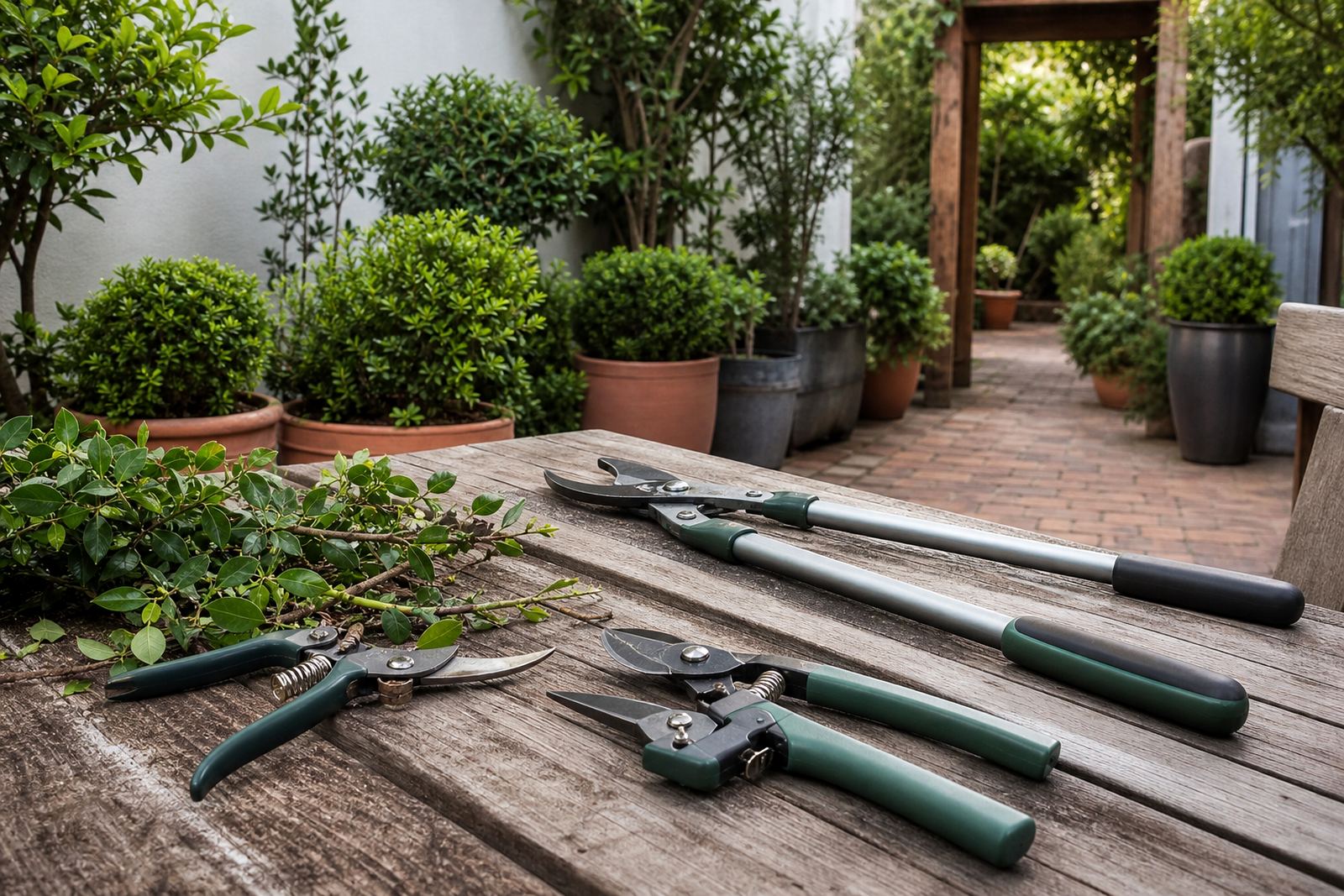
If you are using hedge shears or loppers, put tools down in one fixed spot and not in the grass. That way nobody steps onto a blade or trips over an open pair. For homes in Durban or along the coast, damp conditions can also make cut leaves stick to paving and patio tiles, so a quick sweep with a stiff broom helps a lot. In windy weather, especially in open yards in Johannesburg or Pretoria, lighter trimmings can blow into drains or neighbouring properties if they are not collected promptly.
- Move cut waste away from steps and doorways quickly
- Never leave tools hidden in grass or under branches
- Sweep paved areas before moving to the next section
- Check that stormwater drains stay free of leaf build-up
Choose the Right Container for the Job
The right container makes waste handling much easier. Small hand prunings fit well into garden refuse bags, while heavier hedge cuttings are easier to manage in a crate or tarp that can be lifted by two people. If you are doing repeated pruning at a site in Gqeberha, where salt air can leave tools and fittings looking tired faster, keeping waste in dry containers also helps prevent extra mess during transport.
For landscapers and home gardeners alike, the aim is to move the waste once, not three or four times. Fill bags only to a manageable weight so they are not difficult to carry. A bag that is too full tears easily and can spill sharp ends onto the ground. Use smaller loads where there is a long walk to the gate, or where municipal collection rules require tied bundles. It is better to make two neat trips than one heavy, awkward one.
- Use bags for light green waste
- Use crates or tarps for bulky hedge clippings
- Keep loads small enough to carry safely
- Tie bundles securely before moving them
Compost, Mulch or Remove It Properly
Once the waste is sorted, decide where each pile should go. Healthy soft material can be composted if your garden has the space and you can turn the heap regularly. Shredded clippings can also be used as mulch around beds and trees, but only in thin layers so they do not mat together and hold too much moisture.
In many municipal areas, garden refuse has to be placed out according to local collection rules, and some estates have their own restrictions too. If you are unsure, ask your local waste service or estate manager before you leave bags on the kerb. For larger gardens in Hilton or Howick, where weekly clean-ups can generate more waste than expected, it may be worth planning a separate removal day so the pruning job does not crowd the driveway for too long. A neat disposal plan keeps the work practical and prevents complaints from neighbours.
Servicing Tools Helps Waste Come Off Cleaner
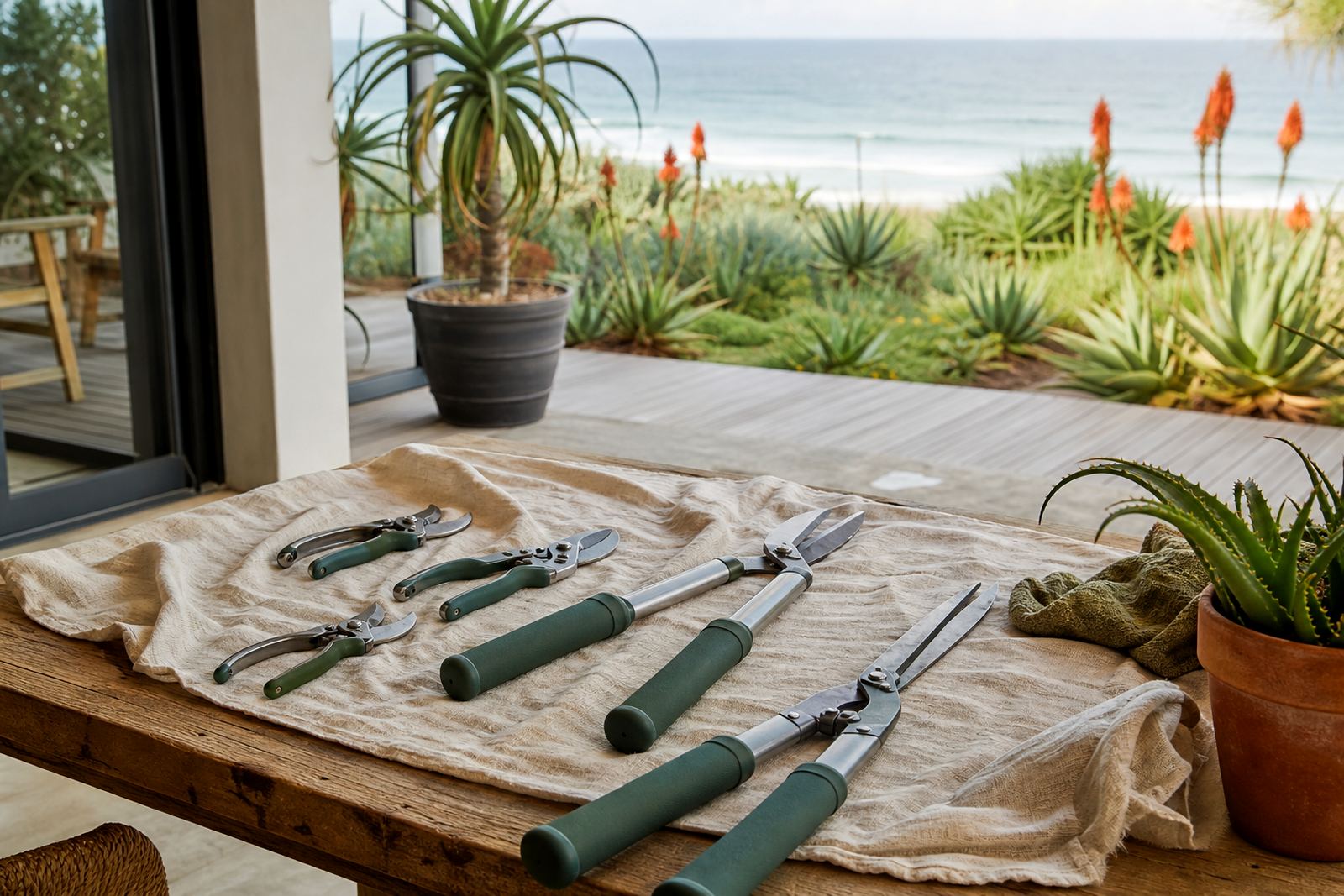
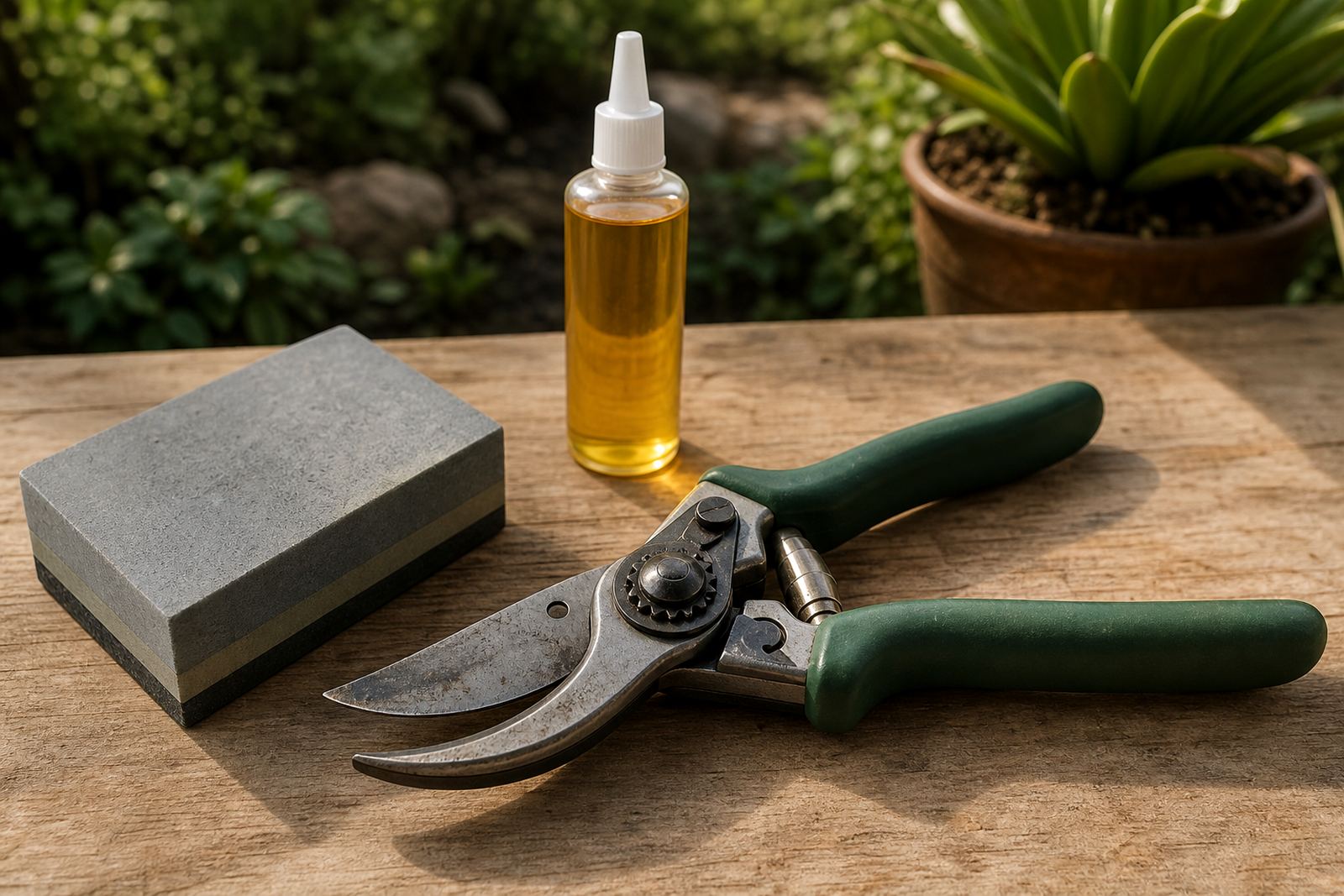
Well maintained tools make cleaner cuts, and cleaner cuts usually create tidier waste. A sharp blade slices through stems instead of crushing them, which means less ragged debris and fewer torn fibres to gather up later. If you are using secateurs, loppers or hedge tools often, keep them serviced so they stay comfortable in the hand and do not slow you down.
At Cut Tools Garden, tool care matters because garden work is easier when the cut is clean and the cleanup is simpler. Blade sharpening, spring replacement, pivot adjustment and rust removal all help your tools stay in working order. For crews that prune often across Pietermaritzburg or travel between sites in Durban and Johannesburg, fleet care plans can keep equipment ready for the next job, not half working and half giving trouble. That makes sorting waste quicker too because the cut material is more even and easier to bundle.
A Pietermaritzburg Example That Shows the Difference
Think of a Saturday morning hedge trim in Mkondeni or a home garden in Hilton after a wet week. The first instinct is often to cut everything and worry about the mess afterwards. But when the gardener sets out a tarp, separates woody stems from soft clippings and clears the paving every few minutes, the whole job moves faster. There is less backtracking, fewer sharp bits underfoot and less time spent dragging waste through the house side passage. Small habits like these save effort, and they make the garden look cared for before the waste even leaves the property.
Whether you are a homeowner keeping up with a back yard or a landscaper managing multiple plots, sorting garden waste is part of the pruning job, not an extra task at the end. The cleaner your system, the safer the work area and the easier it is to finish properly.