Why timing matters more than the date on the calendar
Roses can take a fair amount of pruning, but only when they are ready for it. Prune too early and a warm spell can push soft new shoots that get knocked back by a cold snap. Leave it too late and you may cut into active growth, which can slow flowering and make the plant look untidy for weeks.
In most parts of South Africa, the safest window is late winter into early spring, when the worst cold has passed but the buds are still dormant or just beginning to swell. In Pietermaritzburg, that often means checking from late July through August. In Durban and other coastal areas, pruning can sometimes start earlier because winters are milder, while colder inland areas around Johannesburg and Pretoria may need a later start.
The real sign is the rose itself. If the stems are still resting and the buds are tight, you are usually in the right zone. If you see strong new leaf growth, you may already be late.
How to read the rose before you make the first cut
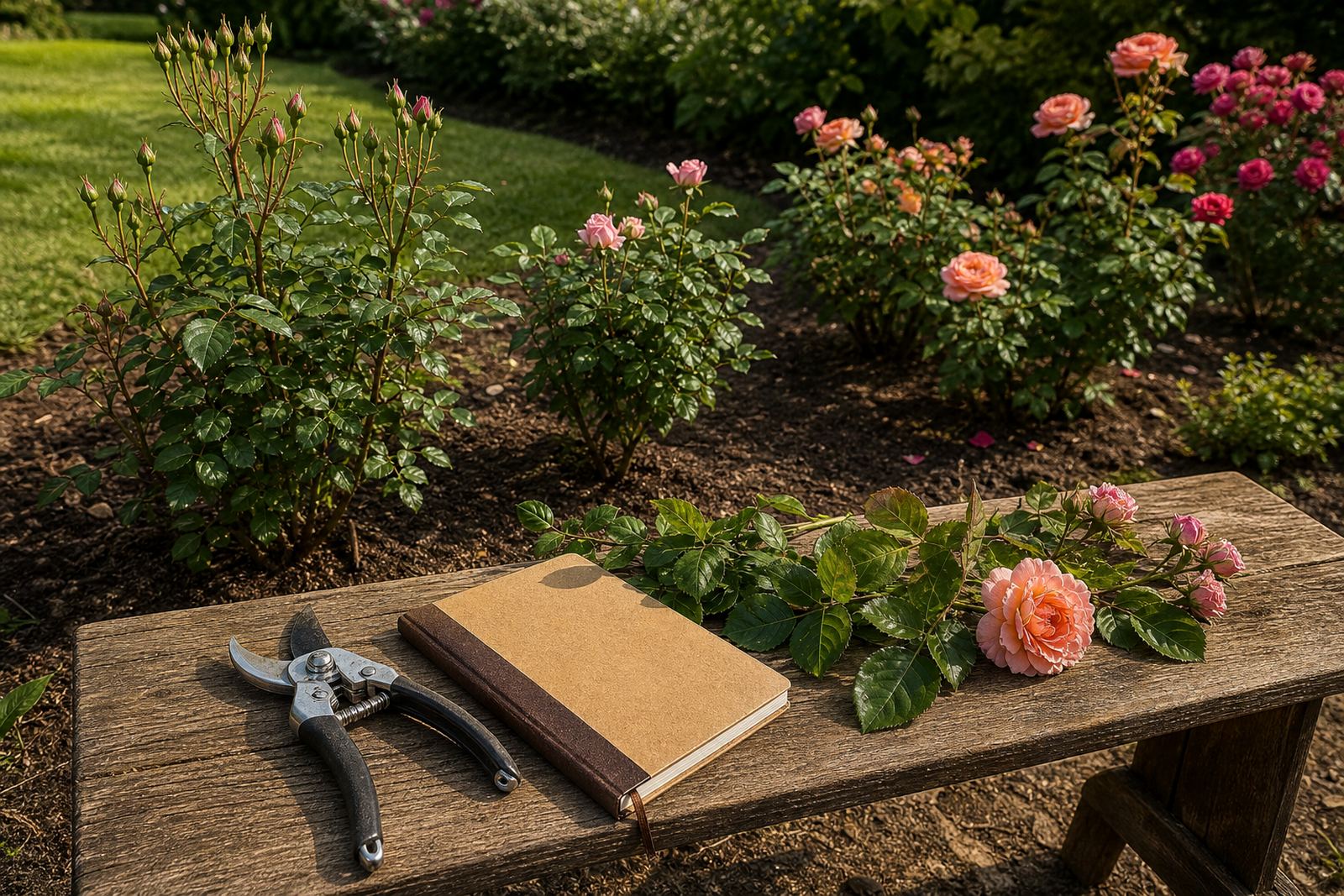
Different roses speak at different times. Bush roses, hybrid teas, floribundas and many older garden roses often benefit from a once-a-year winter prune. Climbing roses and ramblers need a lighter hand, with pruning tied to flowering habit and plant age rather than one fixed rule.
Look for these signs before you start:
- Bare stems with dormant buds are a good sign the plant is ready.
- Dead, blackened or crossing canes show where thinning is needed.
- Fresh green shoots at the base mean the plant is waking up.
- Any canes that rub together, split or hang low should be removed.
Take a slow walk around the plant first. Roses show you what to cut if you give them a minute. On older shrubs, the centre can become crowded, and that is where airflow suffers most.
Late winter pruning in KwaZulu-Natal and other regions
For many home gardens around Pietermaritzburg, late winter pruning is practical because the cold is usually not as hard as in inland highveld areas. Still, frost pockets can surprise you in lower-lying spots and near open fields, so do not rush because the afternoons feel warm.
Coastal gardens from Durban to Gqeberha often carry more humidity, which can lead to mildew and black spot if bushes are left too dense. A well-timed prune improves airflow and lets the plant dry faster after rain or watering. In hotter inland areas, pruning too early can expose tender shoots to sun scorch and dry wind, especially where irrigation is limited.
As a rule, aim to prune when winter growth has slowed and before spring feeding really kicks in. That gives the rose time to recover and push new stems with better balance.
What to cut back and what to leave alone
Good pruning is selective, not severe for the sake of it. The aim is a stronger framework with enough open space for light and air. For most bush roses, remove dead wood first, then weak stems, then any canes that cross through the middle. Leave the strongest canes and shorten them to an outward-facing bud.
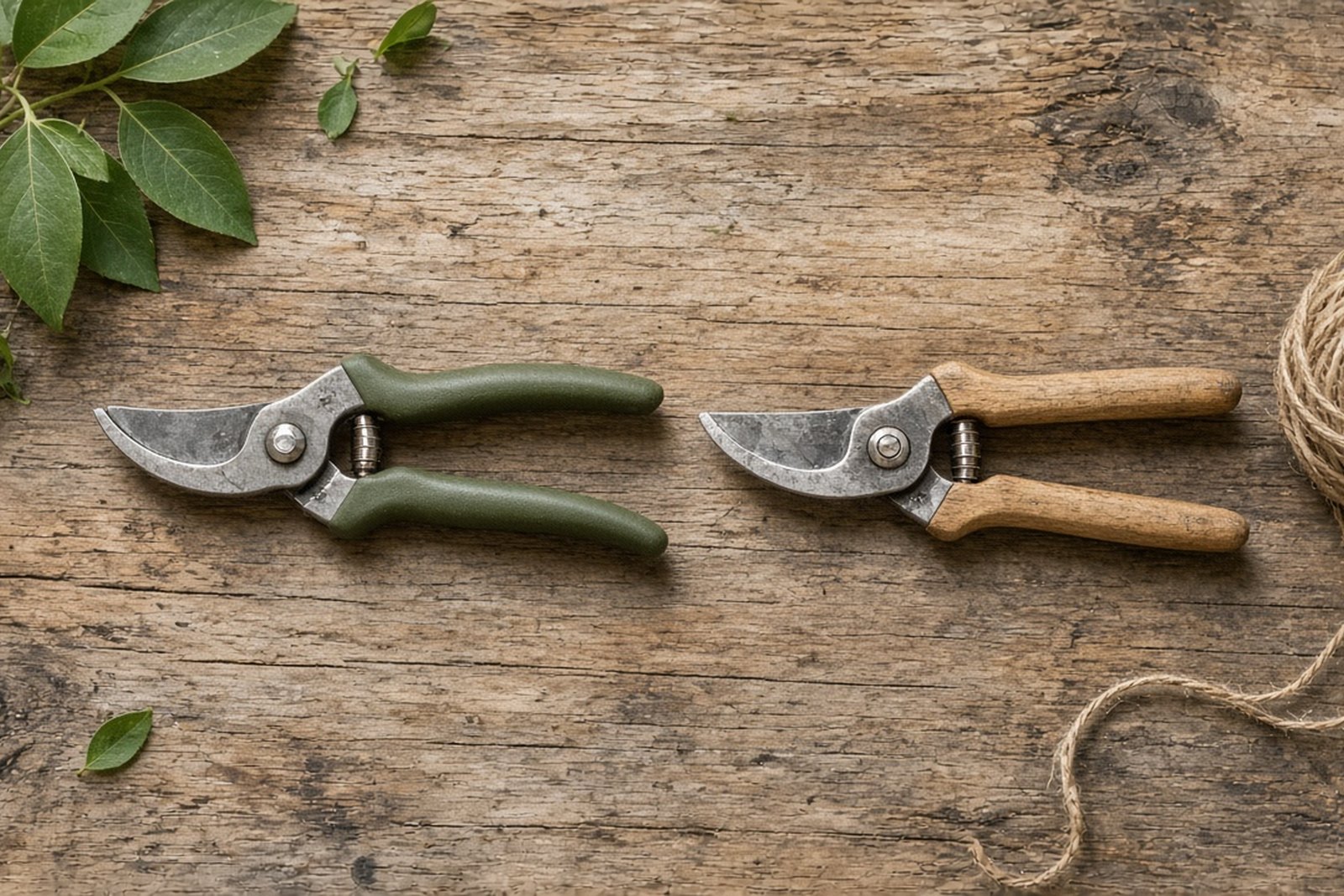
Use clean, sharp pruning tools so the cut is smooth and the stem is not crushed. A blunt blade can tear the bark and invite disease, especially in damp weather. If the wood is old and woody, take your time and make sure the cut is firm in one pass rather than repeated sawing.
- Cut about 5 mm above an outward-facing bud.
- Remove dead, damaged or diseased stems first.
- Thin out crowded centres for better airflow.
- Shorten long stems to keep the plant balanced.
Do not strip a healthy plant bare unless it is an old rose that needs renewal. Most roses respond better to steady shaping than a hard chop. A careful cut now can save a lot of trouble later, especialy in wet weather.
Climbing roses, repeat bloomers and older shrubs
Not every rose should be treated the same. Climbing roses usually flower on older stems, so heavy winter pruning can remove this season’s flower wood. With climbers, start by removing dead growth and tying in healthy canes, then trim side shoots after flowering where needed. Repeat bloomers can be managed lightly in winter and again after the main flush.
Older shrub roses often benefit from gradual renewal. If a plant has become woody and sparse at the base, remove one or two of the oldest stems right down low each year rather than cutting everything back at once. That keeps the root system active while encouraging new basal shoots.
- Climbers: prune lightly and preserve main canes.
- Repeat bloomers: shape after flowering and tidy in winter.
- Old shrubs: renew in stages over 2 to 3 seasons.
When in doubt, prune less and observe. A rose will tell you quickly if it liked the timing. Strong new growth and clean flowering are the best signs you got it right.
A Pietermaritzburg example from a mixed home garden
In a Mkondeni garden with a few hybrid teas near the driveway and climbers along a sunny fence, the best pruning window is usually late July into August. The bushes are still quiet, but the days have started to warm. That timing helps avoid a flush of soft growth during the last cold nights, and it also gives the gardener time to clean up spent mulch, old leaves and any black spot before spring rains build up.
For the hybrid teas, the gardener might remove three or four of the oldest canes and reduce the rest to a neat open shape. For the climbers, the main canes stay in place and only the side shoots are shortened. This mix keeps the garden tidy without losing next season’s flowers. If the garden is exposed to coastal moisture, a little extra spacing between stems can make a real difference.
That same approach works well in many South African gardens, whether the space is a small front yard in Durban or a larger property in Pretoria. The climate changes, but the principle stays the same: prune when the rose is ready, not when the mood takes you.