Why a little oil matters after a busy pruning day
When a pair of secateurs starts to feel stiff, the problem is often not the blade itself but the moving parts. The pivot, spring and locking points carry most of the stress each time you cut, so if they dry out or collect sap, the tool begins to drag and the handles feel heavier in the hand.
For home gardeners in Pietermaritzburg, Durban and other humid parts of KwaZulu-Natal, this matters even more. Moist air, irrigation overspray and green sap can leave a fine sticky film that traps dust. If that film stays on the tool, it can turn into grime around the pivot and slowly wear away the action. A simple oiling routine after use helps keep the movement light and the cut more precise.
It is not only about comfort. Better movement means less strain on your wrist and fingers, which is useful if you are pruning rose beds, shaping hedges or working through a full garden on a Saturday morning. A tool that opens and closes freely also gives a cleaner cut, which is kinder to stems and branches.
The parts that need attention first
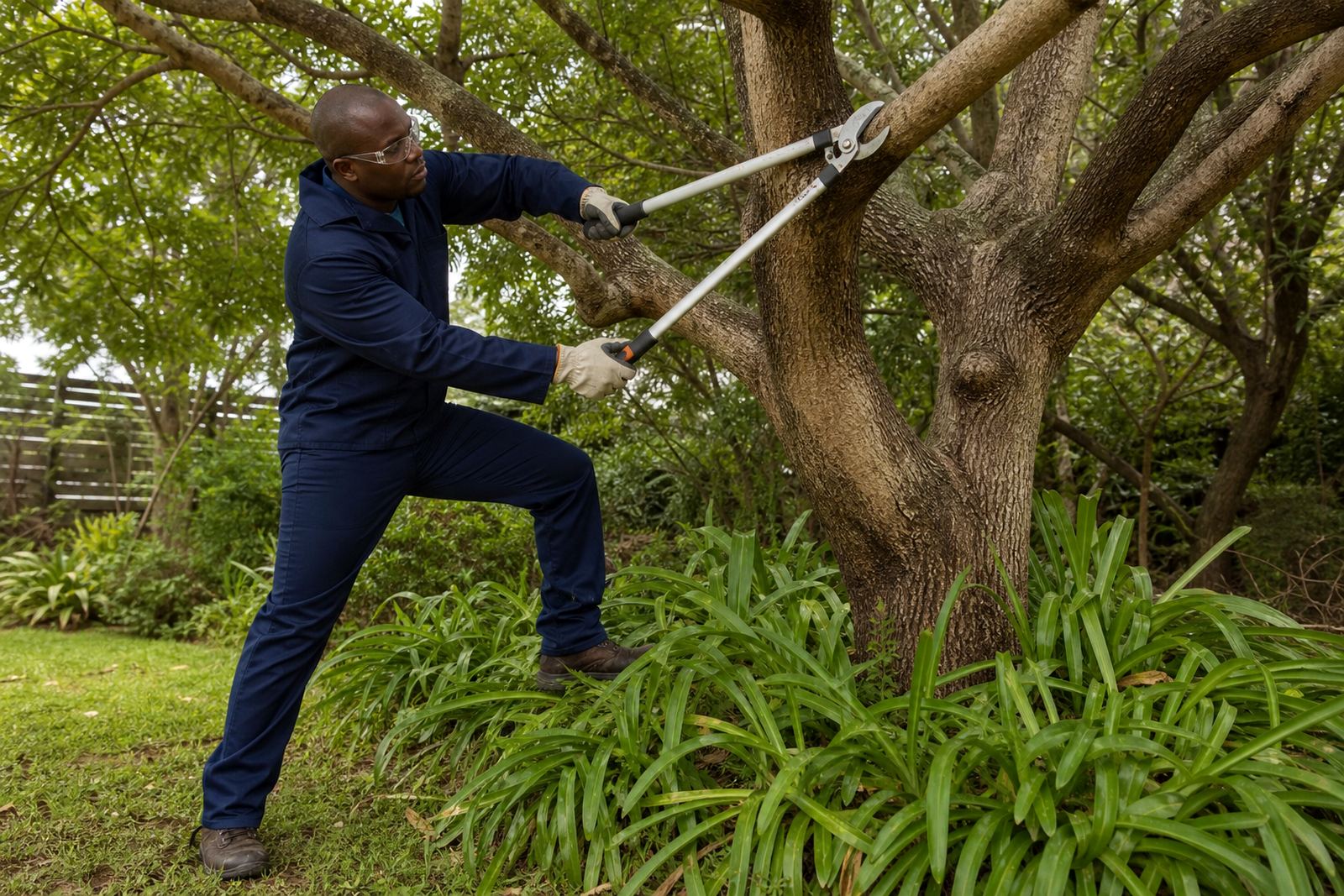
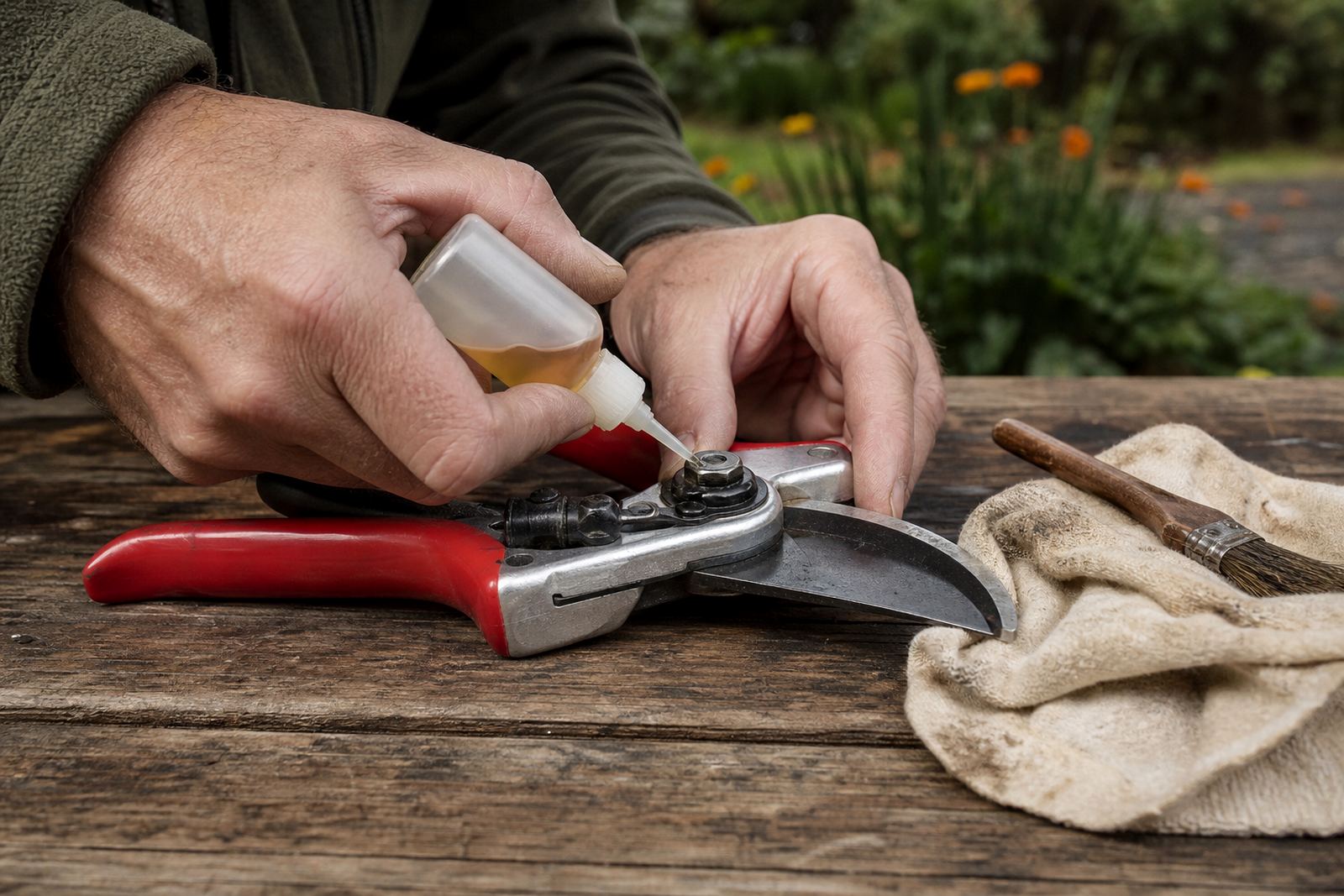
Not every part of a cutting tool needs the same treatment. Start with the places that move or rub against each other, because that is where wear begins. On secateurs and loppers, the pivot bolt is usually the main point to oil. Springs, locking clips and any exposed metal joint should also get a light coat.
- Pivot area on secateurs and loppers
- Coil or leaf spring where fitted
- Locking catch and release point
- Blade contact area near the joint
- Any exposed metal screws or washers
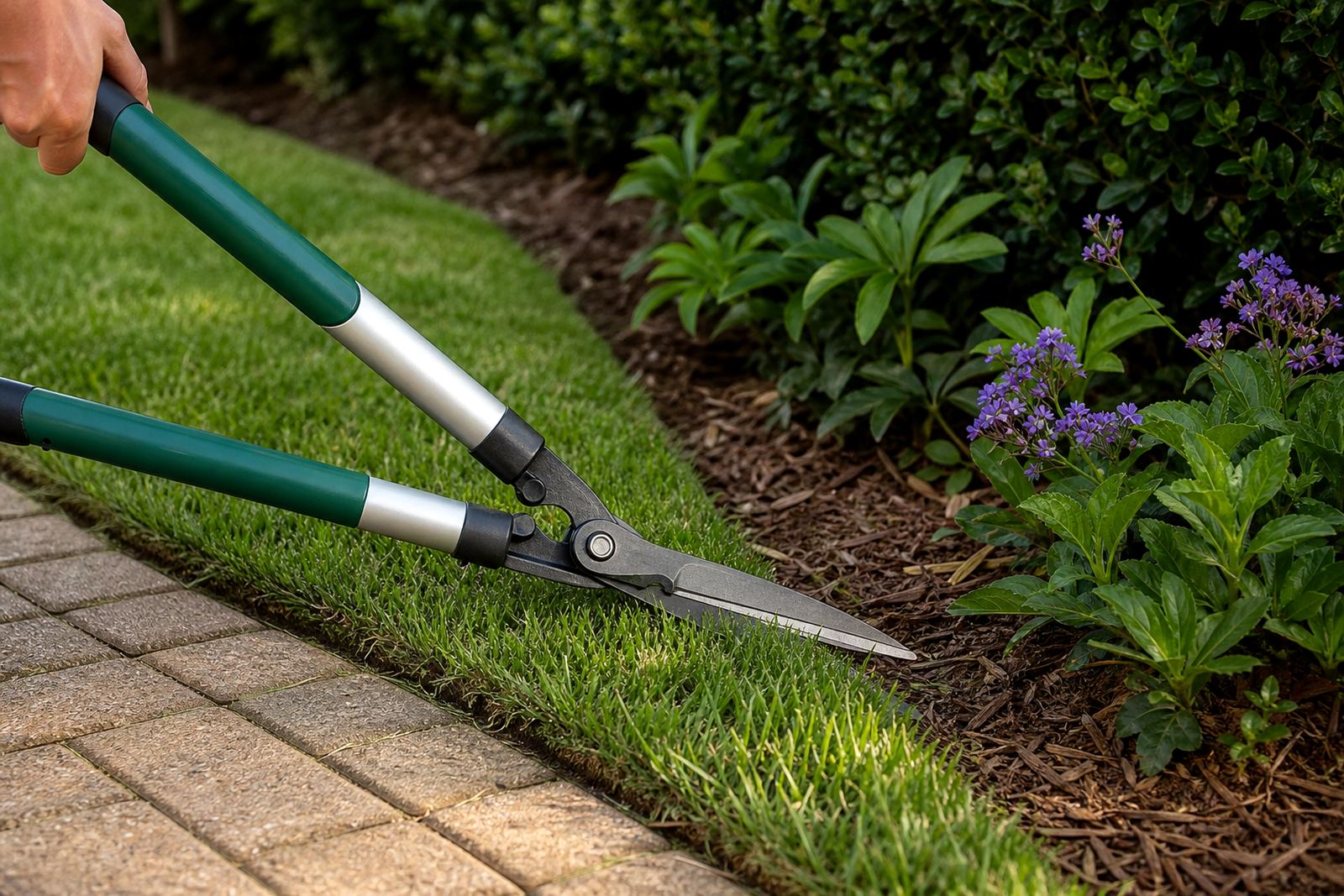
For hedge tools, look at the hinge point and handle join if the tool has one. If the tool has adjustable tension, check that the adjustment stays firm after cleaning and oiling. Do not drown the whole tool in oil. A thin film is enough. Too much oil attracts dust and can make the handles slippery, which is not ideal when you are working near thorny plants or on uneven ground.
A practical oiling routine for South African gardens
Use this as a quick end-of-day routine after pruning, especially if the tool has touched sap, wet grass or dusty soil. It takes only a few minutes and saves a lot of frustration later.
- Wipe off loose dirt and plant sap with a dry cloth.
- Wash stubborn residue with warm water and a little mild soap if needed, then dry fully.
- Open the tool and apply a small drop of light oil to the pivot and spring.
- Work the handles open and closed several times to draw the oil into the joint.
- Wipe away any extra oil from the blade edges and handle surfaces.
- Store the tool in a dry place, not on damp concrete or in wet potting soil bags.
In coastal areas like Durban and Gqeberha, many gardeners keep a cloth and small oil bottle in the shed or tool box so they can do this straight after use. In dry inland towns like Pretoria and Johannesburg, dust is the bigger issue, so wiping before oiling helps prevent the joint from turning gritty. If load-shedding interrupts your routine, keep the tools clean and dry until you can finish the job properly. Never leave damp tools closed up in a bag overnight.
What to use, and what to avoid on the joint
A light machine oil or general-purpose tool oil works well for most moving parts. The aim is to reduce friction without leaving a heavy sticky layer. If the joint is already stiff, clean it first before applying oil. Oil alone will not fix a build-up of rust or old sap.
Avoid thick grease on small hand tools unless the maker specifically recommends it. Grease can hold grit and make the movement feel worse over time. Also avoid soaking wooden or soft-grip handles, because excess oil can affect the grip or make the handle surface tacky.
- Use a small amount, not a flood
- Apply after cleaning and drying, never over mud
- Keep oil off cutting edges when sharpening is still due
- Wipe handles after oiling so the grip stays safe
- Check for any looseness while the tool is open
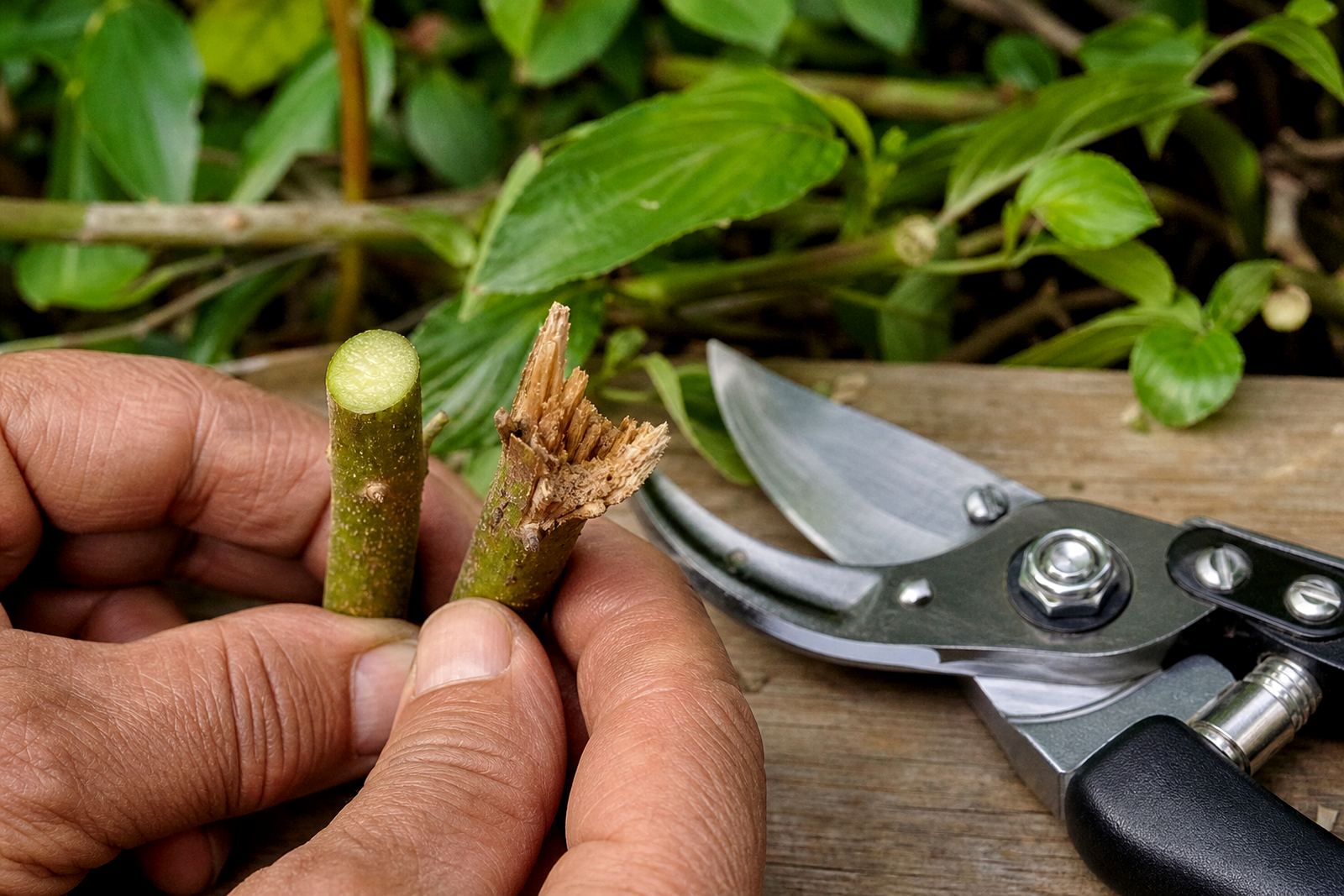
If you notice the pivot is loose even after oiling, the tool may need adjustment. A loose joint can let the blades misalign, which makes cutting harder and can bend smaller stems instead of cutting them cleanly. That is a sign the tool needs more than a quick wipe.
Signs your tool needs more than a quick oiling
Oiling is part of maintenance, but it is not a cure-all. If a tool still feels rough after cleaning and oiling, there may be deeper wear in the spring, washer or pivot. Rust can also spread under the surface, especially after tools have been left in a damp shed or near lawn watering equipment.
Watch for these signs:
- The handles stick halfway through the cut
- The spring jumps out of place or feels weak
- The pivot squeaks even after oiling
- The blades do not close squarely
- Rust returns quickly after cleaning
At that stage, servicing is the better option. A proper inspection can include pivot adjustment, spring replacement, rust removal and parts fitting where needed. For landscapers working across Pietermaritzburg, Hilton and Howick, keeping the whole toolset in working order saves time on site and helps crews move through hedges and shrubs without repeated stops. It also avoids that common habit of forcing a tired tool until it fails completely.
A local example from wet weather and regular use
After a stretch of humid summer weather in Pietermaritzburg, it is common to see pruning tools start to feel slower. One day of hedge trimming, followed by a damp night in the shed, is enough for the pivot to pick up moisture and sap. The next morning the tool may still cut, but it opens with less ease and the spring feels tired.
A simple routine of wiping, oiling and storing the tool dry can make the difference between a smooth day and a frustrating one. For a home gardener tidying a small courtyard or a landscaping team working through a municipal verge, that matters. The job goes quicker, the cuts are cleaner and the tool is less likely to need early replacement. It is a small habit, but it pays off.
When a tool has been used hard across several gardens, a more thorough clean and inspection is worthwhile. That is especially true after wet weather, sandy soil or heavy sap build-up. A few minutes spent on the moving parts now can save the cost of new equipment later.
Keeping the action light between servicing visits
Good oiling habits work best when they are part of a wider care routine. Store tools somewhere dry, keep blades clean, and check the pivot before each pruning session. If the tool is for a fleet or a shared landscaping kit, give each piece a quick test before it goes out again. This avoids the usual rush to sort a stiff pair of secateurs just before a job starts.
For gardeners across South Africa, from Cape Town to Gqeberha and inland to Johannesburg, the message is the same: moving parts need regular attention. Oil them lightly, wipe them properly and do not wait for the tool to seize before acting. That way the cut stays smooth, the handles stay easy to use and the tool lasts longer through many seasons.
If a tool is past the point of simple oiling, schedule servicing rather than pushing it harder. A clean pivot and a well-set spring are worth far more than fighting a sticky joint every time you open the blades.