Why wet tools rust faster in KwaZulu-Natal weather
In Pietermaritzburg, Durban and other humid parts of South Africa, moisture hangs around long after the shower has passed. That means pruning shears, loppers and hedge tools can pick up rust even if they only spent an hour outside in the rain. If sap, soil and water are left on the blades, the metal starts to stain, then pit, and that affects the cut.
Rain is not the only problem. Coastal air carries salt, while inland gardens often have damp morning grass and muddy beds after summer storms. Add load-shedding, and many gardeners are tempted to pack tools away quickly while the light is still good. A short cleaning routine now saves time and money later.
Start with a safe rinse and a proper dry down
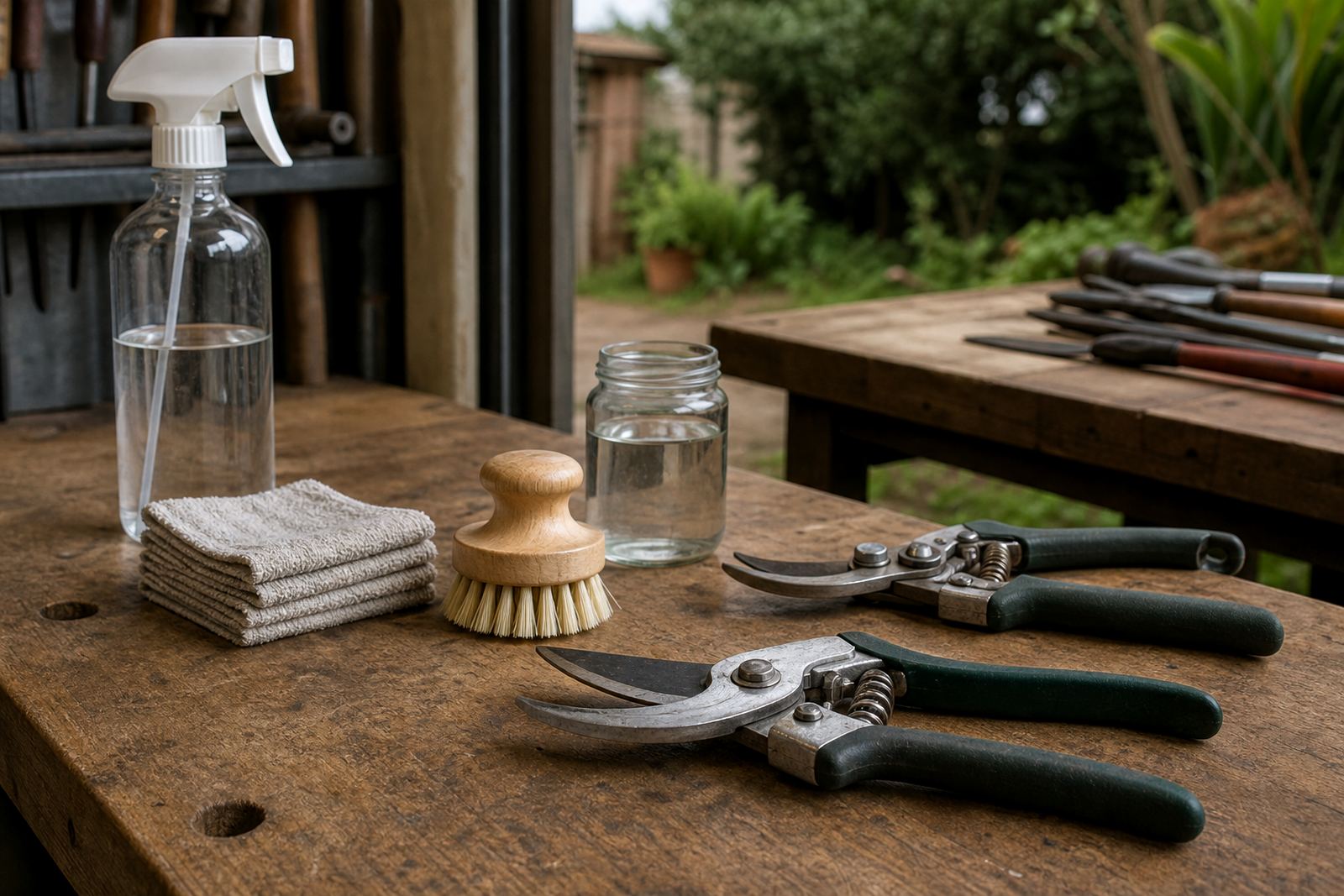
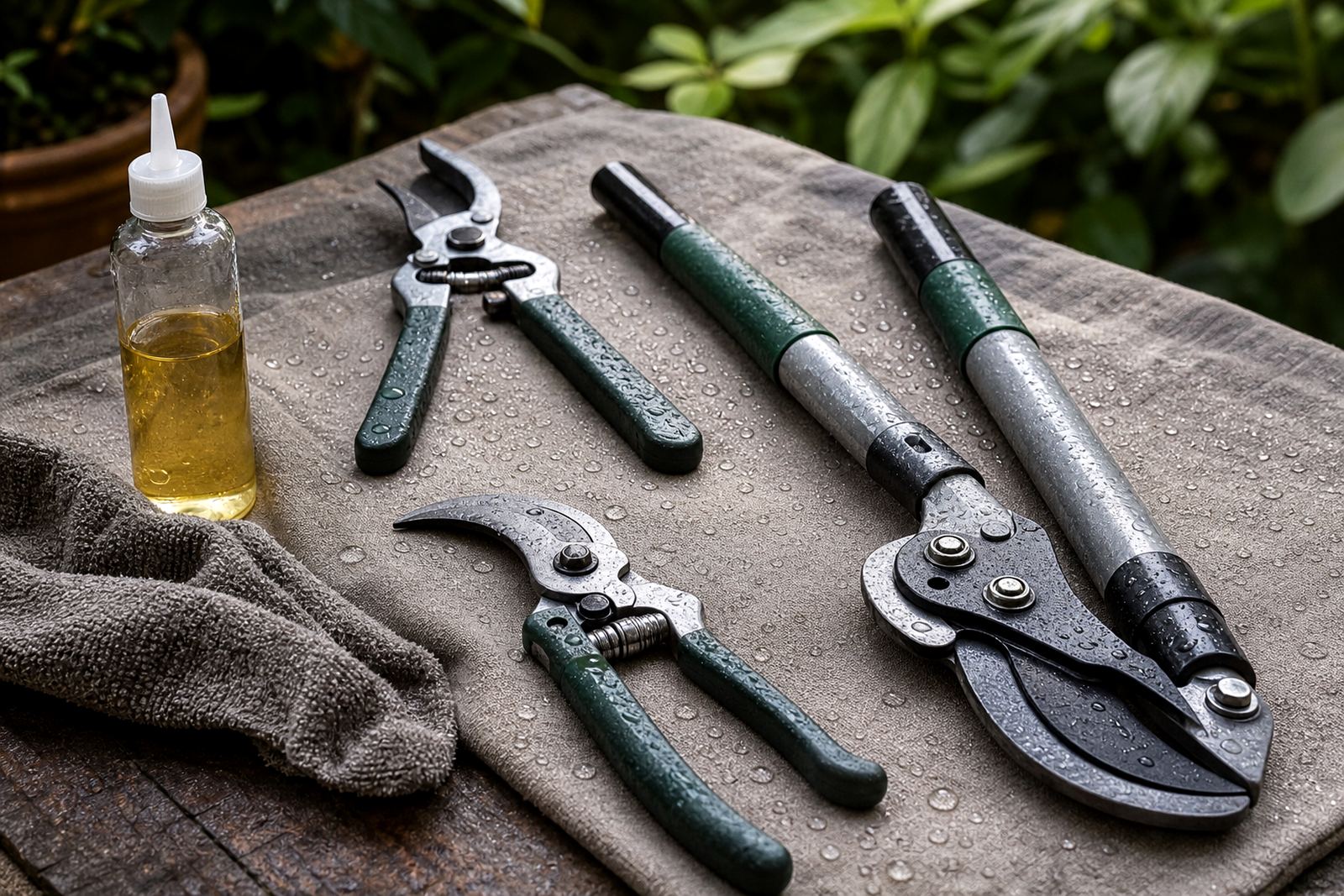
The first step is simple: remove loose dirt and plant material before anything dries hard on the blade. Use clean water to rinse off mud, then wipe the tool with a dry cloth. If sap is sticking, a little warm soapy water helps. Do not leave tools soaking in a bucket because that can drive moisture into the pivot and spring.
- Wipe blades from the spine towards the edge to avoid nicking the cutting line.
- Dry the pivot area, springs and locking points carefully.
- Pay attention to rubber grips and handle joins where water collects.
- Open and close the tool a few times while drying to clear trapped moisture.
If the job was heavy, give the tool a second wipe after ten minutes. Hidden water often shows up later around the hinge or under the screw head.
Remove sap and grit before it hardens
Sap is one of the main reasons cutting tools lose their smooth action. Once it dries, it traps grit and makes every cut feel rough. For secateurs and loppers, clean the blade faces as soon as you are finished. A cloth with a small amount of methylated spirits or light cleaning solvent can lift sticky residue, but use it carefully and keep it away from painted grips where possible.
For hedge tools, work along the full length of the blades. Grass clippings, fine sticks and dusty mulch often collect near the tip where the cut is made. If you leave that build-up overnight, the tool can feel sticky and the blade edge may dull faster. A clean blade cuts cleaner, and that matters when you are trimming at home in Howick or managing a property in Johannesburg where plants need neat, even shaping.
Oil the moving parts before you store them
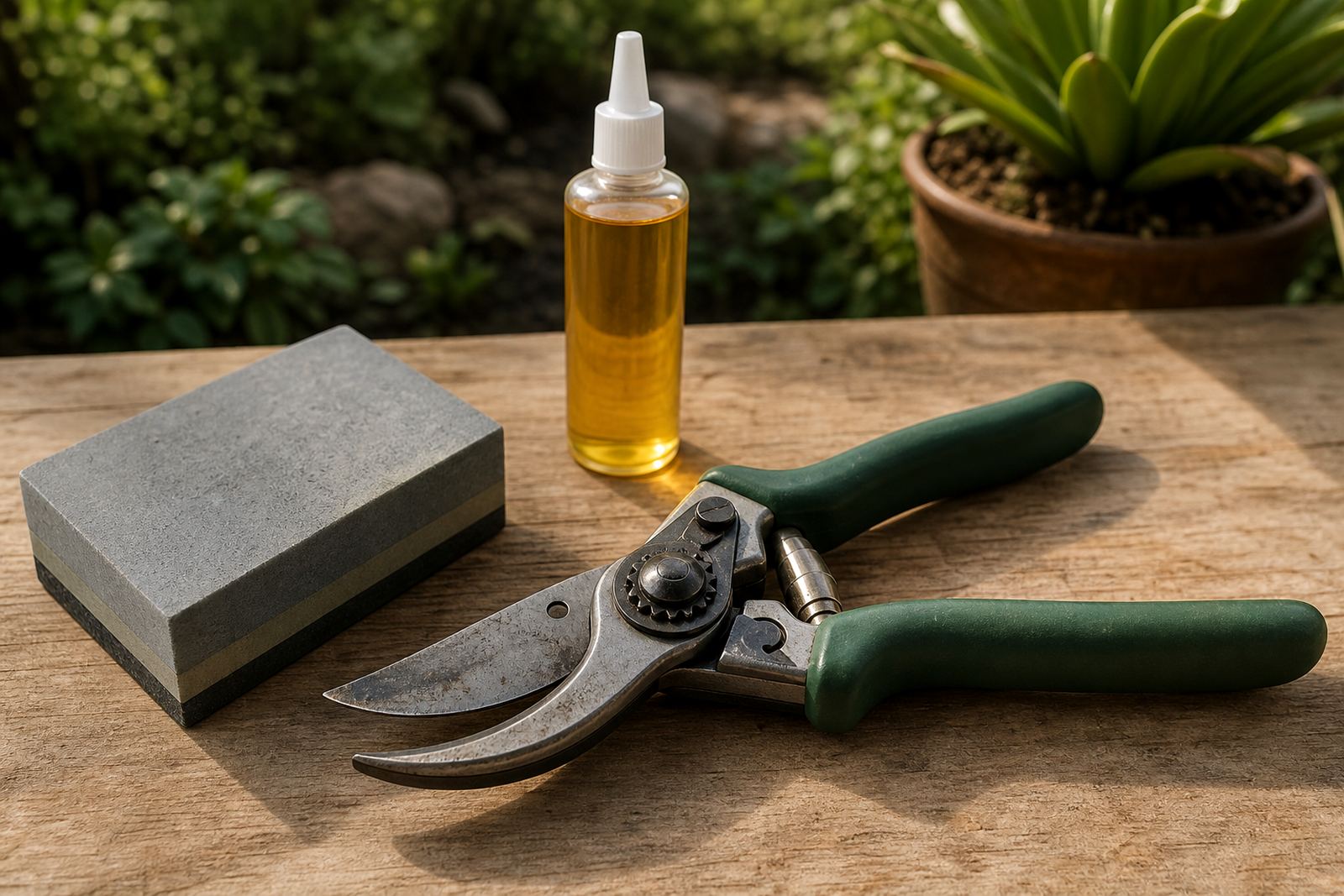
Once the tool is dry, a light coat of oil helps keep rust away. Focus on the pivot, spring, locking catch and any exposed blade surface. You do not need a heavy layer, just enough to leave a protective film. Too much oil attracts dust and fine debris, so wipe off the excess with a clean rag.
- Use a few drops on the pivot bolt and work the handles open and shut.
- Apply a thin wipe on the blade faces, especially after rain or coastal use.
- Check that the spring still sits correctly and does not jump out of place.
- Store oiled tools away from fertiliser, pool chemicals and damp concrete floors.
If you keep tools in a garden shed, peg them up or place them on a dry shelf rather than leaving them on the floor. Even a small amount of dampness from the slab can cause rust marks over time.
Check handles, springs and adjustment points while the tool is still in hand
Rain is a good time to notice small faults. If a handle feels loose, a spring is slipping, or the blade no longer closes cleanly, sort it out before the next pruning session. A rough hinge can tear plant stems and make the cut harder on your hand too. For landscapers working across Durban, Pretoria or Gqeberha, those small faults become lost time when the day is busy.
Look for cracked grips, bent screws, worn washers and any sign of rust around the adjustment point. Early servicing can prevent a tool from seizing completely. If you are not sure whether the tool needs simple maintenance or a full service, compare it with another unit or inspect how the blades meet under light pressure. A clean close and a smooth spring action are what you want.
When to bring the tool in for sharpening or servicing
Home cleaning helps, but some tools need proper attention after repeated wet use. If the blade starts crushing stems instead of cutting them, or if you can see orange rust spreading along the edge, it may be time for sharpening, rust removal or parts fitting. The same goes for loppers that no longer bite cleanly, or hedge tools that leave ragged leaf tips after a trim.
At our Mkondeni base in Pietermaritzburg, we see a lot of tools from coastal gardens where humidity works against metal almost every week. We also see tools from inland properties that were stored wet after a storm. For local home gardeners and landscapers, regular tool inspections can prevent bigger damage later and keep the whole kit in service longer.
A simple after-rain routine for busy gardeners
If you want a quick routine that fits into a wet afternoon, keep it short and consistent. The aim is not fancy care, just good habits after every session.
- Rinse off soil and sap straight after use.
- Dry the blades, spring and handle joints.
- Apply a light oil coat to the metal parts.
- Store tools off the floor in a dry spot.
- Inspect for rust, loose screws or blunt edges once a week.
A gardener in Hilton might finish pruning roses between showers, while a crew in Durban may work through damp hedges after a storm. In both cases, the same rule applies: the faster you dry the tool, the longer it lasts. Good after-rain care takes only a few minutes, but it keeps your cutters ready and helps avoid expensive replacement later.