Why topiary work starts with the right hand tool
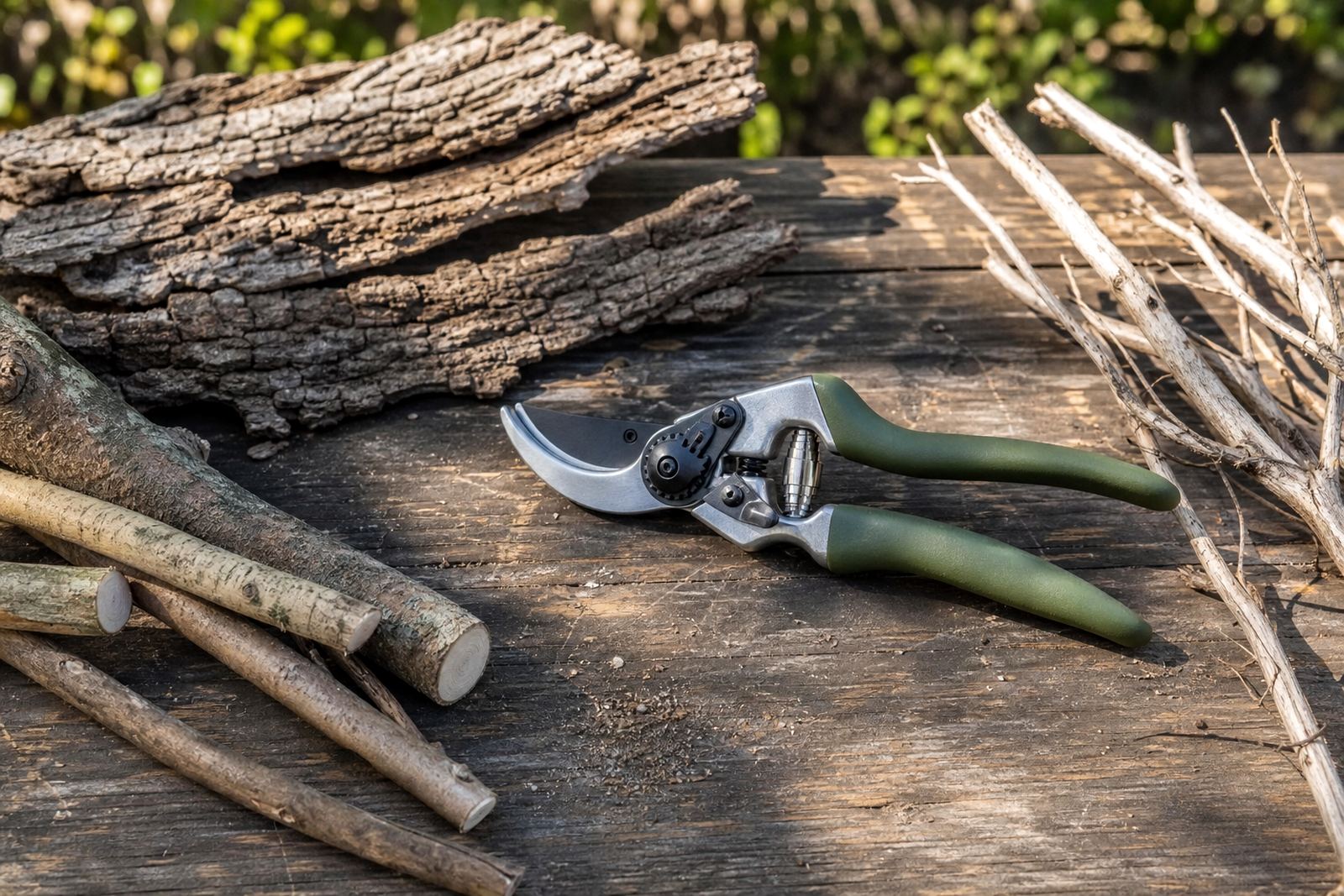
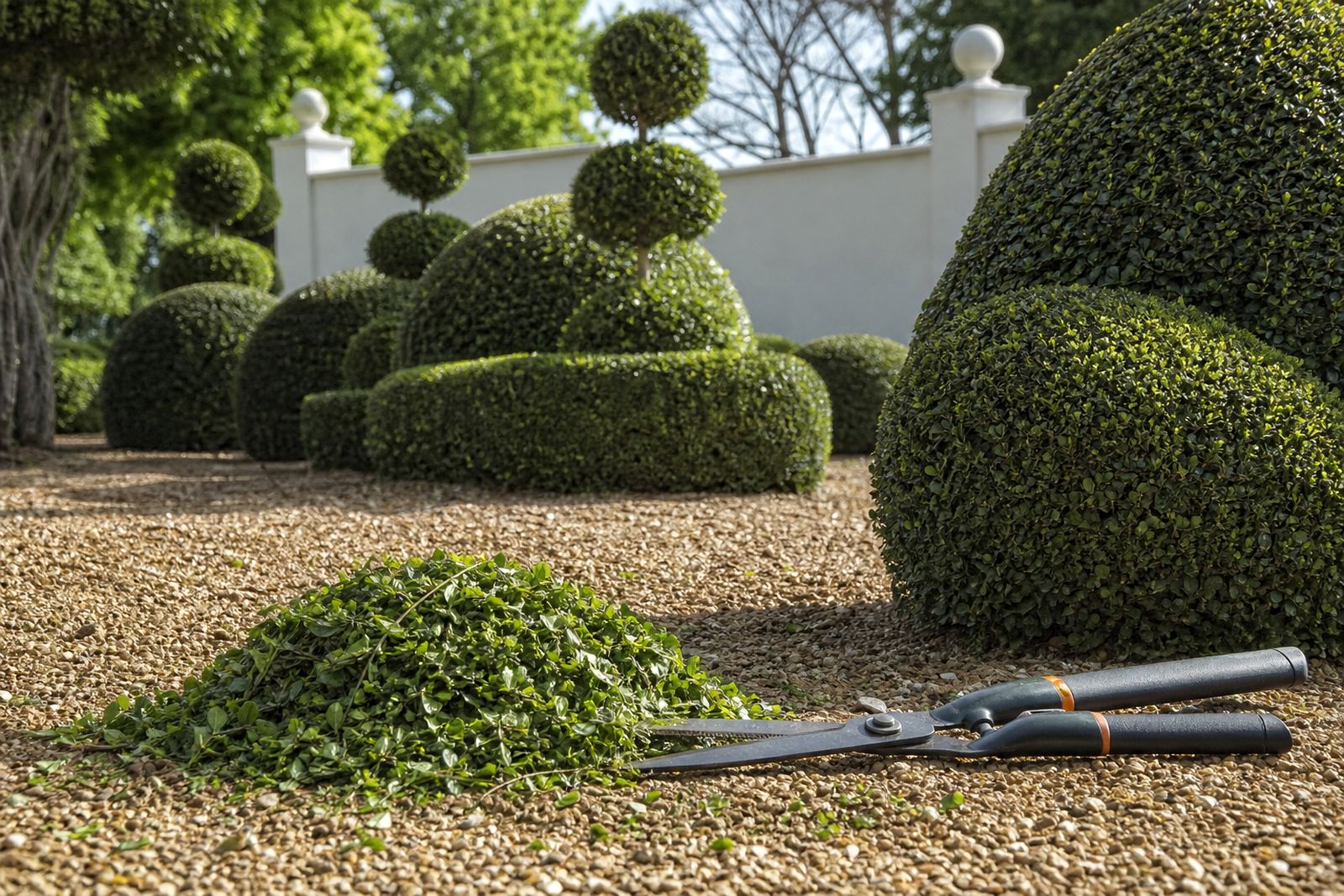
Topiary is not only about keeping a shrub short. It is about shaping growth so the plant holds a clear line, whether you want a neat cube, a dome, or a narrow cone along a path. For that kind of work, the tool must give control at the point of the cut. If the blades wobble, the finish looks ragged and you end up going back over the same area twice.
Gardeners in Pietermaritzburg often work with fast-growing hedges and mixed ornamental shrubs that push new shoots after summer rain. That means pruning tools need to handle both soft tip growth and harder stems that have thickened after a few weeks. A good topiary shear should feel balanced in the hand, with enough blade length to keep the surface even but not so much weight that your wrists start complaining after half an hour.
- Use lighter shears for fine rounding and detail work.
- Choose longer blades when you need to keep a straight edge over a wide face.
- Check handle comfort if you work for long sessions or do estate maintenance.
Blade length, weight and grip shape matter more than people think
When clients ask for one tool that can do everything, the honest answer is that topiary work gets easier when the tool matches the job. Shorter blades give better control around curves, plant balls and tight corners. Longer blades help on larger hedge runs and geometric forms where a level finish matters from one end to the other.
Weight also changes how accurate the cut feels. A heavy pair of shears can still be effective, but on warm KwaZulu-Natal afternoons it soon becomes tiring, especially if you are reaching over a bed edge or shaping shrubs close to a wall. Comfort grips are worth looking at, not because they are fancy, but because they reduce strain on the palm and keep the hand steady when you are cutting repeated lines.
- Short blades suit fine topiary and small courtyard gardens.
- Medium blades work well for mixed residential gardens and weekly maintenance.
- Longer blades are useful for formal hedging and larger planted areas.
Rounded shrubs need a different touch than boxy forms
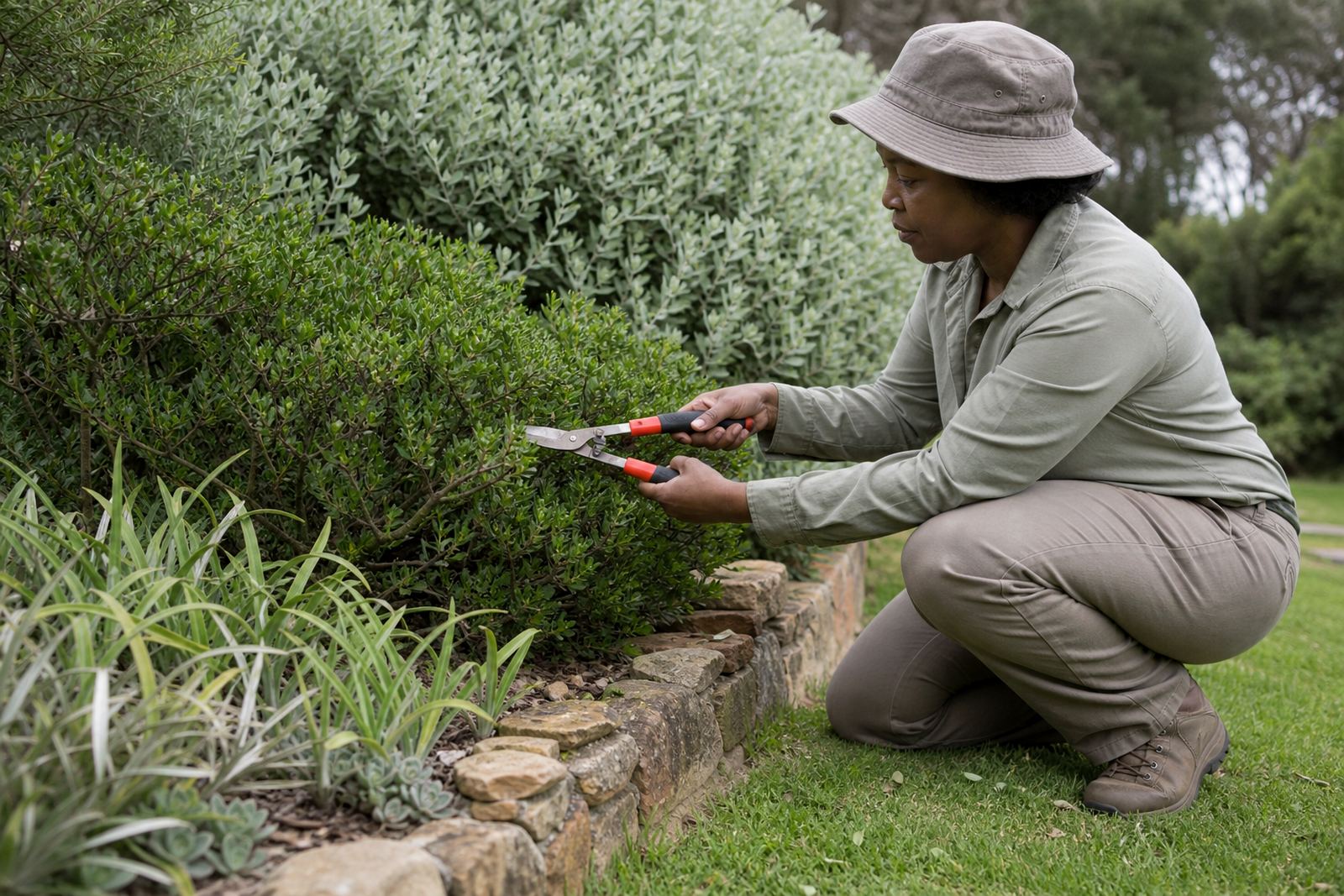
A round shrub asks for a flowing movement. You are following a curve, so the blade should feel nimble and easy to angle. For square or rectangular shapes, the cut needs more edge control and a steadier rhythm so the corners stay crisp. That is why many landscapers keep two types of cutting tools in the vehicle rather than trying to force one pair to do every task.
For shaped hedges in suburbs like Hilton and Howick, the best result usually comes from cutting little and often. If you wait too long, the woody growth at the outside starts to harden and the tool has to work harder. That is where servicing becomes part of the conversation. A clean pivot, proper spring tension and sharp blades make a clear difference to the finish.
If you are managing formal shrubs around a driveway or entrance, remember that the first cut usually sets the shape for the rest of the season. A small mistake at the top can throw the whole form out by the time you reach the bottom. Slow down on corners and use the blade tip with care, not force.
What professional gardeners check before buying
Good topiary tools are judged by feel as much as by appearance. A gardener in Durban facing coastal humidity will want tools that can be cleaned easily and protected against rust. In drier inland areas such as Johannesburg and Pretoria, dust and sap build-up can be just as troublesome. Either way, the tool should be easy to maintain between jobs.
Before choosing, look at these practical points:
- Blade alignment that closes evenly from heel to tip.
- Handles that do not twist under pressure.
- Easy access for sharpening and servicing.
- Spring action that returns smoothly after each cut.
- Parts that can be replaced when wear starts showing.
For landscapers who move between private homes, body corporate gardens and municipal spaces, a dependable tool saves time on every site. It also helps when you are trimming after load-shedding interruptions, because you can get back to the job quickly without fighting a blunt edge.
Keeping topiary tools in working order all year
Even the best shears need care. Sap, moisture and soil dust eventually work into the pivot and blade face. Once that starts, the cut becomes less precise and the tool begins to drag instead of slice. Regular cleaning after use helps, and a proper service makes a bigger difference than most people expect.
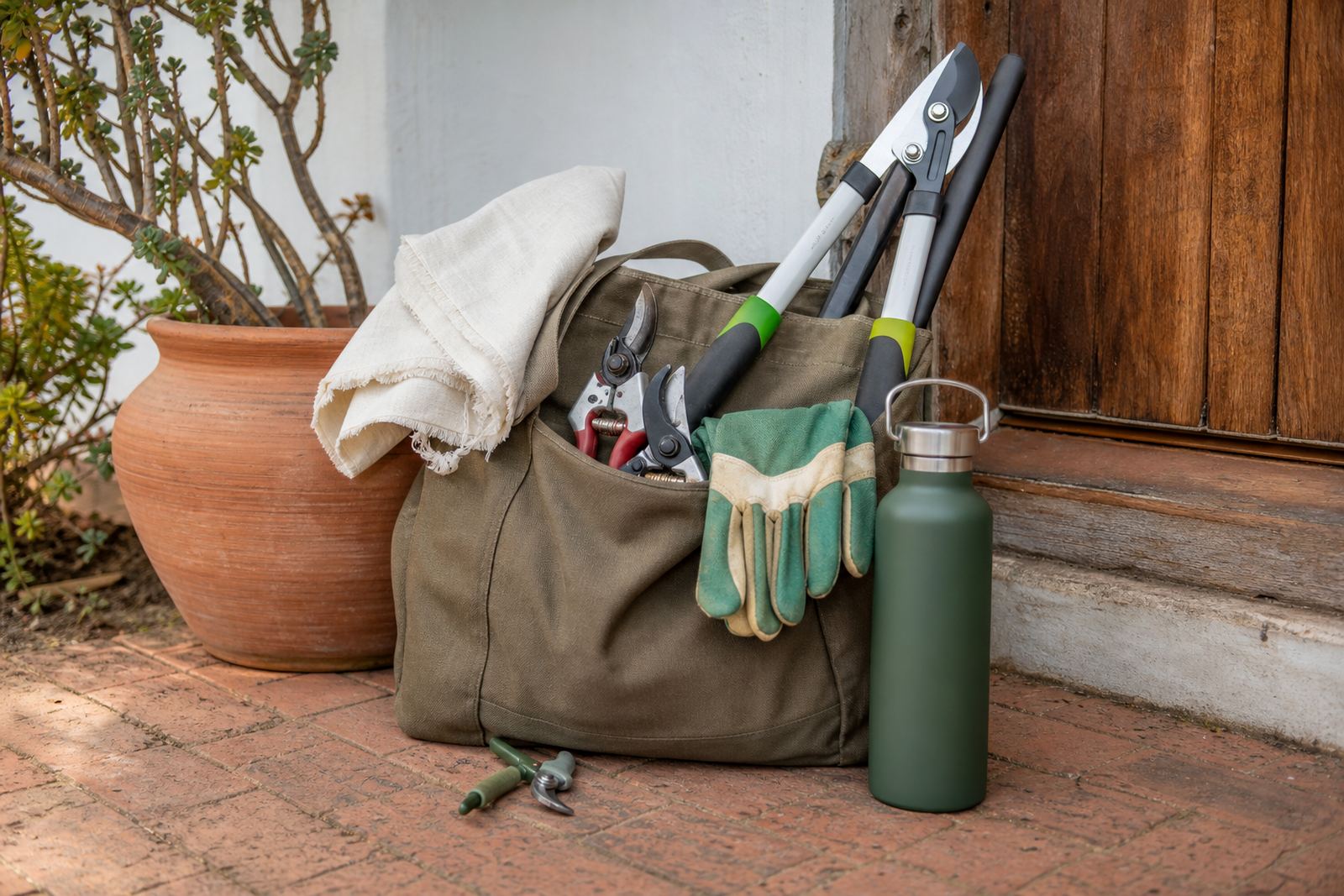
At Cut Tools Garden, the servicing side matters because topiary work depends on repeatable control. Blade sharpening, spring replacement, grip replacement, pivot adjustment and deep cleaning all help keep tools ready for the next round of pruning. Rust removal is especially important in coastal areas, while inspection and parts fitting are useful for tools that see daily use in commercial gardens.
- Wipe blades after each use to remove sap and moisture.
- Store tools dry and out of direct rain.
- Check the pivot regularly for looseness or grit.
- Sharpen before the blade starts tearing foliage.
- Replace worn grips before the hand starts slipping.
A local example from Pietermaritzburg to the coast
A small landscaping team working out of Mkondeni might start the week shaping shrubs for a home in Pietermaritzburg, then head to a Durban property where humidity has pushed fresh growth over the boundary line. Later in the week they may be asked to tidy formal beds for a townhouse complex in Cape Town or complete a neat finish for a garden in Gqeberha. The work sounds similar, but the tool choice changes with the plant, the pace and the conditions.
That is why many teams keep more than one style of cutting tool on hand and book servicing before a busy season starts. For home gardeners too, the same rule applies. If you want a rounded shrub to stay rounded, or a straight top edge to stay straight, the cut has to be precise from the start. The right shears make that easier, and they also help you finish the job with less strain on the wrists and shoulders.
Cut Tools Garden supplies garden pruning shears, loppers and hedge tools to gardeners and landscapers across South Africa, with stockists in Pietermaritzburg, Hilton, Howick, Durban, Johannesburg, Pretoria, Cape Town and Gqeberha. For advice on choosing the right tool or arranging servicing, use the enquiry form on the contact page and speak with the team.