Start With the Grip, Not the Glamour
When people complain about sore hands after a morning in the garden, the first thing to check is not the plant type, it is the grip. A handle that is too thick forces the hand open wider than it should. One that is too slim makes you pinch harder than necessary. Both leave you tired before lunch.
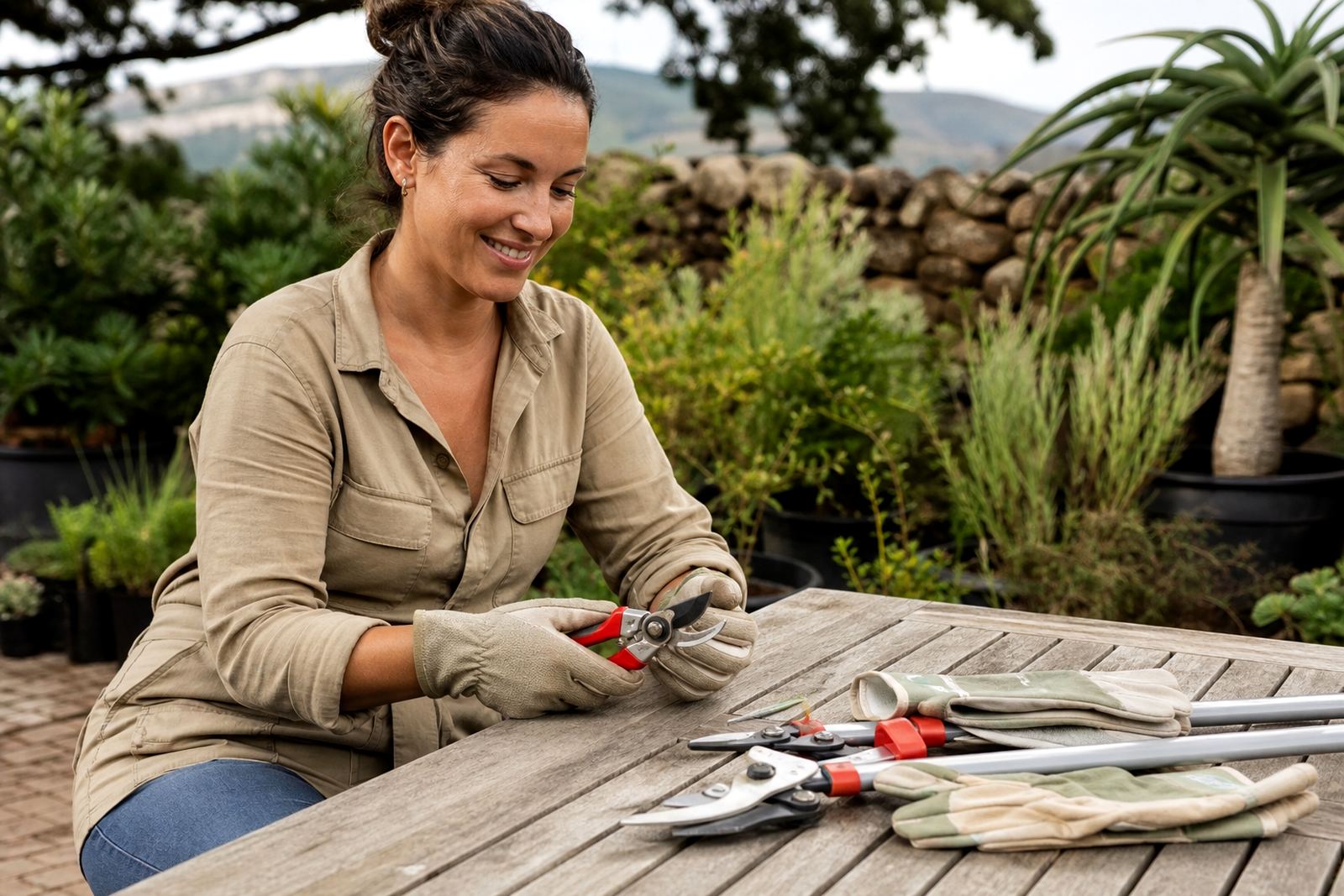
For pruning shears, look for a handle that lets your fingers close naturally without straining the thumb joint. If you work with gloves, test the fit with gloves on, not bare handed. In KwaZulu-Natal humidity, wet palms can also make the tool twist in the hand, so a proper grip surface matters more than people think.
- Choose a handle size that fills the hand without forcing a tight squeeze.
- Keep grips clean so sap and dust do not make the tool slippery.
- If the handle rubs or pinches, stop and change the tool rather than pushing through.
Match the Tool to the Cut Size
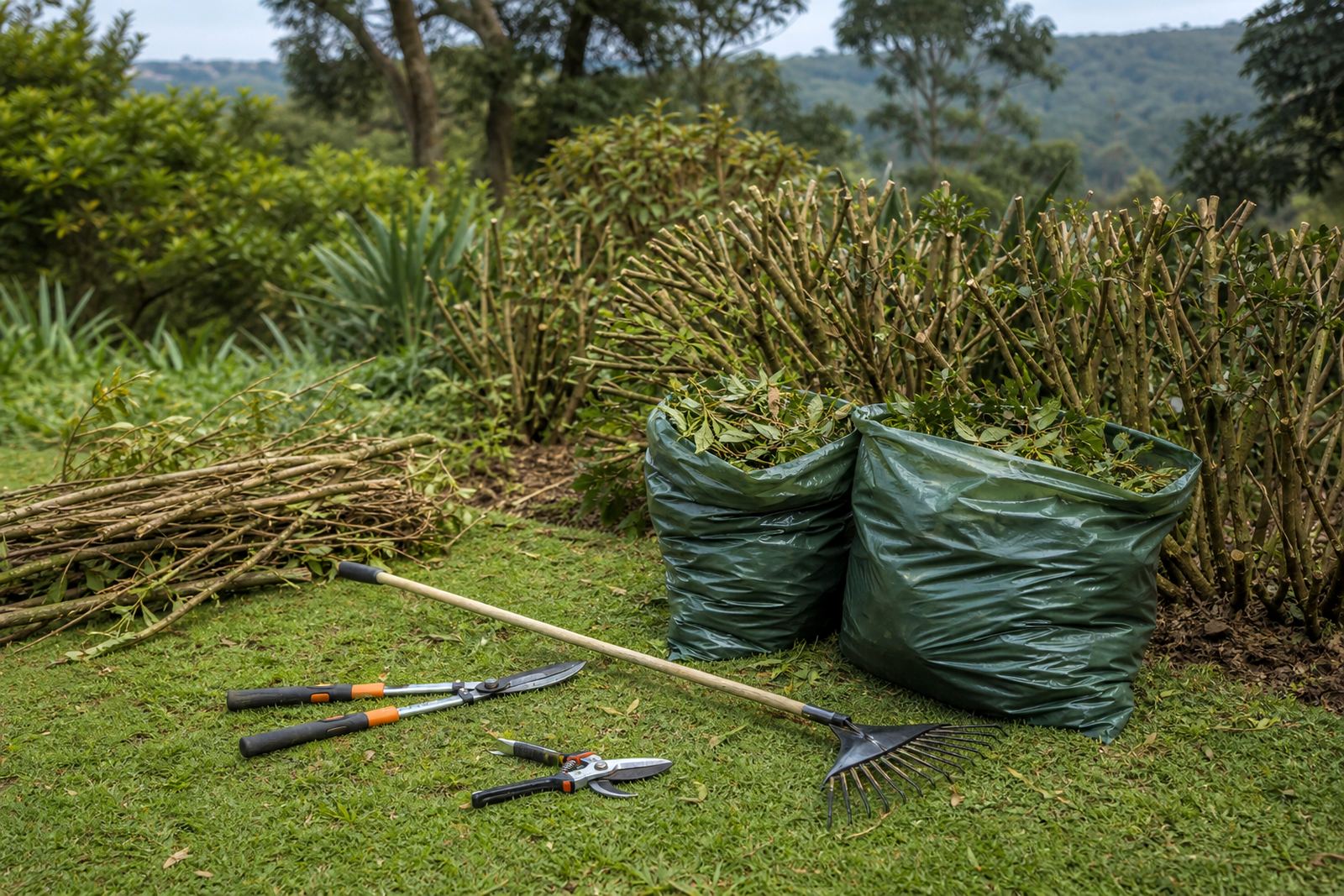
A common cause of hand fatigue is using one tool for every job. Thin green stems need different handling from dry, woody growth. If you try to force a small shear through thicker growth, your hand takes the strain first, then your wrist and elbow follow. The blade may cut, but the effort adds up quickly.
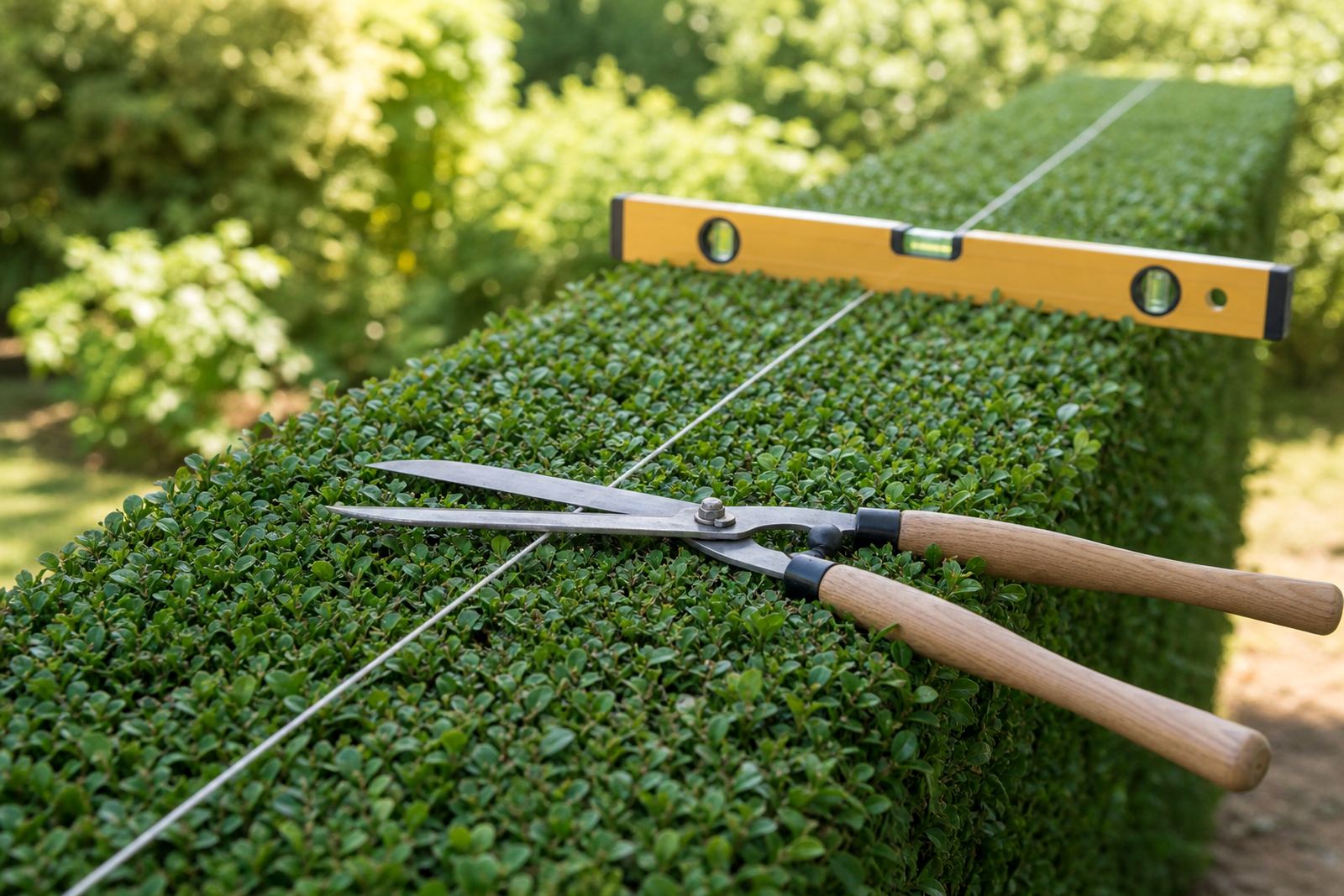
For small stems and light shaping, pruning shears are usually the easiest on the hands. For thicker branches, a lopper with longer handles gives better leverage so you use less force. Hedge tools are best for continuous trimming rather than single heavy cuts. Using the right tool is often quicker too, which saves energy on larger properties from Hilton to Durban North and right through to commercial sites in Johannesburg or Pretoria.
- Use pruning shears for light cuts and detailed shaping.
- Use loppers when the branch is too thick for a hand shear.
- Use hedge tools for repeated trimming strokes, not hard woody cuts.
Keep the Blade Sharp and the Pivot Free
A dull blade makes every cut feel heavier. Instead of slicing cleanly, it crushes fibres and makes you squeeze harder. That extra pressure is what wears out the hand. In coastal areas, rust and salt in the air can make the problem worse because the blade starts to drag. In dry inland towns the issue is often dust and sap build-up, which still slows the cut.
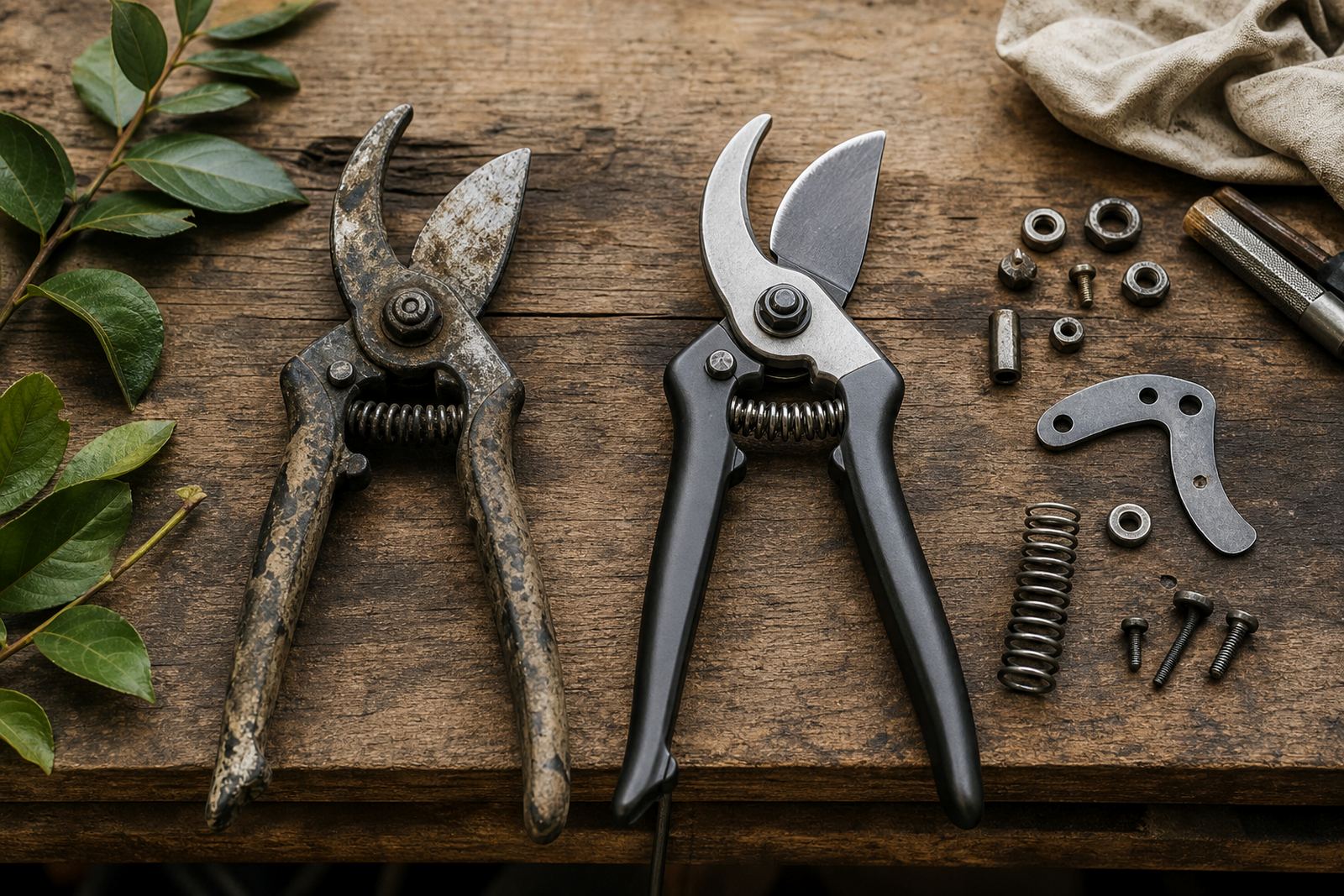
Sharp tools do not only feel better, they are easier to control. The cut is cleaner, the wrist stays in a more natural position and there is less need for repeated squeezes. Regular servicing helps too. A sticky pivot, a tired spring or a bent blade can turn a simple pruning job into a sore one by mid-morning.
- Clean sap off after use, especially after trimming soft growth.
- Check that the pivot opens and closes without sticking.
- Arrange blade sharpening before the tool starts tearing instead of cutting.
Work in Short Runs, Not One Long Push
Hand fatigue builds when the same movement repeats for too long. A better rhythm is to work in short runs, then pause for a minute to relax the fingers and shake out the wrist. This matters on hedge lines, boundary plantings and larger gardens where the work can feel endless if you keep pushing through.
Try to keep the pruning motion smooth and controlled. Do not twist the wrist to reach awkward angles if the branch can be approached from the other side. Move the ladder, step around the bed or change your stance. That small change often saves more effort than forcing a difficult cut. On a hot Pietermaritzburg afternoon, even a small break can stop the grip from tightening up.
- Take brief pauses every few minutes on long trimming jobs.
- Change position rather than bending the wrist for awkward cuts.
- Keep water nearby because dehydration can make muscles tire faster.
Protect Your Hands in Wet, Hot and Dusty Conditions
South African garden work rarely happens in perfect weather. Morning dew, summer rain, coastal moisture and fine dust all affect how tools feel in the hand. Wet handles slip, dusty handles get gritty, and hot metal can become uncomfortable to hold. If your garden work runs from early morning in Howick to midday on a commercial site in Gqeberha, conditions can change a lot in one day.
Gloves can help, but only if they fit properly. Oversized gloves bunch up and reduce control. Thin gloves are fine for light pruning but may not be enough for thorny or rough work. Keep spare gloves in the vehicle or tool box, and clean the handles before storage so the next job starts easier.
- Dry the handles before packing tools away.
- Use gloves that fit close to the hand, not loose and baggy.
- Replace worn grips before they start causing slips.
Make Servicing Part of the Routine, Not a Rescue Job
Many gardeners only think about tool care after the pain starts. By then the blade may already be dull, the spring weak or the grip damaged. A proper inspection can catch those issues early. A spring that does not reopen fully makes the hand work harder. A loose pivot wastes energy. A grip that has split can cause rubbing and blisters after a short session.
For home gardeners and landscaping teams alike, scheduled servicing is a simple way to reduce strain across the year. It is especially useful for crews handling repeated pruning work, school grounds, estates and municipal sites where the same tools are used by different people. A tool that is cared for properly feels lighter, cuts cleaner and is less likely to cause sore hands by Friday.
- Book sharpening when cutting starts to feel heavy, not after the blade fails.
- Check springs, pivots and grips before busy seasons.
- For regular crews, a fleet care plan can keep tools in rotation and ready for use.