What a proper tool inspection covers
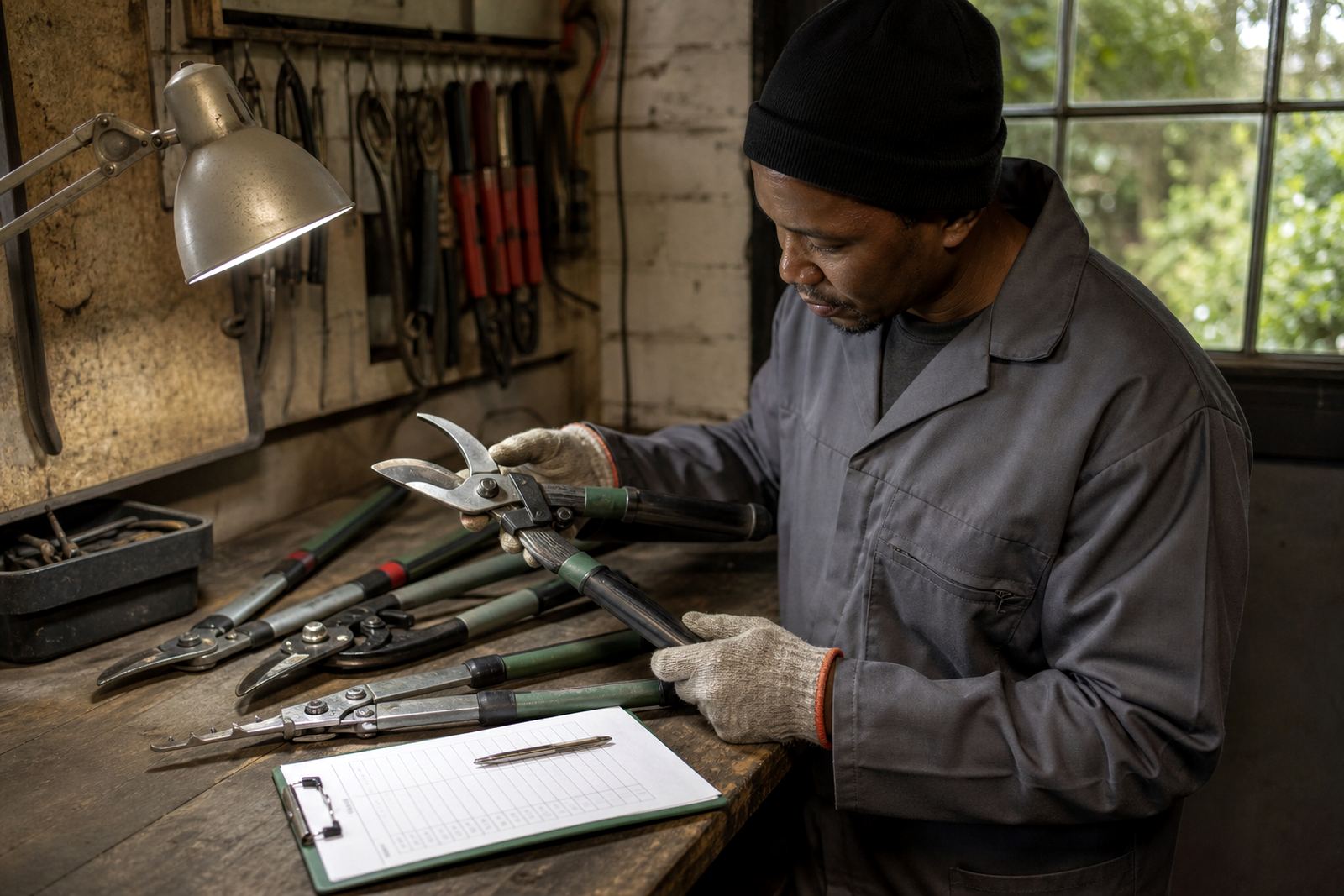
A good inspection is more than a quick look at the blade. We check the full cutting action, handle condition, pivot play, spring tension, grip wear and the amount of rust or sap build-up on the tool. For hedge tools and loppers, we also look at alignment across the full jaw opening so the cut stays true from the first squeeze to the last. In damp coastal areas like Durban, salt in the air can speed up corrosion, while in inland towns like Johannesburg and Pretoria dust can work into the pivot and make the action stiff.
Our inspections suit home gardens, estate teams and commercial landscapers who rely on clean cuts and steady handling. If a tool is beginning to bind, wobble or leave crushed stems, we can spot it early and advise what needs attention before the problem grows. That saves time on the job and helps reduce hand fatigue when pruning all day.
- Blade edge check for nicks, dull spots and bent tips
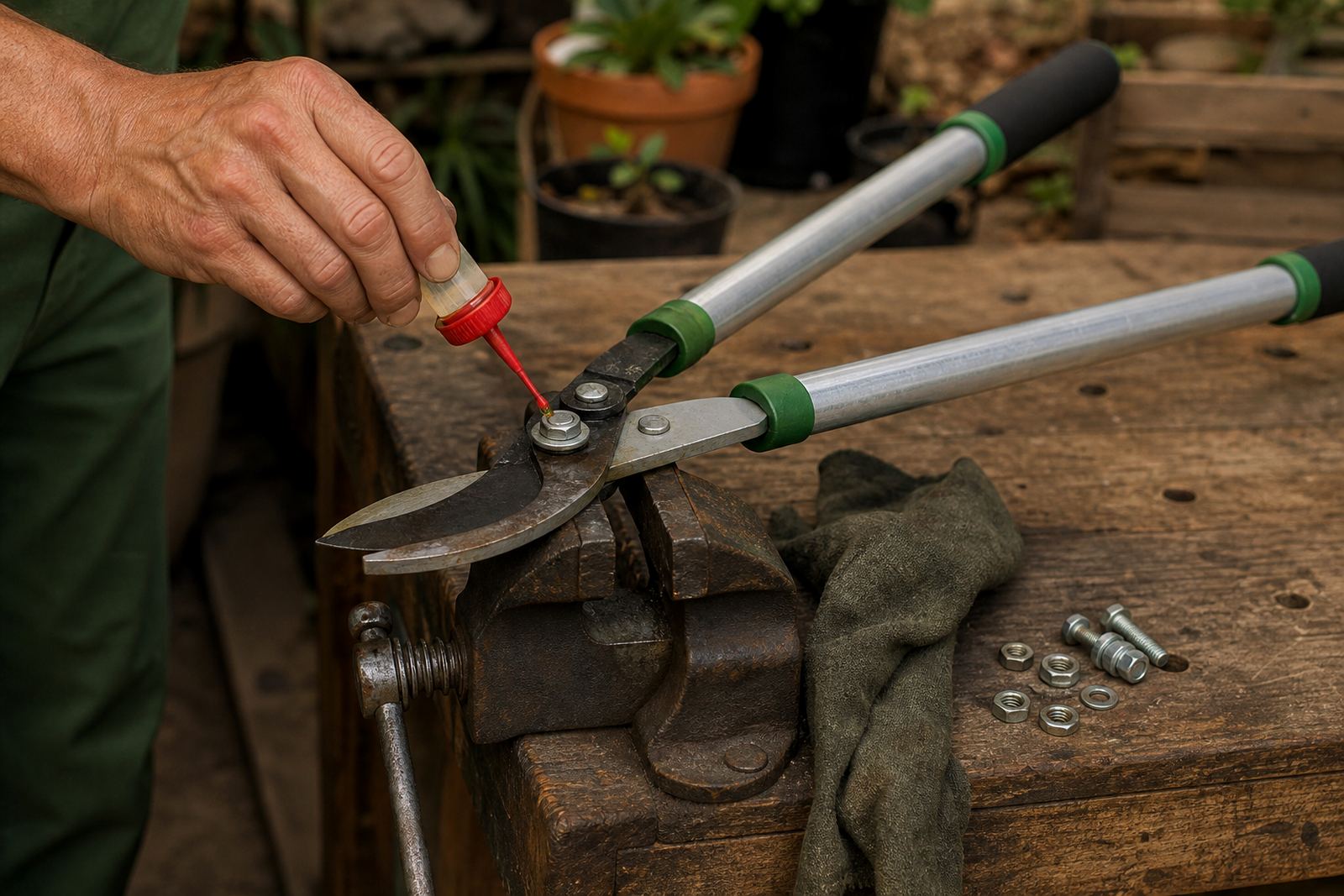
- Pivot and bolt check for looseness or binding
- Spring, stop and locking action check
- Handle and grip inspection for cracks, wear and slipping
- Rust, sap and debris assessment
Why regular inspections save time and strain
When tools are not cutting cleanly, the user usually pushes harder and makes more cuts than needed. That extra force can strain the wrist, thumb and forearm, especially when pruning thicker stems or shaping hedges for long periods. An inspection picks up signs of wear before the tool starts damaging plants or slowing the team down.
For contractors and landscapers, routine checks also help with consistency across a fleet of tools. One set of shears may feel fine in the morning and then become stiff after wet weather, while another may have a loose pivot that causes poor blade contact. Catching these issues early means fewer interruptions during peak season and less chance of a tool failing in the middle of a site. It also keeps maintenance planning simpler, so you can rotate tools and service them at the right time.
How the inspection process works at our Pietermaritzburg base
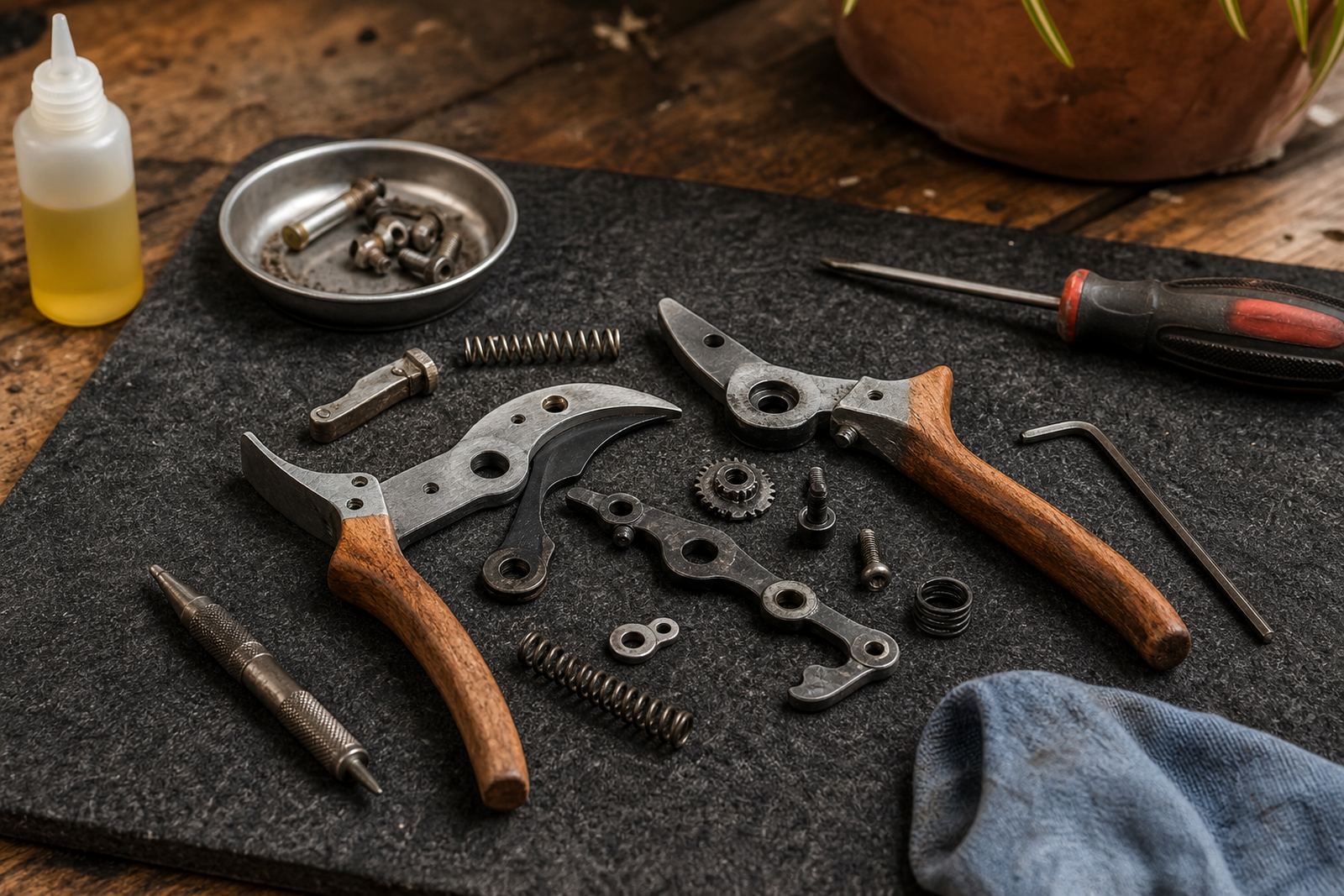
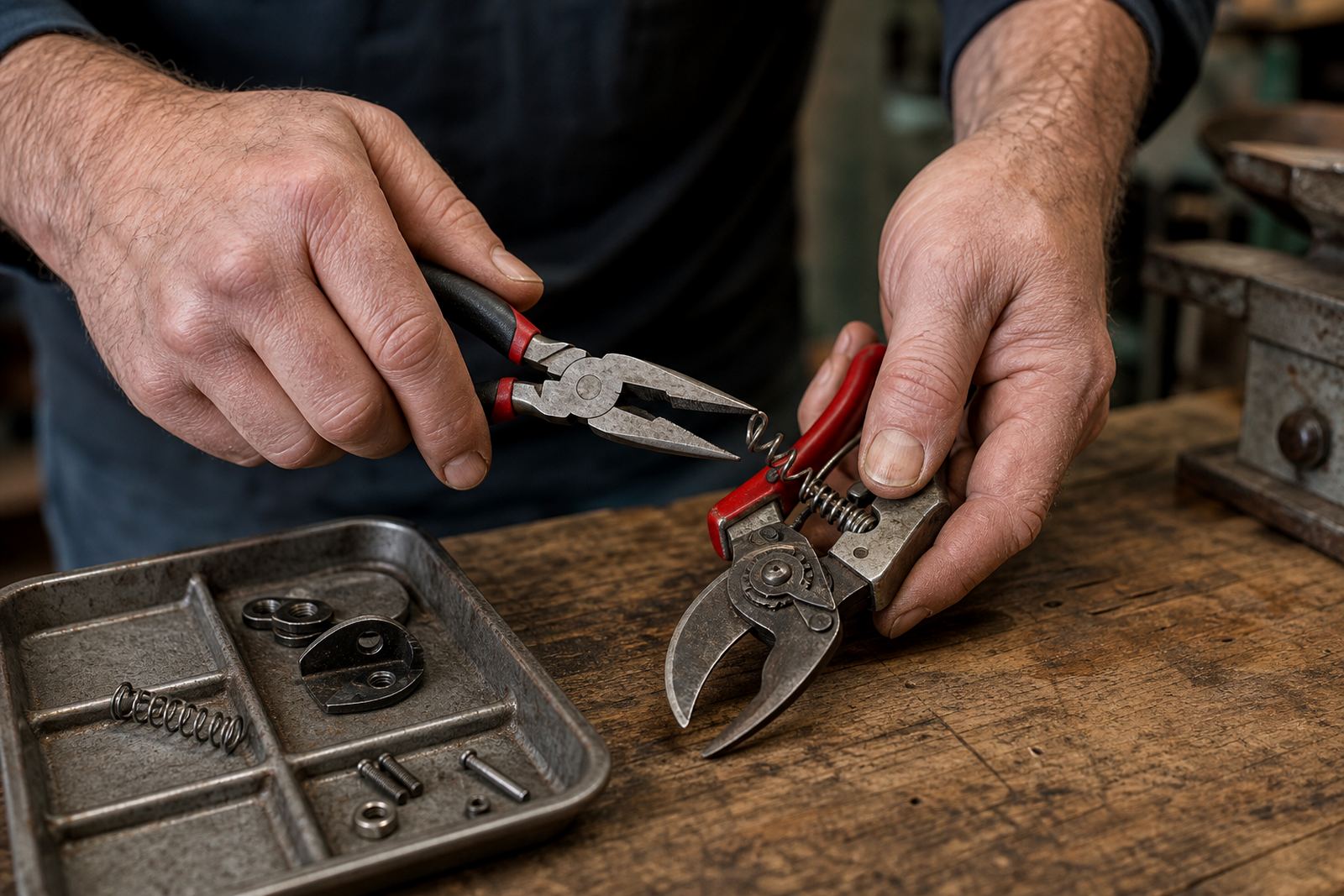
Tools are assessed at our Mkondeni base in Pietermaritzburg by our workshop team. We start with a visual check, then test the cutting action, opening and closing movement, blade overlap and handle stability. Where needed, we strip light debris, check tension and record any parts that may need follow-up servicing. If the tool has been stored after a rainy season or after load-shedding interrupted cleaning routines, we often find hidden rust or seized pivots that need attention.
Once the inspection is complete, we give practical feedback on the condition of the tool and the next step. That may be a simple clean and adjustment, or a full service if the edge, spring or grips are beyond basic correction. We keep the process straightforward so customers know what is worth repairing and what should be monitored over time.
- Receive tool and note the tool type and condition
- Carry out physical inspection and cutting test
- Record wear, safety concerns and parts needed
- Advise on repair, servicing or replacement timing
Turnaround times and when to book
Standard inspections are usually turned around quickly, depending on the number of tools in the queue and whether any parts need to be fitted after the check. For single tools, the assessment is often completed within a short workshop cycle. Larger garden teams and fleet care clients may need scheduled intake so the tools can be logged and returned in batches. We keep communication practical, especially when the team is working around rain, site deadlines or public holiday demand.
As a rule, we recommend an inspection every 6 to 12 weeks for active professional use, and every 3 to 6 months for home gardeners who use tools less often. Coastal properties may need more frequent checks because moisture and salt speed up wear. If a tool has been dropped, used on tough stems, or stored in a damp shed, it should be checked sooner. A quick inspection now is usually easier and cheaper than waiting for a major fault later.
Pricing approach for inspections
Inspection pricing is based on the tool type, the number of items brought in and the amount of diagnostic work needed. A basic check on a single pair of secateurs is not the same as a full inspection on a batch of loppers and hedge tools for a landscaping crew. If the tool only needs a quick assessment, the cost stays lower. If there is heavy rust, seized movement or worn components that need extra attention, we quote accordingly before any work proceeds.
We prefer clear pricing with no guesswork. Clients who bring in multiple tools for regular care can ask about scheduled maintenance planning, which helps spread the cost across the season. For contractors working in Pietermaritzburg, Durban, Howick or Hilton, this is useful when the same tools are used on different sites and need predictable upkeep. The aim is to keep tools in service for longer, not to replace parts unnecessarily.
Maintenance checks we recommend between inspections
Between formal inspections, a few simple habits can keep tools in better shape. Wipe off sap after use, dry the blades before storage and check that the pivot is not developing play. In humid weather or after a wet day on site, leave tools open to dry before packing them away. For hedge tools and loppers, a light functional check before each job helps spot any drag or misalignment early.
We also advise storing tools away from fertiliser, wet soil and irrigation equipment, since these can speed up rust and surface damage. If the tool is used daily, check it weekly. If it is seasonal, inspect it before and after the heavy pruning period. That routine is especially useful for teams managing estates, schools and commercial gardens across South Africa, where one tool may see very different conditions from one site to the next.
- Wipe and dry after use
- Check pivot tension and blade movement weekly
- Inspect for rust after wet weather
- Keep tools out of damp storage areas
Key facts
| Tool types | Pruning shears, loppers and hedge tools |
|---|---|
| Inspection focus | Blade condition, pivot play, spring action, grip wear and corrosion |
| Typical blade gap check | Alignment assessed across the full cutting range, usually within 0.5 to 1.5 mm contact tolerance where applicable |
| Recommended interval | Every 6 to 12 weeks for heavy use, or 3 to 6 months for home use |
| Common issue signs | Stiff action, crushed stems, loose bolts, slipping grips and surface rust |
| Service area | Pietermaritzburg, Durban, Johannesburg, Pretoria, Cape Town and Gqeberha |