
What our secateur service covers
Our secateur servicing is a full check, clean and tune-up for hand pruners that are used often and need to cut cleanly again. It suits bypass secateurs and anvil-style pruners, whether they are used in a home garden, a nursery, or by a landscaping crew working across Durban, Johannesburg, Pretoria, Cape Town and Gqeberha.
The aim is simple: restore smooth action, improve cutting performance and catch wear before it turns into damage. A serviced pair should open and close without dragging, cut with less effort, and leave a cleaner finish on stems and small branches. That matters when you are pruning roses, shaping shrubs or tidying soft growth after a wet spell, especially in coastal humidity where rust can creep in fast.
- Full visual inspection of blades, springs, pivots and handles
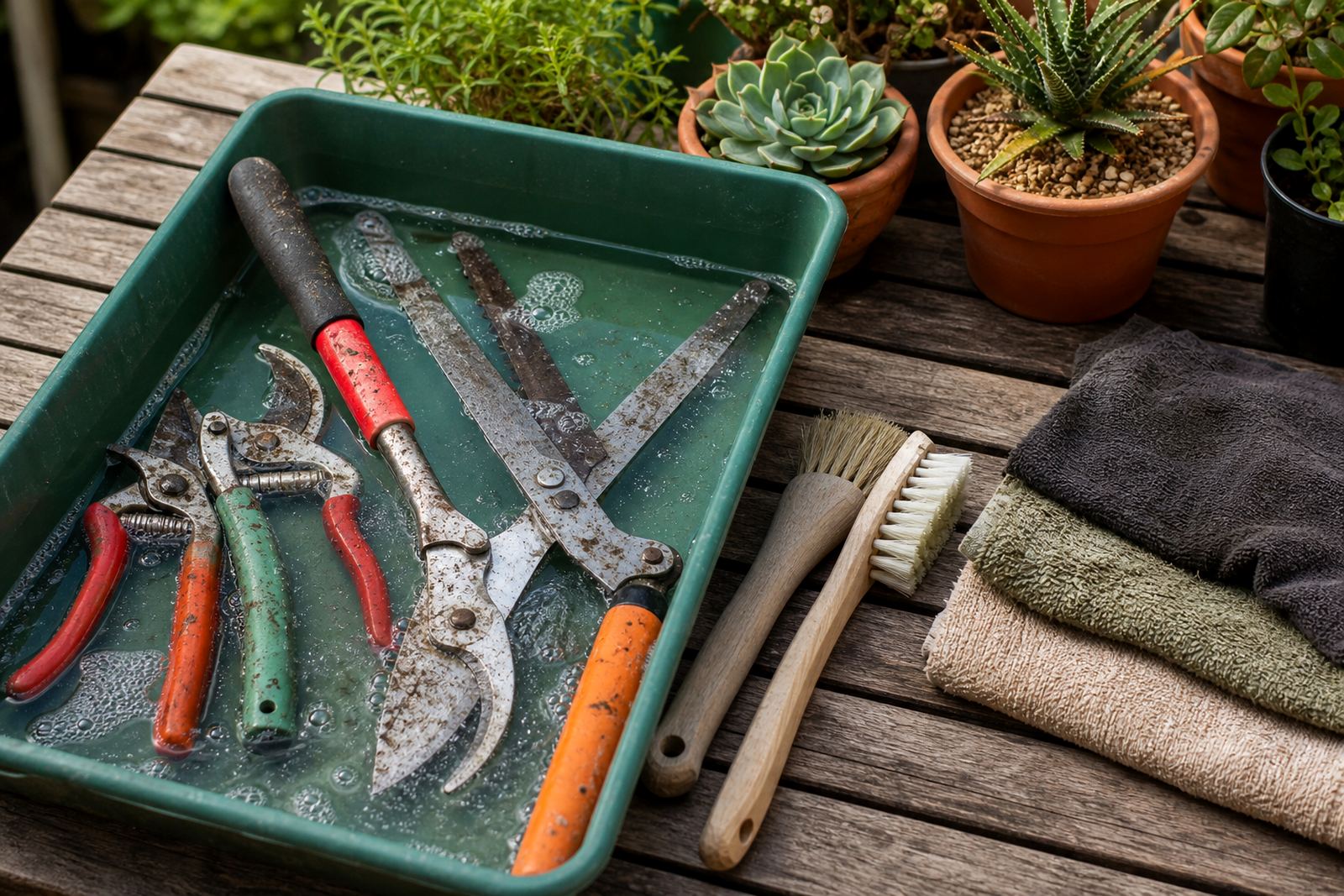
- Deep cleaning to remove sap, soil, rust marks and built-up grime
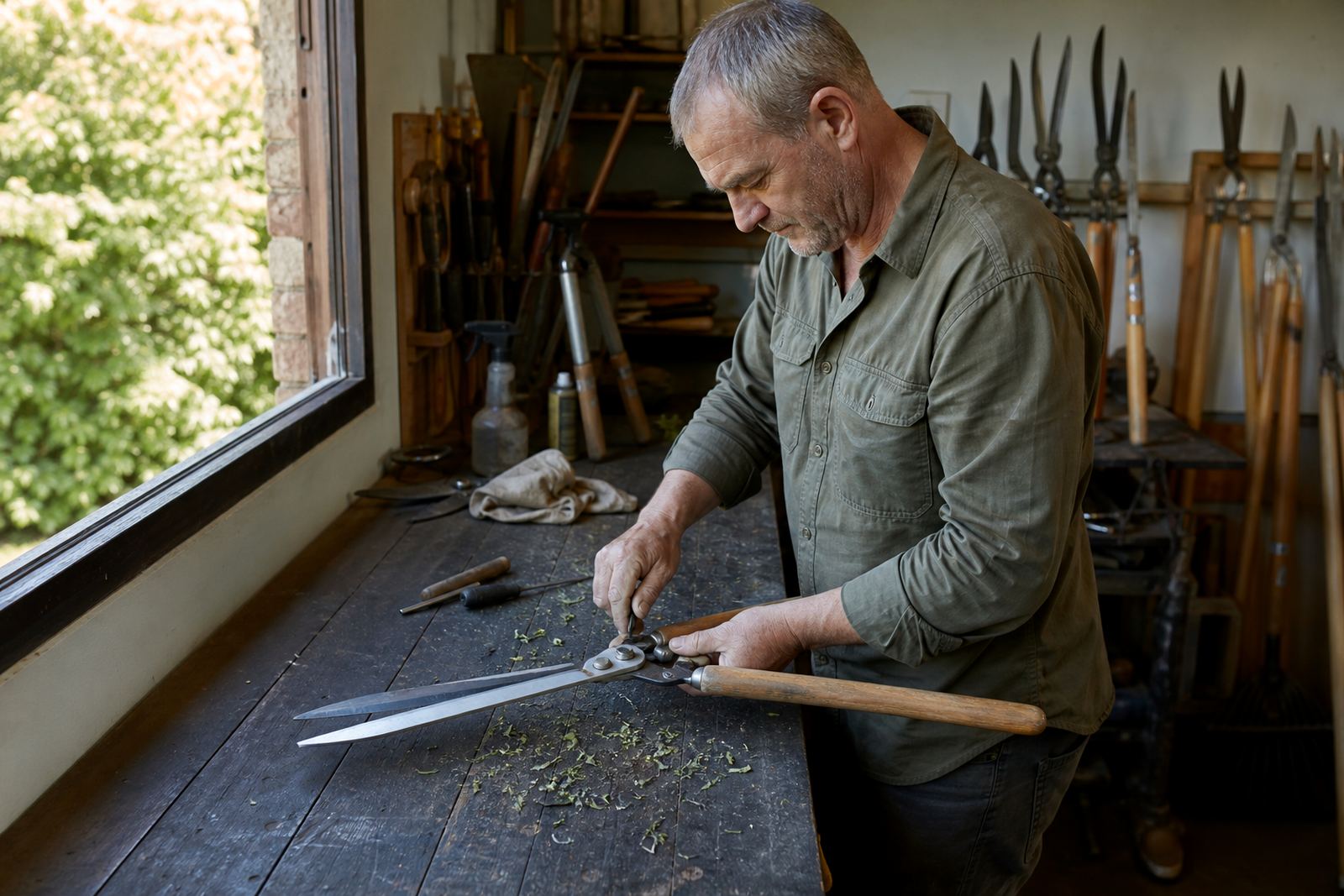
- Blade sharpening where the tool design allows it
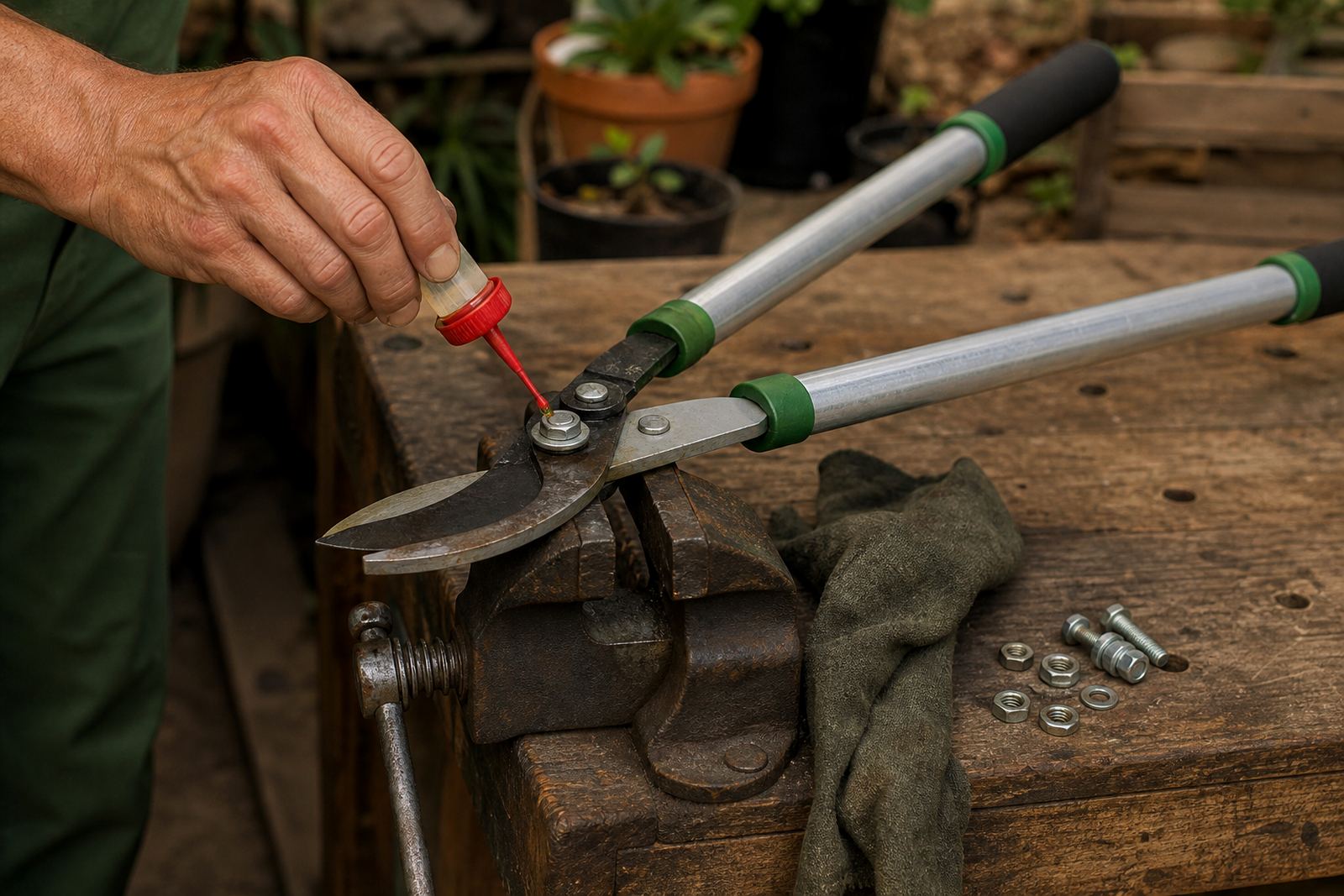
- Pivot adjustment for smoother closing and better cutting feel
- Spring replacement and grip replacement if the parts are worn
- Lubrication and final function test before return
We also check for chipped edges, bent jaws and loose fittings. If the pruners are beyond economical repair, we say so plainly and help you decide on the next step.
Step by step service process
When secateurs arrive for servicing, we log the condition of the tool and inspect it before any work begins. This helps us see whether the issue is mainly dirt and friction, a worn spring, a loose pivot, or damage to the blade face. Tools used in municipal gardens or estate maintenance often need more than one fix, so we do not rush the assessment.
- Initial inspection and fault check
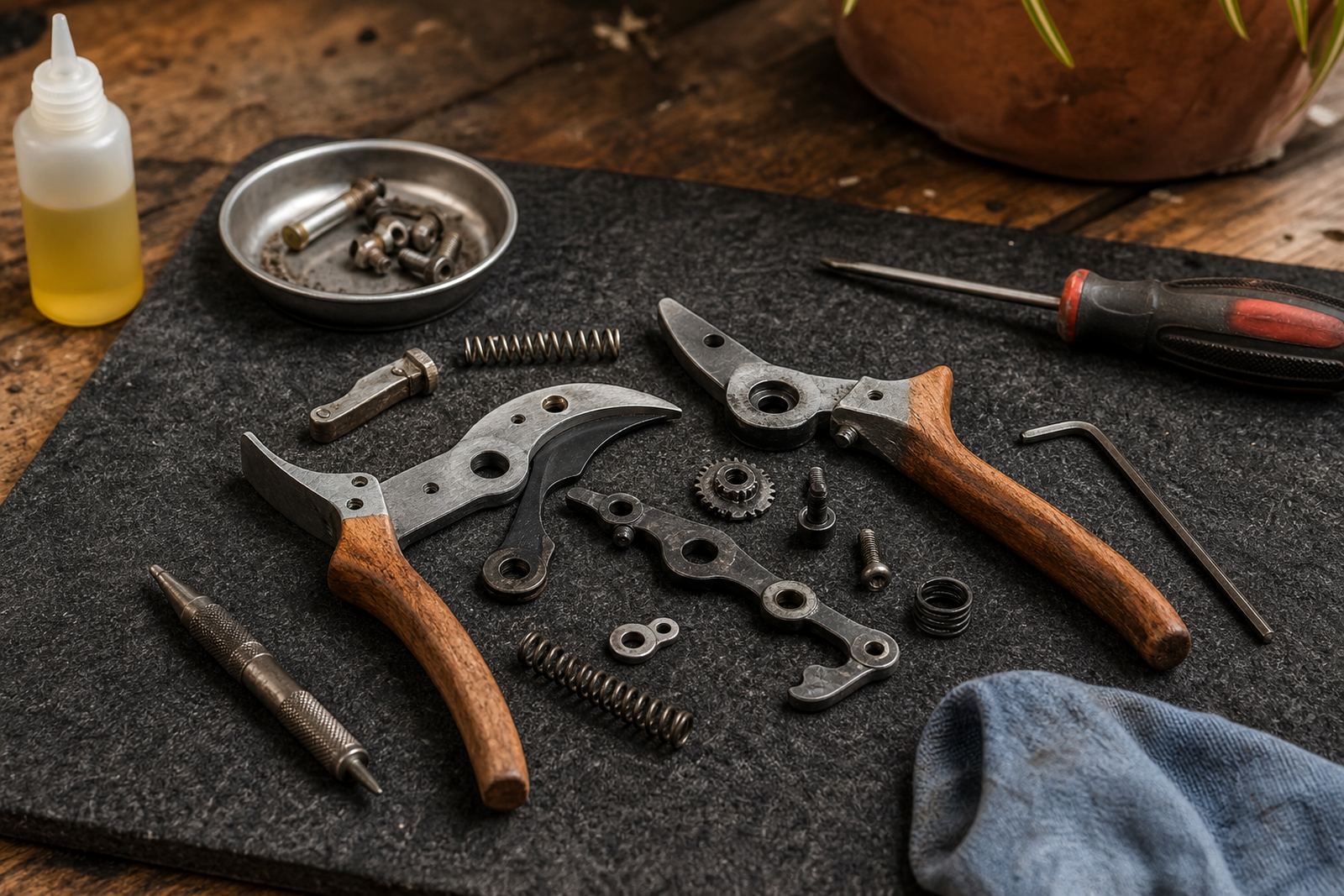
- Strip down of moving parts where required
- Removal of sap, dust, rust and old lubricant
- Sharpening or edge correction on the cutting blade
- Parts fitting, including spring, grips or fasteners if needed
- Reassembly, adjustment and cutting test
We pay attention to the small things that affect daily use. A pivot that is too tight makes the tool hard on the hand, while one that is too loose causes the blade to wander. Spring tension, handle alignment and blade overlap all need to work together. If the tool has slipped from a ladder or has been used on wire, we look closely for hidden deformation too.
Before the tool is released, it is cleaned down and checked again so the action feels consistent. That last step is where the difference shows most clearly.
Why a clean, tuned secateur cuts better
Secateurs pick up sap, grit and moisture quickly. In places like Pietermaritzburg and along the coast, that mix can cause sticky movement, early rust and dull cutting edges. Once the blades start rubbing instead of slicing, the user needs more force and the plant gets a rougher wound.
A properly serviced tool gives a sharper, neater cut with less strain on the wrist and thumb. That helps with longer pruning sessions and reduces the stop-start feeling that comes from a sticky pivot or tired spring. For commercial teams, it also means fewer interruptions in the middle of a job.
- Cleaner cuts on stems and soft branches
- Less hand fatigue during long pruning runs
- Reduced rust build-up and sticking
- Better control for detailed shaping work
- Longer working life for a good quality tool
We often see tools that only need a proper clean and tune-up rather than replacement. A good pair of secateurs can last a long time if the blade is kept sharp and the moving parts are looked after. Even one service can make the action feel noticeably lighter.
Turnaround time and pricing approach
Turnaround depends on the condition of the secateur and whether parts are needed. A straightforward clean and tune-up may be completed quickly, while tools needing sharpening, spring replacement or more involved repair can take longer. During busy pruning periods, especially after rain or in the lead-up to winter cut-backs, we work through jobs in the order they are received.
Our pricing approach is practical. We assess the tool first, then quote based on the work required rather than charging a one size fits all rate. A light service and a more involved rebuild are not the same job, so the price should reflect that. If the tool only needs a clean, pivot reset and lubrication, the cost stays lower. If blades are badly worn or parts are missing, we discuss the options before proceeding.
- Simple service for light wear and maintenance
- Mid level service for sharpening, adjustment and deep cleaning
- Repair service for spring, grip or pivot related issues
- Replacement advice where repair no longer makes sense
This keeps the process fair for home gardeners and for crews managing several tools at once. Fleet care plans are also available for businesses that want regular servicing across multiple hand tools.
How often to service secateurs
How often a secateur needs servicing depends on use, plant type and storage conditions. A home gardener who prunes lightly may only need a service once or twice a year. A landscaper, grounds team or nursery worker using the tool most days may need checks more often, especially where sap heavy plants and damp conditions are part of the job.
As a general guide, we suggest servicing when you notice any of the following: the blades are no longer cutting cleanly, the handles feel stiff, the spring is weak, or rust is starting to show. If the tool is stored in a shed, bakkie or workshop where moisture hangs around, it may need attention sooner. Coastal air and coastal humidity are not kind to untreated steel.
- Light home use: every 6 to 12 months
- Regular garden use: every 3 to 6 months
- Professional use: every 1 to 3 months depending on workload
- After heavy sap exposure, rust or accidental damage
Keeping to a sensible schedule also reduces the chance of sudden failure in the middle of pruning work. It is easier and cheaper to service a tool before the wear becomes serious.
Getting your secateurs booked in
Clients across South Africa can reach us through the enquiry form on our contact page. Once we receive the details, we can advise on the likely service level and the best way to send the tool in. If you are in Pietermaritzburg, Hilton or Howick, local drop-off options may be available depending on the job and timing.
We also work with customers in Durban, Johannesburg, Pretoria, Cape Town and Gqeberha who want reliable servicing for their pruning tools. For larger teams, we can look at repeated maintenance needs so the same standard is kept across the kit. That helps with safety, cutting performance and budget planning. It also keeps old favourite tools in use longer, which is often the sensible choice.
Whether the job is a single pair of pruners or a batch from a landscaping crew, the process is straightforward: send the enquiry, describe the fault, and we will take it from there.
Key facts
| Service type | Secateur servicing for hand pruners |
|---|---|
| Typical tool sizes | 165 mm to 230 mm overall length |
| Blade support | Bypass and anvil-style secateurs |
| Key work | Cleaning, sharpening, pivot adjustment, spring and grip replacement |
| Common issues | Sap build-up, rust, loose pivots, blunt edges, weak springs |
| Recommended interval | Every 3 to 12 months depending on use |