What our lopper servicing covers
Our lopper servicing is set up for the tools people actually use in South African gardens, from light-duty home loppers to heavier contractor pairs used on hedges, fruit trees and mixed shrub work. We check the blades, pivots, handles and cutting action so the tool closes squarely and opens without drag. If your lopper is sticking, cutting off-centre or leaving crushed stems, the problem is often in the pivot, blade edge or spring assembly.
Each service is aimed at restoring clean cuts through live branches and reducing strain on the wrists and shoulders. That matters in Pietermaritzburg humidity, coastal Durban conditions and dusty inland work alike, because moisture and grit can build up fast. We also look for bent heads, worn bushings, loose fasteners and rust around the cutting joint.
- Blade alignment and cutting edge inspection
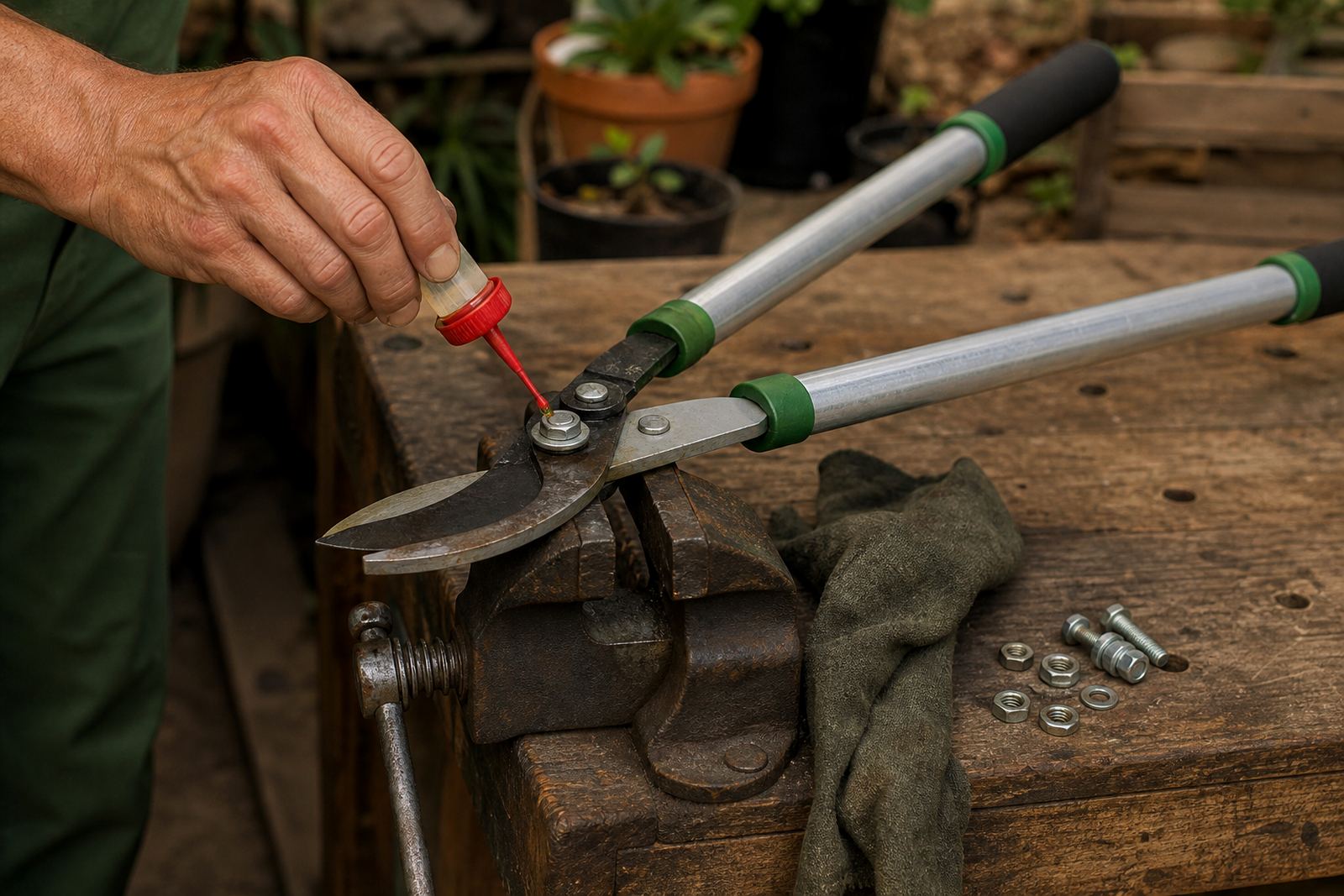
- Pivot clean-out, lubrication and tension check
- Handle condition and grip inspection
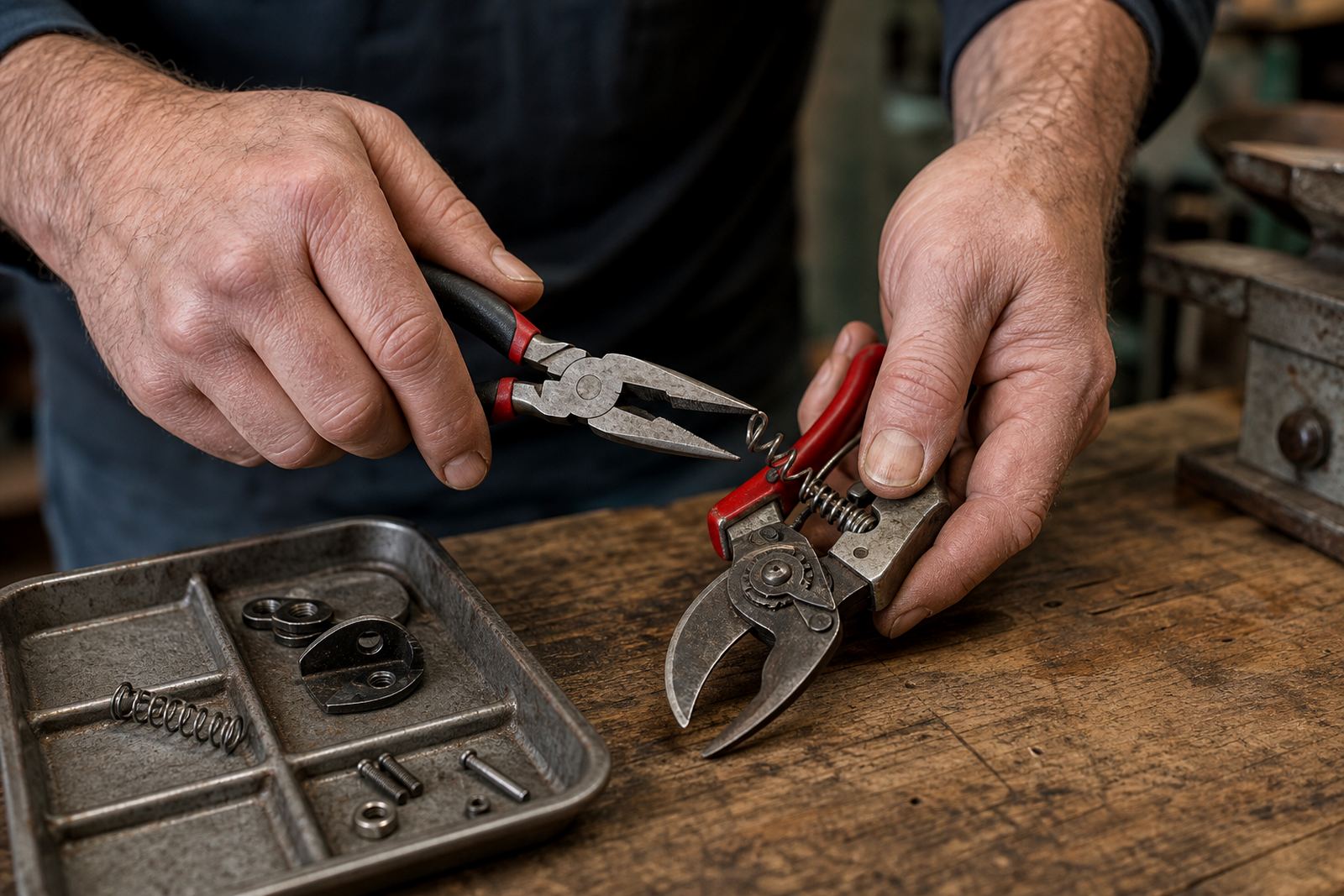
- Spring testing and replacement if needed
- Rust removal on metal parts
How the service process works
You can send a servicing enquiry through our contact page and we will advise the next step based on the lopper type and condition. Once the tool arrives at our Mkondeni base in Pietermaritzburg, it is logged, checked and assessed for wear. We then confirm whether the unit needs a standard service or whether parts fitting is needed as well.
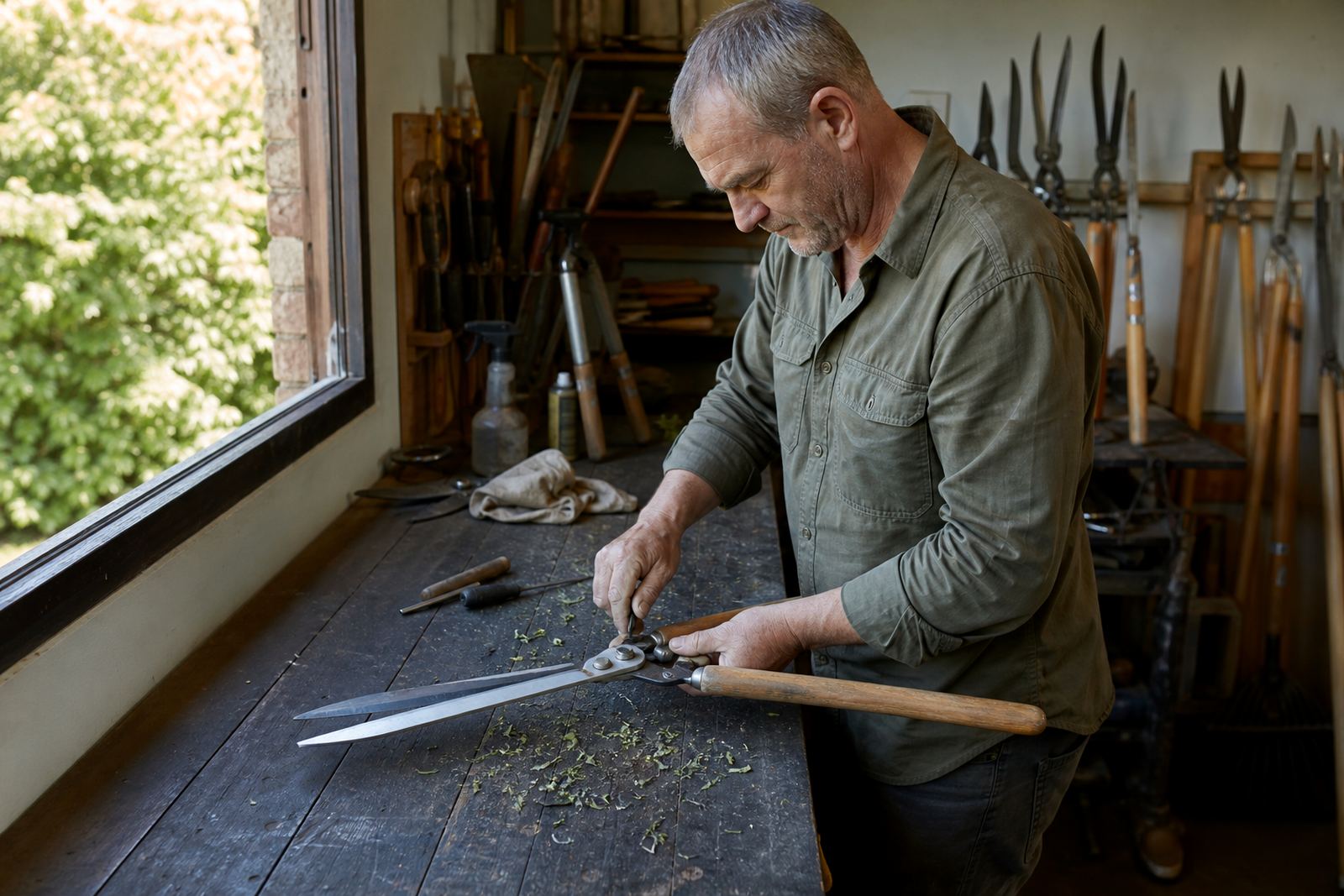
The technician first strips down the moving joint where required, removes dirt and sap, then checks the blade face, stop point and pivot play. After that we clean, lubricate and adjust the tool before testing the cut on suitable branch material. If a handle grip is loose or damaged we can replace it during the same job, subject to parts availability.
- Intake and condition check
- Strip, clean and remove residue
- Sharpening and edge correction where needed
- Pivot adjustment and lubrication
- Final cut test and return readiness check
Typical faults we correct on branch loppers
Most loppers come in with the same handful of problems. The blades may no longer meet properly, the pivot may be too tight or too loose, or the spring may have weakened after repeated use. Sometimes the head is still sound, but the handles feel rough and the user has to force the cut, which puts extra load on the tool and the operator.
We also see loppers affected by coastal humidity, especially when they have been stored in a shed or vehicle boot for weeks. Surface rust and gummy residue can make the action feel heavy. In more severe cases, the blade edge has nicks from accidental wire contact or from cutting material that is too hard for the tool. Those issues can usually be corrected, but we will always be clear if a part is beyond serviceable condition.
- Sticky or seized pivot action
- Blades that miss or overlap unevenly
- Weak spring return
- Rust around blade faces and joints
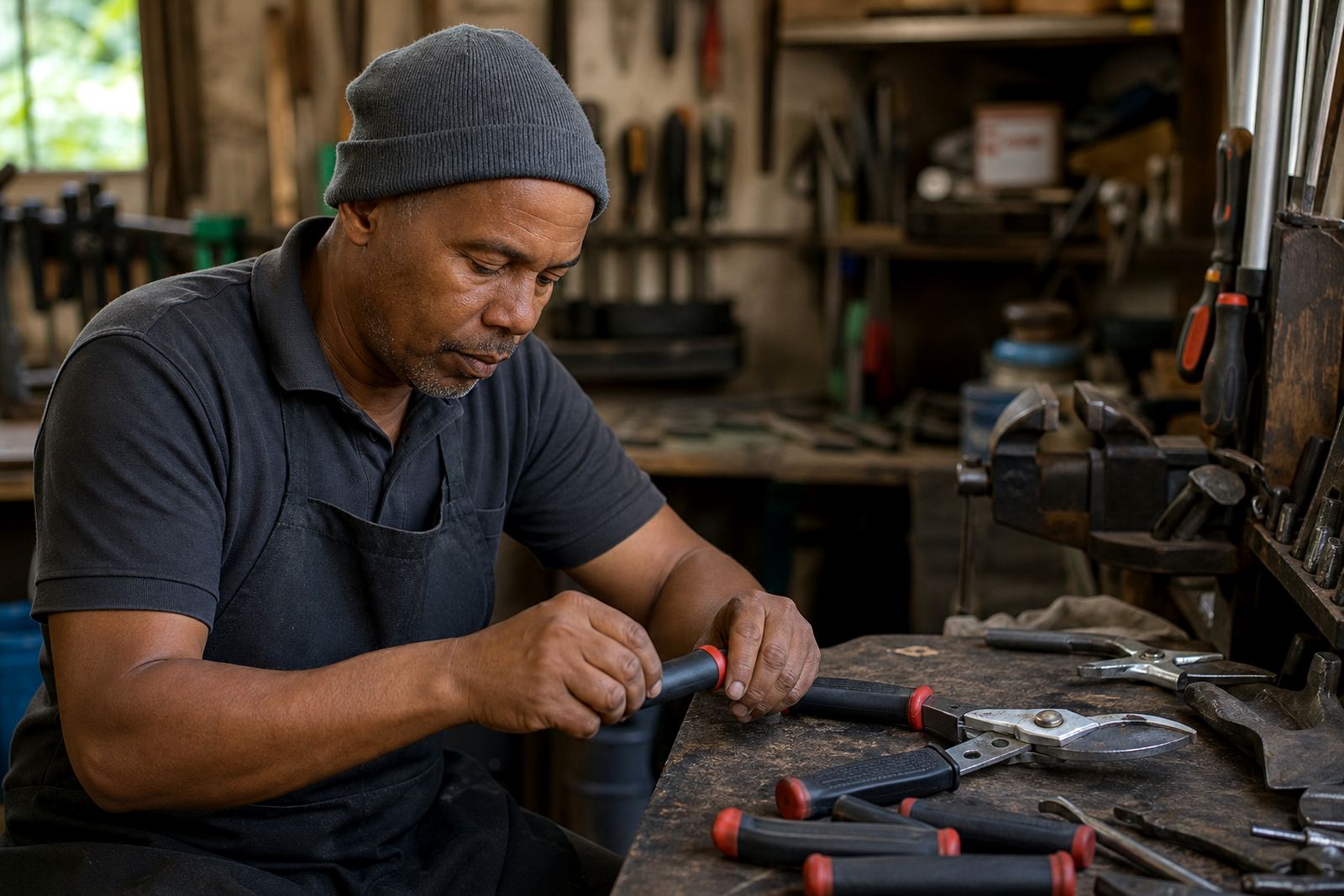
- Loose grips or handle wear
Turnaround times and pricing approach
Turnaround depends on the condition of the lopper and whether parts are needed. A basic clean, adjustment and lubrication job is usually quicker than a full strip-down with spring or grip replacement. In peak periods, especially after pruning season, we may need a little longer to work through incoming tools in order.
Our pricing is based on the actual condition of the lopper, the amount of labour needed and any replacement parts required. That keeps the cost fair for both light domestic tools and heavier professional units. We do not price every job the same because a quick pivot service is not the same as rebuilding a badly worn head. If we find extra issues after inspection, we will tell you before proceeding.
For teams that run several loppers at once, we can also quote for grouped servicing so equipment is handled in one batch and downtime is reduced.
How often loppers should be serviced
For home gardeners, a service every 6 to 12 months is usually enough if the tool is used for normal pruning and stored dry. If you cut often, work near the coast, or keep the lopper in a vehicle between jobs, more frequent attention is worthwhile. Professional landscapers, estates and garden crews should plan servicing on a routine schedule rather than waiting for a failure.
A good rule is to service the tool as soon as the cut starts to feel heavy, the blades begin to crush stems or the pivot becomes noisy. Regular maintenance costs less than waiting for a bent blade, seized joint or broken spring. A well-kept lopper gives cleaner cuts and reduces the risk of hand fatigue on long pruning days.
- Home use: every 6 to 12 months
- Frequent use: every 3 to 6 months
- Coastal storage or humid conditions: more often if needed
- Fleet or contractor use: scheduled maintenance plan recommended
Servicing for crews, estates and garden suppliers
We work with home gardeners as well as landscapers and maintenance teams across Pietermaritzburg, Durban, Johannesburg, Pretoria, Cape Town and Gqeberha. For businesses that depend on clean cuts and reliable tools, regular servicing helps keep equipment ready for site work, body corporate maintenance and municipal-compliant garden care where plant debris must be cleared neatly.
Fleet Care Plans are available for customers who want a planned service cycle for several tools at once. That is useful for teams working through winter pruning, school grounds, retirement villages and residential estates where tools must stay sharp, safe and presentable. A handled tool that is well maintained also lasts longer and feels easier to use during long shifts, which makes a real difference in daily work.
Key facts
| Service focus | Lopper alignment, lubrication, cleaning and cutting performance restoration |
|---|---|
| Blade check | Edge condition, nicks, seating and cut-to-anvil alignment |
| Pivot work | Adjustment, tension setting, cleaning and re-lubrication |
| Parts support | Springs, grips and minor fitting where suitable |
| Typical users | Home gardeners, landscapers, estates and maintenance crews |
| Location | Mkondeni, Pietermaritzburg with nationwide service support |