When a grip change makes sense
If the handle covering has split, gone sticky, turned shiny with age, or started sliding in the hand, it is time for a replacement. A worn grip can cause hand strain, blisters and missed cuts, which is a problem whether you are trimming a small Durban courtyard or managing estate work in Pretoria or Cape Town.
We also recommend grip replacement when the original cover has hardened from sun exposure, swollen after moisture ingress, or lifted at the edges near the pivot. In Pietermaritzburg and other KwaZulu-Natal areas, humidity and frequent use can shorten grip life, while coastal salt air can speed up surface wear. A fresh grip brings back confidence and makes the tool feel settled in the hand again.
- Split, cracked or peeling handle covers
- Sticky or hardened grip material
- Loose fit around the handle core
- Wear at the thumb rest or finger contact points
- Reduced control during repeated cuts
What is included in the service
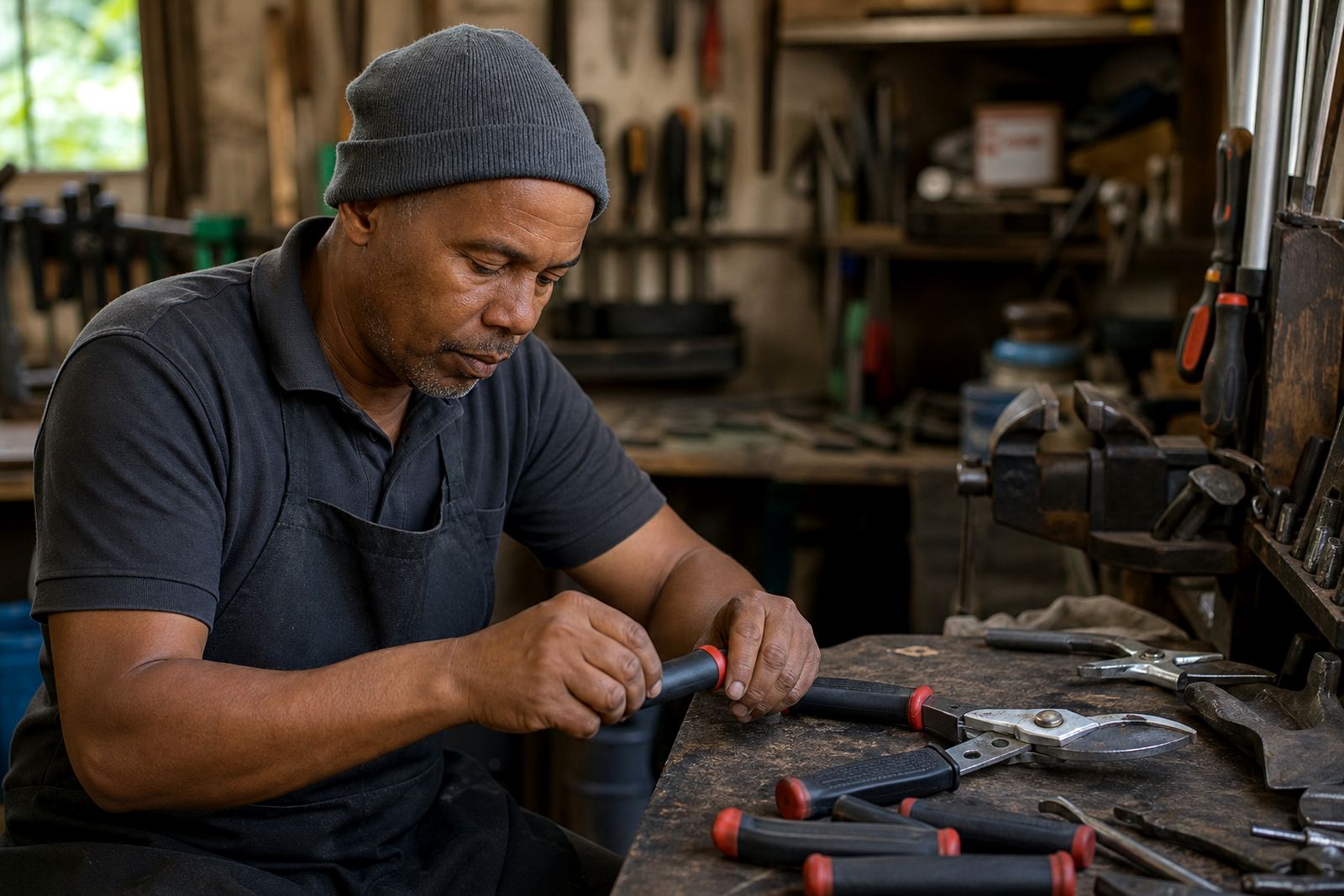
Our grip replacement service covers the removal of the old handle covering, inspection of the handle body, and fitting of a new grip material suited to the tool type. We check the handle shape, pivot area and locking points so the new grip sits properly and does not interfere with the tool’s action.
For secateurs and smaller pruning tools we use grip material that supports a secure hold without adding unnecessary bulk. For loppers and hedge tools we focus on comfort over longer sessions, with a finish that helps reduce slip when hands are damp from morning dew or cleaning. If the handle core has corrosion, cracks, or looseness at the joint, we will flag that before fitting proceeds.
- Removal of damaged grip material
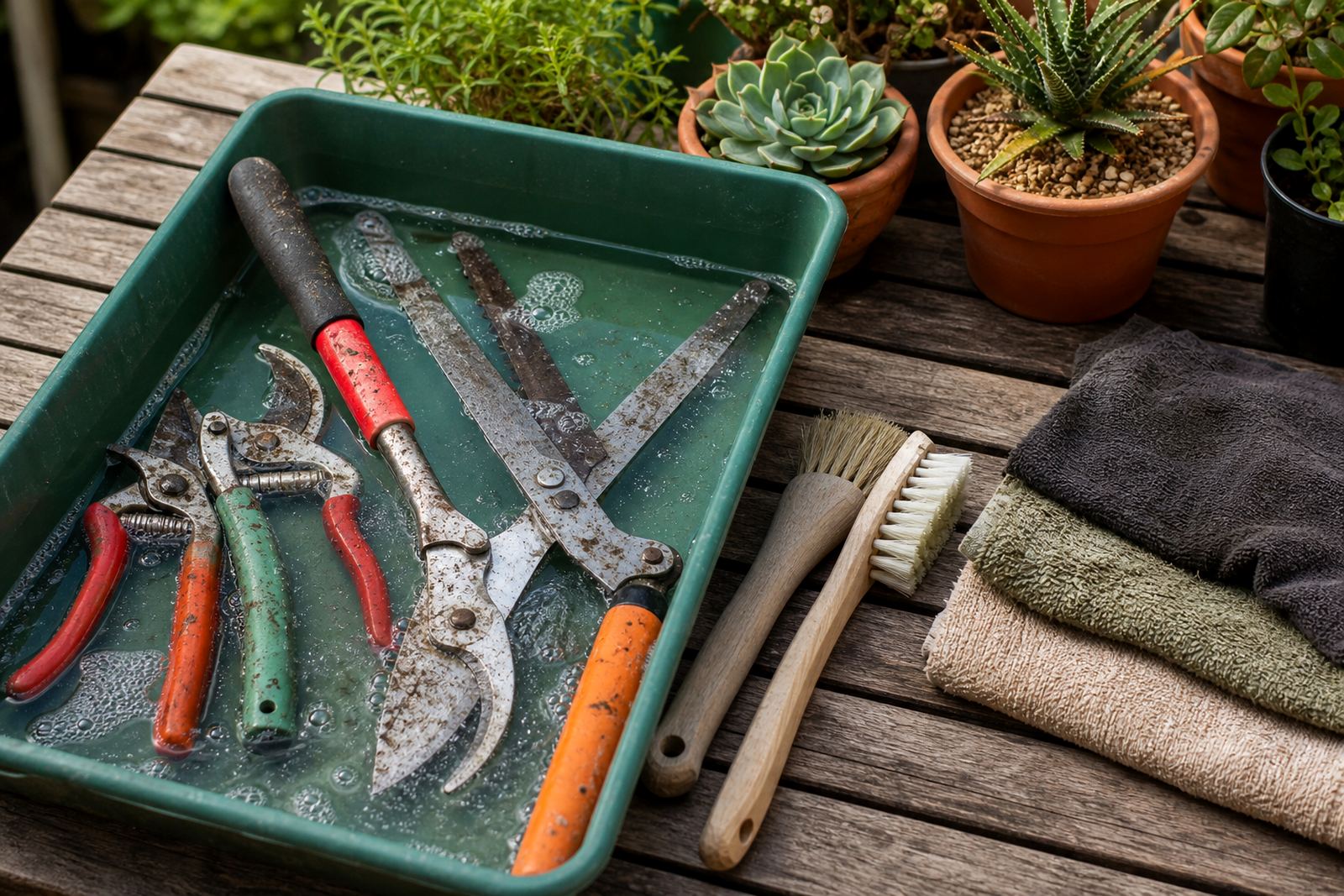
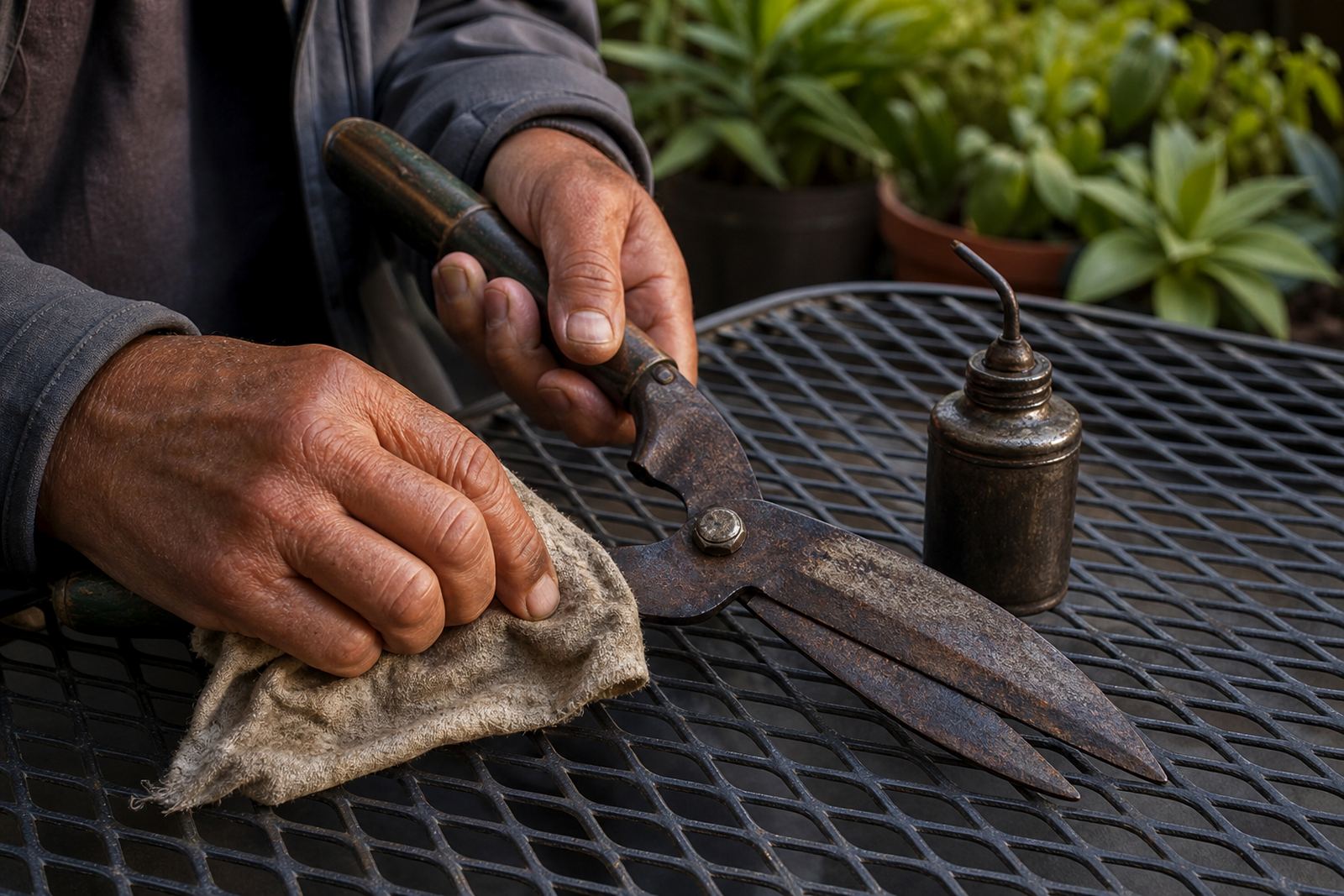
- Surface cleaning and light rust treatment where needed
- Fitment of replacement grip wrap or sleeve
- Final inspection for hand comfort and movement clearance
- Basic working check after refit
How we replace grips on garden tools
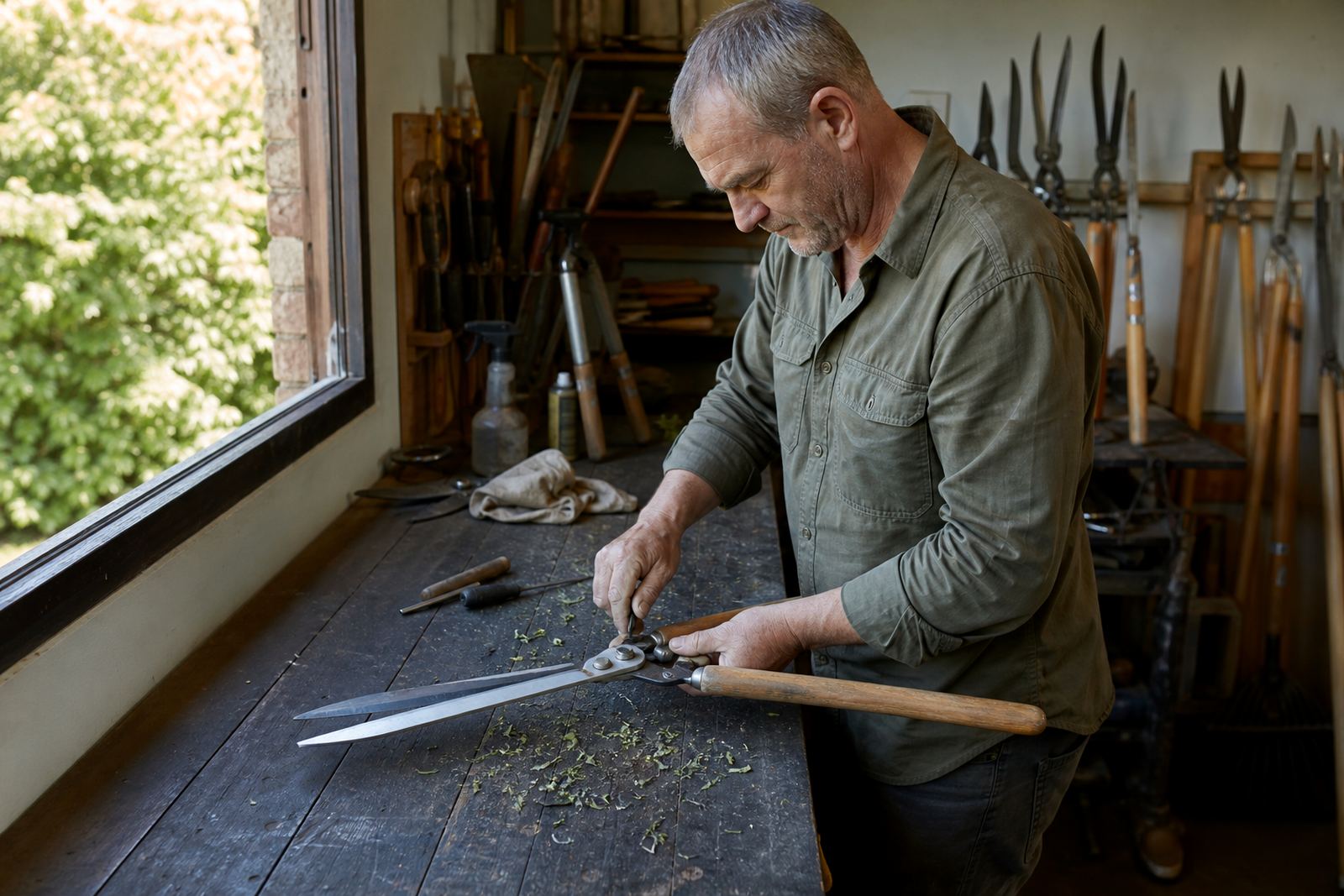
We follow a clear process so the finish is neat and the tool feels balanced after the work is done. First, the handle is assessed for wear, bends, corrosion and any sign that the grip issue is linked to a bigger problem. Then the old grip is removed carefully so the handle beneath is not damaged.
After cleaning, the correct replacement material is measured and fitted. We pay attention to overlap, seam placement and the contact area where your hand naturally rests. That matters on tools used for long sessions in public gardens, nursery work or roadside planting where repeated use can wear one section faster than the rest. Once fitted, the tool is checked for comfort, thumb position and grip security.
- Step 1: Tool assessment and wear check
- Step 2: Old grip removal and handle cleaning
- Step 3: Grip fitment and shaping
- Step 4: Comfort check and finish inspection
- Step 5: Return with care guidance
Turnaround times for busy teams and home users
Turnaround depends on the tool condition, the number of items in the job and whether extra work is needed such as pivot adjustment or rust removal. Smaller grip jobs on a few secateurs can often move faster than a fleet of loppers and hedge tools used by a landscaping team, especially when parts must be matched across mixed tool sets.
For local customers in Pietermaritzburg and nearby areas like Hilton and Howick, the service is often quicker because collection or drop-off is simpler. For clients sending tools from Durban, Johannesburg, Pretoria, Cape Town or Gqeberha, we plan the work in batches to keep handling time down and reduce the risk of tools sitting unused. If a team relies on its tools daily, tell us that up front so we can prioritise accordingly.
Where practical, we keep communication direct and give a realistic completion window before the work starts. If a grip replacement uncovers a loose pivot or damaged spring, we will discuss the extra step before moving ahead. That way there are no surprises and your tools come back ready for proper use, not just a quick patch-up.
Pricing that depends on the tool and the damage
Grip replacement is priced according to the tool type, handle size, condition of the old grip and whether extra prep is required. A single pair of secateurs usually takes less work than a long-handled lopper or hedge shear, and the finishing needed can also vary if the handle surface has rust or residue.
We quote after inspection so you pay for the actual work required, not a one-size-fits-all figure. If you are maintaining several tools at once, we can group the work and make the pricing easier to manage. Many landscapers and property teams prefer this because it helps with planned upkeep and avoids surprise costs mid-season. The most cost-effective approach is often to replace grips before the handle core is badly worn, because that keeps the tool in service longer.
- Priced by tool type and condition
- Bulk jobs can be assessed together
- Extra work only added with approval
- Better value when done before deep damage sets in
Keeping new grips in good condition
Fresh grips last longer when tools are cleaned after use, dried before storage and kept out of direct sun where possible. In coastal towns, salt and moisture should be wiped off after work, while inland users should watch for dust buildup around the handle and pivot. If grips are left wet in a shed or vehicle, they usually wear out sooner.
For active gardeners, a service interval of every 6 to 12 months is sensible, depending on frequency of use. Commercial teams may need shorter intervals if tools are used daily. During the interval, watch for slipping, flattening, edge lift or any change in feel. If you notice that your hand starts tiring quicker than usual, the grip may be past its best even if it still looks acceptable.
We can also advise on whether the issue is just the grip or whether the tool would benefit from a fuller inspection. That helps you avoid replacing handles too late and keeps the tool safer to use through busy planting and pruning periods.
Key facts
| Tool types | Secateurs, loppers, hedge shears and selected pruning tools |
|---|---|
| Grip materials | Comfort wrap, sleeve fitment and handle coverings matched to tool size |
| Typical job size | Single tools through to commercial fleet batches |
| Service focus | Comfort, control, slip resistance and hand fatigue reduction |
| Turnaround | Depends on condition and batch size, with priority handling available |
| Coverage area | Pietermaritzburg, KwaZulu-Natal and nationwide supply support |