What rust removal covers on garden tools
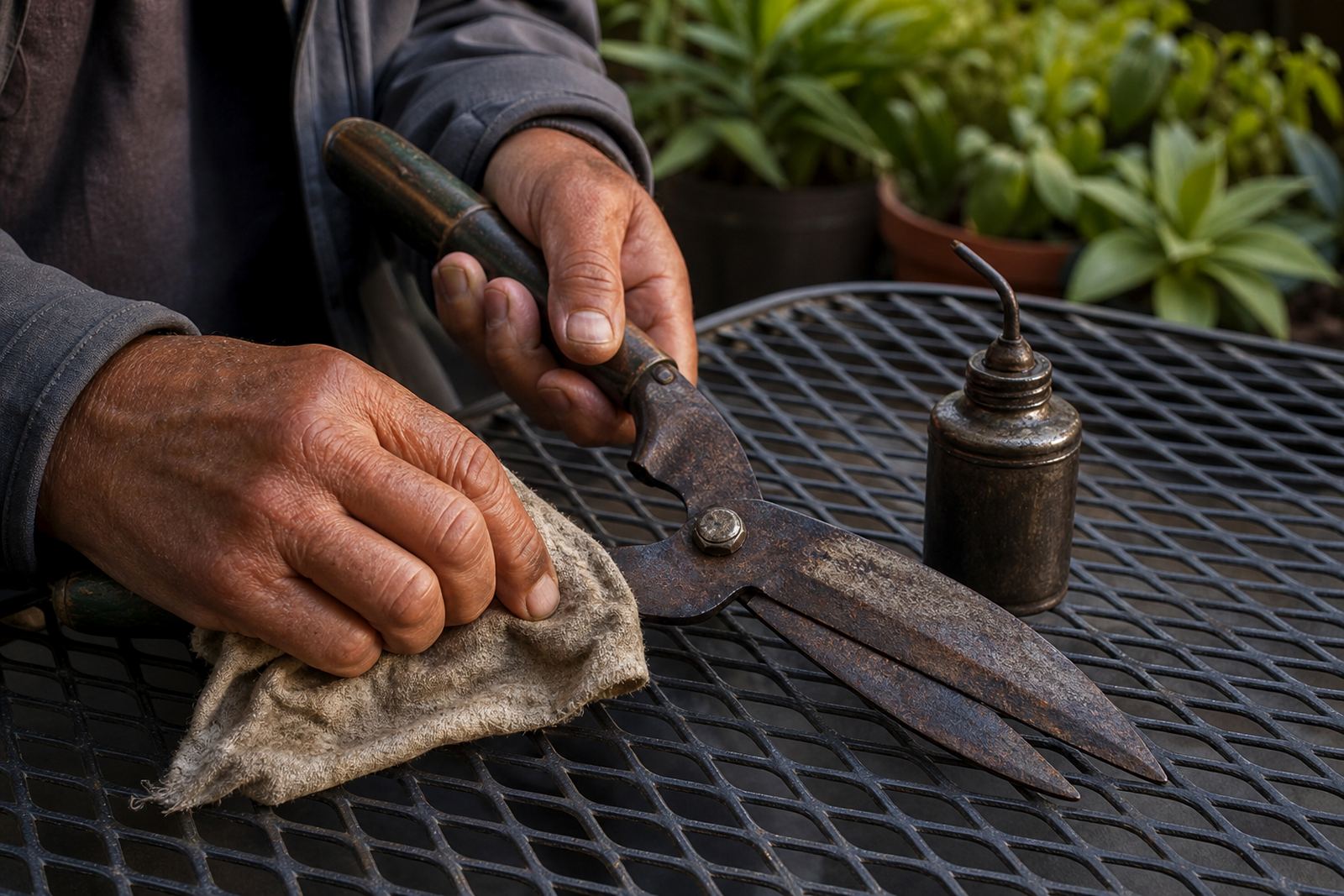
Rust removal is a practical service for tools that have picked up surface oxidation from damp storage, coastal air, wet grass or long periods in the shed. We handle pruning shears, loppers, hedge shears and similar hand tools used by home gardeners, grounds staff and landscaping teams. The aim is to clean the metal, restore smooth movement and protect the tool from further corrosion.
We focus on surface rust and early corrosion before it eats into the blade or pivot. If a tool still has good steel underneath, it can usually be brought back into steady working condition without replacing the whole unit. That saves money and keeps your kit in service for longer.
- Surface rust on blades, springs and pivots
- Sticky or stiff cutting action caused by corrosion
- Rust build-up on handles, fasteners and exposed fittings
- Light pitting that needs close inspection
- Tools stored in humid areas or near the coast
How the rust removal process works
Every tool is checked first so we can see whether the rust is only on the surface or has started to affect the edge and moving parts. We then clean away dirt, sap and old residue before removing rust with suitable hand methods and approved workshop materials. The process is careful because aggressive treatment can damage the blade profile or reduce the life of the tool.
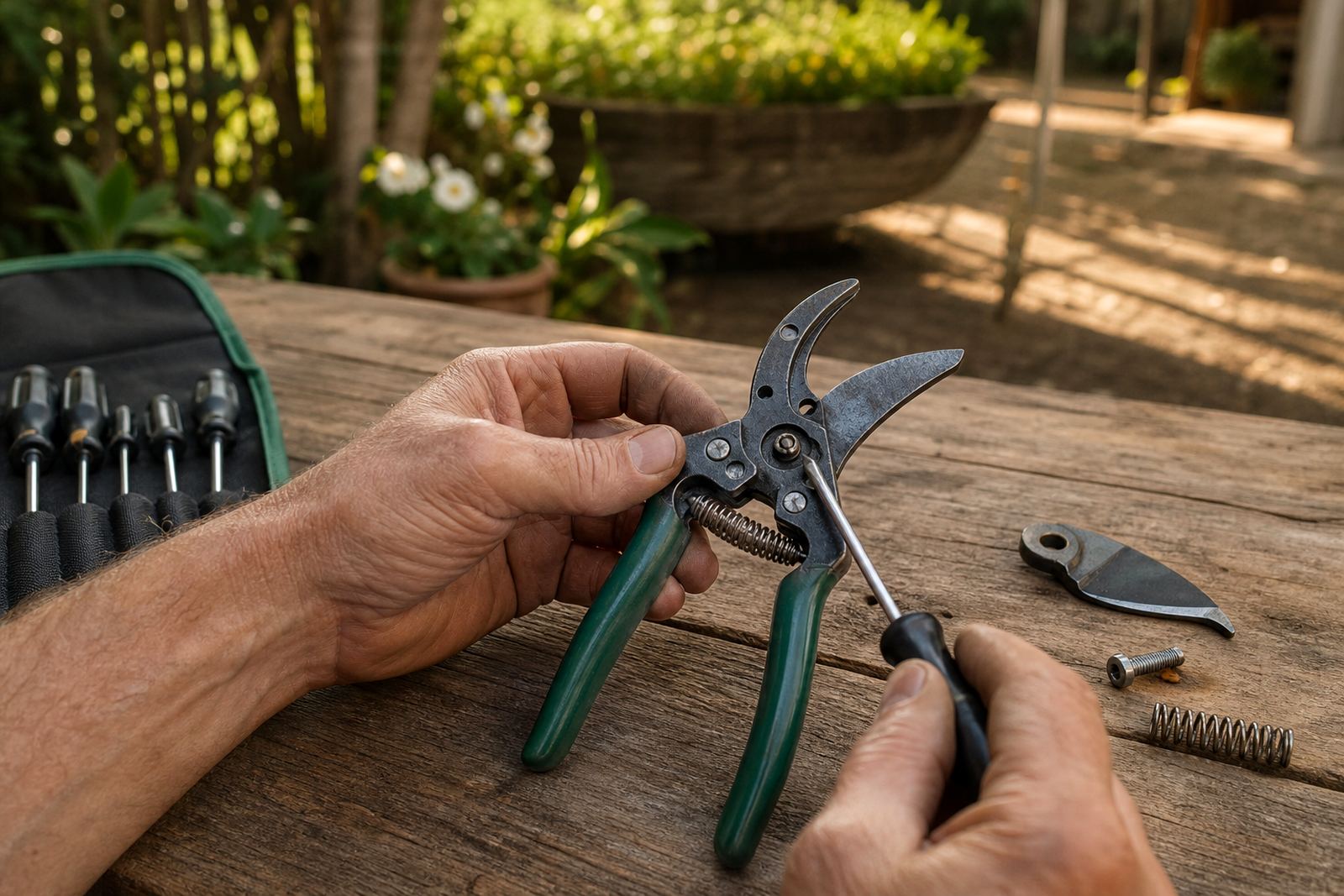
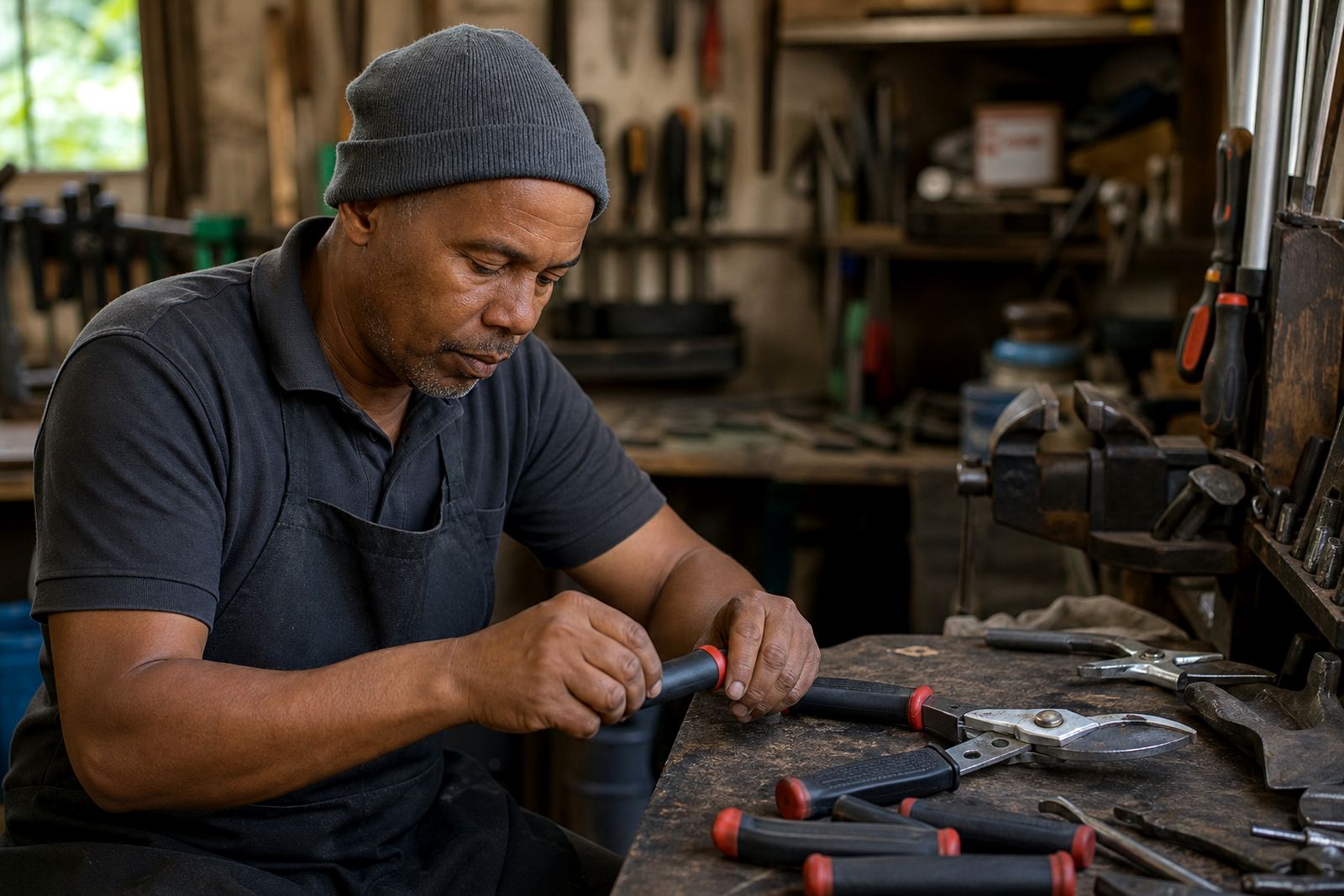
Once the metal is clean, we inspect the cutting edge, pivot points and springs. If needed, we can combine rust removal with pivot adjustment, spring replacement or deep cleaning so the tool comes back as a properly working unit, not just a cleaner one.
- Initial inspection and condition check
- Degreasing and removal of sap, soil and grime
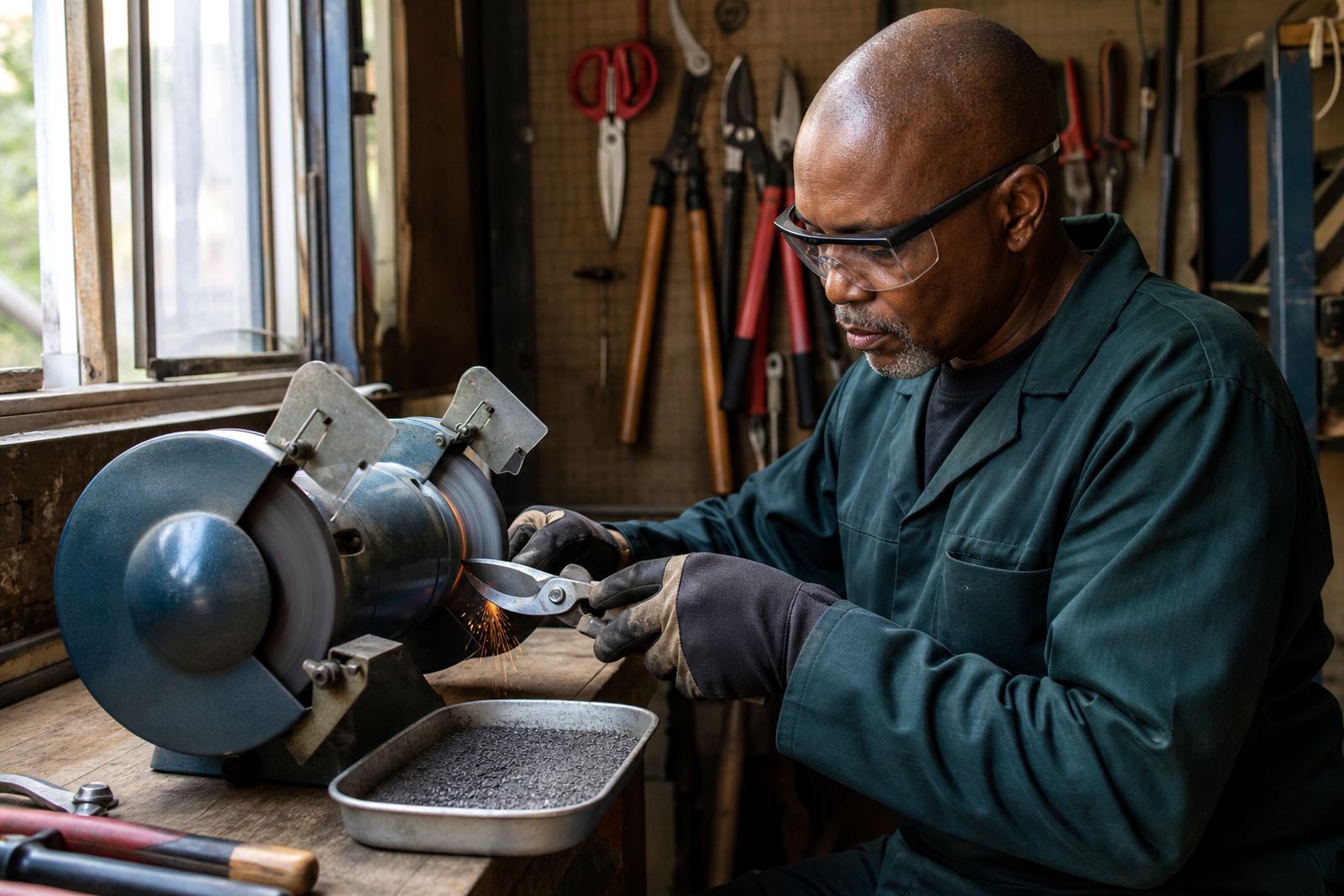
- Mechanical rust removal from affected metal parts
- Cleaning of pivots, springs and contact surfaces
- Protective oiling to slow future corrosion
What the service includes and when we recommend it
Rust removal is best for tools that still have solid metal but need attention before the corrosion spreads. It is especially useful after the rainy season, after storage in a humid garage, or when tools have been left in a vehicle or outside shed. If your secateurs are beginning to drag, or your lopper has a rough pivot, rust may be part of the problem.
We recommend this service for both domestic and commercial sets, including landscaping fleets that work across Durban, Pietermaritzburg, Johannesburg and other inland or coastal areas. Coastal humidity in places like Gqeberha and Durban can bring rust back quickly, so regular care matters.
- Removal of light to moderate surface rust
- Cleaning of blade faces and exposed metal parts
- Protection against moisture after cleaning
- Functional checks on cutting action and movement
- Advice on storage and maintenance intervals
Turnaround times for individual tools and bulk sets
Turnaround depends on the condition of the tool and how many items come in at once. A single pair of secateurs or a small lopper can often be handled quickly, while larger batches from garden teams or estates need more time for sorting, inspection and finishing. We always aim to give a practical time estimate at intake so you can plan your work around it.
For routine rust removal, many smaller jobs are completed within a short workshop cycle. Heavier corrosion, seized pivots or tools needing extra parts may take longer. If your team relies on the tools daily, we can discuss batch planning so you are not left short during busy mowing and pruning periods.
- Single tool jobs: usually quicker turnaround
- Mixed household sets: depends on condition and parts needed
- Fleet or contractor batches: scheduled intake and release
- Rush handling available where the job allows it
- Collection and return planning for local Pietermaritzburg clients
Pricing approach that suits home users and landscapers
Our pricing is based on the actual condition of the tool, not a one-size-fits-all figure. Light surface rust takes less labour than tools with deeper corrosion, stiff pivots or multiple fittings that need attention. This keeps the charge fair and tied to the work required.
Before any work begins, we assess the item and explain what is needed. If rust removal can be done on its own, we keep it to that. If the tool also needs servicing, blade work or replacement parts, we can quote accordingly so you know where the money is going. For regular users and fleet care plans, we can also look at scheduled maintenance to reduce repeat corrosion and avoid bigger repair bills later.
Keeping rust from coming back after service
Once a tool has been cleaned, the next step is good storage and simple upkeep. In KwaZulu-Natal coastal air, or in inland areas where tools are packed away after wet work, a small amount of moisture can bring rust back fast. Wiping tools dry after use and storing them in a dry place makes a big difference.
For home gardeners, we usually suggest checking cutting tools every few months. For landscapers and maintenance crews, a monthly look-over is better, especially if the kit is used daily. If you work near the sea or in damp municipal grounds, a shorter interval is wise. A light protective oil and clean storage box can prevent a lot of trouble.
- Wipe blades dry after every use
- Keep tools off concrete floors where moisture gathers
- Oil exposed metal before long storage periods
- Inspect pivots and springs for early corrosion
- Book servicing when cutting action starts to feel rough
Key facts
| Service area | Pietermaritzburg, Durban, Johannesburg, Pretoria, Cape Town, Gqeberha and surrounding areas |
|---|---|
| Tools handled | Pruning shears, loppers, hedge shears and related hand cutting tools |
| Common rust type | Surface oxidation, light pitting and moisture related corrosion |
| Process | Inspection, cleaning, rust removal, protection and functional check |
| Turnaround | Depends on condition and batch size, with smaller jobs usually faster |
| Maintenance interval | Every 3 to 6 months for regular users, or sooner in coastal and wet conditions |