Cleaner cuts for healthier plants
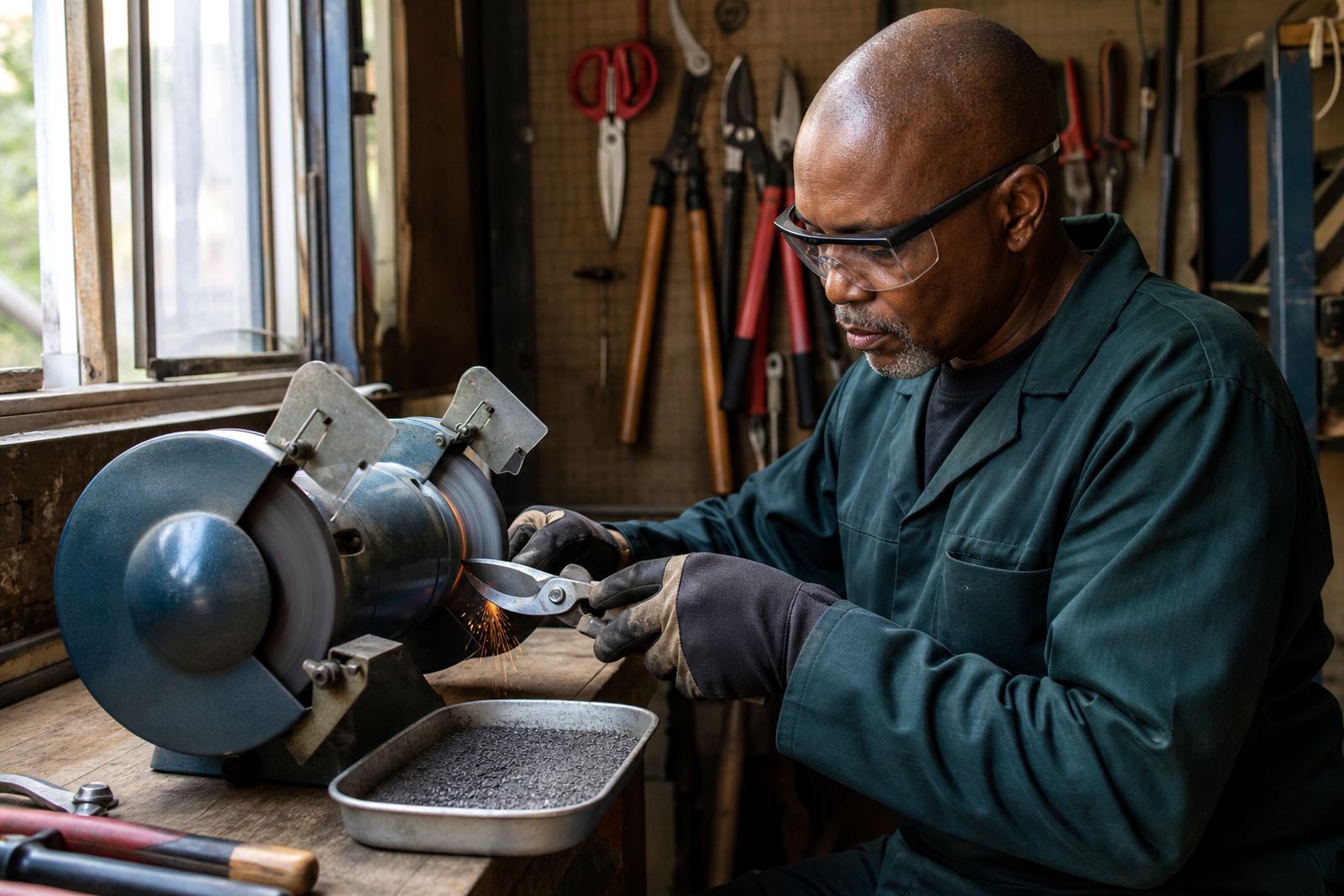
Blunt blades tear soft stems and leave ragged cuts that dry out slowly, especially on roses, indigenous shrubs and seasonal hedge growth. Our blade sharpening service restores a fine working edge on pruning shears, loppers and hedge tools so you get a cleaner slice with less effort at the handle.
This service suits busy home gardeners in Pietermaritzburg as well as landscapers working in Durban humidity, Johannesburg dry winter conditions, Pretoria estates, Cape Town wind exposure and Gqeberha coastal air. Coastal rust, dust and sap build-up all shorten blade life, so regular sharpening makes a real difference to cut quality and control.
- Pruning shears for hand cutting and deadheading
- Loppers for thicker branches and orchard work
- Hedge tools for formal hedges and shaping cuts
- Bypass-style and anvil-style cutting edges
- Garden tools used daily or seasonally
What is included in the sharpening service
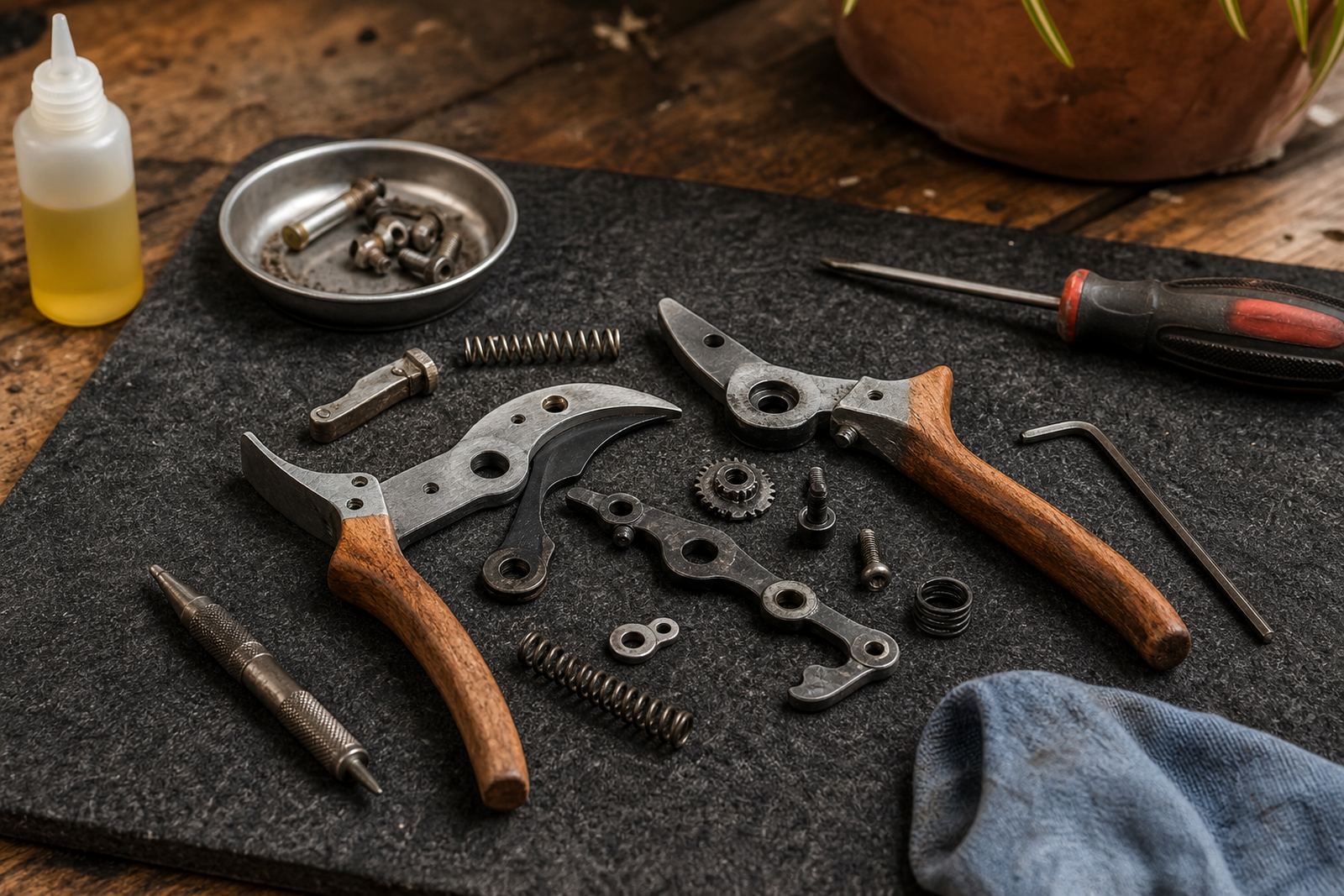
Each tool is checked first so we do not sharpen over cracked metal, loose pivots or bent blades. If the edge can be saved safely, we set the angle, remove burrs and finish the cutting face for smoother action. Where required, we also carry out basic cleaning around the blade channel, pivot area and spring so the tool opens and closes properly.
For hedge tools, edge care is done along the full cutting length and we pay attention to the tip area, which often takes the most abuse. For loppers and secateurs, we focus on the main cutting blade and the anvil or counter blade if the design calls for it. The aim is to restore performance without taking away too much metal, because over-grinding shortens the life of the tool.
- Edge setting and burr removal
- Light rust removal from cutting surfaces
- Blade alignment check
- Pivot inspection and adjustment if needed
- Functional test before return
We also note any extra wear that could affect the next service, such as bent blades, worn springs or damaged grips. That way you know whether the tool only needs sharpening or a fuller service later on.
How we handle each tool from intake to return
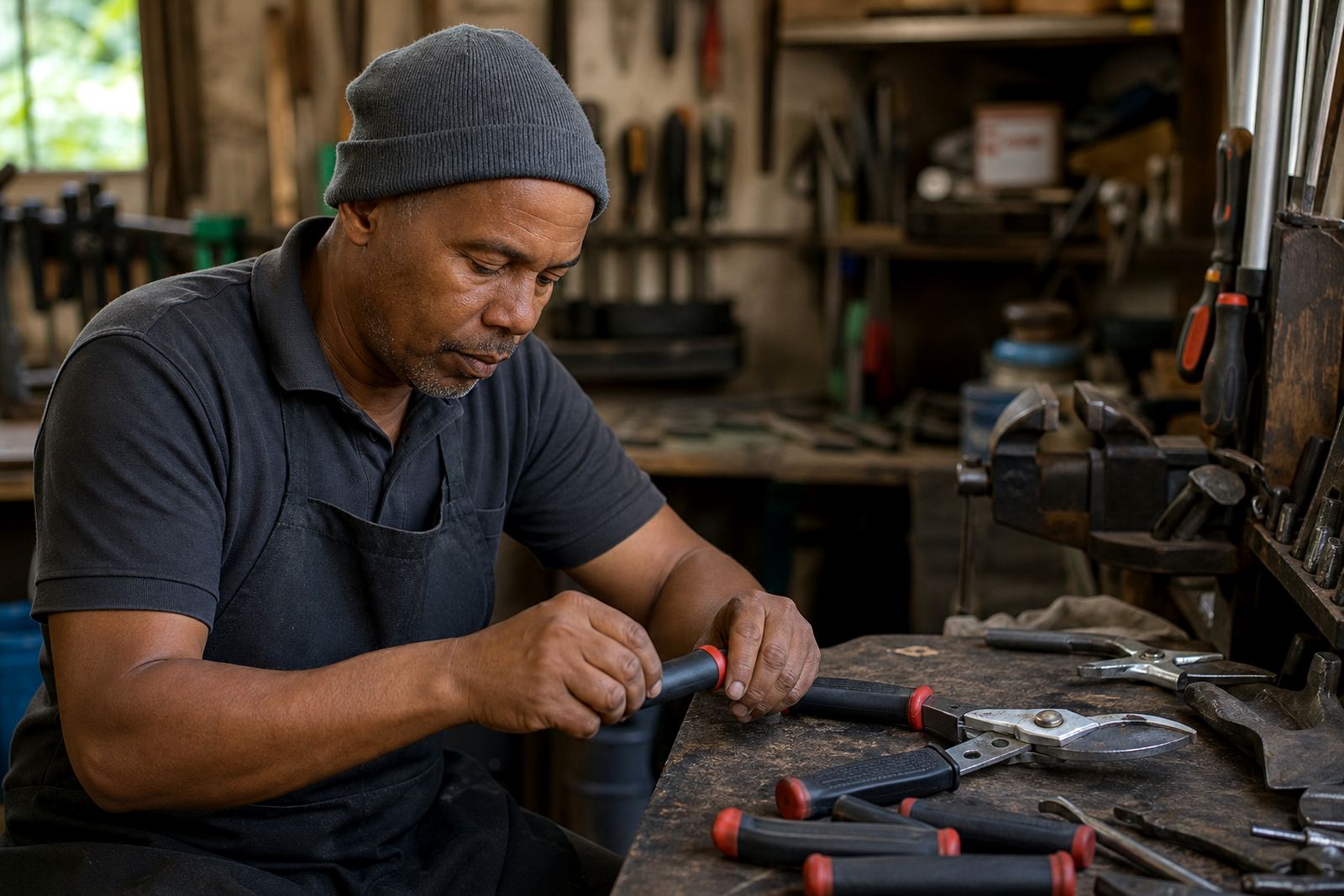
Tools are received through our enquiry process and assessed against their condition, use history and the type of cut they are meant to make. We look at blade profile, metal condition, handle play and whether the cutting edge has been previously over-sharpened. Once the inspection is done, we confirm the best route for the tool before work starts.
The process is straightforward and designed for both single items and regular contractor batches. It helps when gear arrives clean, but we can also work on tools that carry sap, dust or light surface rust. If a tool needs more than sharpening, we will flag that before proceeding.
- Inspection and condition check
- Cleaning around the blade and pivot areas
- Sharpening to the correct cutting angle
- Deburring and edge finishing
- Final check for smooth opening and closing
Because Pietermaritzburg can be humid, especially after summer rain, we also watch for corrosion around joints and blade backs. A sharpened edge is only part of the job, and a clean pivot often makes the biggest difference to hand feel.
Turnaround times that suit home gardens and crews
Turnaround depends on the number of tools, their condition and whether parts or deeper cleaning are needed alongside the sharpening. Small household jobs are usually quicker than bulk contractor batches, while heavily rusted or badly misaligned tools take longer. We aim to keep things moving so you are not left waiting too long for a working set of gear.
If you manage hedge trimming, estate upkeep or regular pruning rounds, it helps to plan sharpening before peak growth periods. In KwaZulu-Natal, spring growth can arrive fast and the same applies in warmer inland areas, so a small service delay can turn into missed maintenance if the blades are not ready on time.
- Single tool jobs: often handled first where possible
- Mixed household sets: planned according to condition and volume
- Contractor batches: scheduled in a sensible order for dispatch
- Heavily corroded tools: allow extra time for safe cleaning
We do not rush edge work. A few extra minutes spent setting the angle properly is better than returning a blade that goes blunt again after one weekend of use.
Pricing based on condition, tool type and batch size
Our pricing approach is practical and transparent. A standard sharpen on a well-kept pair of secateurs will cost less than a badly worn hedge blade set or a lopper with heavy rust, worn pivots and loose alignment. We quote according to tool type, condition and whether additional servicing is needed.
For landscapers and garden teams, batch pricing can make sense when you have several tools coming through at once. That is useful for fleet care plans too, because crews often work with the same cutters every week and need regular edge maintenance to keep output steady. We also consider whether the tool needs only sharpening or if it needs spring replacement, grip replacement or pivot adjustment at the same time.
- Condition based pricing, not one flat rate for everything
- Separate pricing for sharpening and extra repairs
- Batch rates for multiple tools
- Quotes adjusted for tool size and blade length
There are no surprises at collection or return. If a tool needs more attention than expected, we explain it before work continues, so you can decide how far to go.
When to sharpen and how to keep the edge longer
As a general guide, pruning tools should be sharpened as soon as you notice squeezing, tearing or extra hand pressure. For active gardeners, that may mean every few months. For landscapers using tools daily, inspection can be weekly and sharpening more frequent depending on workload, sap and soil contact. Hedge blades often need attention after a full trimming run, especially if they have hit stems with grit or been stored damp.
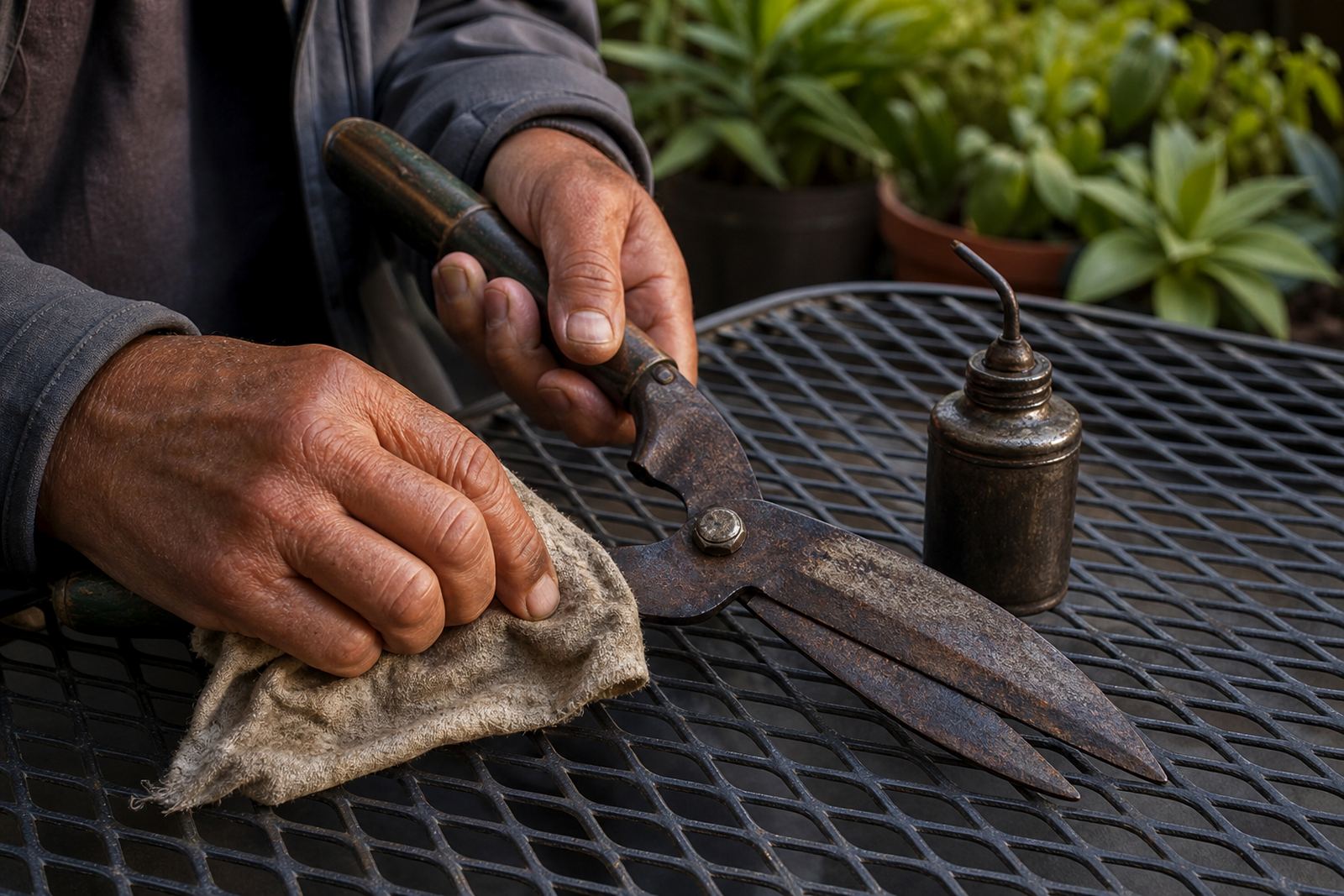
To keep an edge longer, wipe blades after use, remove sap before it hardens and store tools dry. In coastal towns like Durban and Gqeberha, wipe-down care matters even more because humidity and salt in the air can mark steel quickly. Inland, dust and dry sap are the main culprits. A clean blade lasts longer than a neglected one, it really is that simple.
- Wipe blades after every use
- Do not cut through wire, stones or hard stakes
- Keep tools dry and out of rain water
- Check pivots and springs before the next job
- Book sharpening before peak pruning season
For regular users, we recommend setting a maintenance interval instead of waiting until the tool is fully blunt. That keeps cut quality steadier and reduces strain on hands and wrists.
Why crews across South Africa send tools for servicing
From home gardens in Hilton and Howick to commercial work in Johannesburg, Pretoria, Cape Town and Gqeberha, sharpened blades save time and make jobs neater. Crews in Pietermaritzburg know the difference straight away when a hedge tool bites cleanly instead of dragging through growth. Better cutting also helps reduce fatigue, which matters when you are working through long days and load shedding delays can make scheduling harder than usual.
We support home gardeners, landscapers and maintenance teams who want practical tool care, not flashy promises. A properly sharpened tool feels lighter in use, gives a truer cut and lasts longer between replacements. That is the goal every time the blade comes in.
Key facts
| Service type | Blade sharpening for pruning shears, loppers and hedge tools |
|---|---|
| Tool lengths | Typical garden hand tools through to long hedge blades |
| Blade finish | Sharpened cutting edge with deburring and edge clean-up |
| Condition checks | Pivot, spring, alignment, rust and blade wear |
| Typical users | Home gardeners, landscapers, estates and garden crews |
| Service area | Pietermaritzburg, Durban, Johannesburg, Pretoria, Cape Town and Gqeberha |