What our parts fitting service covers
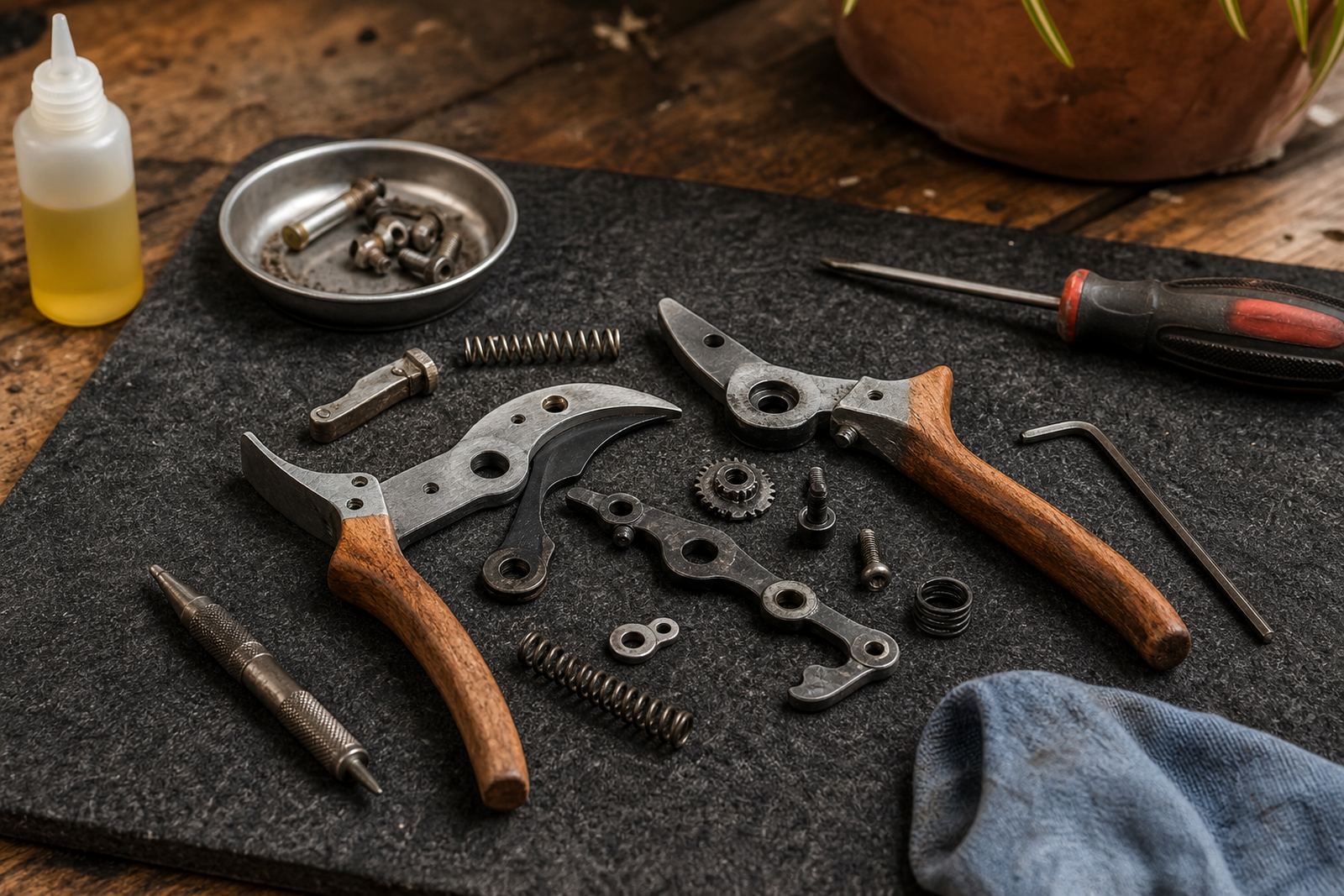
Parts fitting is for tools that still have a sound body but need one or two worn parts replaced before they can work properly again. We fit compatible replacement parts to garden pruning shears, bypass loppers, anvil loppers, hedge shears and long reach hedge tools. This is a practical option when the blades are still usable, but the springs, grips, pivots or lock parts have reached the end of their life.
We work on tools used in home gardens, body corporate gardens, school grounds and landscape crews from Pietermaritzburg to Durban, Johannesburg, Pretoria, Cape Town and Gqeberha. In humid coastal areas like Durban and Gqeberha, rusted pins and seized pivots are common. In inland areas, tools often need new springs or handles after heavy seasonal use.
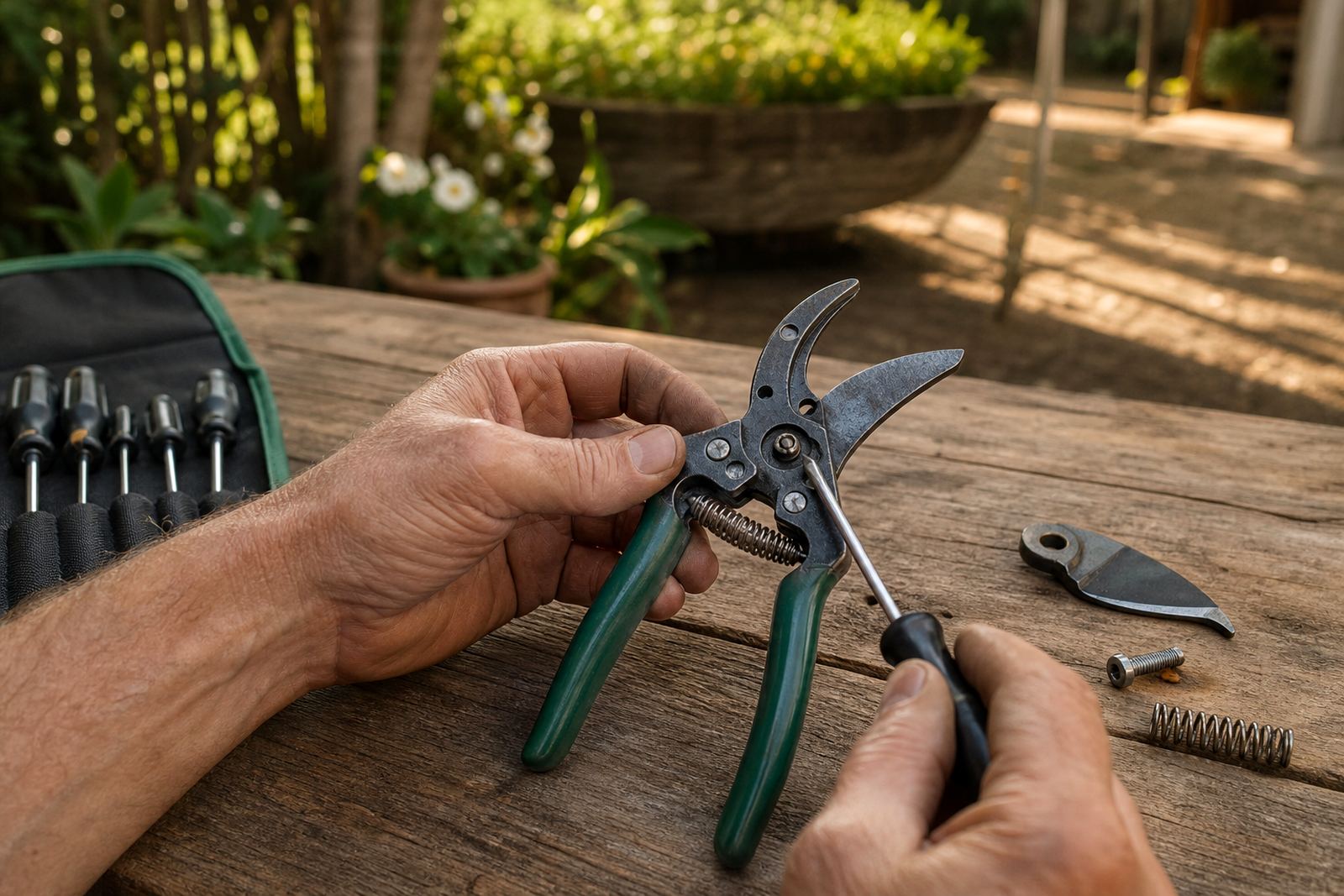
- Spring replacement for tired or broken return springs
- Grip replacement for cracked or slippery handles
- Pivot adjustment for loose, stiff or misaligned joints
- Blade and jaw fitting where the tool design allows it
- Lock, catch and fastener replacement where compatible parts are available
How we assess whether a part is worth fitting
Every tool is checked first so we only fit parts that make sense for the condition of the tool. A set of shears with a bent frame or cracked head may not be suitable, while a secateur with a worn spring and dull blade can usually be restored. We look at the tool size, the fixing points, blade profile and the condition of the pivot hardware before we recommend any replacement.
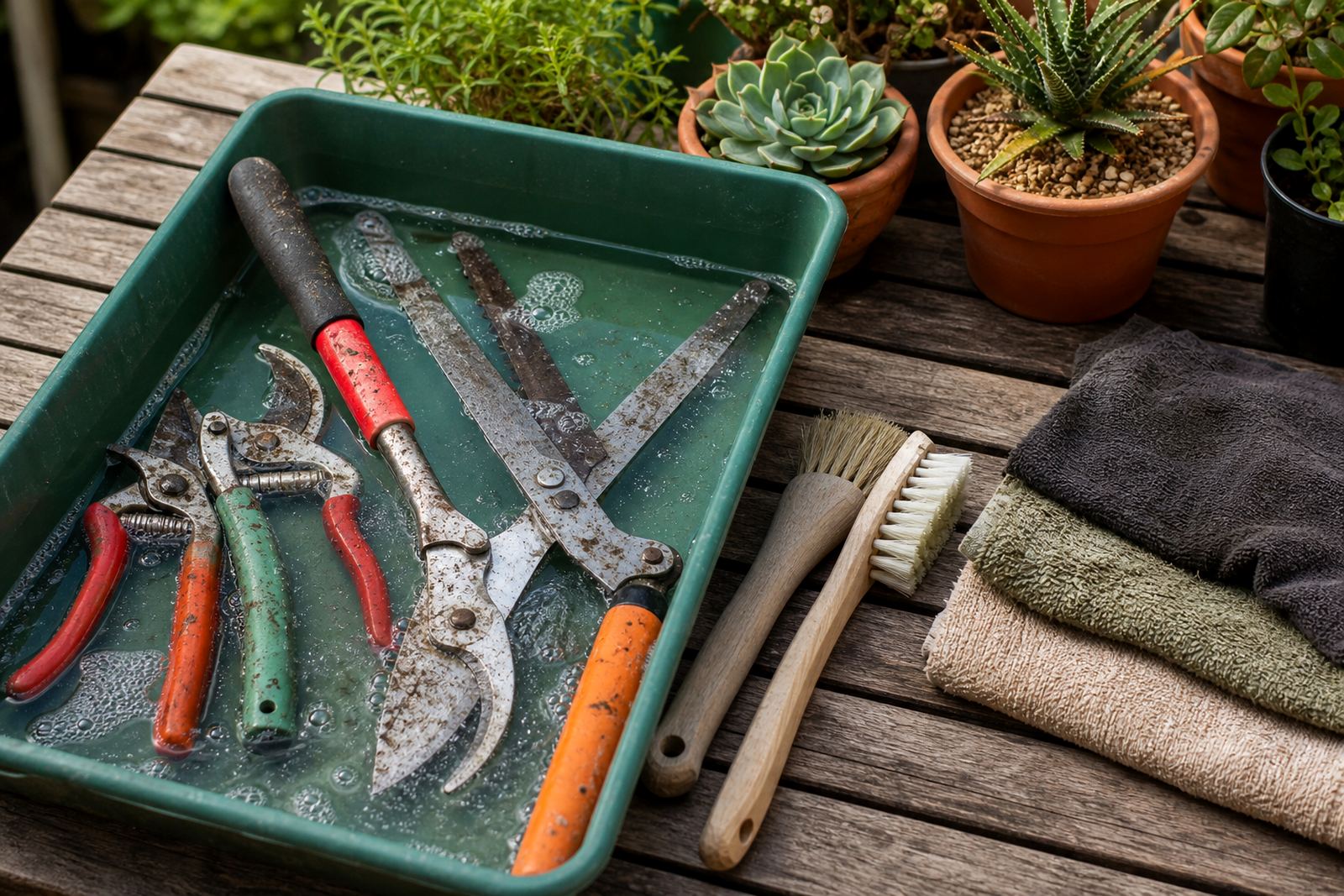
For most jobs, we will ask about the tool type, approximate length and any markings on the old part. That helps us match the correct size and fitting method. If the tool has been stored in a damp shed or left in a trailer through winter, we also check for rust around the pivot and screw threads, because those parts can affect the final fit.
- Check for structural damage before fitting parts
- Match replacement items to the tool type and size
- Inspect pivots, fasteners and movement before returning the tool
Step-by-step process from drop-off to collection
The process is straightforward. Clients send an enquiry through the contact page and describe the tool problem, then we confirm the likely parts and next step. If the tool is suitable, it can be brought in for inspection and fitting. For businesses with several tools, we can assess a small batch at once so the same repair standard is applied across the set.
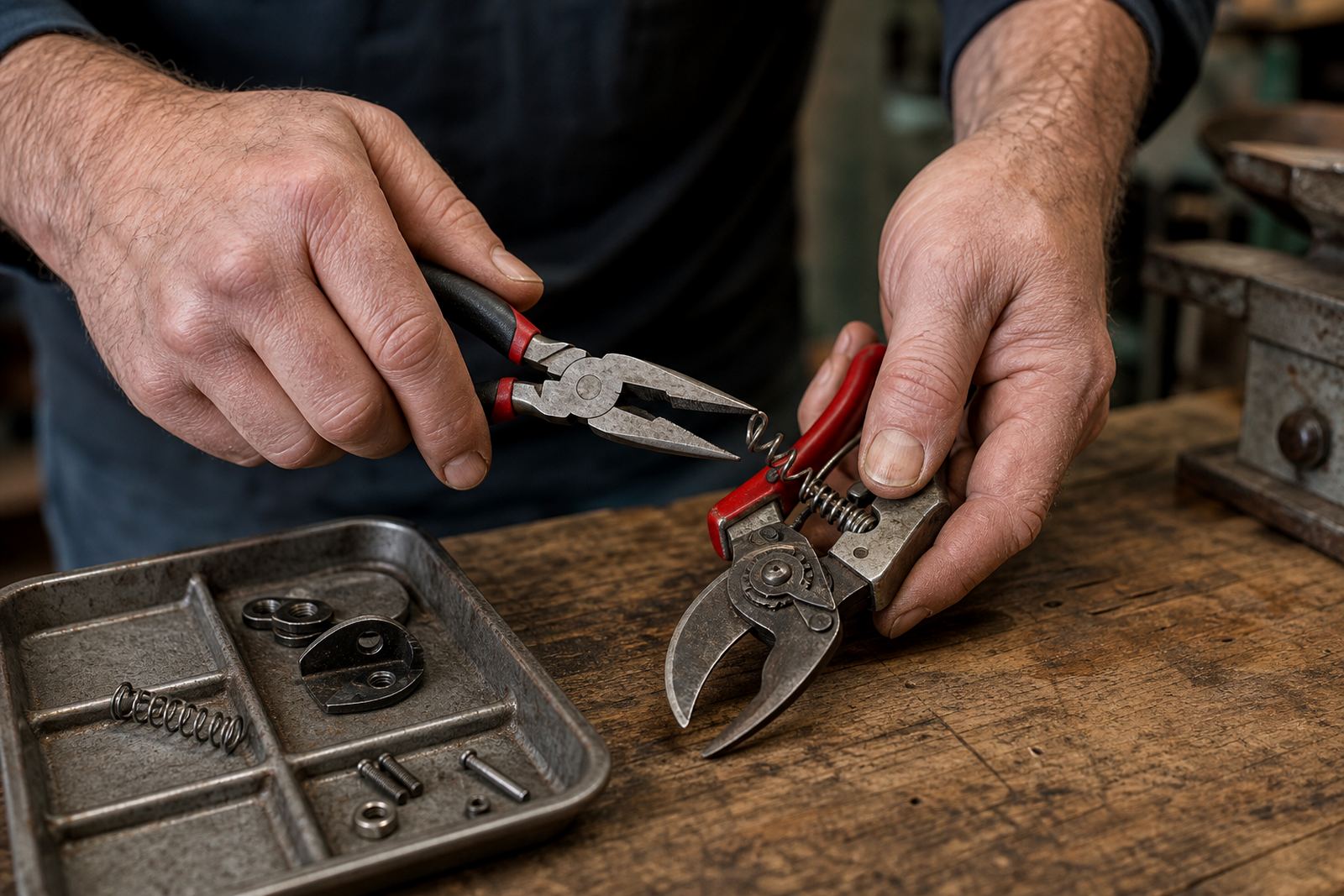
Once the tool is booked in, we remove the worn part, clean the fixing area and fit the replacement. Where needed, we reset the pivot tension, test the opening and closing action and check that the tool cuts or closes evenly. If extra work is needed, such as rust removal or deep cleaning, we will advise before going ahead. That way the final result is clear before work starts.
- Enquiry and tool description through the contact form
- Inspection and compatibility check
- Removal of worn or damaged part
- Fitting, adjustment and function testing
- Return ready for use or with further service advice
Turnaround times and when urgent jobs make sense
Turnaround depends on the tool type, the condition of the fixing points and whether the replacement part is already on hand. Simple jobs like spring replacement or grip replacement are usually quicker than jobs that need pivot correction or multiple small parts. If the tool is heavily seized from rust, it may need extra cleaning before the new part can be fitted properly.
For regular garden maintenance teams, we often recommend sending tools in before the busy growing season starts. In Pietermaritzburg and surrounding areas, that is usually ahead of the summer growth flush, while coastal clients often bring in tools before the wetter months when garden work picks up. We can also look at batch work for landscapers who need several tools turned around together.
- Single minor part fittings are usually the quickest
- Batch jobs are managed in a practical queue for businesses
- Rush handling depends on the part type and current workload
Pricing that depends on the part and the labour
We price parts fitting according to the replacement item, the condition of the tool and the labour needed to remove and install the new component. A simple spring swap costs less than a pivot rebuild or a fitting job that needs rust removal first. Where a tool needs more than one part, we quote the work clearly so there are no surprises.
Because garden tools vary in size and construction, we do not use a one-size-fits-all rate. A light secateur, medium lopper and long hedge tool each have different parts and labour time. If the tool is not worth repairing, we will say so rather than pushing unnecessary work. That is often the cheaper outcome for the client in the long run.
- Quoted by tool type and condition
- Only compatible parts are fitted
- Combined work can reduce repeat handling costs
Keeping fitted parts in good condition
Once parts have been fitted, basic maintenance helps them last longer. Wipe tools down after use, especially after cutting wet grass or working near the coast where salt in the air can cause corrosion. Keep pivots lightly lubricated and store tools dry and off the ground where possible. If a tool starts to feel stiff again, bring it in early before the wear spreads to the blade or head.
For active garden crews, we recommend periodic inspections every 3 to 6 months, depending on use. Home gardeners can usually work on a seasonal schedule, especially if the tool is used for pruning, trimming or hedge shaping only a few times a month. If you run a small fleet of tools, a regular care plan helps keep wear under control and lowers the chance of surprise failures during busy weeks. It also helps during load-shedding periods when jobs get pushed into shorter daylight windows and equipment has to work first time.
- Clean and dry after use
- Oil moving parts lightly
- Check springs, grips and pivots every few months
- Replace worn parts before they damage the rest of the tool
Key facts
| Service area | Pietermaritzburg, KwaZulu-Natal and clients across South Africa |
|---|---|
| Tools covered | Pruning shears, loppers, hedge shears and hedge tools |
| Common parts | Springs, grips, pivots, catches, fasteners and compatible blades |
| Typical intervals | Every 3 to 6 months for active use, or each season for home gardens |
| Condition check | We inspect structure, pivot wear, rust and part compatibility first |
| Pricing basis | Quoted according to part type, labour time and tool condition |